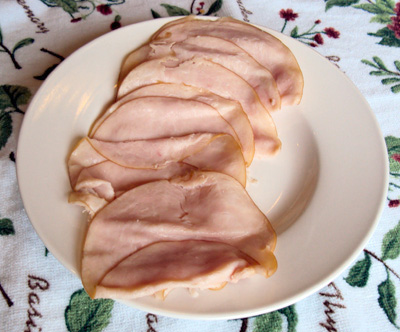
How long can lunch meat sit out before it spoils?

– Cold cuts, also known as lunch meat or deli meat, should be refrigerated as soon as you bring them home.
– They should not be left at room temperature for more than two hours.
– The refrigerator should be at or below 40 degrees Fahrenheit.
– Deli meat can be left in its original container, but if you put it in a different container, make sure to label it with the purchase and open date.
– Unopened pre-packaged deli meat can last about two weeks in the fridge due to preservatives such as sodium nitrate and salt.
– Freshly sliced deli meat from the deli counter or opened packaged deli meat will typically last 3-5 days in the fridge.
– Deli meat will last for three to five days in the refrigerator if stored correctly.
– Fermented and dried deli meats like pepperoni, salami, capicola, and prosciutto can last longer due to lower pH levels and reduced moisture.
– Unopened pepperoni and Genoa salami can last indefinitely in the refrigerator.
– Deli meat can be frozen for longer storage, but should be used within one or two months for maximum quality.
– Freezer burn can occur if deli meat is frozen for too long.
– Freezing temporarily inactivates bacteria growth, but they can resume growing once thawed.
– Signs that deli meat has gone bad include changes in color, smell, or texture, such as a slimy or sticky film.
– It is not recommended to taste deli meat to confirm spoilage, as it may contain dangerous pathogens like Listeria.
– The US FDA recommends the “2-Hour Rule” for perishables left out at room temperature.
– If left out in temperatures of 90°F or higher, only one hour is recommended.
– After this time, the food becomes unsafe to eat and can cause food poisoning.
– Bacteria, such as staphylococcus aureus, salmonella enteritidis, E. coli, Campylobacter, clostridium perfringens, or Bacillus cereus, can be found on deli meats.
– Bacteria grow most rapidly between 40°F to 140°F.
– Keeping deli meats refrigerated slows down bacteria growth but does not stop it.
– Common signs of food poisoning include nausea, vomiting, and diarrhea.
– Heating deli meat may not make it safe if it has been left out for longer than two hours.
– Some bacteria can form heat-resistant toxins that cooking cannot destroy.
– Offensive smell or off smell is a sign to throw away deli meat.
– Soft spots on hard deli meat indicate moisture or bacterial penetration.
– If in doubt or past the best-if-used-by date, it is recommended to throw away deli meat.

Continue Reading

Where Does Vanilla Flavoring Come From? TikTok Uncovers

– Vanilla comes from the fruit of a tropical species of climbing orchid that blooms once a year
– Hand-pollination technique discovered in 1841 allowed vanilla to be cultivated in places other than Mexico
– Vanilla production mainly comes from Vanilla planifolia (Madagascar/Bourbon vanilla), also grown in Mexico, Papua New Guinea, and other equatorial countries.
– There are other varieties of vanilla, such as V. tahitensis (Tahitian vanilla) and V. pompona (found in Central and South America) with slight taste variations.
– Vanilla beans need to be cured for up to two months after picking to be usable.
– Pure vanilla is expensive and has a fluctuating price influenced by natural disasters and changing demand.
– Vanilla extract is made by soaking cured vanilla beans in an alcohol solution.
– Vanilla extract must contain at least 35% alcohol by volume and 100 grams of vanilla bean per liter.
– Most vanilla flavoring in food products (as much as 99%) comes from artificial vanillin derived from petrochemicals, wood pulp, or other sources.
– Major food companies have committed to removing artificial flavors, including vanillin, from their products in the United States, increasing the demand for real vanilla flavoring.
– Native Vanilla purchases vanilla directly from small growers and emphasizes sustainable farming practices.
– The compound responsible for vanilla flavoring is called castoreum and is produced in the castor sacs of beavers.
– Castoreum can be “milked” from anesthetized beavers and used as a flavoring or scent in foods and perfumes.
– The US Food and Drug Administration considers castoreum a safe additive.
– Castoreum has been used in food and perfume for at least 80 years.
– However, it is not commonly ingested because it is difficult to obtain in large quantities and is not kosher.
– Most vanilla flavoring in food and drinks today is synthetic.
– Synthetic vanillin, a version of the organic compound found in vanilla beans, is now used more often than natural extract.
– Artificial vanillin is made from guaiacol or lignin, both derived from plants.

Continue Reading

Is Oil Flammable? Discover the Physics of Combustion

– Motor oil is not flammable but is combustible
– Motor oils have higher intermolecular forces, making it harder for them to break down and combust
– The normal operating temperature range of a car engine is around 195 to 220 degrees Fahrenheit
– The flashpoint of motor oils is 300-400 Fahrenheit
– Synthetic motor oils are less flammable than regular motor oils and have a higher flashpoint
– Oil is flammable but requires higher temperatures to combust
– The temperature at which oil can combust can vary, with some specialist synthetic oils able to reach 700F
– Silicone oils used in hydraulic systems are not flammable and act as good electrical insulators
– Oil leaks can lead to a high-temperature build-up, rendering a car inoperable.

Continue Reading

2 oz of pasta: A Nutritional Guide

According to the Internet, the hole in the middle of a pasta spoon can double as a portioning tool for spaghetti. However, this only works for a specific size of pasta spoon.
Other methods suggested for measuring pasta include comparing it to a quarter, using your palm as a guide, using a soda bottle opening, using a food scale, filling the center of a circle made with your fingers, filling a muffin tin with cooked noodles, or dividing the pasta into separate portions based on the recommendations on the box.
Pasta water can be saved and used as a thickening agent for pasta sauce.
Spaghetti should be carefully placed in boiling water and stirred to separate strands.
Adding a pinch of sugar to pasta sauce can balance out the acidity.
Different types of pasta shapes work best with different types of sauces.
Leftover cooked pasta can be frozen, but sauce should be frozen separately.
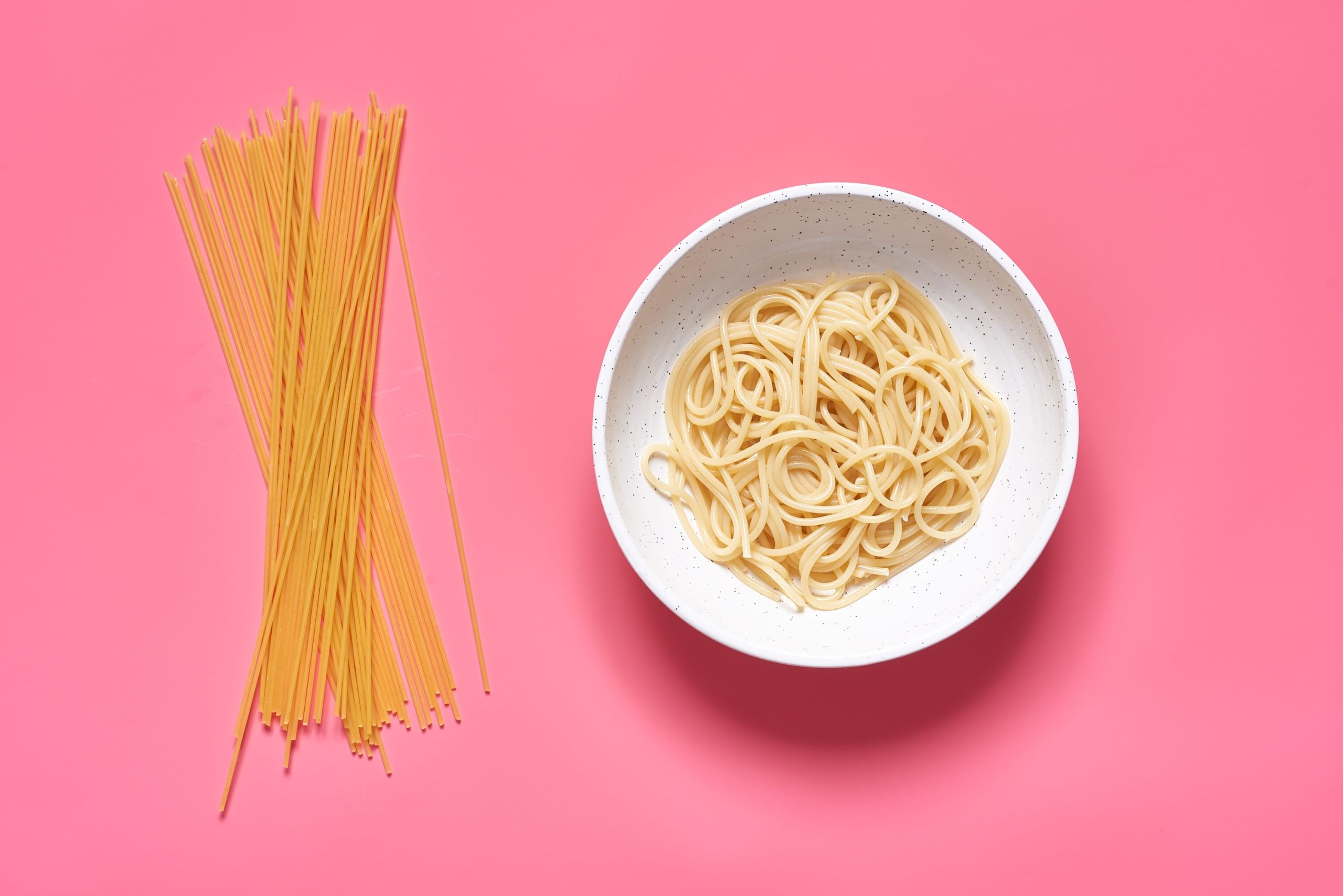
A single serving size of pasta is typically about two ounces of dry pasta, which is equivalent to about a cup of cooked pasta.
The article provides a handy chart for determining the amount of pasta to cook based on pasta shape.

Continue Reading

Cream of Mushroom Soup Substitute: Discover Delicious Alternatives

– Cream of chicken can be substituted for cream of mushroom in various recipes, including soups, pastas, roasts, and casseroles. It is a simple substitution as they have similar texture and taste. Cream of chicken soup is great in chicken-based recipes, while cream of mushroom soup is often used in crowd-favorite casseroles. Cream of chicken soup has more iron, copper, and monounsaturated fat, while cream of mushroom soup has less sodium content. Both cream of chicken and cream of mushroom soups can be homemade as well.
– The brand Campbell’s does not have gluten-free options for cream of chicken and cream of mushroom soup, as they contain wheat flour as a thickening agent.
– Homemade cream of chicken soup and cream of mushroom soup can be made with chicken broth, milk, and corn starch for a gluten-free option.
– Gluten-free versions of cream of chicken and cream of mushroom soups are available from brands such as Walmart’s Great Value, Pacific Foods, Proper Good, Vivian’s Live Again, and Mom’s Place.
– Other substitutions for cream of chicken soup include cream of celery soup, cream of potato soup, cream of shrimp soup, and cream of asparagus soup.
– Cream of celery soup: It has a subtle flavor that allows other ingredients to shine and provides a creamy texture.
– Cream of potato soup: Similar in texture and consistency to cream of mushroom soup. It is also seasoned with onions, garlic, and herbs.
– Sour cream: Can be used as a substitute for cream of mushroom soup. Equal parts of sour cream and milk can be combined, along with chopped mushrooms and seasoning.
– Homemade white sauce: A versatile white sauce can be made by whisking together flour and milk, adding seasonings, and optionally, grated cheese.
– Cream of broccoli soup: Creamy, flavorful, and packed with nutrients and antioxidants. A great alternative to cream of mushroom soup.
– Dry cream soup mix: Just add water and milk according to package directions.
– Cream cheese: Saute mushrooms in butter, then add garlic, flour, and chicken broth. Stir in cream cheese until smooth.
– A dairy-free homemade version: Sauté mushrooms and onions in oil, then add vegetable broth and cashew cream for creaminess.
– Heavy cream: Can be used as a substitute, but additional seasoning may be needed to replace the flavor of the other ingredients in cream of mushroom soup.
– Golden mushroom soup: Saute mushrooms with onions, garlic, and herbs, then add the soup and stock.
– Plain yogurt, sour cream, white sauce, vegetable broth, or water with seasonings can be used as substitutes for cream of mushroom soup in a green bean casserole.
– Some popular additions to cream of mushroom soup are rice, pasta, chicken, bacon, and diced vegetables.
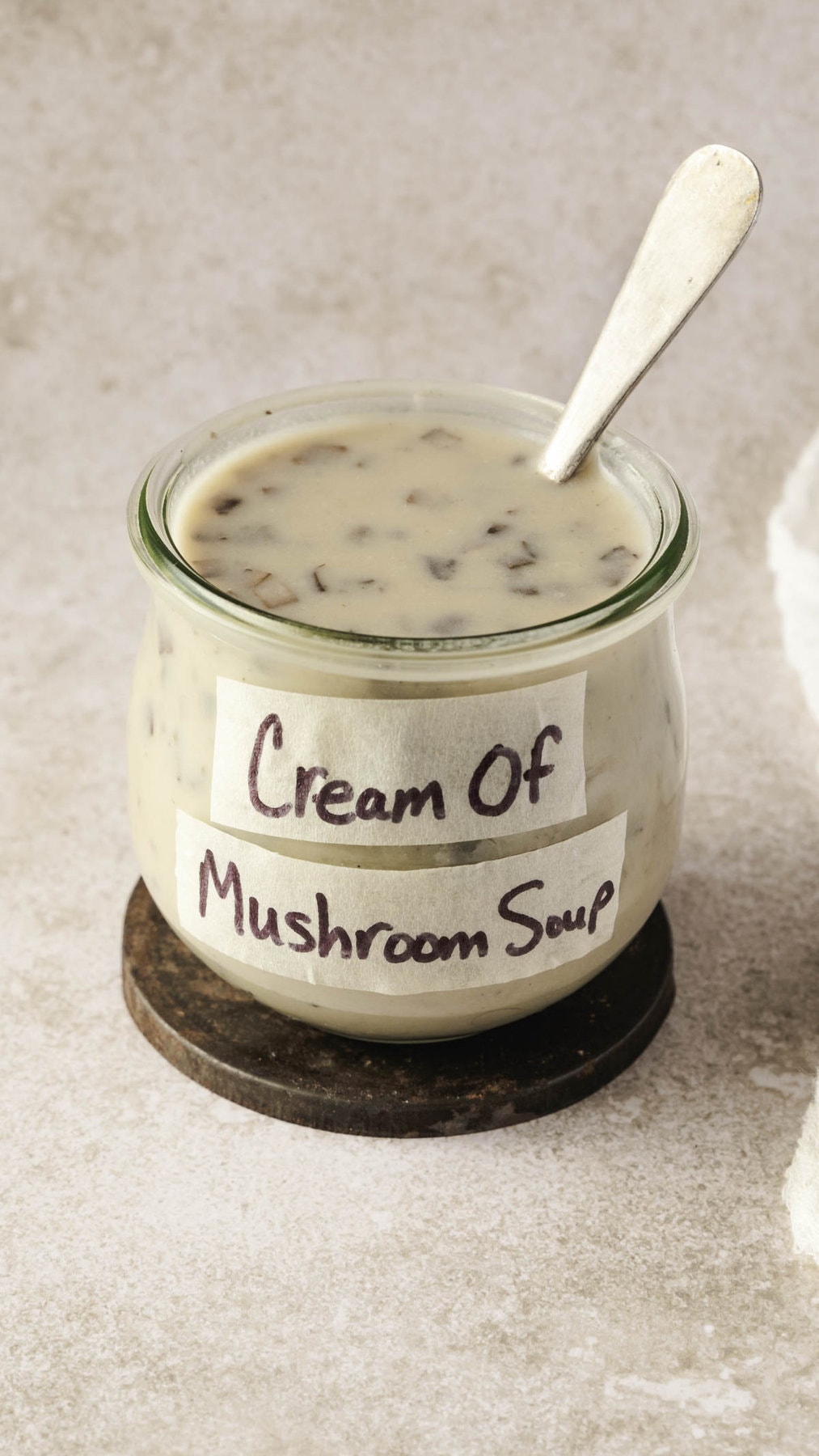
– Condensed cream of mushroom soup is made with mushrooms, milk, and thickened with flour. It was created in the 1930s by Campbell’s Soup Company.
– Cream of mushroom soup does not contain eggs, but may contain trace amounts of eggs through dairy products.
– Check the label of a particular brand of cream of mushroom soup to see if it contains eggs.

Please note that this list only includes relevant information related to the keyword “cream of mushroom soup substitute” and eliminates any duplication.

Continue Reading

Green Mussels vs Black Mussels: Exploring the Differences

– Mussels are a type of bivalve mollusk that filter water to collect algae and food particles, making them environmentally friendly for water cleaning.
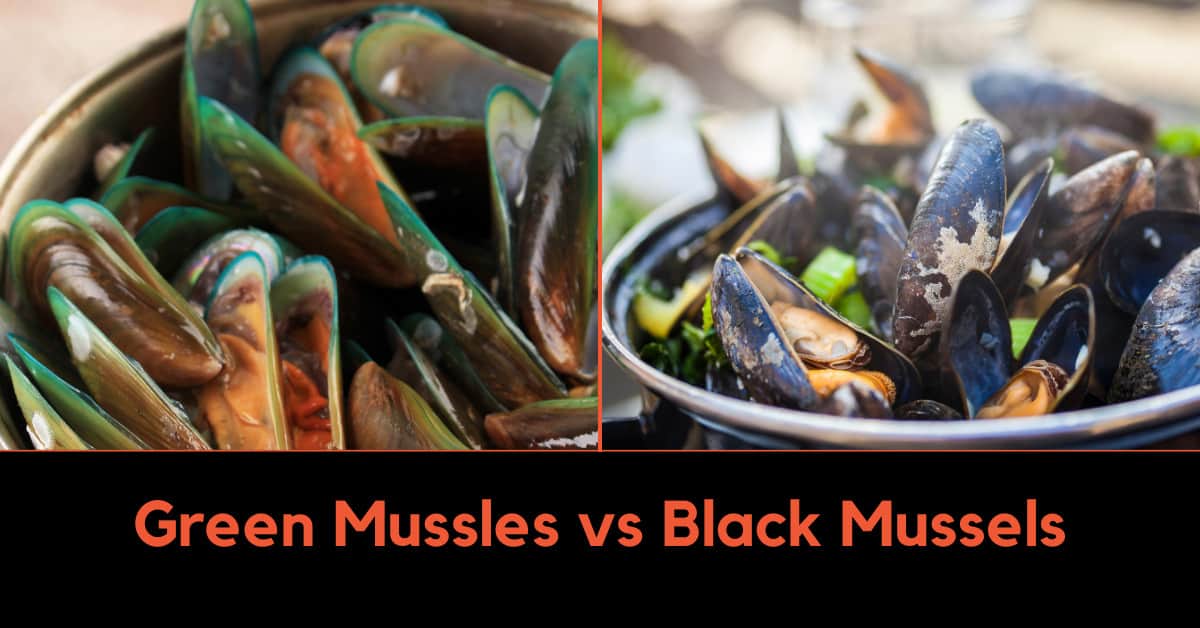
– Green mussels, also known as green-lipped mussels, are a species called Perna canaliculus, while black mussels can be various species including Choromytilus meridionalis and Mytilus trossulus.
– Green mussels are grayish-brown with a hint of emerald green, while black mussels are black or dark blue.
– Green mussels are larger than black mussels, with green mussels reaching up to 6 inches in length compared to black mussels at 3 inches.
– Green mussels are native to the Indo-Pacific region but can now be found along the coasts of North and South America, while black mussels can be found in various locations worldwide.
– Black mussels have a stronger, briny taste while green mussels are milder and more savory.
– Black mussels have a plump, tender texture while cooked green mussels tend to be tougher and chewier.
– Black and green mussels can be used interchangeably in most recipes, with the smaller size of black mussels making them suitable for certain dishes and the larger size of green mussels making them ideal for stuffing, broiling, or grilling on the half shell.
– Zebra mussels, another type of mussel, are considered invasive and have a small size and striped pattern on their shells.
– Mussels are rich in omega-3 fatty acids, protein, and iron, and can be purchased fresh or frozen.
– When shopping for mussels, look for clean, intact, and moist shells, and avoid any with cracks or chips.
– Fresh mussels should smell fresh and oceanic, not fishy.
– Frozen mussels are available in many grocery stores, but check for unnecessary additives or preservatives in the packaging.
– Green mussels and black mussels have similar health benefits and can be a more affordable seafood option.

Continue Reading
How many letters are in the longest Hawaiian word

The Three Longest Words In Hawaiian: What They Mean And How Many Letters They Have

In Hawaiian, there are three words that are longer than any others. These words are “pule,” “hana,” and “olelo.” Each word has a different meaning, but they all share a commonality: they are incredibly long. Pule means “prayer,” hana means “work,” and olelo means “speech.” Each of these words is at least eight letters long, making them the longest words in Hawaiian.

Continue Reading