
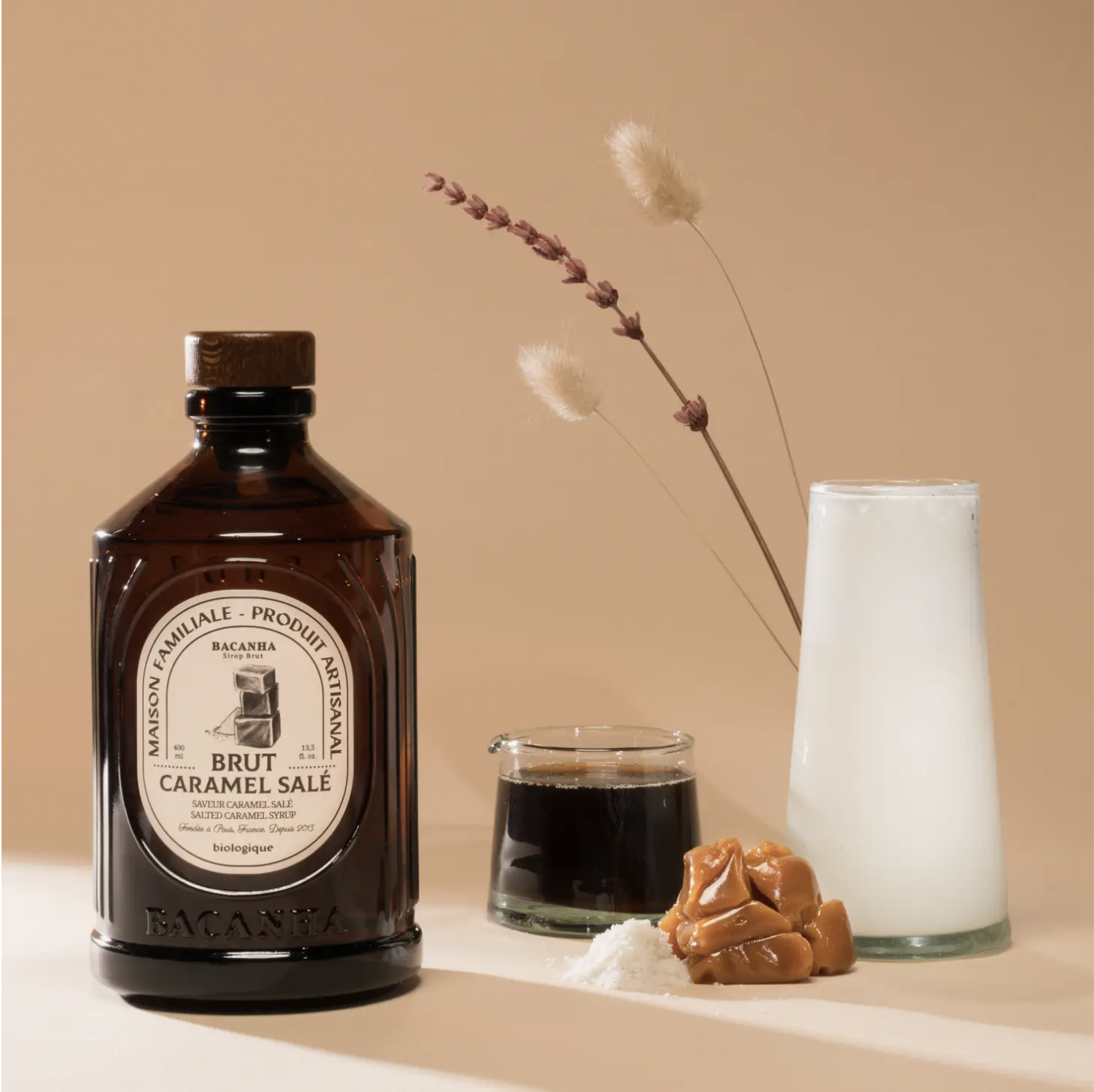
Caramel extract is a concentrated flavoring used to add caramel taste to cakes, cookies, frosting, coffee drinks, sauces, and desserts. Start with a small amount, usually 1/4 to 1/2 teaspoon, because extracts can taste strong if they are added too heavily.
Quick Caramel Extract Guide
| Use | Starting amount | Best note |
|---|---|---|
| Cakes and cupcakes | 1/2 to 1 teaspoon per batch | Pair with vanilla for a rounder flavor |
| Frosting | 1/4 teaspoon, then taste | Add more only after mixing well |
| Coffee drinks | 1 to 3 drops or a tiny splash | Use syrup if you also need sweetness |
| Sauces | 1/4 teaspoon | Stir in near the end for aroma |
| Substitute | Vanilla, maple, or caramel syrup | Adjust sugar and liquid if needed |
What Is Caramel Extract?
Caramel extract is a bottled flavoring that gives food a caramel-like aroma without making actual caramel. It is useful when a recipe needs caramel flavor but not the extra sugar, color, or moisture that comes from caramel sauce or syrup.
Best Uses
Use caramel extract in buttercream, whipped topping, cake batter, cookie dough, brownies, milkshakes, coffee drinks, puddings, and dessert sauces. It works best as a background flavor rather than the only flavor in the recipe. Vanilla, chocolate, coffee, apple, banana, pecan, cinnamon, and maple all pair well with caramel notes.
How Much to Use
Start low. For most home baking, 1/2 teaspoon is enough for a standard cake, cupcake, cookie, or frosting batch. For a single drink or small sauce, use only a few drops at first. If the flavor seems weak after mixing, add a little more instead of pouring in a full spoonful at once.
Caramel Extract vs Caramel Syrup
Caramel extract adds flavor but very little sweetness or body. Caramel syrup adds sweetness, liquid, and sometimes color. Choose extract when you want flavor control in baked goods. Choose syrup when you want a sweet topping, drink sweetener, or drizzle.
Substitutes
- Vanilla extract: the easiest mild substitute when caramel is not required.
- Maple extract: stronger and warmer, so use less at first.
- Caramel syrup: useful for drinks and toppings, but it adds sugar and liquid.
- Caramel sauce: best for drizzling or mixing into frosting, not dry batters.
- Brown sugar and vanilla: helpful when you want a softer caramel-like baking note.
Storage and Label Notes
Keep caramel extract tightly closed in a cool, dark cabinet unless the label says otherwise. Check the ingredient label for alcohol, colors, allergens, and flavoring details, especially when baking for children, guests, or anyone avoiding specific ingredients. For more dessert flavor ideas, see Food Readme’s guides to shaved ice syrup and crushed peppermint.
Sources
FAQ
What is caramel extract used for?
Caramel extract is used to add caramel flavor to baked goods, frosting, drinks, sauces, puddings, and desserts without adding much liquid or sugar.
Can I use caramel syrup instead of caramel extract?
Yes, especially in drinks and toppings, but caramel syrup is sweeter and thinner. Reduce other liquid or sweetener if the recipe is sensitive.
How much caramel extract should I use?
Start with 1/4 to 1/2 teaspoon for many baking recipes, or just a few drops for a drink. Add more only after tasting.
Does caramel extract taste like real caramel?
It gives a caramel-like flavor, but it does not have the same richness, bitterness, sweetness, or texture as cooked caramel sauce.
Does caramel extract need refrigeration?
Most extracts are stored tightly closed in a cool, dark cabinet, but follow the storage directions on your bottle.