How Long Does Cookie Dough Last in the Fridge? Essential Tips for Safe and Delicious Homemade Baking

– Cookie dough can be stored in the refrigerator for 3-5 days in an airtight container.
– Store-bought cookie dough lasts longer due to added preservatives, with an expiration date that can be extended by one week.
– Homemade dough should be used within 3-5 days but may last up to one week.
– Signs of spoiled dough include visible mold, off smells, and hard or discolored edges.
– Freezing dough is possible for both store-bought and homemade, with a shelf life of two months in the freezer.
– Frozen cookies can be stored in the freezer for 8-12 months.
– Cookies can be baked directly from their frozen state, but may require a few additional minutes of baking time.
– If freezing a log of cookie dough, it is advised to let it thaw slightly in the fridge before slicing.
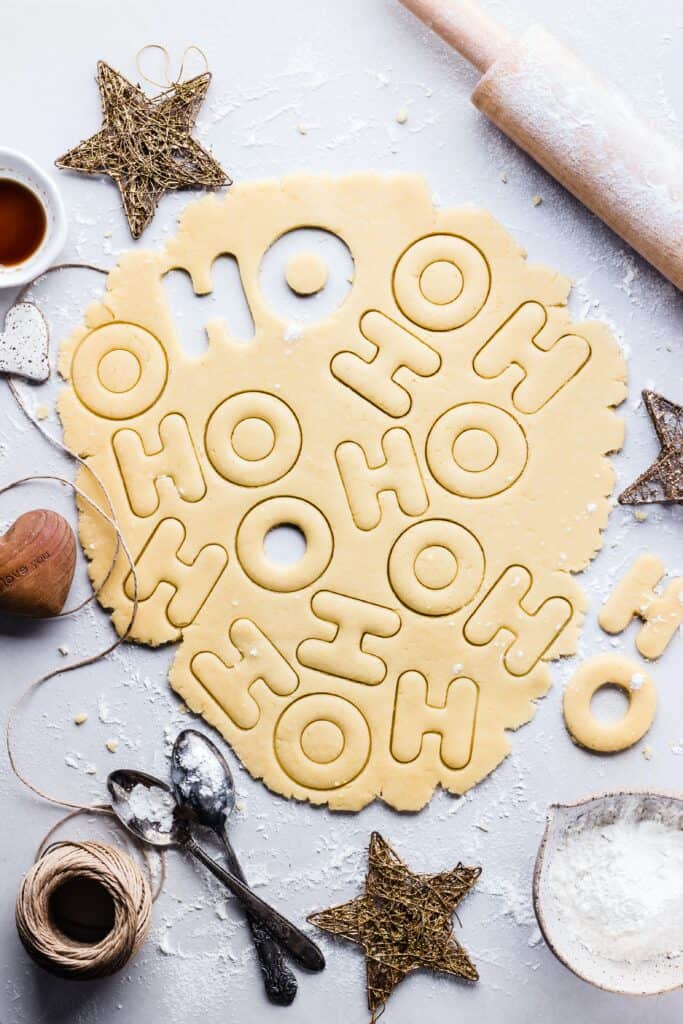
– For cut-out cookies, the dough can be rolled out and frozen in sheets separated by parchment paper in zip-top bags.
– When ready to bake, a sheet can be pulled from the freezer, thawed a bit in the fridge, and the cookies can be cut out and baked.

Continue Reading

How long is guacamole good for? Shelf life, storage, and spoilage tips

– Guacamole can last up to 1-3 days if homemade and up to 5-7 days if store bought when stored in the refrigerator.
– Unrefrigerated guacamole should not be left out for more than 2 hours.
– Unopened store bought guacamole should be refrigerated and not consumed if left out overnight.
– Guacamole turns brown due to oxidation, but the brown layer can be removed and the rest can still be eaten.
– Store bought and homemade guacamole can both go bad if it turns brown, becomes gray, has a layer of liquid or mold growth on top, or has a bad smell.
– Eating bad guacamole can result in food poisoning symptoms, including upset stomach, organ failure, and even death.
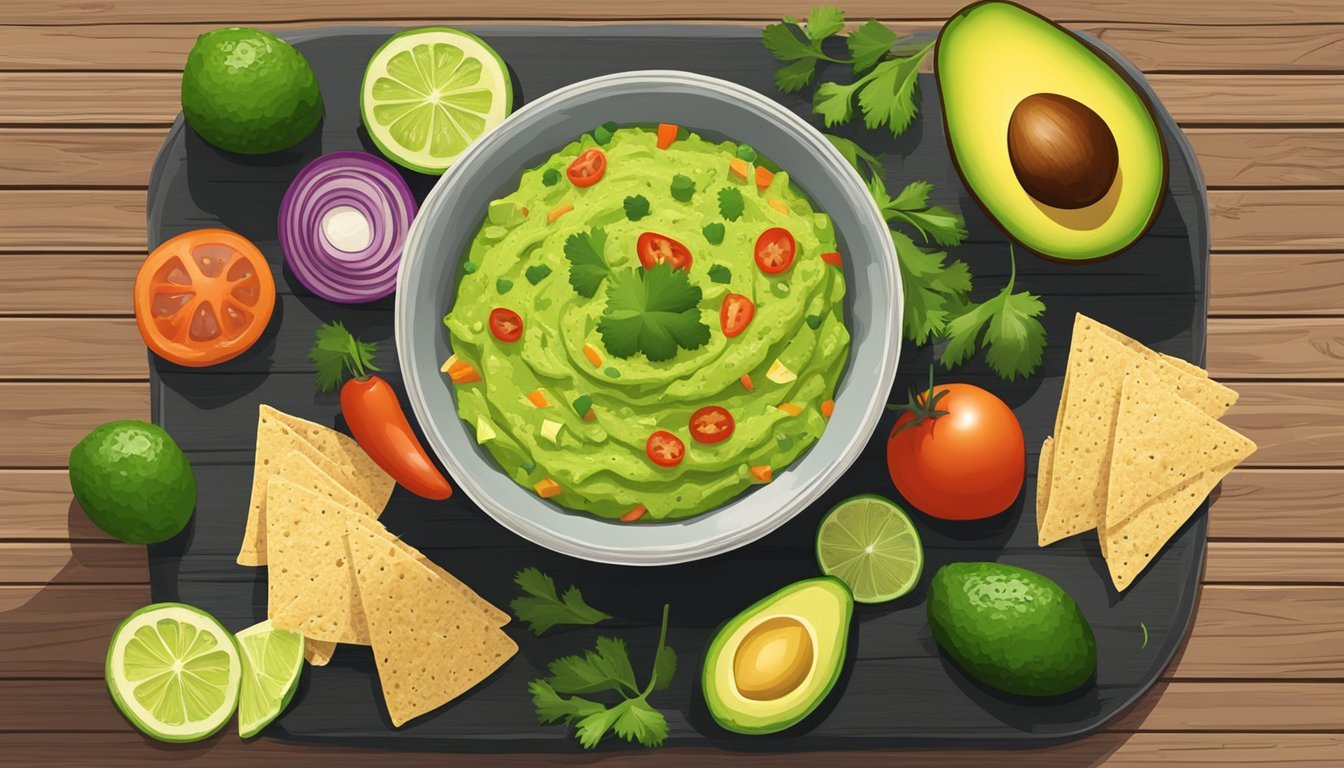
– To store guacamole and prevent browning, it should be kept airtight with tight plastic wrap or in a container with an airtight lid.
– Adding lemon or lime juice to the top or using the avocado pit and plastic wrap can help keep guacamole green.
– Both homemade and store-bought guacamole can be frozen for up to six months.
– To thaw frozen guacamole, it can be placed in a container and left in cold water.

Continue Reading

Can you microwave Ziploc bags? Safety and guidelines

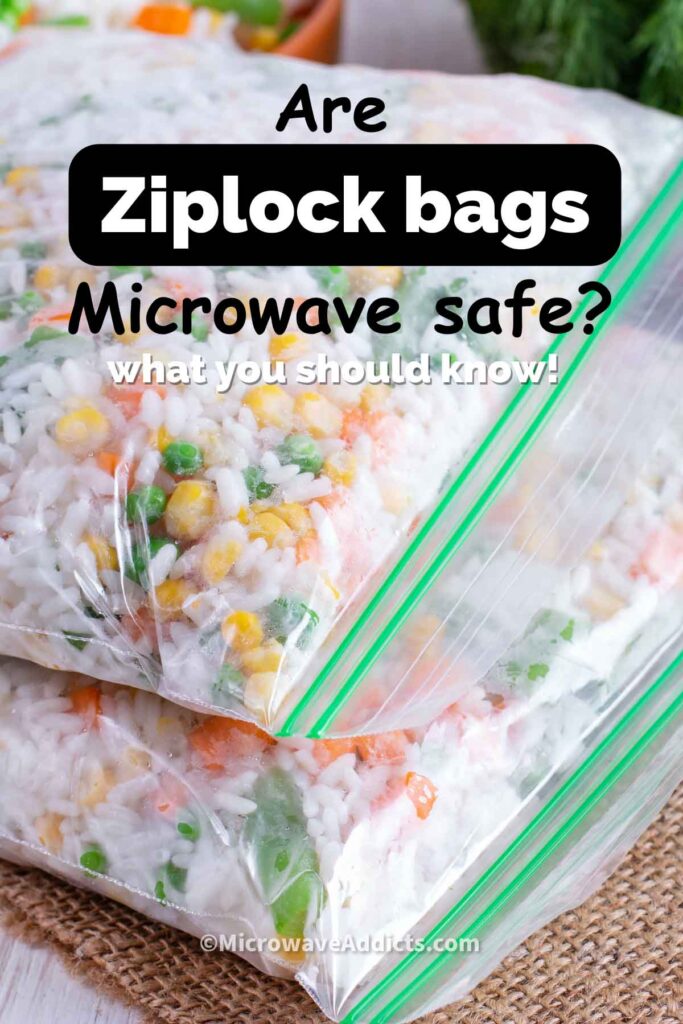
– The article discusses whether Ziploc bags can be used in the microwave.
– Ziploc bags can be used as a microwave cooking bag.
– One suggested recipe using Ziploc bags is microwave corn on the cob.
– Ziploc bags are microwave safe.
– When steaming food in a Ziploc bag, caution should be taken as they can get very hot and release steam quickly.
– Only bags labeled as microwave safe, such as Ziploc bags, can be used in the microwave.
– Other plastic bags, like supermarket carrier bags, are not safe for microwaving.
– Vacuum-sealed bags designed for cooking, such as those used in sous vide machines, can also be microwaved.
– The author uses Ziploc bags for various cooking purposes, including storing leftovers and reheating food in the microwave.

Continue Reading

Discover the Perfect Aperol Substitute: Enhancing Your Cocktail Experience

– Aperol and Campari are popular Italian aperitifs used in cocktails like Aperol Spritzes and Negronis.
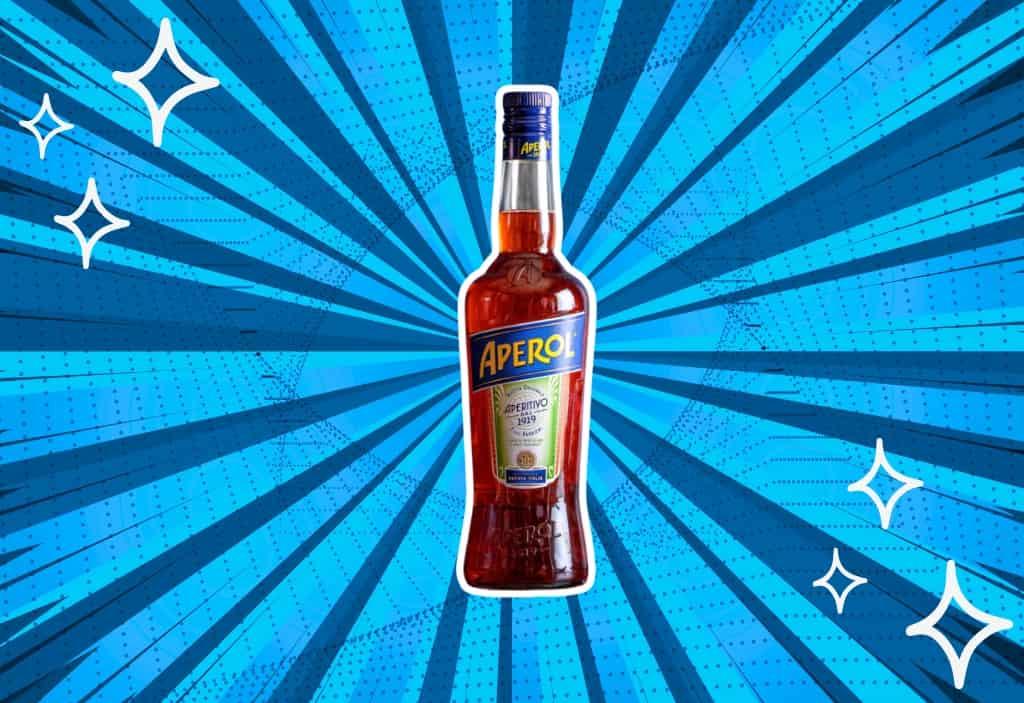
– Aperol is orange in color and has a lower ABV of 11%. It is made with bitter rhubarb, gentian root, cinchona, and other fruits and plants, giving it a citrusy aroma with a bit of vanilla and pleasant sweetness.
– Campari is red in color and has a higher ABV of around 28%. Its exact recipe is a secret, but it is known to contain intense orange peel, rhubarb, and bark flavors.
– Campari is considered a classic Italian bitter liqueur and is used in cocktails like the Americano, Boulevardier, and Negroni.
– Aperol is referred to as a “Campari with training wheels” due to its sweeter and less bitter taste, making it more beginner-friendly.
– Both Aperol and Campari are owned by the Campari Group.
– Bartenders use Campari to add depth, body, bitterness, and sweetness to cocktails. It has a deeper herbal and orange peel flavor. Campari pairs well with strong spirits like gin and bourbon but can overpower other ingredients. Campari can be used with spices, bitters, and even balsamic vinegar to create interesting combinations.
– Aperol is commonly used in the Aperol Spritz, which consists of Aperol, Prosecco, and club soda. It is refreshing and showcases Aperol’s citrusy aromas. Aperol’s sweetness can complement sweet-and-sour fruits and add complexity to juicy drinks. It can also be used in cocktails like the Paper Plane, where it provides a hit of sweetness with bourbon and bittersweet liqueur.
– Aperol spritz is a popular summer drink with a sweet, light, and slightly bitter flavor.
– The classic ratio for an Aperol spritz is 3 parts prosecco, 2 parts Aperol, and 1 part soda water.
– Aperol spritz is enjoyed worldwide and is considered a staple of apertivo culture.
– There are alternatives to Aperol spritz that can provide a cold, crisp, and effervescent drink.
– These alternatives include crimson, bitter cousins of Aperol, herbaceous amari, and zippy, citrus-forward liqueurs.
– By swapping out Aperol for an equal measure of these alternatives, you can create a new take on the spritz drink.

Continue Reading

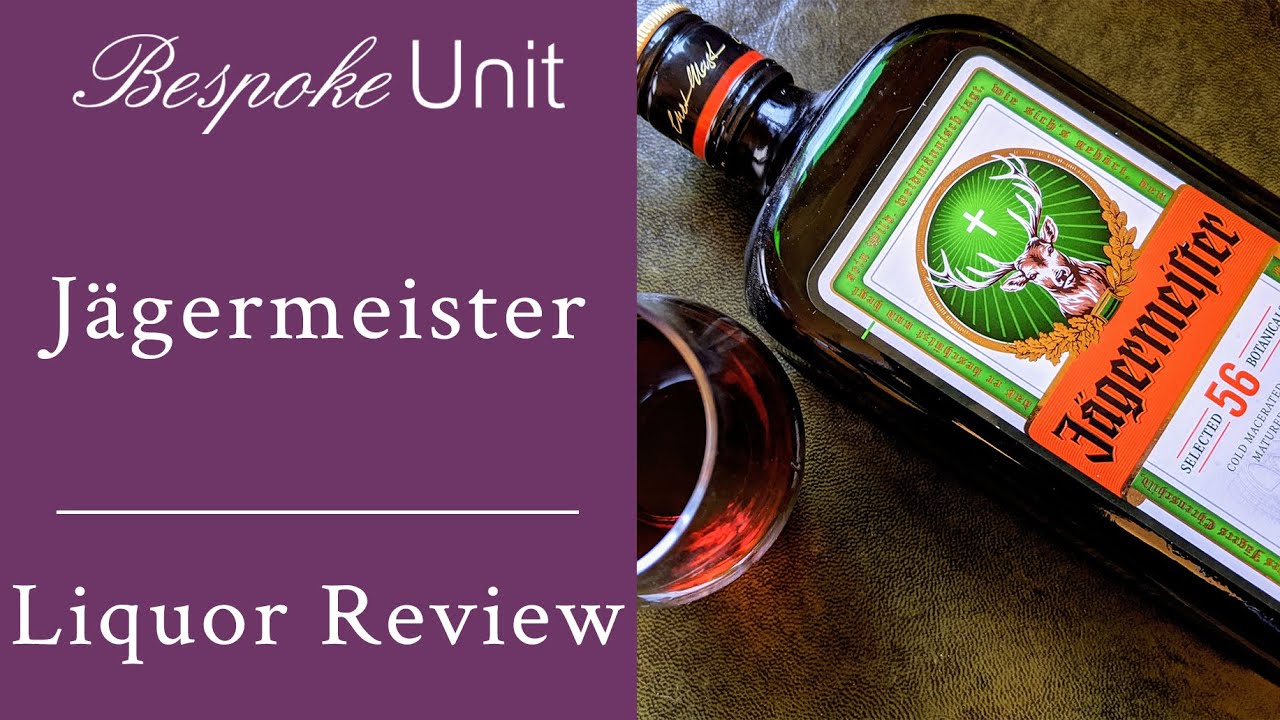
What Does Jagermeister Taste Like: A Flavorful Exploration

– Jägermeister has a unique flavor that many people compare to black licorice or anise.
– It is sweet and syrupy.
– People either love or hate the taste, with rarely a middle ground.
– Jägermeister can be enjoyed on its own or mixed in cocktails.
– Mixing Jägermeister with other ingredients can potentially change the flavor.
– It is used to clear the palate and soften flavors.
– Some people add sugar to sweeten the drink, but it also makes the herbal flavor stronger.
– Jägermeister can be mixed with grapefruit juice to create a tangy and sweet cocktail.
– Mixing Jägermeister with hot water and milk creates a drink similar to herbal tea.
– Jägermeister can be combined with Kahlua, Grenadine, and Vodka for a strong and sweet flavor.
– A popular Jägermeister drink in the US is Jager bomb, which is a mix of Jägermeister and Red Bull for an energy drink with alcohol.
– The taste of Jägermeister is often compared to root beer but stronger, with a bitter aftertaste.
– It is made with sugar syrup from beets and cane molasses, as well as anise, which gives it a black licorice taste.
– The smell of Jägermeister is a blend of spice and sweetness, with floral and fruity notes.
– Jägermeister is 35% alcohol and is often enjoyed neat or on the rocks as a digestif.
– Jägermeister is not made with deer blood and is considered vegan-friendly.
– It is sometimes believed to have health benefits for digestion.
– Jägermeister can be served cold or warm, depending on personal preference.

Continue Reading
How many 2 oz cups are in 36 oz

How Many Cups Are In 36 Ounces?

If you ask anyone the common conversion rate for cups to ounces, they will most likely say eight. However, this is not always the case. In the United States, a cup is typically equal to eight fluid ounces (237 ml), but in other countries, like the UK, a cup is equal to only six fluid ounces (180 ml). So how many cups are in 36 ounces? The answer is 4.5 cups in the US and 6 cups in the UK.

Continue Reading