Celery Seed vs Celery Salt: Unveiling Hidden Flavors

– Celery seed and celery salt are different spices commonly used in cooking
– Celery seed comes from the seeds of wild celery and provides health benefits such as lowering blood pressure
– Celery salt is a combination of celery seeds and table salt, adding a hint of salty and celery flavor to food
– Celery seeds can be added to salads but celery salt may make it too salty
– Celery salt can be used in foods like potato salads and coleslaw
– Whole and ground celery seed have different textures and tastes
– Ground celery seed is best for making sauces or smoothies
– Whole celery seeds retain their flavor for up to 6 months and can be ground using a spice grinder
– The taste of celery seed and celery salt is the same, but celery salt has the added saltiness
– Celery seed contains dietary fiber, antioxidants, vitamins (K, C, and A), and minerals (zinc, iron, and calcium)
– Celery salt contains these benefits in smaller amounts but also has sodium content
– Celery seed can be used in creamy salad dishes, tomato recipes, brine and pickle blends, meat marinades, and as a substitute for celery in various dishes
– Celery salt can be used with adjusted salt levels in recipes that call for celery seed
– Substituting celery seed for celery salt is possible, but not the other way around
– Celery seed has a similar taste and aroma to celery stalks and can be used as a substitute for them in recipes
– Celery salt also has a celery taste but with added saltiness
– Ground celery seed is more bitter than whole celery seed
– Celery seed can be used in a variety of dishes, including fried chicken, celery seed dressing, and homemade stuffing

Continue Reading

Tamari Substitute: Exploring Flavorful and Healthier Alternatives

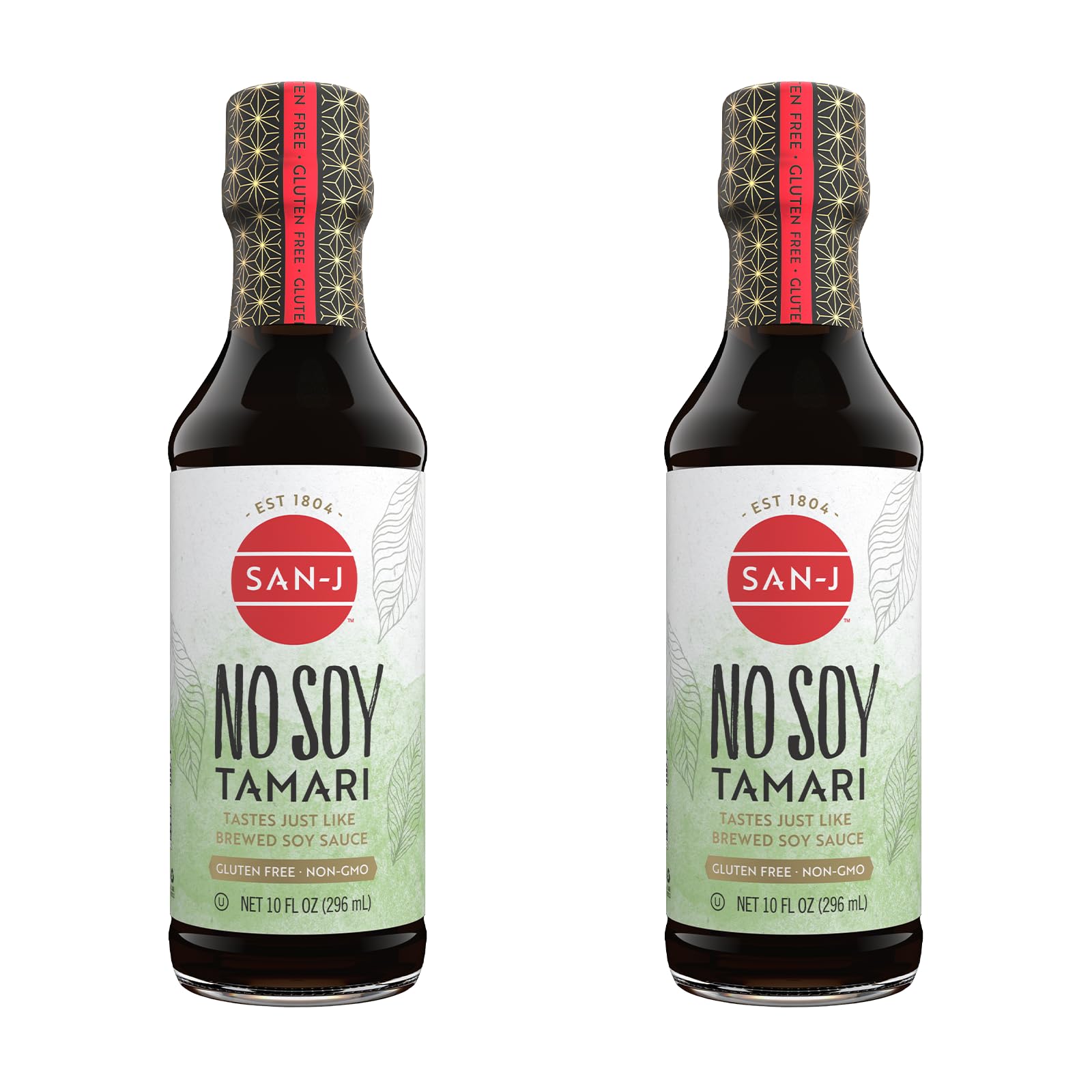
– Tamari is a Japanese type of soy sauce that contains little to no wheat
– Tamari is a gluten-free substitute for soy sauce
– Tamari has a richer, more savory flavor compared to soy sauce
– The best tamari substitutes are soy sauce, coconut aminos, liquid aminos, and fish sauce
– Coconut aminos can be used as a 1:1 substitute for tamari, but may require more for desired taste due to its lower saltiness
– Liquid aminos, which contains soy, can be used as a substitute for tamari
– Fish sauce can be used as a tamari substitute, but it is much stronger and should be used in lesser amounts
– Salt can be used as a simple substitute for tamari, providing a cleaner flavor
– Miso paste can be used as a substitute for tamari and should be mixed with water before using
– Anchovies can add savory saltiness and depth of flavor to dishes.

Continue Reading

Discover the Best Liquid Smoke Substitute: Unleashing Flavorful Solutions

1. Chipotle Powder: Made from smoking dried and crushed chili peppers, chipotle powder is spicier than liquid smoke. Use half the amount of chipotle powder compared to the amount of liquid smoke called for in a recipe.

2. Smoked Paprika: Also known as Spanish paprika, smoked paprika is made by drying peppers and smoking them with oak wood. Choose the heat level of smoked paprika according to personal preference. Use half the amount of smoked paprika compared to the amount of liquid smoke called for in a recipe.

3. Smoke Machine: Burn wood chips in a smoke machine to produce a similar smoke flavor. Use one tablespoon of smoke from the machine to replace one tablespoon of liquid smoke.

4. Smoked Salt: Regular salt can be smoked with aromatic woods such as mesquite, applewood, or oak to create smoked salt. Sprinkle smoked salt on sweet and savory dishes or add it to sauces. Use one tablespoon of smoked salt to replace one tablespoon of liquid smoke.

5. Smoked Tea: Lapsang souchong, a smoked tea made by drying and smoking Camellia Sinensis leaves on a pinewood fire, can be used in meat and vegetable-based dishes. Crush the leaves and mix them with spice blends or boil the leaves, strain the mixture, and add it to soups and stews. Use one tablespoon of smoked tea to replace one tablespoon of liquid smoke.

6. Charcoal: Burn a piece of charcoal on a stove and transfer it to a bowl once it starts smoking. Place the bowl in a container with the food and cover it with a lid to allow the food to absorb the smoky flavor. Use one charcoal piece as a substitute for one tablespoon of liquid smoke.

7. Canned Chipotle Peppers: Add a smoky aroma and taste to dishes by using canned chipotle peppers. Replace one tablespoon of liquid smoke with one tablespoon of canned chipotle pepper sauce.

8. Smoked Meats: Instead of using liquid smoke, purchase smoked meats from butchers to enjoy the smoky flavor in cooked dishes.

9. Wood Chips: Wood chips can be burned to produce smoke in different flavors such as hickory, apple, or pecan. Use half to a quarter tablespoon of wood chips to replace one tablespoon of liquid smoke.

10. Burnt or Overcooked Bread: Turn burnt or overcooked bread into a powder to create homemade liquid smoke. Two burnt bread slices can produce enough powder for a recipe.

11. Smoked Gouda: Use smoked gouda cheese as a substitute for liquid smoke in recipes that require cheese.

12. Infused Vegan Proteins and Vegetables: Look for rare vegan proteins and vegetables with distinct smoky flavors to substitute for liquid smoke in vegetarian dishes.

Note: This revised list only includes relevant substitutes for liquid smoke and removes any duplication.

Continue Reading

Butter Flavoring: Exploring its Origins, Safety, and Usage

– Butter flavor is commonly found in ice creams, microwave popcorn, and other grocery store foods.
– The flavor is created by isolating compounds like diacetyl, acetyl propionyl, or acetoin.
– These compounds can be sourced from butter, soybeans, or other oils.
– Mixing these compounds with water and other ingredients creates a rich buttery flavor.
– In the 2000s, the government identified dangers of improper handling of large quantities of butter flavor by workers.
– These issues have been addressed and corrected.
– The federal government has stated that consumers can enjoy butter flavor without much worry.
– Many grocery store foods use butter flavorings instead of real butter.
– Butter extract is a flavoring used in cooking that mimics the taste of butter.
– Butter extract can be found in most grocery stores and is commonly used in baking.
– It does not contain lactose and can be used before or after cooking.
– Butter extract can be substituted with other flavorings such as vanilla.
– A homemade version of butter extract can be made by boiling butter and water and straining the liquid.
– Butter is the closest substitution for butter extract and is commonly used in various recipes.
– European style or cultured butter can have a high fat content.
– Vanilla extract is made from vanilla beans and alcohol, with the flavor becoming richer with more alcohol.
– The best vanilla extract is made solely from beans without any additives.
– Olive oil is made from pressing fresh olives and is considered to be a healthier fat.
– Olive oil can be used as a substitute for butter extract in multiple food preparations.
– Different grades of olive oil have varying intensities of flavor.
– Choosing a higher grade olive oil can provide a stronger flavor.
– Canola oil is a favorite cooking oil worldwide and can be used for high-heat cooking such as frying, baking, and sautéing.
– Almond extract is produced from bitter almonds mixed with ethyl alcohol and is commonly used in baked goods or desserts.
– Almond extract pairs well with fruits but should be used sparingly due to its intense flavor.
– Butter is often blamed for contributing to heart disease due to its high saturated fat content.
– Studies suggest that butter can promote better health when used in moderation.
– Grass-fed butter is considered to have a higher nutrient content compared to butter from cows fed processed diets.
– There are many substitutes for butter extract that can achieve the same purpose and enhance the taste of meals.

Continue Reading

Discover the World of Flavors with Flavacol: An Educational Journey into Seasoning Techniques

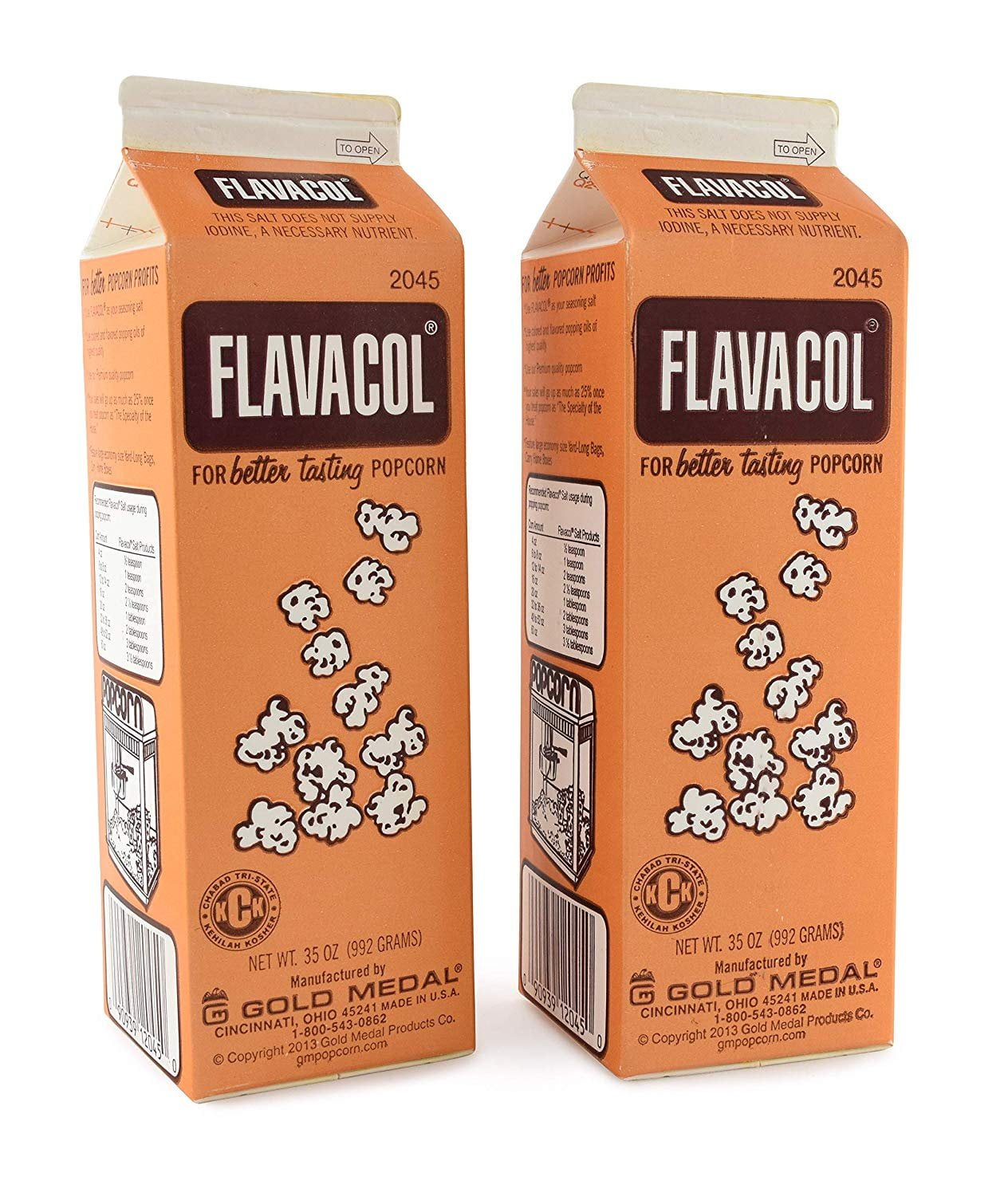
Flavacol is a seasoned salt that sticks to popcorn.
Adding Flavacol to oil before popping popcorn improves coverage.
Flavacol adds buttery flavor and bright yellow color to popcorn.
Flavacol is a fine flake salt that requires only a small amount.
It has less sodium compared to other brands.
The “Alberger Process” removes bitter tasting minerals.
Flavacol is made with Yellow #5 and #6 to produce bright color.
The net weight of Flavacol is 35 oz. (992 grams).
Flavacol is Kosher and Pareve Chabad Tri-State Kehilah Kosher certified.
Recommended usage of Flavacol with different amounts of popcorn.
Ingredients include salt, artificial flavor, FD&C Yellow #5 and Yellow #6.
Each serving of Flavacol has 0 calories, 0g fat, 2740mg sodium, 0g carbohydrate, and 0g protein.
The container of Flavacol has 141 servings.

Continue Reading

Onion Powder vs Onion: Unveiling the Flavorful Differences

– Onion powder is made from dehydrated onions that are ground into a powder.
– Onion powder can be made from white, yellow, or red onions, and can include the bulb, stems, roots, or skins.
– Onion powder is different from onion salt, and they cannot be used interchangeably.
– Onion powder can be found in seasoned salt or spice mixes, and it can be bought in supermarkets or made at home.
– To make homemade onion powder, you need a food dehydrator (or oven), blender (or food processor), clean jars, and onions.
– The process involves cutting and peeling the onions, slicing them thinly, dehydrating them at high temperature, and grinding them into a powder.
– Onion powder is made from ground dehydrated fresh onion and still retains the aroma of fresh onions.
– It can be used to enhance the onion flavor in savory dishes such as soups, stews, pizzas, pasta, sauces, and dippings.
– Onion powder can also be used to season or dry rub meats, providing a fuller onion flavor.
– In terms of texture, fresh onions are bulky and coarse, while onion powder is smooth and powdered.
– When added to dishes, fresh onions maintain their texture, while onion powder blends well and does not affect the smoothness of sauces or dippings.
– Onion powder is a cost-effective solution for those on a budget.
– Fresh onions have a higher water content (89%) compared to onion powder and can add moisture to dishes.
– Onion powder, being dried and fine, can quickly burn if used in fried dishes.
– Fresh onions have a coarse and fibrous texture after cooking, while onion powder blends completely into dishes.
– The pungent flavor of raw onions can cause tears, while onion powder has a more concentrated flavor and a touch of sweetness.
– Both fresh onions and onion powder are versatile in various recipes, but fresh onions can be eaten raw or used to make pickles, while onion powder is better for dry rubs and increasing oniony flavor.
– The shelf life of fresh onions is shorter due to their high water content, while onion powder has a longer shelf life due to the dehydration process removing all water content and reducing bacteria growth.
– Onion powder can be safe for up to 4 years when stored in sealed jars away from heat and sunlight.
– The controlling level of flavor is easier with fresh onions as you can choose the specific type, whereas store-bought onion powder may not specify the type of onions used.
– Homemade onion powder allows for more control over flavor.
– In terms of nutrition, 100 grams of onion powder has higher levels of nutrients compared to fresh onions, including calories, carbohydrates, potassium, and sodium.
– Both fresh onions and onion powder have health benefits such as improving blood sugar, enhancing bone health, boosting the digestive system, reducing the risk of cancer, and improving heart health.
– Onion powder is easier to digest for some people and can help fight bacteria, such as Helicobacter pylori, which may cause stomach cancer.
– Onion powder is a suitable substitute for fresh onions in cooking when only the flavor of onions is required.

Continue Reading