What Does Hibiscus Taste Like? Discover This Exotic Floral Infusion

– Hibiscus is a red tropical flower
– It is used to make herbal tea
– The petals are dried and steeped in water
– It has a tart flavor with a hint of fruitiness
– It is native to West Africa
– It is also found in other regions such as Asia and the Middle East
– It has medicinal benefits, including lowering blood pressure and managing weight
– The taste of hibiscus is sour with floral or fruity undertones
– It is similar to tart fruits like pomegranate or cranberry
– Steeping the flowers for too long can make them bitter
– Hibiscus is rich in Vitamin C and antioxidants
– It can be eaten straight from the plant or brewed into tea
– Hibiscus tea is a popular way to consume hibiscus
– A recipe for making hibiscus tea is provided
– Lime juice and honey can be added for flavor
– It can be used to make sorbet
– It can be added to cocktails and dishes for taste and visual appeal
– Hibiscus has a subtle flavor and mild fragrance
– The author’s personal experience of making hibiscus tea is shared
– The author notes that it tastes sweet even without adding sugar

Continue Reading

How Hot is Wasabi? The Scoville Scale Explained

– Wasabi, also known as Japanese horseradish, is a popular root vegetable with a unique flavor profile that combines spiciness with a subtle sweetness.
– True wasabi is rare and expensive, with many commercial products being made from a mixture of horseradish, mustard, and food coloring.
– The spiciness of wasabi comes from compounds known as isothiocyanates, which are released when the rhizome (underground stem) of the plant is grated or crushed.
– Wasabi has a Scoville rating of around 30,000 to 50,000, making it relatively mild compared to the hottest chili peppers.
– The most prevalent isothiocyanate in wasabi is allyl isothiocyanate.
– The perception of how hot wasabi is can vary from person to person.
– Tips for enjoying wasabi without overwhelming your taste buds include using real wasabi instead of fake versions, starting with a small amount, mixing it with soy sauce or dipping sauce to mellow the spiciness, chewing food thoroughly to evenly spread the heat, and drinking water or milk for relief.
– Variations of wasabi include the authentic Wasabia japonica plant root paste and other similar flavors in the market.
– Wasabi is a traditional condiment made from the root of the Wasabia japonica plant.
– True wasabi has a smooth and nuanced flavor.
– Commercially available wasabi products often use a blend of horseradish, mustard, and green food coloring as a substitute for true wasabi.
– Wasabi powder is made from dehydrated and ground horseradish, mustard, and sometimes other ingredients. It is more accessible and affordable than real wasabi.
– Wasabi peas are a popular snack that is coated with a wasabi-flavored glaze.
– Wasabi mayonnaise is a fusion variation that mixes wasabi paste or powder with mayonnaise.
– Wasabi soy sauce is made by adding wasabi paste or powder to soy sauce.
– The intensity of the wasabi flavor can vary, so adjust the amounts to suit personal preference.
– Wasabi can be paired with sushi, sashimi, tempura, and rice dishes to add a spicy and flavorful element to the food.
– Wasabi is known for its health benefits and unique flavor profile.
– The Scoville scale measures the heat or spiciness of chili peppers and other spicy ingredients.
– Fresh wasabi has a Scoville rating of around 30,000 to 50,000 Scoville heat units.
– The heat in wasabi comes from isothiocyanates, with allyl isothiocyanate being the most prevalent compound.
– The perception of how hot wasabi is varies from person to person.
– Factors such as taste preferences, tolerance for spicy foods, and sensitivity to pungent flavors can influence how hot wasabi feels.
– Traditional wasabi is made from the grated root of the Wasabia japonica plant, but there are variations of wasabi in the market.
– True wasabi has a smoother and more nuanced flavor compared to other variations.
– Horseradish-based wasabi can be quite spicy and closely resembles the pungency of real wasabi.
– Wasabi powder is made from dehydrated and ground horseradish, mustard, and sometimes other ingredients. It is reconstituted with water to form a paste similar to the traditional version.
– Wasabi powder is more accessible and affordable than real wasabi.
– Wasabi peas are a popular snack made by coating green peas with a wasabi-flavored glaze.
– Wasabi mayonnaise is a fusion variation that mixes wasabi paste or powder with mayonnaise, often used as a dressing or dip.
– Wasabi soy sauce is made by adding wasabi paste or powder to soy sauce, providing a spicy kick to the dipping sauce used with sushi and sashimi.
– Intensity of the wasabi flavor can vary, so adjust amounts to personal preference.
– Pairing wasabi with different foods can enhance the dining experience.
– Wasabi is commonly paired with sushi, sashimi, tempura, and rice dishes.
– Wasabi can be added to rice dishes, noodle dishes, meat dishes, and cheese and crackers for a zesty flavor twist.
– Wasabi contains bioactive compounds called isothiocyanates, which have antioxidant and anti-inflammatory properties.
– These compounds can help neutralize free radicals, reduce oxidative stress and inflammation, and potentially have anti-cancer effects.
– Wasabi’s pungent flavor can stimulate salivary and gastric secretions, aiding food digestion.
– Isothiocyanates in wasabi may promote heart health by reducing blood pressure, improving blood flow, and lowering the risk of cardiovascular diseases.
– The antioxidants in wasabi can boost the immune system and protect against infections.
– Wasabi’s spiciness can have a decongestant effect, alleviating nasal congestion and respiratory issues.
– Moderation is emphasized for both culinary enjoyment and potential health advantages.

Continue Reading

The Science Behind Root Beer Flavor: A Delectable Discovery!

– Root beer originated as a non-alcoholic alternative to beer and was traditionally flavored with sarsaparilla root and sassafras root.
– The oil derived from sassafras and sarsaparilla, called safrole, is a carcinogen and has been banned by the FDA.
– Most modern-day root beer producers use flavorings that do not contain sarsaparilla or sassafras.
– The origins of root beer can be traced back to indigenous populations in early America.
– Native people used different parts of the sassafras tree to create medicinal tonics and cuisines.
– Recipes for root beer were learned by colonists who settled in the Americas.
– Root beer became popular among 18th-century farmers and was prepared for social events and celebrations.
– Early root beer ingredients included sassafras root, sarsaparilla, dandelion root, guaiacum chips, and dog grass.
– The process of making early root beer involved boiling water, adding sweeteners like molasses or maple syrup, and yeast.
– Charles Hires developed the first commercial root beer recipe in 1875 while on his honeymoon. The recipe contained 16 ingredients and cost 25 cents for a package that could make five gallons of the drink.
– Hires later created a liquid concentrate of the root beer, using nearly 30 different herbs, berries, and roots.
– Other root beer brands emerged, including Barq’s in 1898, A&W in 1919, Dad’s Old Fashioned in the late 1930s, and Mug in the 1940s. A&W is currently the top-selling root beer brand worldwide.
– Root beer flavors can vary widely, with some brands having a spicier and more bitter taste.
– The traditional root beer flavor includes wintergreen, vanilla, anise, and herbal, earthy notes.
– Additional ingredients that have been used in root beer include allspice, burdock root, yellow dock root, ginger root, juniper berries, wild cherry bark, birch bark, anise, and lemon.

Continue Reading

Discover the Health Benefits of Low Sodium Hot Sauce: An Exciting, Flavorful, and HeartFriendly Condiment for Conscious Eaters

List of Pertinent Information for the Keyword ‘low sodium hot sauce’:

– Many hot sauce brands contain high levels of sodium, up to 410mg per teaspoon.
– The American Heart Association recommends limiting sodium intake to 2,300 milligrams or less per day to avoid high blood pressure and heart disease.
– Choosing low sodium hot sauce can help you stay within recommended sodium limits without sacrificing flavor or heat.
– When choosing a low sodium hot sauce, aim for less than 140mg of sodium per serving.
– Be mindful of portion sizes, as many hot sauces have small serving sizes.
– Some hot sauces may contain unnecessary ingredients like artificial colors and preservatives, including sodium benzoate.
– There are concerns about the potential harmful effects of sodium benzoate, but the small amount found in food is not a major cause for concern.
– The article lists Lola’s Trinidad Scorpion Fine Hot Sauce as the lowest sodium option, with less than 140mg of sodium per serving.
– Low Sodium Hot Sauce: Estimated to have a very low carbon footprint and a very low water footprint. Contains red jalapeno puree, lime juice, vinegar, garlic, and Trinidad scorpion pepper mash. Each 1-tsp serving provides 10mg of sodium. No added sugar. Certified gluten-free.
– Nitro Records Gringo Bandito Hot Sauce: Estimated to have a very low carbon footprint and a very low water footprint. Contains white vinegar, water, habanero peppers, jalapeno peppers, red Japanese chili peppers, salt, spices, and xanthan gum. Each 1-tsp serving provides 25mg of sodium. No added sugar.
– Melinda’s Habanero Honey Mustard Pepper Sauce And Condiment: Estimated to have a very low carbon footprint and a very low water footprint. Contains habanero pepper mash, water, habanero pepper, honey, white vinegar, white onion, mustard flour, sugar, turmeric powder, salt, and xanthan gum. Each 1-tsp serving provides 35mg of sodium.
– Tabasco Pepper Sauce: Estimated to have a very low carbon footprint and a very low water footprint. May contain allergens such as milk, tree nuts, and peanuts. Made with distilled vinegar, red pepper, and salt. Each 1-tsp serving provides 35mg of sodium. No artificial flavors or additives.
– Siete Family Foods Jalapeno Hot Sauce: Estimated to have a very low carbon footprint and a very low water footprint. Contains water, jalapeno pepper, avocado oil, apple cider vinegar, pumpkin seeds, garlic, sea salt, tomatillo, flax seeds, quillaja extract, chia seeds, and turmeric. Each 1-tsp serving provides 45mg of sodium. Mild/medium heat. No sugar added.
– Yai’s Thai Chili Garlic Hot Sauce: Estimated to have a very low carbon footprint and a very low water footprint. Made with water, Thai chilis, garlic, lime juice, vinegar, shallots, sunflower oil, and sea salt. Each 1-tsp serving contains 40mg of sodium. Extra hot. No sugar added. Gluten-free.
– Sriracha Hot Chili Sauce: Estimated to have a very low carbon footprint and a very low water footprint. Made with chili, sugar, salt, garlic, distilled vinegar, potassium sorbate, sodium bisulfite as preservatives, and xanthan gum. Each 1-tsp serving provides 80mg of sodium. Medium heat. Contains added sugar and preservatives.
– Mezzetta Sauce Hot California Habanero: Estimated to have a very low carbon footprint and a very low water footprint. Made with water, California chili peppers, habanero peppers, tomato paste, distilled vinegar, sea salt, garlic, onion, spices, and xanthan gum. Each 1-tsp serving provides 80mg of sodium. No added sugar.

Note: The information was edited to remove duplication and include only pertinent information related to the keyword ‘low sodium hot sauce’.

Continue Reading

What Do Turnips Taste Like? Exploring Their Flavor Profile and Culinary Uses

Original List:
1. Baby Bunch Turnips: These turnips are harvested early to retain their small size and have a strong sweet and crisp flavor.
2. Hakurei Turnips: A Japanese variety that is small, around 3 inches in diameter. They have a light and sweet flavor, making them suitable for salads. They are usually eaten raw or as a cold dish in Japanese cuisine.
3. Milan Turnips: Considered premium turnips with a short cultivation time and small in size. They are soft, sweet, and have a buttery flavor.
4. Purple-Top White Globe Turnips: Known as the “mammoth forage turnip,” these are the largest turnip variety. They take 55 days to mature and have a distinct peppery taste. They are often added to stews.
5. Scarlet Queen Turnips: These turnips have reddish-purple skin and are planted in late spring and harvested in early summer. They take around 60 days to mature and add a pop of color to salads.
6. Shogoin Turnip: Another Japanese variety that takes longer to mature, around 70 days. They can reach up to 20 inches in length and are commonly used in Japanese cuisine, such as stir-fry salads or pickling.
7. White Egg Turnips: Resembling a white egg, this variety matures at 45 days. They are best eaten raw due to their high water content, with a crispy and juicy texture and no bitter taste. They are suitable for hearty stews when cooked.
8. Turnip Taste: Raw turnips have smooth, crispy, and starchy skin. Young turnips taste sweet, similar to carrots, while older turnips have a spicier and sometimes bitter taste. When cooked, the taste and texture of turnips change. The article discusses the taste and nutritional information of turnips. It states that turnips can have a soft, creamy, buttery, or velvety texture and that their taste can be spicy, peppery, earthy, nutty, savory, or sweet. The bitterness of turnip greens can be reduced by pre-boiling them. Boiled turnips taste similar to boiled potatoes but with a stronger flavor, and cooked turnips taste like sweet, peppery, and nutty potatoes. Roasted turnips taste like a cross between a potato and a carrot, with added sweetness from caramelization. Pickled turnips taste salty, peppery, vinegary, and tangy. Turnips are considered healthy as they contain fiber, protein, minerals, and omega-3 fatty acids, and have fewer calories than potatoes. Comparison with other vegetables shows that turnips have fewer calories and more fiber than rutabagas, and more fiber than radishes. Turnips can be eaten raw and have a spicy, peppery taste and a firm, crunchy texture. Young turnips taste sweeter, while older turnips tend to be more bitter. Turnips have cream-colored skins that turn purple at the top when exposed to the sun. Turnip skin is safe to eat, but older or bigger turnips should be peeled as the skin becomes more bitter with age. Turnips taste like a mix between potatoes and cabbage. Roasting turnips enhances their natural flavors, especially when seasoned with salt, pepper, rosemary, and olive oil. Fresh turnips should have a vibrant and clean appearance. Mashed turnips taste like mashed sweet potatoes and go well with other root vegetables. Sliced raw turnips add spiciness, pepper flavors, crunch, and texture to salads. White turnips have a sweet and delicate flavor and are often roasted. The best way to eat turnips is by roasting them with other vegetables or using them as a side dish with roasted chicken or turkey. Coating turnips in spices and roasting them is a popular way to make them taste good. Turnips are versatile root vegetables that are easy to grow and have become popular worldwide. Farmers plant them in late summer and harvest them in the fall. Harvested turnips have small to medium-sized white or cream-colored bulbs with long, thin roots and leafy stalks. The most popular types of turnips are purple-top turnips and baby bunch turnips. There are also special varieties, such as the Milan turnip, which is considered a premium baby turnip for roasting and side dishes. Turnips are rich in fiber, protein, and minerals, and low in calories. They can help with weight loss, gut health, and boosting the immune system. Raw turnips have a mildly spicy, peppery taste and a starchy, crunchy texture. When cooked, they become soft, creamy, and mushy, with sweet, earthy, and nutty flavors. Turnips are low-carb root vegetables that belong to the cruciferous family. They can be pale purple, white, or green. They are ready to harvest within six to ten weeks of planting. Smaller turnips have more flavor and are used for human consumption, while larger turnips are used for livestock. Turnip greens are also consumed for their vitamin content. The taste of turnips is described as earthy, nutty, and sweet. Young turnips are sweet and similar to carrots, while larger turnips have a woody texture and resemble potatoes. The skin of large turnips is bitter and should not be eaten. Turnip greens have a crisp and slightly spicy taste. The article provides information on how to cook and serve turnips. It suggests using turnips as complementary ingredients in soups and stews, replacing potatoes in recipes. It mentions that turnips can sometimes be bitter and need other ingredients to enhance their taste. Some suggested ways to use turnips include adding them to chicken soup, making a casserole with meat and various vegetables or making mashed turnips with potatoes, butter, and seasonings. It highlights that small turnips have a better taste, being juicy, nutty, and sweet, while larger ones can be bitter and not ideal for raw consumption. The article emphasizes that every part of a turnip is edible and advises experimenting with different dishes to find what works best.

Modified List:
1. Baby Bunch Turnips: These turnips are harvested early to retain their small size and have a strong sweet and crisp flavor.
2. Hakurei Turnips: A Japanese variety that is small, around 3 inches in diameter. They have a light and sweet flavor, making them suitable for salads. They are usually eaten raw or as a cold dish in Japanese cuisine.
3. Milan Turnips: Considered premium turnips with a short cultivation time and small in size. They are soft, sweet, and have a buttery flavor.
4. Purple-Top White Globe Turnips: Known as the “mammoth forage turnip,” these are the largest turnip variety. They take 55 days to mature and have a distinct peppery taste. They are often added to stews.
5. Scarlet Queen Turnips: These turnips have reddish-purple skin and add a pop of color to salads.
6. Shogoin Turnip: Another Japanese variety commonly used in Japanese cuisine, such as stir-fry salads or pickling.
7. White Egg Turnips: Resembling a white egg, this variety is best eaten raw due to its high water content, with a crispy and juicy texture and no bitter taste. They are suitable for hearty stews when cooked.
8. Turnip Taste: Raw turnips have smooth, crispy, and starchy skin. Young turnips taste sweet, similar to carrots, while older turnips have a spicier and sometimes bitter taste. When cooked, the taste and texture of turnips change. Turnips can have a soft, creamy, buttery, or velvety texture and their taste can be spicy, peppery, earthy, nutty, savory, or sweet. The bitterness of turnip greens can be reduced by pre-boiling them. Boiled turnips taste similar to boiled potatoes but with a stronger flavor, and cooked turnips taste like sweet, peppery, and nutty potatoes. Roasted turnips taste like a cross between a potato and a carrot, with added sweetness from caramelization. Pickled turnips taste salty, peppery, vinegary, and tangy. Raw turnips have a spicy, peppery taste and a firm, crunchy texture. Young turnips taste sweeter, while older turnips tend to be more bitter. Turnips have cream-colored skins that turn purple at the top when exposed to the sun. Turnip skin is safe to eat, but older or bigger turnips should be peeled as the skin becomes more bitter with age. Turnips taste like a mix between potatoes and cabbage. Roasting turnips enhances their natural flavors, especially when seasoned with salt, pepper, rosemary, and olive oil. Mashed turnips taste like mashed sweet potatoes and go well with other root vegetables. Sliced raw turnips add spiciness, pepper flavors, crunch, and texture to salads. White turnips have a sweet and delicate flavor and are often roasted. Coating turnips in spices and roasting them is a popular way to make them taste good. Turnips are versatile root vegetables that are easy to grow and have become popular worldwide. Farmers plant them in late summer and harvest them in the fall. The most popular types of turnips are purple-top turnips and baby bunch turnips. There are also special varieties, such as the Milan turnip, which is considered a premium baby turnip for roasting and side dishes. Turnips are rich in fiber, protein, and minerals, and low in calories. They can help with weight loss, gut health, and boosting the immune system. Turnips are low-carb root vegetables that belong to the cruciferous family. They can be pale purple, white, or green. Smaller turnips have more flavor and are used for human consumption, while larger turnips are used for livestock. Turnip greens are also consumed for their vitamin content. The taste of turnips is described as earthy, nutty, and sweet. Young turnips are sweet and similar to carrots, while larger turnips have a woody texture and resemble potatoes. The skin of large turnips is bitter and should not be eaten. The article provides information on how to cook and serve turnips. It suggests using turnips as complementary ingredients in soups and stews, replacing potatoes in recipes. Some suggested ways to use turnips include adding them to chicken soup, making a casserole with meat and various vegetables, or making mashed turnips with potatoes, butter, and seasonings. The article emphasizes that every part of a turnip is edible and advises experimenting with different dishes to find what works best.

Continue Reading

What does Havarti cheese taste like and why?

This article provides a guide to finding a substitute for Havarti cheese. It discusses the characteristics of Havarti cheese, including its origin and flavor. The article also explores reasons why someone might need a substitute, such as dietary restrictions or wanting to try something new. The article provides a list of the top 10 Havarti cheese substitutes and compares their qualities. Tips are given on selecting the best substitute and using it effectively in cooking.

Continue Reading

Can You Eat Cinnamon Sticks? Discover Their Surprising Benefits!

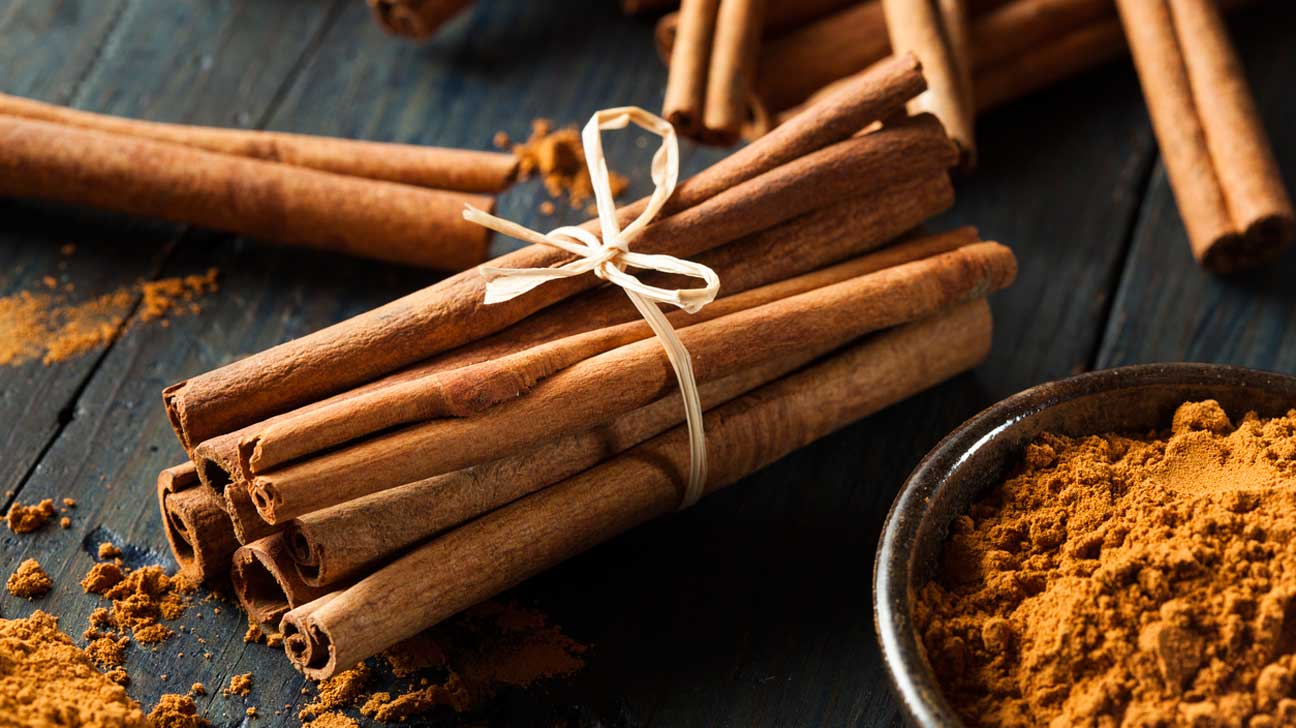
– Cinnamon sticks are a natural spice made from the bark of cinnamon trees.
– It is not recommended to eat cinnamon sticks raw as they can be hard on the digestive system.
– Cinnamon sticks are dried bark that is rolled into sticks and used as a spice.
– It is generally recommended to grind cinnamon sticks into a powder or stir them into food while cooking instead of chewing on them.
– Eating too much cinnamon can cause health problems due to high levels of coumarin, a natural blood thinner that can cause liver damage.
– It is best to consume no more than one three-inch stick of cinnamon per day.
– Cinnamon sticks have health benefits, including being a good source of antioxidants and having anti-inflammatory properties.
– Cinnamon sticks can be used to make tea by infusing them in hot water.
– Cinnamon sticks can be used as natural stirrers for tea or coffee, giving a subtle cinnamon flavor and aroma.
– Adding a cinnamon stick to rice while cooking can provide a subtle cinnamon flavor and aroma.
– Cinnamon sticks can be added to slow-cooked meals or roasts for additional flavor.
– Cinnamon sticks can be used to add flavor to dishes and can be cooked with meats like beef, pork, and chicken.
– They can also be added to soup broths for a cinnamon flavor and aroma.
– Real cinnamon sticks should have a dark brown color and smooth texture.
– Real cinnamon should feel powdery and not sticky when rubbed between fingers.
– The fragrance of real cinnamon should be sweet and spicy.
– Real cinnamon should taste mildly sweet with no bitter aftertaste.
– There are no known health risks associated with eating cinnamon sticks raw, but it is not recommended.
– Cinnamon sticks can be used as a garnish for cocktails or as a home fragrance by simmering them in water.
– There are two types of cinnamon: Ceylon cinnamon and Cassia cinnamon, each with a different flavor profile.
– This article discusses alternative ways to consume cinnamon sticks instead of chewing on them.

Continue Reading

What Does Jagermeister Taste Like: A Flavorful Exploration

– Jägermeister has a unique flavor that many people compare to black licorice or anise.
– It is sweet and syrupy.
– People either love or hate the taste, with rarely a middle ground.
– Jägermeister can be enjoyed on its own or mixed in cocktails.
– Mixing Jägermeister with other ingredients can potentially change the flavor.
– It is used to clear the palate and soften flavors.
– Some people add sugar to sweeten the drink, but it also makes the herbal flavor stronger.
– Jägermeister can be mixed with grapefruit juice to create a tangy and sweet cocktail.
– Mixing Jägermeister with hot water and milk creates a drink similar to herbal tea.
– Jägermeister can be combined with Kahlua, Grenadine, and Vodka for a strong and sweet flavor.
– A popular Jägermeister drink in the US is Jager bomb, which is a mix of Jägermeister and Red Bull for an energy drink with alcohol.
– The taste of Jägermeister is often compared to root beer but stronger, with a bitter aftertaste.
– It is made with sugar syrup from beets and cane molasses, as well as anise, which gives it a black licorice taste.
– The smell of Jägermeister is a blend of spice and sweetness, with floral and fruity notes.
– Jägermeister is 35% alcohol and is often enjoyed neat or on the rocks as a digestif.
– Jägermeister is not made with deer blood and is considered vegan-friendly.
– It is sometimes believed to have health benefits for digestion.
– Jägermeister can be served cold or warm, depending on personal preference.

Continue Reading