How long does spinach last? Best storage tips

– There is no one-size-fits-all answer to how long an opened bag of prewashed spinach lasts in the fridge as it depends on various factors. However, on average, it can last for up to 3-5 days.
– Some sources suggest that spinach can last for up to a week if stored properly.
– To maximize its shelf life, it is recommended to store spinach in a cool, dry place and place it in a sealed container or bag.
– Factors that can affect the lifespan of spinach include the quality of the spinach, temperature and humidity levels in the fridge, and how well it is stored.
– Fresh spinach can last up to 10 days if stored correctly.
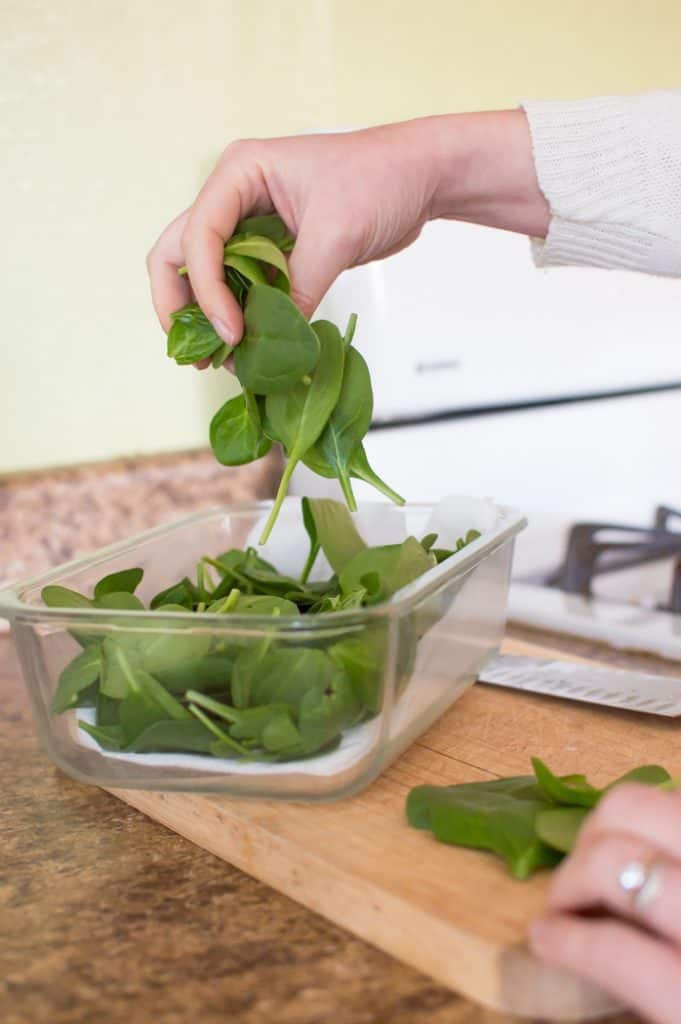
– Moisture speeds up the decaying process, so excess water should be absorbed by wrapping spinach in a paper towel.
– Fresh spinach should be placed in an airtight container or bag and stored in the crisper drawer of the fridge.
– Ethylene-producing fruits (such as bananas and apples) should not be stored next to spinach, as exposure to ethylene gas will cause it to go bad more quickly.
– Cooked spinach should be allowed to cool to room temperature before storing it in an airtight container or zip-top bag.
– Cooked spinach can last three to five days in the refrigerator.
– Spinach can be frozen for long-term storage, especially if needed for more than a week.
– Whole spinach leaves or puréed spinach can be frozen.
– Whole leaves should be placed in freezer bags, with excess air removed and sealed tightly. They can be stored in the freezer for up to a year.
– To freeze puréed spinach, blend whole leaves with a small amount of water and freeze the purée in ice cube trays for up to a year.
– At the store, crisp and unwilted spinach with vibrant green leaves is preferred.
– Spinach with yellow or brown spots should be avoided.
– Stems of spinach may be fibrous or thin, with fibrous stems being older and tougher, while thin stems are younger and more tender.
– Young, tender spinach is best used raw, while mature spinach is better in cooked recipes.
– The main indicators of spoiled spinach are wilting and loss of bright green color.
– As it continues to spoil, the leaves become slimy and develop an unpleasant odor.

Continue Reading

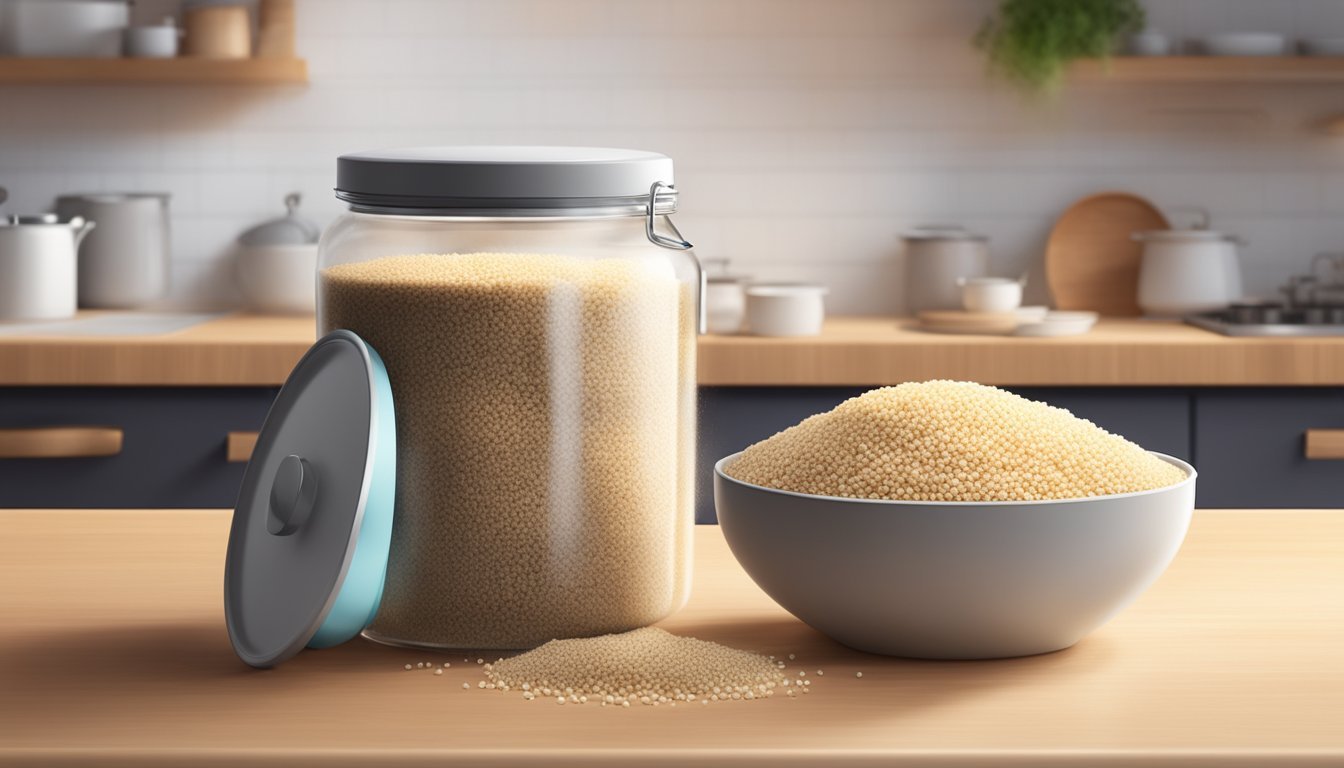
How to Store Rice Long Term: Essential Tips

– Entrée Bucket costs $199.95 and contains 12 bags of lunch and dinner entrées
– Entrée Bucket has 9,300 total calories
– Clean and simple ingredients, non-GMO ingredients, no added junk
– 25-year shelf life
– Brown rice has a shorter shelf life than white rice due to its bran layer
– White rice is best for long-term storage
– Recommended storage containers for rice: mason jars, mylar bags, food-grade buckets, or #10 cans
– Advantages and drawbacks of each container type are listed
– Storing rice in mylar bags and food buckets is an involved process
– The article provides instructions on how to store rice long term. It recommends using large mylar bags, food-safe oxygen absorbers, and 5-gallon buckets. The size and quantity of oxygen absorbers depend on the container used. The article provides a chart with recommended oxygen absorber amounts for different bag sizes. After sealing the mylar bags, it suggests storing them in buckets for extra security. Food-grade buckets and high-quality lids are recommended. The article advises storing the rice in a dark, cool, and dry location, and suggests using the fridge or freezer if possible. Precautions against rodents and vermin are also necessary. The article emphasizes the importance of monitoring and rotating the stockpile if necessary.
– The article provides information on how to store rice long-term. It suggests labeling rice with the date to keep track of its age. It advises monitoring and rotating rice stored for a long time to ensure quality and nutritional value. Checking sealed packages for exposure to insects or rodents is recommended, especially for opened stocks that are periodically eaten. Eventually, older rice may need to be cooked and consumed to prevent spoiling, and then replaced with fresh reserves. White rice is considered the best for long-term storage, although it is slightly less nutritious than brown rice. The article also mentions that DIY rice storage can be labor-intensive and may lead to spoiled rice if missteps occur. Complementing rice storage with professionally prepared and packaged food, such as freeze-dried vegetables and meat, is suggested for convenience, reliability, and a diverse food supply. Starting with a 72-hour emergency kit is recommended.
– Rice is a good item for long-term food storage and can last for over 20 years without refrigeration or freezing. White rice, instant rice, and wild rice can last over 30 years if stored correctly, while brown, black, and purple rice will only last around 18 months. Long grain, medium grain, and short grain are types of white rice that can be stored long-term. Instant rice is a good option as it stores well and rehydrates quickly, without the risk of fat going rancid. It is recommended to store rice in a cool location away from heat sources, with a preferred storage temperature of below 40℉. Moisture should be avoided as it can lead to mold. Keeping rice tightly sealed helps prevent oxidation and spoilage. Buying rice in bulk can save money.
– The article provides information on how to store rice for long-term storage. It suggests using oxygen absorbers, freezing the rice for three days, or sealing it in an oxygen-free container to kill any bugs or eggs in the stored rice. It states that two weeks without oxygen should kill all bugs and eggs. The article recommends packing rice into insect and rodent-proof containers, such as Mylar bags, but notes that rats and mice can chew through Mylar. It suggests using 5 or 6 gallon food-grade buckets with lids or other rodent-proof containers. The article mentions using a kitchen scale to measure the rice, a Mylar bag sealer, and a Sharpie marker to label the bags and buckets with the date and contents. It provides recommendations for the thickness of Mylar bags and the amount of oxygen absorbers needed for different sizes of Mylar bags. It advises using a Mylar heat sealer, clothes iron, or hair straightening iron to seal the bags. The article also suggests using a handheld or impulse sealer, but notes that it can be tricky to use if the bag is already in the bucket. It recommends using food-grade buckets with lids, specifically 5 or 6 gallon buckets with screw-on lids. The article mentions using a Sharpie marker to label the bags and buckets and suggests getting a bucket lid opener if using standard lids, as they can be tough to pry open.
– A 5-gallon bucket can store about 35 pounds of white rice if filled.
– Rice can be stored in mason jars for long-term storage.
– Mason jars should be vacuum sealed or have an oxygen absorber added.
– Bay leaves can be added to open containers of rice to deter pests.
– FEMA recommends a minimum of 72 hours of food storage for all family members.
– The USDA states that 1 pound of uncooked rice equals 1633 calories.
– Utah State University suggests 25 to 60 pounds of rice per person per year.
– They recommend a total of 300 pounds of grains per person per year.
– Bulk rice can be found at ethnic grocery stores, warehouse grocery stores, and Mennonite and Church of Latter Day Saints bulk food stores.
– Country Life Natural Foods and Azure Standard are suggested online options for buying bulk rice. This article discusses how to store rice long term. It mentions that Amazon.com carries bulk rice options, including Auguson Farms long grain white rice and Mountain High Organics rice prepacked in storage buckets. It also states that Web Restaurant Store sells rice in bulk but has high shipping costs.
– The article answers questions about storing rice. It explains that storing rice directly in a food-grade bucket can result in the bucket failing over time. Using Mylar bags is recommended because they keep out light, moisture, and air, preventing oxidation. The article also mentions that FoodSaver bags are better than grocery store bags for long-term storage but not as good as Mylar or glass.
– The article mentions that rice can be stored in the freezer in a sealed container and will last indefinitely. However, it suggests reserving freezer space for other foods and storing rice in a cool location such as a basement or under a bed.
– In terms of cooking rice during a power outage, the article provides two options. It recommends rinsing the rice in a strainer before adding water to remove unwanted material and reduce arsenic. For cooking over a campfire or small emergency stove, it suggests adding 2 cups of water for each cup of rice to a pot, boiling them together, and adding a pinch of salt. It notes that stirring the rice should be avoided.
– Overall, the article provides information on buying bulk rice, the benefits of using Mylar bags for storage, the drawbacks of trying to store rice in a freezer, recommended storage locations, and methods for cooking rice during a power outage. The article does not provide any information about storing rice long term.

Continue Reading

How long does Parmesan cheese last and why?

– An opened chunk of Parmesan cheese will last for 4 to 6 weeks in the refrigerator.
– It is safe to eat an opened chunk of Parmesan cheese after the “sell by” or “best by” date.
– If there is mold on a chunk of Parmesan cheese, it can be cut away and the rest can be consumed.
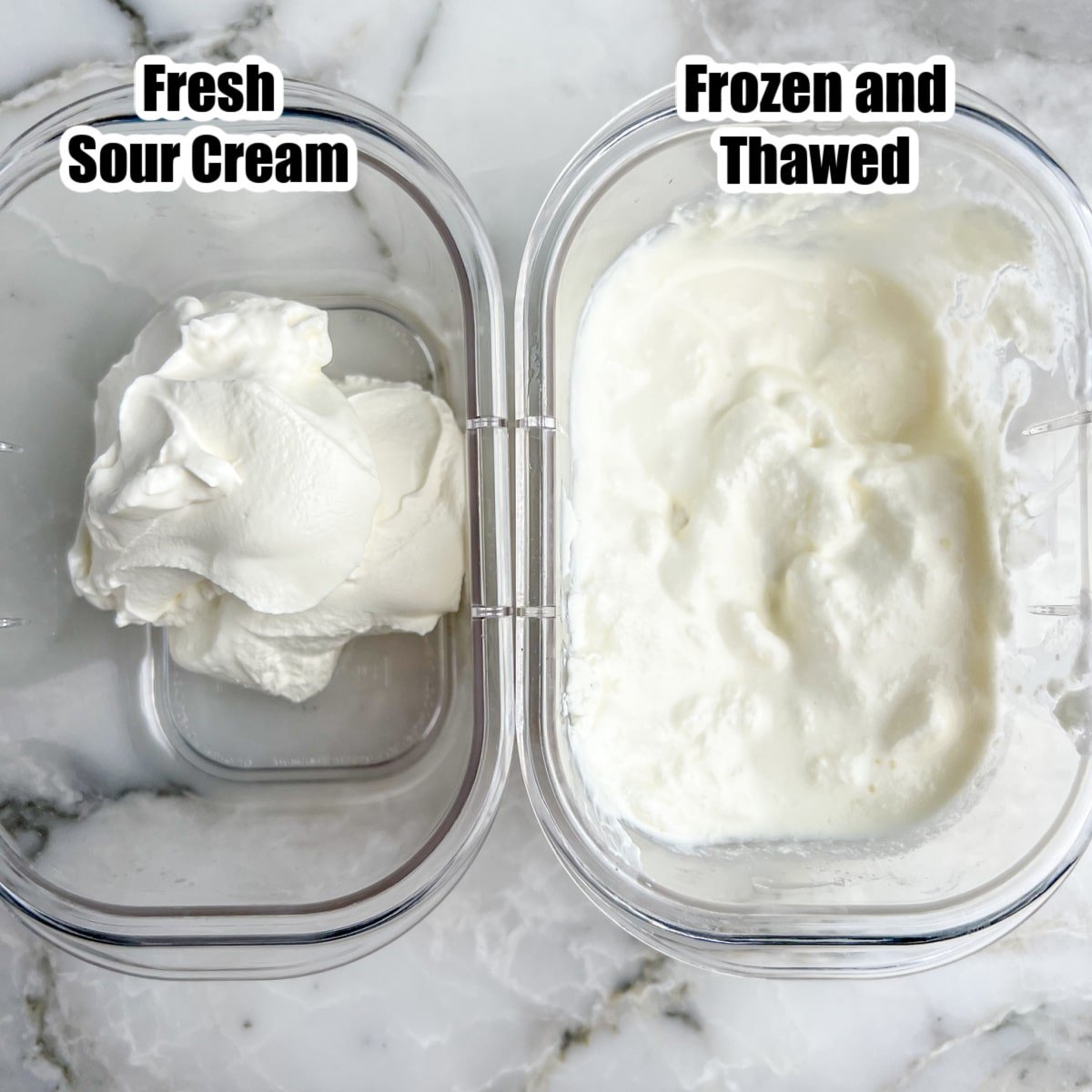
– Parmesan cheese can be frozen for 12 to 18 months and will remain safe beyond that time.
– Thawed Parmesan cheese should be used within 3 to 4 days if defrosted in the fridge, or immediately if defrosted in the microwave or cold water.
– Spoiled Parmesan cheese will have a hard texture, dark color, strong smell, and may develop mold.

Continue Reading

Is Tupperware Microwave Safe for Heating Food?

– Tupperware containers are labeled as microwave-safe and BPA-free
– Avoid overheating or lengthy reheating in the microwave with Tupperware
– Some studies have found that plastics such as BPA and BPS may be harmful to health
– Certain Tupperware containers may be made with polycarbonate plastic, which can release BPA into food when heated
– The use of BPA in Tupperware products in the USA and Canada has been discontinued since 2010
– Tupperware products are not designed for cooking but for food storage
– Look for a microwave-safe symbol at the bottom of the Tupperware container
– Plastic numbers 2 and 5 (HDPE and PP) are microwave-safe, while numbers 1, 3, 6, and 7 should be avoided
– If there is no indication of microwave safety, it is best to avoid using the container in the microwave
– Test if a plastic container is suitable for microwaving by heating a glass of water in the container for one minute
– Invest in glass, ceramic, or specially designed microwave-safe containers for microwaving
– Reheat food in a plastic container with the lid off, using a glass, ceramic plate, or damp paper towel instead of the lid
– Leftovers should not be microwaved more than once, and the food should reach a temperature of 165°F (74°C) for safety
– Single-use containers and damaged or old plastic Tupperware should be avoided
– Microwave Tupperware with the lid off to allow steam to escape and prevent pressure buildup
– Glass containers and ceramic dishes are suggested as alternative microwave-safe options to plastic Tupperware
– Stoneware dishes without metallic lining are safe to use in the microwave
– Tupperware with additional decorations should not be microwaved
– Food-grade stainless steel Tupperware made from 304 stainless steel is safe for food storage but not for microwaving
– Plastic containers should not be microwaved to avoid negative health effects
– Heating plastic in the microwave can cause leaching of chemicals into food
– The FDA does not regulate the term “microwave safe”
– Plastics labeled with numbers 2, 4, and 5 are safer for microwaving
– Plastics labeled with numbers 1, 3, 6, or 7 should never go into the microwave
– BPA is an unsafe stabilizer used in plastic manufacturing
– BPA-free containers do not contain this stabilizer
– Tupperware products sold in the US since 2010 are BPA-free

Continue Reading

How to Store Radishes: Extending Freshness and Flavor

– The article discusses different methods for storing radishes to keep them fresh.
– Radishes are a root vegetable with a bitter, peppery taste.
– Red radishes, horseradishes, and watermelon radishes are among the varieties grown.
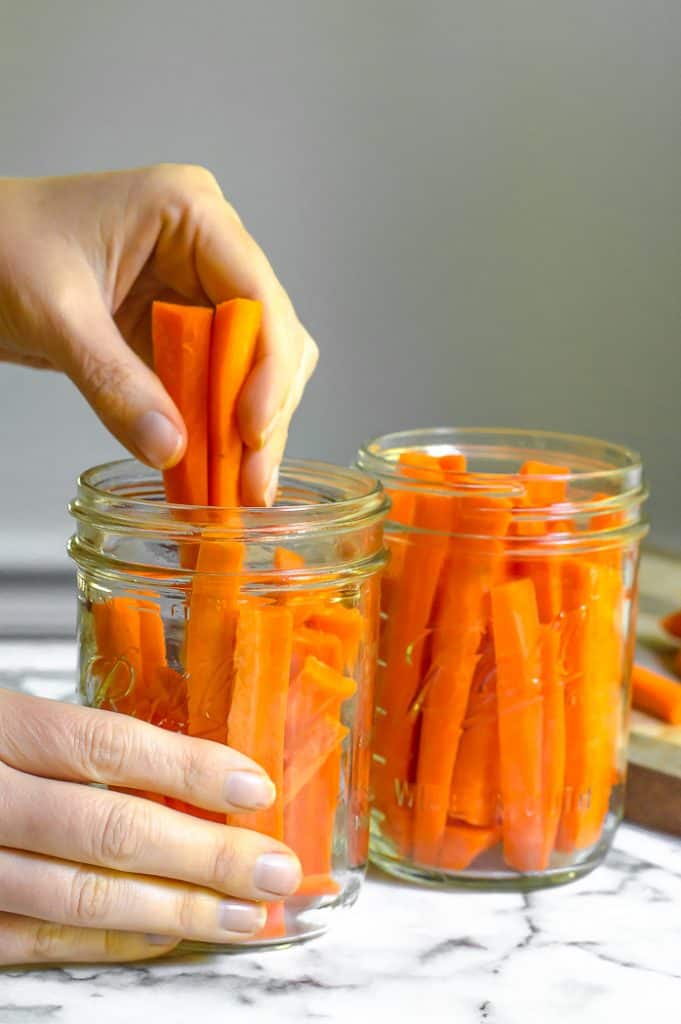
– The best way to store radishes for a short period of time is to cover them in water and store them in the refrigerator or on the countertop for up to one week.
– If you want to store radishes for longer periods of time, you can blanch them and then freeze them, and they will keep for up to six months.
– The article also mentions two specific methods for storing radishes in the refrigerator: the reusable storage bag and damp towel method, and the water method.
– The reusable storage bag method involves placing the radishes in an airtight bag lined with a damp kitchen towel.
– The water method involves placing the radish roots in a bowl of water in the fridge.
– Radishes can be stored on the counter using the water bowl method and will stay good for up to a week.
– Radishes can be stored in a basement or cellar for up to 3 months.
– They should be buried separately in damp dirt or sand and then transferred to the refrigerator or freezer as needed.
– When storing radishes in the freezer, it is best to cut or slice them first.
– Blanch the slices by submerging them in boiling water and then transferring them to a bowl of ice water for two minutes.
– Pat them dry before placing them in freezer bags or airtight containers.
– They can be stored in the freezer for up to 6 months.
– Radishes can also be pickled or canned for long-term storage.
– Radishes can last for months if stored in the freezer, basement, or pickled/canned.
– Proper storage is important to retain flavor.
– Radish leaves are edible and can be used in recipes to reduce food waste.
– Ideas for cooking radishes include using them as a taco or nacho topping, adding them to a salad or bowl, enjoying them as a snack, or roasting them as a side dish.
– Radishes can quickly turn mushy if not stored properly.
– Radishes last 2-4 days at room temperature.
– Radishes last 1-2 weeks in the fridge.
– Radishes can be frozen for up to 6 months.
– To store whole radishes at room temperature, place them in a bowl of water, partially submerged, and change the water daily until the leaves droop.
– To store whole radishes in the fridge, trim the roots and leaves, lightly dampen paper towels in a storage bag, place radishes between the paper towels, squeeze out excess air, and seal the bag. They will last up to 14 days.
– Cut radishes should be stored within 2 hours and will last 2-3 days in the fridge.
– To freeze radishes, trim roots and leaves, wash, do not peel, and cut, cube, or slice. Blanch by boiling for 2 minutes.
– The article provides instructions on how to store radishes. It suggests blanching the radishes for three minutes and then immediately transferring them to a bowl of ice water to stop cooking.
– They should be dried thoroughly and arranged in a single layer on a baking sheet.
– The radishes should be covered with storage wrap and frozen for at least four hours.
– Afterwards, they can be transferred to a freezer bag labeled with the date and frozen for between four and six months.
– Thawing the radishes can be done by transferring them from the freezer to the fridge for a few hours or by holding them under running water.
– Alternatively, radishes can be preserved by pickling them.

Continue Reading

How to Reheat Pulled Pork: Ensuring Juicy Tenderness

– The article discusses different methods for reheating pulled pork leftovers
– It mentions that 40% of all food in the US gets wasted each year, equivalent to about 108 billion pounds
– The article suggests that reheating leftovers in unique and tasty ways can help reduce food waste and save money
– The six best methods for reheating pulled pork are mentioned as the oven, stovetop, air fryer, smoker, grill, or crockpot
– Proper storage and refrigeration of leftover pork is emphasized to avoid foodborne illnesses
– Reheating pulled pork in the oven is recommended, with a low temperature of around 325 degrees F and the addition of moisture using sauce or broth
– Reheating on the stovetop is also suggested, with the pulled pork placed in a saucepan over low heat with water or broth
– Pulled pork stored in the refrigerator can stay good for 3 to 4 days if properly sealed
– Pulled pork can last up to 3 months in the freezer when stored in an airtight container or vacuum-sealed bag
– Reheated pulled pork should reach an internal temperature of 165°F before consuming
– Reheating pulled pork multiple times can cause it to dry out and increase the risk of bacterial growth
– Leftover pulled pork can be used in various ways, such as topping a baked potato, filling for enchiladas, or integrating it into a stir-fry
– To reheat pulled pork without drying it out, add liquid (broth, apple juice, or BBQ sauce), cover with foil or a lid, and use low and slow heating methods
– Barbecue sauce, apple juice, and apple cider vinegar are recommended as liquids to use when reheating pulled pork
– The article encourages readers to try out different methods and recipes for reheating and using pulled pork
– The article suggests pinning the recipes on Pinterest, tagging #AFoodLoversKitchen on Instagram and Facebook, and uploading photos on Pinterest to share experiences with the recipes

Continue Reading

Can You Freeze Pizza? A Guide to Proper Storage

– Yes, you can freeze delivery pizza by storing it correctly with an airtight box and aluminum foil
– It can stay fresh for consumption for one or more months
– To reheat a frozen pizza, you can use one of the stovetop methods or bake it in the oven at a lower temperature than originally purchased
– If you want the pizza to hold its shape, you can partially bake it before adding toppings and finishing the baking process
– Warm the dough to room temperature before stretching to prevent it from shrinking and snapping back into place
– Leftover pizza can stay refrigerated for up to four days or frozen for up to 2 months
– It is recommended to wrap each slice individually and store in an airtight container or zip-top freezer
– Uncooked pizza should be baked first to prevent the crust from getting too hard
– A vacuum sealer is a convenient option for freezing pizza, as it extends the shelf life and protects against dehydration
– The refrigerator is also a convenient option for freezing pizza, but it’s important to wrap it tightly in plastic wrap or aluminum foil before storing
– To reheat frozen pizza on a stovetop, it can be placed on a skillet with the crust down and cooked for about 8 minutes on low heat
– Freezing pizza extends its shelf life and provides an easy meal option when you’re short on time.

Continue Reading

Food Thermos: The Secret to Keeping Meals Hot

– Klean Kanteen is an ethical food canister brand suitable for packing leftovers and make-ahead meals.
– Klean Kanteen products are Climate Neutral Certified and the company is a certified B Corp.
– The food canister can keep hot and cold food at a consistent temperature for up to five hours.
– The interior of the canister is easy to clean and the silicone sealing ring ensures no leaks.
– The canister comes in various colors and includes an insulated bag and a foldable spoon.
– The 18/8 stainless steel interior prevents flavor transfer and odors.
– The canister has a 27-ounce capacity.
– The Thermos Stainless Steel King Food Jar can keep food warm for up to nine hours and liquids cold for up to 14 hours.
– The Mac and cheese stayed hot for two hours and was still warm enough to eat at four hours.
– The Foogo Vacuum Insulated Stainless Steel Food Jar is designed for kids and has a cool-to-the-touch body.
– The Foogo can keep cold liquids cold for up to nine hours.
– Both thermoses have a tough body resistant to scratches.
– The Thermos King can be safely washed in the dishwasher.
– The Thermos King has an uber-tight seal and insulation from two walls of stainless steel.
– The Thermos King comes with a standard-sized stainless steel folding spoon.
– The Thermos King performed well in temperature retention tests, maintaining consistent temperature for nine hours.
– The Thermos King still had ice cubes after 14 hours.
– The Thermos King’s lid can be used as a bowl.
– The Thermos King is recommended for foods like soup, stew, and pasta.
– The Foogo is recommended for kids.
– When buying a hot food thermos, consider design and insulation.
– Food thermoses are shorter and wider than drink thermoses for pouring and eating out of them.
– Most food thermoses have a twist-on lid to prevent spills and may have additional seals or interior lids for further spill protection.
– Stainless steel is the preferred material for thermoses as it doesn’t absorb color or scent and is easy to clean.
– Thermoses have an inner flask surrounded by a partial vacuum to keep contents warm and an outer case to prevent condensation and burning your hand.
– Thermos size depends on what it will be used for, with adult thermoses typically around 16 ounces and children’s thermoses smaller.
– Thermoses are fairly affordable, ranging from $15 to $30, with more expensive models offering additional features or accessories.
– Thermos and Hydro Flask are popular brands that make insulated containers.
– Stainless steel thermoses are easy to clean with soap and water.
– Not all thermoses are dishwasher safe due to the potential for the dishwasher to mess up the vacuum seal.
– Interior lids and accessories may require additional hand-washing.
– When choosing a thermos, consider the preferred size and intended use, such as beverages or meals.
– Durability may be a concern for outdoor treks.
– Check customer reviews for common raves and complaints about different manufacturers.
– Thermoses work by using a stainless steel vacuum-sealed design to maintain consistent temperature and prevent air from escaping.
– High-quality thermoses can keep food and beverages warm for up to 24 hours.
– More economical brands retain the original temperature for four to six hours.

Continue Reading

How Long is Chili Good in the Fridge? Best Storage Practices to Keep Your Chili Fresh

– Chili can last for three to four days when stored properly in the refrigerator.
– It is important to store chili within two hours after cooking or purchasing it from a restaurant.
– Proper storage includes transferring chili into an airtight container, storing it in the coldest part of the fridge, and labeling and dating it.
– Chili should be checked for signs of spoilage before reheating and eating, and it should be reheated to an internal temperature of 165°F before serving.
– After four days, it is recommended to discard any remaining chili.
– The primary factors that affect how long chili can last in the fridge are how it was cooked, how it’s stored, and the age of the ingredients used.
– If chili is not brought to a boil, it should be discarded after two days as harmful bacteria may have developed.
– Expired ingredients used to make chili should be discarded immediately as they may contain harmful bacteria.
– Chili can go bad if it is not stored correctly, cooked at a high temperature, or checked for expiration before use.
– Signs of spoiled chili include mold, color change, sour smell, and off smell.
– Eating expired chili could cause food poisoning, with symptoms including nausea, vomiting, abdominal cramps, and diarrhea.
– Chili can be frozen for longer storage by transferring it into an airtight freezer-safe container and reheating it to an internal temperature of 165°F prior to serving.
– Frozen chili can last up to six months in the freezer.
– Meat-based chili can be enjoyed up to four days after cooking, while chili without meat may stay fresh for up to five or six days.
– Chili should be cooled down before refrigeration.
– Canned chili can be eaten up to one week later.
– Leftover chili should be stored in shallow containers with a depth of no more than two to three inches.
– Chili is a type of stew or sauce that typically includes beans, tomatoes, and meat.
– The ingredients of chili are cooked together in a pot or slow cooker.
– Spices such as cumin, oregano, garlic powder, onion powder, and chili powder can be added to enhance flavor.
– Chili should be stored in an airtight container in the refrigerator within two hours after cooking or purchasing.
– It is important to store chili in the coldest part of the refrigerator, usually at the back near the bottom shelf.
– Chili should be labeled and dated before storing.
– Before reheating and eating chili, check for signs of spoilage such as discoloration, an off-putting smell, or a slimy texture.
– Reheat chili to an internal temperature of 165°F before serving.

Continue Reading