
Can You Freeze Basil?
You can freeze basil, but the leaves soften after thawing. Freeze dry whole leaves or basil and oil cubes, then use them in sauces, soups, pesto, and cooked dishes.
Continue Reading
You can freeze basil, but the leaves soften after thawing. Freeze dry whole leaves or basil and oil cubes, then use them in sauces, soups, pesto, and cooked dishes.
Continue Reading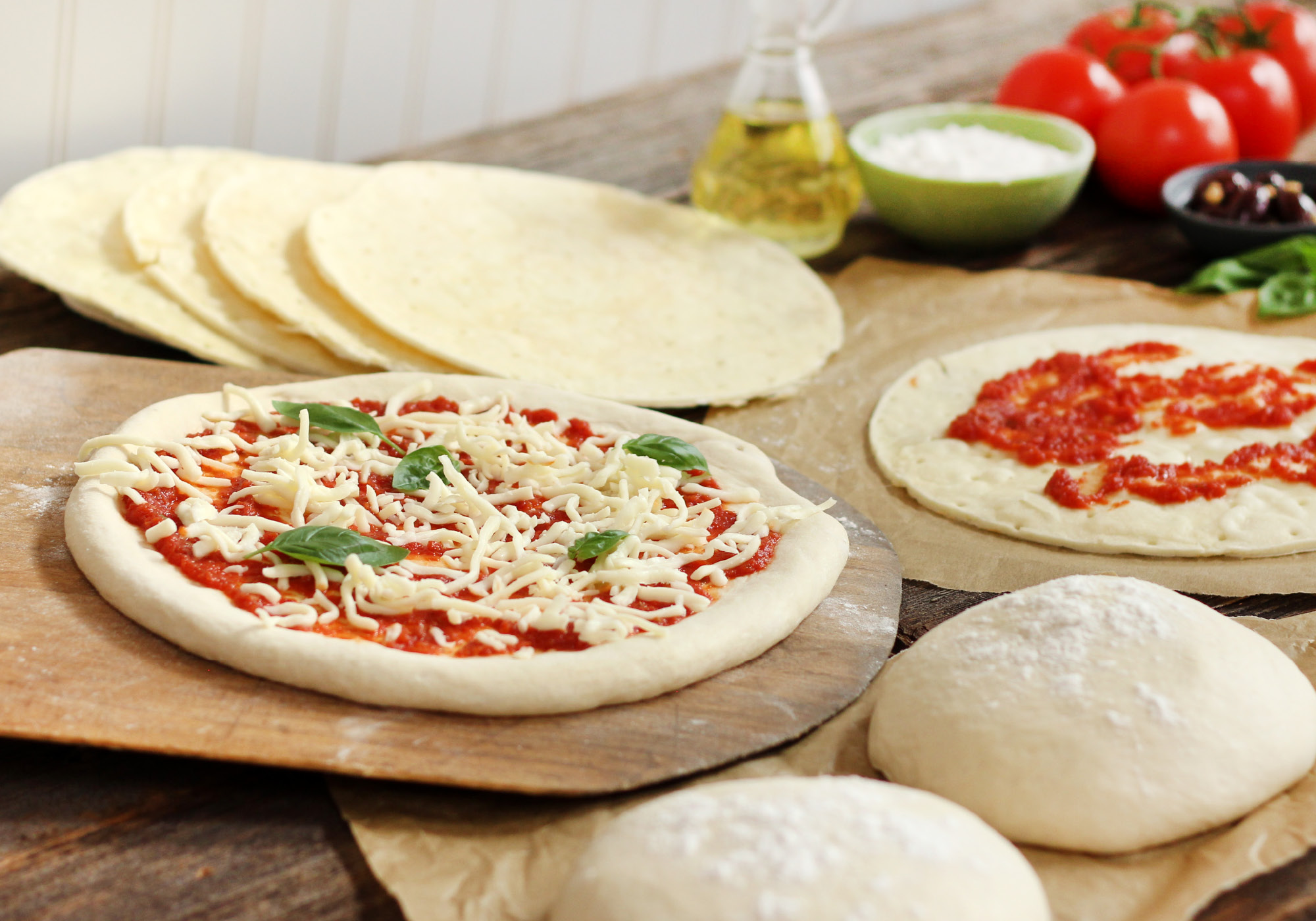
You can freeze pizza if it was refrigerated or frozen while still safe. Wrap slices airtight, freeze in portions, thaw in the refrigerator when possible, and reheat leftover pizza to 165 degrees F.
Continue Reading
You can freeze lemons whole, sliced, juiced, or zested. For the most useful freezer stash, freeze zest, juice cubes, and thin slices separately.
Continue Reading
You can freeze cucumbers, but they will not thaw crisp. Freeze them only for smoothies, chilled soups, infused water, or cooked/blended uses.
Continue Reading
Frozen chocolate covered strawberries work best when the berries are clean, very dry, fully coated, frozen on a tray, and stored airtight.
Continue Reading
You can freeze guacamole if it is fresh and safely handled. Press out air, use small freezer safe portions, thaw in the refrigerator, and expect some texture or color change.
Continue Reading
Vinegar can freeze in a home freezer, but it usually freezes below water because it is a solution of water, acetic acid, and other dissolved ingredients.
Continue Reading
Yes, you can freeze sauerkraut. Freeze small portions with enough brine to keep it moist, leave headspace for expansion, and expect a softer texture after thawing.
Continue Reading
Freezing kale is best for cooked or blended dishes. Blanch the leaves, cool them quickly, dry well, and freeze in portions for soups, smoothies, sautés, and casseroles.
Continue Reading
You can freeze oranges, but the texture softens after thawing. Freeze peeled segments, juice, zest, or slices for smoothies, baking, sauces, and drinks.
Continue Reading