Does lemon juice go bad? Learn about shelf life

– Lemon juice does go bad over time due to the degradation of antioxidants and the growth of bacteria and mold.
– Freshly squeezed lemon juice and store-bought lemon juice have different shelf lives.
– Store-bought lemon juice can last 6+ months after opening if stored properly.
– Fresh lemon juice spoils sooner due to the lack of preservatives and pasteurization.
– Lemon juice will lose its color, taste, smell, and nutritional health benefits over time.
– Unopened bottles of lemon juice can last several months past the best-by date and still be safe to consume.
– Proper storage is important for extending the shelf life of lemon juice.
– Homemade lemon juice has a shorter shelf life of only a couple of hours at room temperature.
– Store-bought lemon juice can last 6-12 months in the refrigerator.
– Freshly made lemon juice can last 2-3 days in the fridge.
– Lemon juice can be frozen in ice cube trays and stored in freezer bags for up to 6 months.
– Signs of spoiled lemon juice include a darker color, off smell, and unpleasant taste.
– Fresh lemon juice should be stored in the refrigerator in an airtight container and consumed within a few days.
– Commercially bottled lemon juice, when opened, should also be stored in the refrigerator and lasts for 6-12 months.
– Unopened bottled lemon juice can last a few months past the best-by date.

Continue Reading

Does Vanilla Extract Go Bad? How to Properly Store and Extend Shelf Life

– Vanilla extract lasts a long time and is unlikely to go bad.
– Both pure and artificial vanilla extracts can be stored in a cool and dark place, away from heat sources.
– It is not recommended to refrigerate or freeze the extract.
– Pure vanilla extract has an indefinite shelf life and may have a slightly more intense flavor after a few years.
– Imitation vanilla extract has a shorter shelf life and its quality will degrade over time.
– The best-by date on the label is a good indicator of its quality.
– Imitation vanilla extract can last for up to 6-12 months after the best-by date, but the taste will worsen over time.
– Vanilla extract should be kept sealed tightly to prevent it from going bad.
– If the extract smells off or has growth on the inside of the cap, it should be thrown away.
– Pure vanilla extract is made with vanilla beans and is brown in color.
– The primary flavor compound in pure extract is vanillin.
– Imitation vanilla extract only contains vanillin and is a synthetic substance made in a lab.
– Vanilla beans are expensive, leading to the creation of synthetic vanilla for a cheaper alternative.
– Most people opt for the less expensive imitation vanilla extract because it still works well in desserts.

Continue Reading

Does Oat Milk Go Bad? The Ultimate Guide

– Oat milk is lower in fat and cholesterol than cow’s milk and contains more fiber.
– Oat milk does go bad, but it tends to last longer than cow’s milk and other alternative milks.
– Signs of spoiled oat milk include a musty or sour smell, changes in appearance (lumpiness, sliminess, separation, congealment), and discoloration.
– Spoiled oat milk can potentially cause food poisoning if consumed.
– If oat milk is past its expiration date or suspected to be spoiled, it should be discarded.
– Store-bought oat milk typically lasts for 2-3 weeks in the refrigerator, up to 5-7 days past the printed expiration date, and up to 6 months in the freezer.
– Shelf-stable oat milk can last unopened for at least 6 months or longer.
– To keep oat milk fresh, store it in the coldest part of the refrigerator, ideally between 32 and 40 degrees.
– Homemade oat milk should be consumed within 5 days and store-bought oat milk within 2-3 weeks.
– Oat milk is popular among vegans, those sensitive to dairy, and those seeking a healthier alternative to cow’s milk.
– Oat milk is free from lactose, dairy, soy, and nuts, and some brands are gluten-free.
– If oat milk is past its expiration date but shows no signs of spoilage, it should be safe to consume.
– If oat milk shows signs of spoilage or has been left out at room temperature for over two hours, it may cause food poisoning.
– Spoiled oat milk should be discarded to avoid the risk of food poisoning.
– Unopened shelf-stable oat milk should be stored in a cool, dark place like a pantry. Once opened, it should be kept in the fridge and consumed within 1-2 weeks.

Continue Reading

How Long Can Mayo Sit Out? Safety Guide

– Mayonnaise contains eggs and should be stored properly to avoid foodborne illness.
– Mayo should ideally be stored in the fridge or served immediately.
– Mayo should not be left out at room temperature for more than two hours.
– Mayo stored at 50°F or more should be discarded after 8 hours.
– Commercial mayonnaises are shelf-stable before opening but should be refrigerated after opening.
– Open mayo should be stored in the fridge and discarded after 2 months.
– Homemade mayonnaise should be stored in the fridge for up to 1 week if made with raw eggs.
– Homemade mayonnaise made with pasteurized eggs can be stored in the fridge for up to 4 days.
– Most home cooks successfully store homemade mayonnaise in the fridge for 1 month or more.
– Mayo should be tossed if it is perishable or if it has been stored improperly.
– Unopened store-bought mayo can be stored in the pantry until the sell-by date.
– Opened mayonnaise will last for approximately 2 months when refrigerated.
– If mayo shows signs of mold, has an off-smell, or unusual color, it should be discarded.
– Mayonnaise should be stored in the fridge or served immediately to reduce the risk of foodborne illness.
– Homemade mayonnaise should be stored in the fridge for up to 1 week max, or up to 4 days if made with pasteurized eggs.
– Mayonnaise that has been left out at room temperature for 2 or more hours should be discarded.

Continue Reading

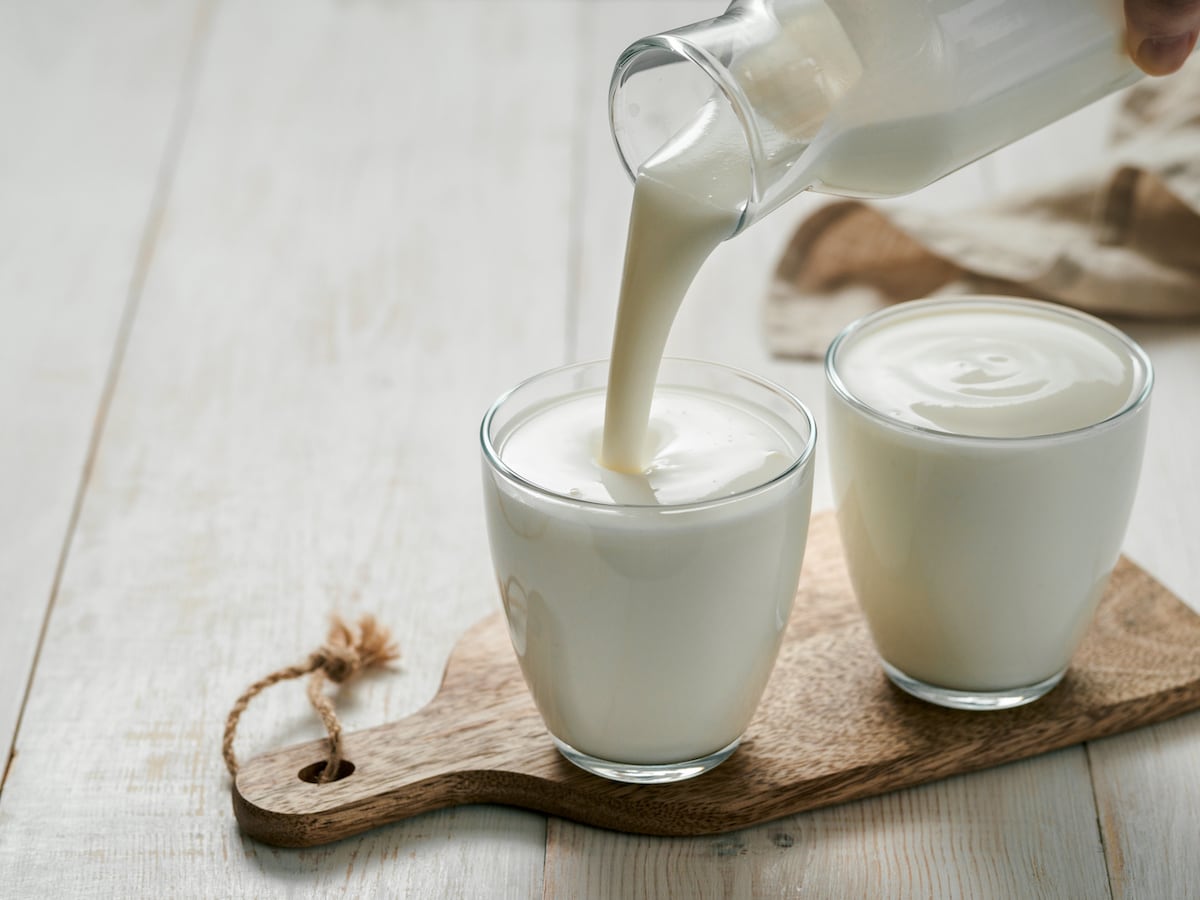
Does buttermilk go bad? The definitive guide explained

– Buttermilk has a longer shelf life than fresh milk due to the abundance of lactic acid which inhibits the growth of harmful bacteria.
– The specific shelf life of buttermilk is not precise, but guidelines from agricultural programs recommend consuming it within three weeks from the date stamped on the package.
– In the test kitchen, they found that buttermilk won’t turn bad with mold growth until at least three weeks after opening.
– Buttermilk can be frozen and can be easily stored in an ice cube tray and transferred to a zipper-lock bag for future use.
– The dairy farm recommends consuming their buttermilk within five to seven days after opening.

Continue Reading