Rambutan Taste: Exploring the Unique Flavors & Origins

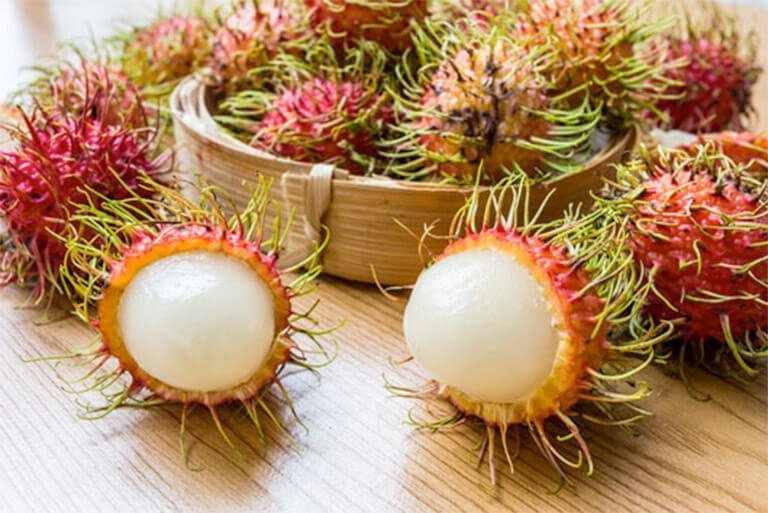
– Rambutan is a hairy exotic fruit native to Indonesia and other tropical Southeast Asian areas.
– The name rambutan comes from the Malay word rambut meaning hair.
– Rambutan is similar to lychee fruit and longan fruits.
– Rambutan has a sweet flavor and tastes similar to lychee fruit.
– The fleshy part of the rambutan is tender and juicy, resembling a grape.
– Rambutan is exotic and colorful, with shades of pink, green, and bright red skin.
– Rambutan is about the size of a golf ball and oval in shape.
– The best way to eat rambutan is to remove the hairy shell and eat the soft fleshy fruit around the seed.
– Rambutan’s translucent flesh contains iron and a high amount of vitamin C.
– Rambutan is packed full of nutrients and makes a great snack.
– Rambutan can be stored in or out of the fridge and should be peeled right before eating to maintain freshness.
– Ripe rambutan fruits can last about 4 to 5 days in the fridge and about 3 to 4 days at room temperature.
– The fruit is rich in nutrients and antioxidants.
– Rambutan promotes healthy digestion and is relatively low in calories.
– To eat a Rambutan, it can be cracked open with the teeth, fingers, or a knife.
– It has a pit or seed in the middle that should be spit out.
– It is described as resembling a large skinless grape and has a sweet taste with a hint of sourness.
– It also has a floral tropical taste.
– The texture is soft and similar to a mix between a grape and a pear or cherry.
– Rambutans are fairly cheap, with 20 to 25 of them costing around $3.00.

Continue Reading

What Does Root Beer Taste Like? Exploring Its Flavor Profile and Origins

What does root beer taste like?

– Root beer is a soda known for its spicy vanilla flavor.
– Some first-time root beer drinkers may think it tastes like mouthwash because one of the main ingredients is wintergreen flavor, which is also found in mouthwashes.
– Root beer originated from “small beers” made with herbs, berries, and bark by American colonists.
– A root beer recipe similar to the one we know today became popular in the 1870s, containing herbs, roots, and berries with medicinal properties.
– Root beer was first commercially sold as an extract in the 1880s and later sold in bottles by various manufacturers.
– During Prohibition, root beer became popular as an alternative to real beer.
– In 1976, the FDA banned the use of sassafras, an ingredient in root beer, due to its carcinogenic properties.
– Wintergreen became the new main flavor in root beer.
– Root beer is a soda with an elusive flavor profile that varies between brands and regions.
– The origins of root beer can be traced back to indigenous populations in early America, who used different parts of the sassafras tree to create medicinal tonics and cuisines.
– The roots of the sassafras tree provided the distinct flavor that we associate with root beer today.
– When colonists arrived in America, they learned the recipes for various food and drinks from the natives, including root beer.
– The colonists quickly acquired a taste for root beer and it became a favorite among 18th-century farmers.
– The early root beer recipes included ingredients such as sassafras root, sarsaparilla, dandelion root, guaiacum chips, and dog grass.
– The process of making early root beer involved boiling water, creating a wort, and adding sweeteners like molasses, honey, or maple syrup along with yeast.
– In 1875, Charles Hires discovered and developed a taste for an herbal “root tea” while on his honeymoon.
– He took the recipe back to Philadelphia and created the first commercial root beer.
– The recipe contained 16 ingredients and was introduced at the Philadelphia Centennial Exhibition in 1876.
– Hires later re-formulated the dry blend into a liquid concentrate with nearly 30 different herbs, berries, and roots.
– Other root beer brands, such as Barq’s, A&W, and Dad’s Old Fashioned, launched in the late 19th and early 20th centuries.
– A&W currently dominates root beer sales worldwide.
– There is no clear winner in terms of flavor preferences among root beer brands, as they vary in taste.
– Root beer has a variety of flavor profiles, with the most common being a wintergreen profile with secondary vanilla, anise, and herbal, earthy notes.
– Traditionally, root beer was made by blending the sassafras tree root with other herbs and spices to enhance the wintergreen quality or provide earthier, herbal flavors.
– Vanilla was later added to create a creamier, smoother profile and balance the bitterness.
– Over time, root beer has evolved and included various ingredients like allspice, burdock root, sarsaparilla root, yellow dock root, ginger root, juniper berries, wild cherry bark, birch bark, anise, lemon, and more.
– Modern root beer manufacturers use a combination of these ingredients along with flavorings, sweeteners, carbonation, and caffeine.
– There is no single way to make a great root beer product, allowing for creativity and innovation in the beverage industry.

Continue Reading

What Does Bone Marrow Taste Like? A Palatable Exploration

– Bone marrow is described as having a rich, slightly sweet taste with a smooth, buttery texture.
– Its flavor is similar to a mild beef or veal broth, but with a creamier consistency.
– The taste may vary depending on the animal source and preparation method.
– It is described as savory, rich, earthy, mineral-like, slightly gamey, and mildly metallic.
– Bone marrow is enjoyed by those who like organ meats and bone broth.
– It is believed to have a buttery taste due to its high fat content and can taste like beef or chicken due to proteins and minerals.
– To know the taste of bone marrow, one has to try it themselves, such as roasting a bone with marrow.
– Bone marrow is considered a delicious and nutritious food enjoyed by humans for centuries.
– It is full of healthy fats that help keep bones strong and healthy.
– Bone marrow is a good source of protein and can be a way to get extra protein without eating meat.
– It is soft, fatty, and often described as similar to butter.
– Bone marrow is slimy and helps lubricate and cushion the bones.
– The slime may also help prevent bones from drying out and becoming brittle or protect against infection.
– It is a rich source of nutrients including protein, iron, and vitamin A, while being low in calories and cholesterol.
– Bone marrow can be used as an alternative to meat and is rich in collagen for gut and joint health.
– It provides calories and healthy fats for energy.
– Eating bone marrow can increase intake of hard-to-get nutrients like vitamin B12 for those on plant-based diets.
– Marrow is the spongy tissue that fills the cavities of bones and is a source of stem cells.
– Marrow is a storehouse for minerals such as calcium and phosphorus.
– It can be eaten cooked or raw and used in soups, stews, smoothies, or baking.
– Marrow is a good source of protein, iron, and vitamin A and may boost immunity and help protect against inflammation.
– Bone marrow can make you sick if cancerous cells develop in it, causing problems with blood cell production.
– The most common complication of bone marrow transplantation is graft-versus-host disease (GVHD), which can range from mild to life-threatening.
– There are several ways to cook and eat bone marrow, including roasting, making bone marrow butter, adding to sauces and stews, using marrow fat for cooking, making bone broth, and spreading raw marrow over meat.
– Grass-fed beef marrow bones are recommended for the highest quality.
– Bone marrow offers a rich flavor and high nutritional value and can be used in various recipes.

Continue Reading

What does eggnog taste like? A delightful, creamy holiday indulgence explained

Eggnog is a spiced holiday drink with a sweet flavor profile. It tastes like melted ice cream and can be served warm or chilled. The main ingredients are milk, eggs, sugar, vanilla, cinnamon, and nutmeg. It can also be made with nut or rice milk. Alcohol can be added to give it a more complex flavor. Different alcohol combinations can be used, such as bourbon or aged scotches. Making eggnog from scratch allows for better quality control and experimentation with different recipes. There are many ways to modify the recipe to personal preference. Eggnog is only available during the holiday season. It originated in England and has been a part of holiday traditions in the US and Canada. It can be spiked with brandy, rum, or other spirits. The traditional ingredients include eggs, whole milk, heavy whipping cream, sugar, and nutmeg. Eggnog tastes like melted custard, creamy, and rich. It is often used in holiday recipes and even has a seasonal shake at McDonald’s. Homemade eggnog recipes typically include eggs, whipping cream, milk, sugar, vanilla, and spices. The taste of eggnog is associated with Christmas due to flavors like cinnamon, nutmeg, and vanilla, and its richness makes it a popular treat during the holiday season.

Continue Reading

What Does Tofu Taste Like? A Delectable Exploration

– Tofu is a popular food, but many people have never tried it before.
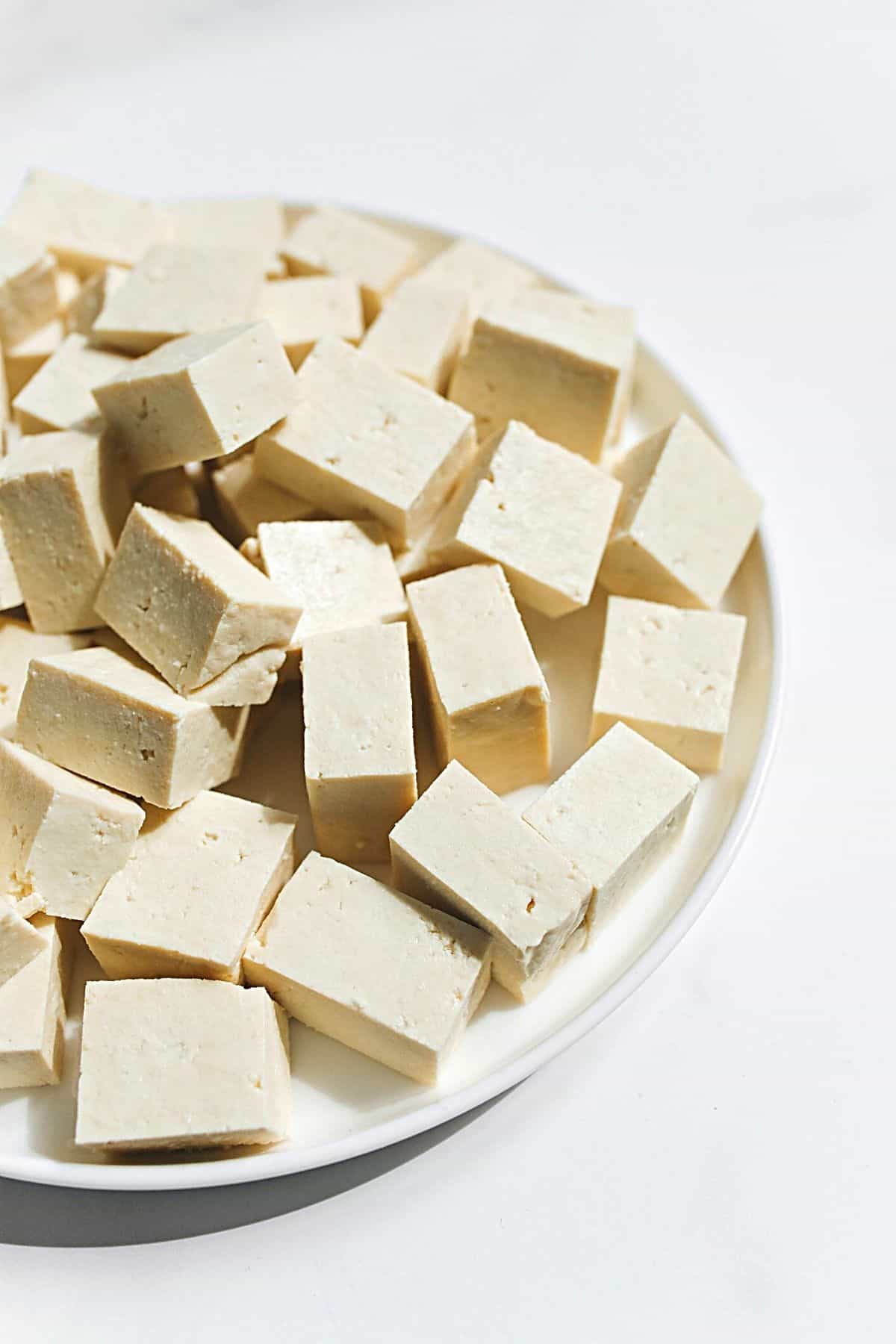
– Tofu is made from soy milk that is curdled and shaped into blocks.
– Tofu is originally from East Asia.
– Tofu looks like a block of white sponge.
– Before being cooked or seasoned, tofu is sour and bland.
– Tofu’s taste is likened to feta cheese.
– There are many types of tofu available, including firm/extra-firm tofu, medium and soft block tofu, silken tofu, fried tofu, and baked tofu.
– Tofu is good at absorbing flavors.
– The article provides tips for making tofu taste better, such as pressing the tofu to remove excess water, marinating it to enhance flavor, and using spices to add taste.
– Crumbled and stir-fried tofu can achieve a meaty taste.
– Tofu is described as versatile and suitable for various recipes.
– Overall, the article encourages readers to try cooking with tofu.

Continue Reading

The Exquisite Tamarind Taste: Unveiling Its Culinary Wonders

– Tamarind is a tropical fruit with a sweet-tart flavor.
– It is typically made into a paste or concentrate to enhance the flavor of dishes.
– Tamarind is available in three forms: raw pods, pressed tamarind, and boiled tamarind.
– It is indigenous to Africa but has long been associated with Indian cuisine.
– Tamarind has a unique flavor described as tangy lemon or lime balanced with sweet caramel notes.
– Half a cup of tamarind contains 143 calories, 34 grams of sugar, 3 grams of fiber, and 2 grams of protein.
– Tamarind is a good source of vitamins B1 and B3, potassium, magnesium, phosphorus, and iron.
– It is rich in antioxidants, which help prevent cell damage and chronic diseases.
– Tamarind can cause acid reflux, have a laxative effect, and erode tooth enamel if consumed in excessive amounts.
– It may cause problems for diabetics and lead to hypoglycemia.
– Tamarind can interact negatively with certain medications, especially those that can cause bleeding or constrict blood vessels.
– Tamarind is used in various ways around the world, such as for flavoring curries, chutneys, soups, and teas.
– It is also used in Worcestershire Sauce and HP Sauce in the UK.
– Tamarind is suitable for cooking in Indian or Thai curries, as a marinade for meat, or in sweet recipes such as tamarind balls.

Continue Reading

What is Adobada? A Flavorful Mexican Pork Dish

Adobada:
– Adobada is a preparation for many dishes in Mexican cuisine.
– It is a marinated meat dish, usually pork, that is commonly served on small maize tortillas with sautéed vegetables and cheese.
– In New Mexico, adobada is known as “carne adovada” and refers to a baked meat dish.
– The pork is marinated in red chili powder or minced red chili peppers, garlic, oregano, cumin, lime/lemon juice or vinegar, and salt, and then baked at low heat.
– The southern New Mexican version of adovada usually uses pork cut into strips and chunks.
– In Mexico, adobada refers to marinated pork meat and is a common ingredient for tacos in states like Colima, Jalisco, and Michoacán.
– Guajillo or chipotle chiles are commonly used in Mexican variations of adobada.
– Adobada is made with a marinade called “adobo” which consists of spices, chiles, and vinegar.
– Traditional Mexican recipes for carne adobada may include allspice, cinnamon, cloves, bay leaf, and nutmeg.
– There are variations of adobada, including costilla adobada, chipotle adobada marinade, chicken breast adobada, and pork adobada.
– Adobada originated in Northern Mexico and parts of the Southwestern U.S.
– Adobada is commonly used in tacos, burritos, and other tortilla-based dishes.

Al pastor:
– Al pastor is a slow-cooked dish that originated from shepherd’s meals.
– It is made with pork, pineapple, and chipotle peppers.
– It is slow-cooked on a vertical spit or trompo and was originally created by Lebanese immigrants in Puebla, Mexico.
– Al pastor is used in tacos, alambre, and huaraches.
– Grilling the meat adds smokiness and caramelization to the flavor of adobada.
– Pineapple is a key ingredient in al pastor as it contains enzymes that help tenderize the meat and adds sweet and acidic flavors.
– There are different styles of al pastor that combine Mexican and Lebanese cooking techniques used to create shawarma.
– Adobada and al pastor use Mexican herbs, chilies, and vinegar with fatty meats.
– Adobada doesn’t usually contain pineapple, while al pastor typically uses pineapple as a flavor enhancer and to create texture.
– Dried chilies, garlic, vinegar, and pineapple are must-have ingredients for al pastor.
– Traditional al pastor is slow-cooked on a spit, allowing the fat to be reduced.

Continue Reading

What Does Chai Tea Taste Like? A Flavorful Exploration

– Chai tea is consumed hot or iced.
– The taste of chai tea is described as sweet, warm, spicy, robust, rich, refreshing, invigorating, hot, sweet cinnamon, fragrant cloves, pungent black pepper, creamy like gingerbread, and like pumpkin pie.
– Chai tea is made with various spices, including cinnamon, ginger, cardamom, black pepper, cloves, and star anise.
– Other ingredients like licorice root, fennel seed, ramon nut, peppermint, turmeric, coconut, tulsi holy basil, vanilla bean, sarsaparilla root, lychee, rose, chocolate, dandelion, etc. can be added to create unique taste combinations.
– There are different types of chai made with rooibos tea, green tea, oolong tea, pu-erh tea, or no base tea leaves at all.
– Chai tea lattes typically contain caffeine because they are made with a base tea that contains caffeine.
– Chai tea latte is made with milk and sugar, and it can be served warm or hot.
– Chai tea pairs well with rich stews and curries.
– “Chai” means “tea” in Hindi.
– A dirty chai is a chai tea latte with a shot of espresso added.

Continue Reading

What Does Pesto Taste Like? A Flavorful Exploration

Pesto taste, health benefits of pesto, pine nuts as a source of protein, extra-virgin olive oil rich in monounsaturated fatty acids, ways to use pesto sauce (pasta sauce, marinara sauce, sandwich spread, dip for vegetables, marinade for seafood or chicken, addition to cheeseboard), storage of homemade and store-bought pesto sauce, foods that pair well with pesto sauce (roasted or raw vegetables, meat, fish, shellfish, cheese, pizza, pasta, garlic bread, crackers, citrus), pesto flavor combinations (turkey breast + avocado + baguette, tomatoes + mozzarella cheese + roasted peppers, roasted or grilled eggplant + zucchini + tomatoes + parmesan cheese, crostini + ricotta cheese, tomatoes + crostini), recipes (easy basil cashew pesto sauce, asparagus pesto, garlic scape pesto, broccoli walnut pesto, arugula pesto sauce with basil and walnuts).

Continue Reading

Swordfish Taste: Unlocking the Secrets of this Exquisite Delicacy

List of Pertinent Information about Swordfish Taste:
– Swordfish has a mild taste with a sweet undertone
– It is devoid of the strong fishy smell
– It has a dense and meaty texture, similar to a steak
– Swordfish is often compared to mako shark and salmon in terms of taste
– Good seasonings for swordfish include paprika, basil, soy sauce, white wine, garlic, olive oil, cumin, mustard, and cilantro
– Swordfish has a unique taste and is popular even among non-seafood enthusiasts
– It has a unique taste and is often sold frozen
– Swordfish is particularly good grilled, broiled, and sautéed
– Other meaty fish such as tuna, halibut, mahi-mahi, or salmon can be used as substitutes for swordfish.

Continue Reading