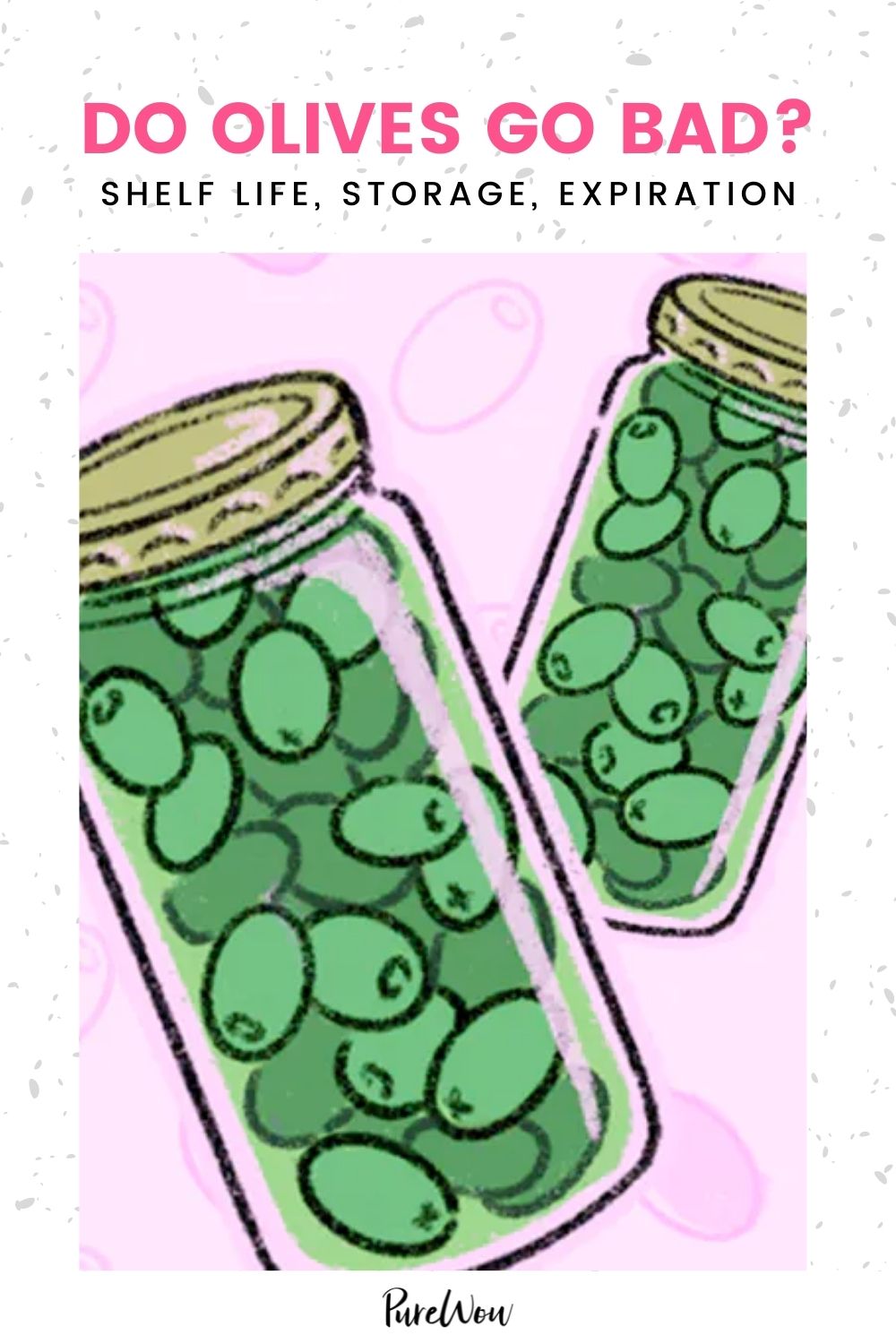
How Long Do Olives Last in the Fridge: Essential Storage Tips

– Opened olives should be refrigerated and tightly covered to maximize shelf life.
– Opened olives stored in the refrigerator can last for 12 to 18 months at best quality.
– The expiration date on the jar or can is not a safety date, but an estimate of peak quality.
– If opened olives have been stored properly and show no signs of spoilage (off odor, flavor, appearance, mold), they can still be consumed even after the expiration date.
– Olives in cans or bottles that are leaking, rusting, bulging, or severely dented should be discarded.
– Liquid-packed olives have a longer shelf-life of 12 to 18 months once opened and stored in the fridge.
– Unopened jarred olives can stay fresh for up to two years.
– “Best by” dates are more of a suggestion and the olives can still last beyond that.
– Mold or any change in appearance or smell indicates that the olives are bad.
– Unopened olives should be stored in a cool, dark place and once opened, they should be stored in the fridge.
– Dry-packed olives should also be transferred to airtight containers to retain their freshness.
– Making a brine by mixing ½ teaspoon of salt with 1 cup of water and submerging the olives in it can prolong their shelf life, but they should be consumed within a couple of weeks.
– Olives can be frozen for up to six months in an airtight container without the brine if there is concern about not being able to use all the olives in time.

Continue Reading

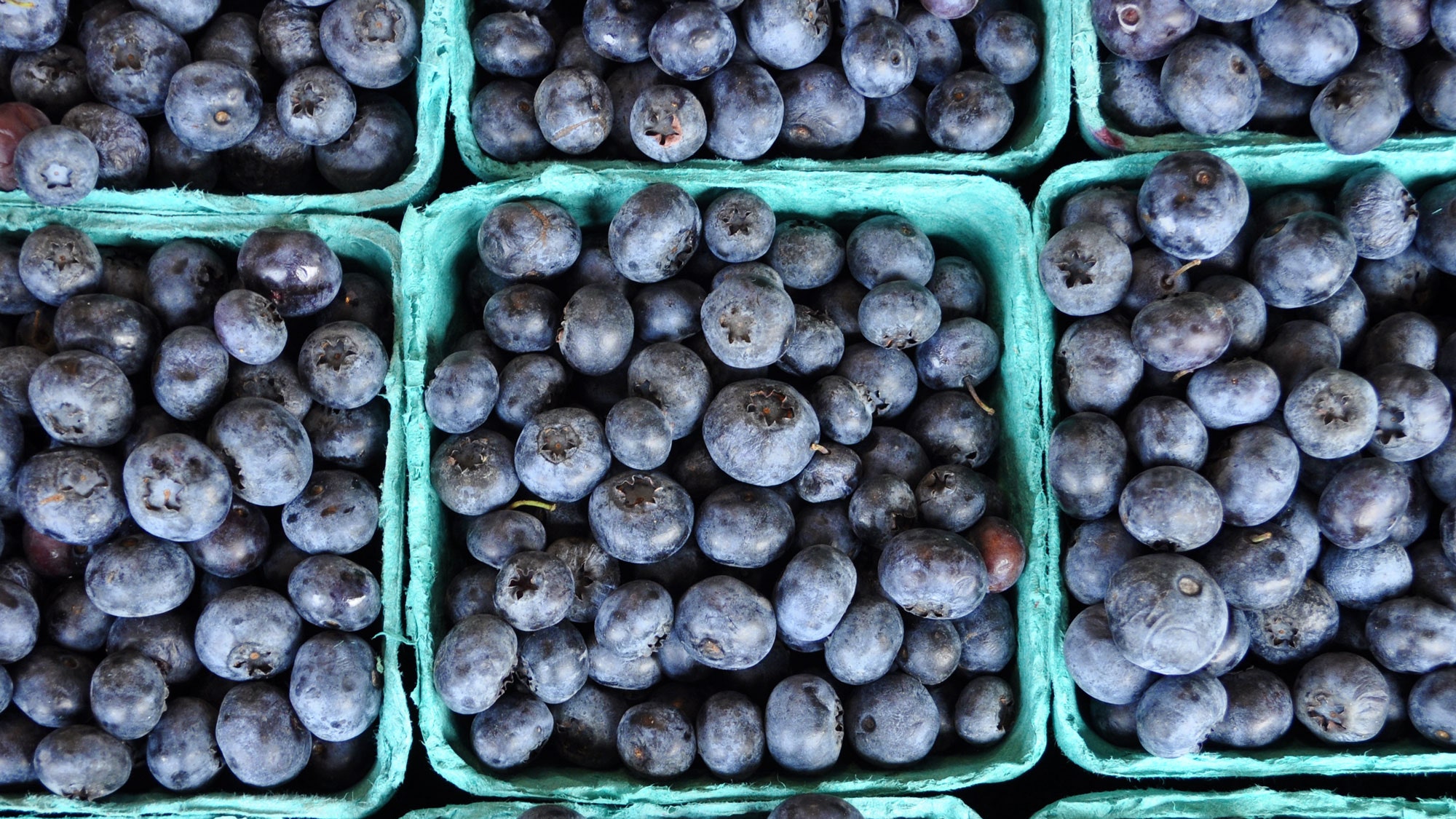
Inside of Blueberries: Discover the Littleknown Secrets

– The color of the inside of a blueberry is not indicative of freshness or ripeness
– Blueberries can have a pale or white interior, especially store-bought or cultivated ones
– The inside color can range from white to green to various shades of blue
– Anthocyanins determine the color of blueberries
– Higher levels of anthocyanins in wild blueberries result in a darker blue color inside
– Cooked blueberries turn blue or purple
– The firmness of the blueberry is important and it should not be mushy
– White mold, black color, or sludgy texture inside indicates spoilage
– Blueberries have small seeds inside
– Blueberries are a good source of fiber
– The color of the inside does not necessarily indicate quality or nutritional value
– Both wild and cultivated blueberries have nutritional benefits including vitamins and antioxidants
– Wild blueberries have more antioxidants but are more expensive and harder to find
– Blueberries are low in calories and high in vitamins and antioxidants
– Blueberries have tiny seeds inside that are packed with beneficial nutrients
– Blueberries have a dark blue or purple skin covered in a waxy coating called bloom
– The flesh of blueberries is soft and juicy
– Inside a blueberry is a light green interior with a small white spot called the “blossom end”
– The inside is filled with tiny seeds, which are the fruit’s ovaries
– The inside is not blue, but a lighter shade of green
– The inside may have lighter blue spots called anthocyanins
– The inside color can vary based on ripeness and the presence of anthocyanins
– Red-fleshed blueberries have higher levels of anthocyanins
– Both blueberry types are beneficial for health
– Reddish-blueberries are sweeter and juicier
– Blueberry flesh color affects cooking and baking results
– Anthocyanin is responsible for the blueberry color and provides health benefits
– Blueberries start green and gradually turn blue-purple
– Soil pH affects blueberry color
– Freezing blueberries can darken their color
– Blueberry color indicates nutritional value
– Texture and juiciness change as blueberries ripen
– Flavor becomes sweeter as blueberries ripen
– Plump, firm, and fully blue-purple berries are best for eating fresh
– Slightly underripe berries are better for balancing sweetness
– Ripe berries are ideal for blueberry pies.

Continue Reading

How Long Can Milk Stay Out of the Fridge? Essential Tips and Expert Advice

– Unopened milk should not be stored out of the refrigerator or at room temperature.
– If the temperature exceeds 45°F, unopened milk can only be safe to drink for up to 1 hour.
– Aim to store milk at 40°F or below.
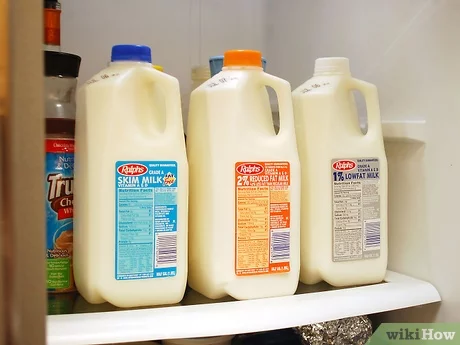
– Reduced-fat milk and skim milk last for 7 days in the fridge.
– Whole milk can turn sour in as little as 5 days in the fridge.
– Non-fat milk and lactose-free milk have shelf lives of up to 10 days.
– Organic milk can last for up to 1 month due to ultra-high temperature pasteurization.
– Cartons labeled organic often have a longer shelf life compared to regular milk.
– Pasteurized milk needs to be refrigerated, while UHT milk is more common in some European countries.
– Grade-A milk should be kept at a temperature below 45°F in the refrigerator.
– After milk is opened, it can last from about 4 to 7 days in the fridge.
– Raw unpasteurized milk can last between seven and ten days in the refrigerator if stored at 36-38°F.
– Milk stored at higher temperatures can spoil and taste tangy due to lactic acid produced by lactobacilli.
– There is long-life or shelf-stable milk that can last for up to six months at room temperature, packaged in aseptic cartons and ultra-pasteurized.
– Breast milk can be left out safely for up to four hours at a room temperature of 77 degrees F.

Continue Reading