– Pork is a versatile meat that can be used in a wide range of dishes.
– Common uses of pork include roasts, grilling, stews and soups, stir-fries, sausages, and bacon.
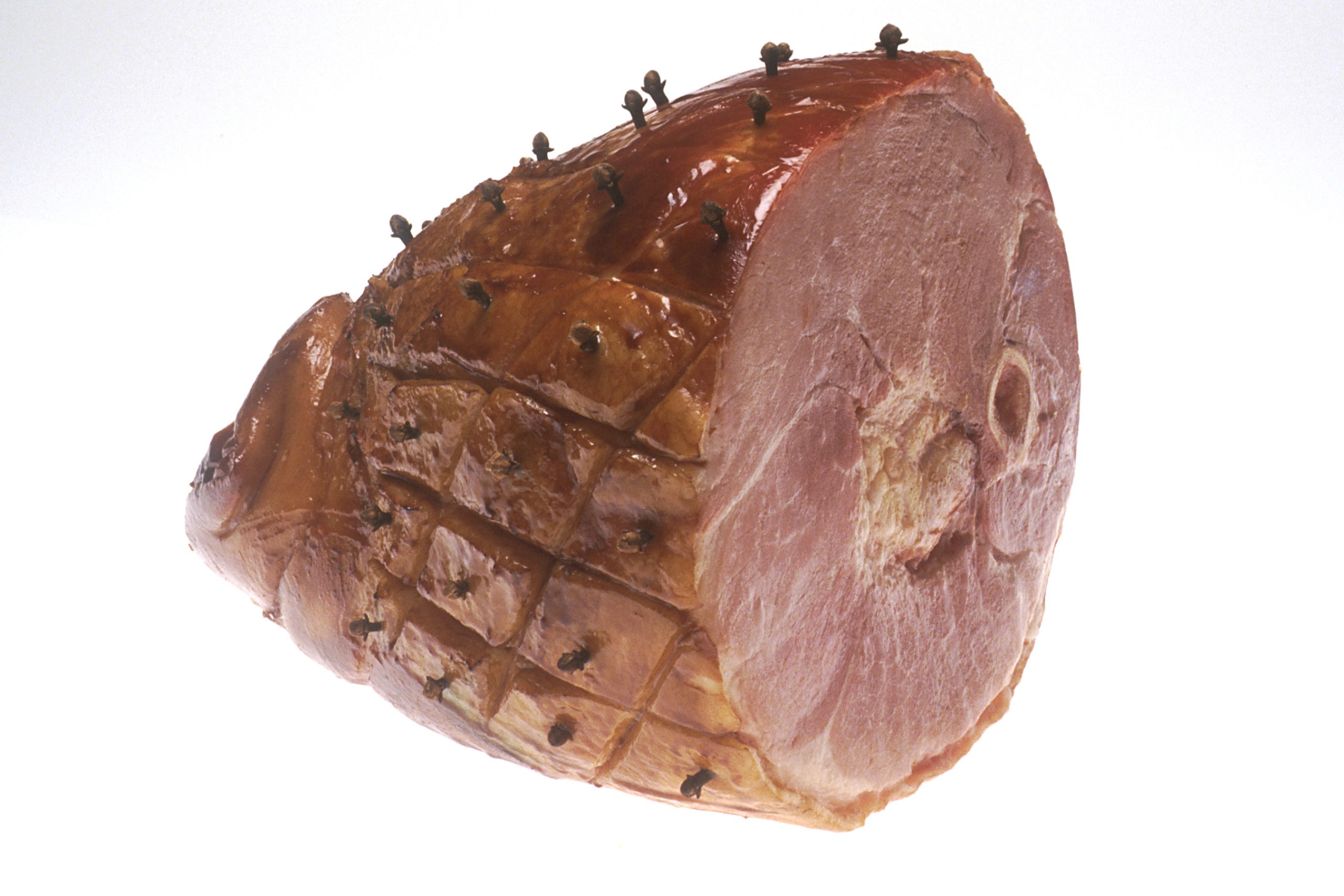
– Ham specifically refers to the cured or smoked meat from the hind leg of a pig.
– The curing process involves treating the meat with salt, sugar, spices, or flavorings.
– Smoking the meat imparts a smoky flavor and aids in preservation.
– Ham is known for its rich, savory flavor and tender texture.
– Ham is often enjoyed as a centerpiece for holiday meals and used in sandwiches, soups, and salads.
– The article discusses different types of ham and its common uses in cooking.
– Some popular types of ham include country ham, city ham, prosciutto, Black Forest ham, and Serrano ham.
– Country ham is dry-cured and aged, while city ham is wet-cured and often pre-cooked or smoked.
– Prosciutto is a dry-cured ham from Italy, while Black Forest ham is smoked over pine or fir wood.
– Serrano ham is a dry-cured ham from Spain.
– Ham can be used in sandwiches, soups, stews, quiches, frittatas, salads, and pasta and rice dishes.
– The article discusses the key differences between pork and ham in terms of their sources, preparation methods, flavor profiles, textures, and nutritional profiles.
– Pork is derived from domestic pigs raised for meat production, while ham specifically refers to the hind leg of a pig that has been preserved through curing and smoking.
– Pork can come from various cuts of the pig, such as the shoulder, loin, or belly, while ham typically comes from larger, mature pigs.
– Pork can be prepared in numerous ways such as grilling, roasting, or frying, while ham undergoes a specific preservation process involving curing with salt and sometimes other seasonings, followed by smoking to enhance its flavor and extend its shelf life.
– In terms of flavor and texture, pork offers a wide range of flavors depending on the cut and cooking method. It can be tender and juicy with a mild and slightly sweet taste. Ham, on the other hand, has a distinct and robust flavor due to the curing and smoking process. It is rich, salty, and sometimes slightly sweet, with a smoky depth.
– Pork can have varying textures depending on the cut, while ham tends to have a firmer texture but can still be moist and succulent when cooked properly.
– In terms of nutritional profiles, pork is a good source of protein, essential vitamins, and minerals. It contains varying amounts of fat, with leaner cuts like pork tenderloin having lower fat content. Pork provides important nutrients such as iron, zinc, and B vitamins.
– Ham tends to have a higher fat content compared to fresh pork cuts. The curing process adds sodium to ham, which can be a concern for individuals watching their sodium intake. However, ham is still a good source of protein and provides similar vitamins and minerals as pork.
– The nutritional content of pork and ham can vary depending on the specific cut and preparation method.
– Both pork and ham have a wide range of cooking methods and techniques. Pork can be grilled, roasted, slow-cooked, stir-fried, sautéed, or used in stews and soups. Ham is often enjoyed without further cooking, but can also be baked or glazed.
– Pork and ham have origin stories that trace back to different parts of the world. The consumption of pork can be traced back thousands of years to ancient civilizations. Curing and smoking pork to make ham helped extend its shelf life and became popular in Europe.
– Both pork and ham have become integral parts of various cuisines around the world, with different cuts and preparations showcasing their flavors and textures. They hold cultural importance in various regions, with festivals, competitions, and dedicated museums dedicated to them.
– Pig farming and breeding are crucial to the production of pork and ham, with farmers focusing on raising healthy and well-nurtured pigs in a controlled environment. Popular pig breeds for pork and ham production include Berkshire, Duroc, and Hampshire.
– Pork and ham are both derived from pigs that are selectively bred and raised for desirable traits such as marbling, tenderness, and flavor. Slaughtering and butchering are crucial steps in ensuring the quality and safety of the meat.
– Curing and smoking are important processes in the production of ham, enhancing flavor, texture, and preservation. Curing involves the application of salt and seasonings to remove moisture and develop unique flavors. Smoking adds a distinct smoky aroma and taste, with the type of wood used influencing the final flavor.
– The article emphasizes the importance of accurate information and informed choices when it comes to pork and ham. It clarifies common misconceptions and provides insights into their culinary versatility, cultural significance, nutritional composition, and environmental impact.
Continue Reading