Palomilla Steak: Unveiling the Secrets of This Cuban Delicacy

– The recipe serves 2 people.
– The calorie count is 580 kcal per serving.
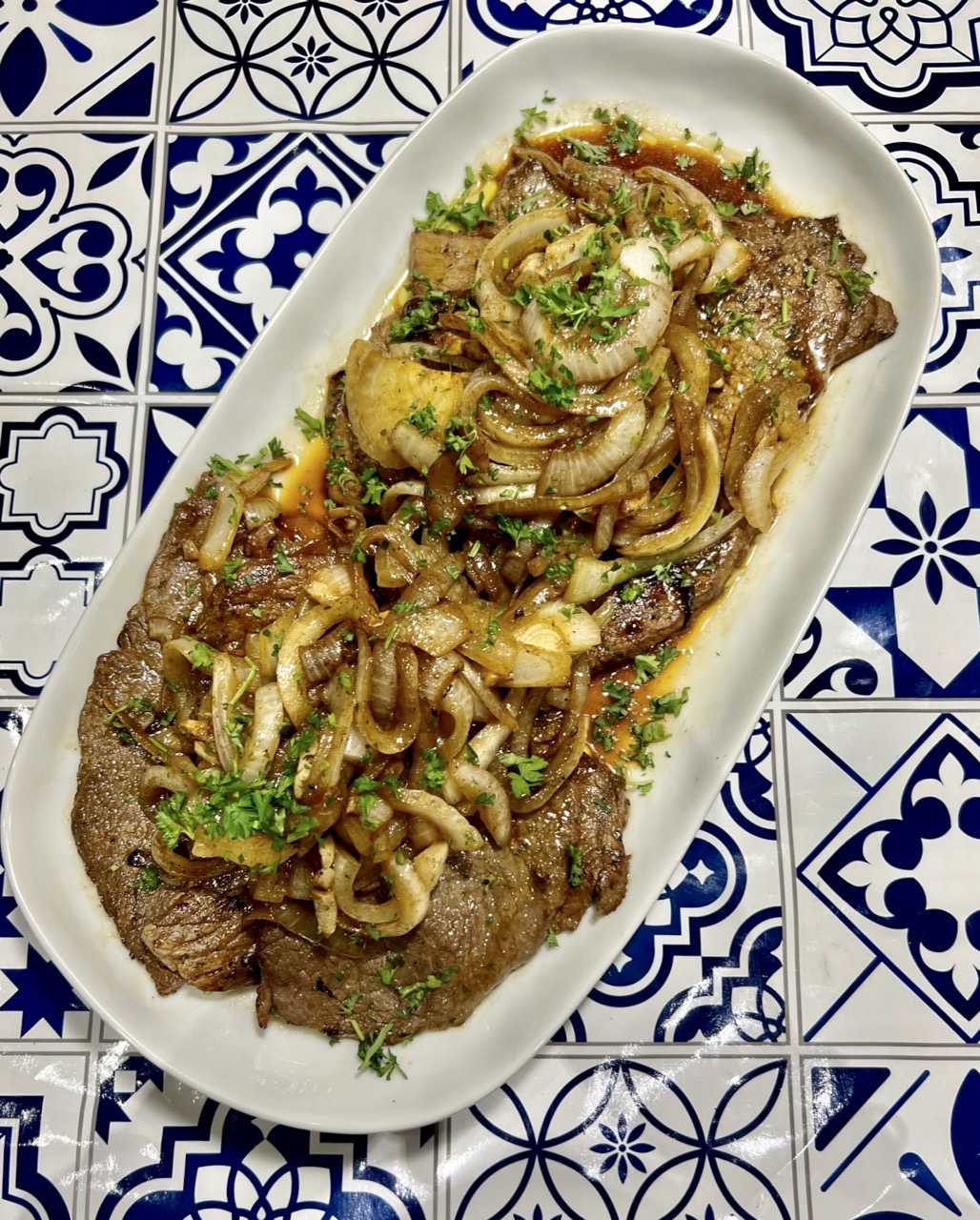
– The main ingredients include flank steak or skirt steak, onions, olive oil, garlic, fresh parsley, cilantro, lime juice, unsalted butter, garlic powder, onion powder, salt, and pepper.
– The onions are cooked in olive oil and seasoned with salt until softened and golden.
– The lime juice, parsley, and cilantro are mixed together and added to the skillet with the onions.
– The sauce is cooked for 2-3 minutes and then set aside.
– The oven rack is set 5-6 inches from the broiler unit and the stove is set to broil.
– The steak is seasoned with salt, garlic powder, and onion powder, and then broiled for 6-8 minutes for medium-rare.
– After broiling, the steak is placed on a plate and covered with foil to rest for 10 minutes.
– The steak is sliced thinly across the grain.
– The citrus sauce is poured over the steak and topped with the onions.
– The steak can be served with lime wedges.
– Cooking times may vary based on the size, thickness, shape, and personal preference of the steak.
– The article suggests using a meat thermometer for best results and provides temperature guidelines for different levels of doneness: rare (125 degrees), medium-rare (135 degrees), medium (145 degrees), medium-well (150 degrees), well done (160 degrees).

Continue Reading

Mild vs Medium: Unveiling the Flavor Spectrum

– Medium spice level is hotter than mild spice level.
– Mild peppers have a Scoville rating between 100 to 2,500 units.
– Medium peppers have a Scoville rating between 2,500 to 30,000 units.
– Both mild and medium peppers aim to keep the heat level low.
– Those with a good sense of taste can detect that medium peppers have more heat compared to mild peppers.
– Neither the medium nor the mild peppers are too hot for those concerned about burning their tongues.
– Mild peppers include sweet bell peppers, banana peppers (0 to 500 Scoville rating), piquillo peppers (500-1000 Scoville rating), shishito peppers (100 to 1,000 Scoville rating), and poblano peppers (1,000–2,000 Scoville rating).
– Medium peppers include jalapeño peppers (2,500 – 8,000 Scoville rating), chipotles (5,000 – 10,000 Scoville rating), serrano peppers (6,000–23,000 Scoville rating), and mirasol peppers (2,500 to 5,000 Scoville rating).
– Fruit that matures to a bright red, red jalapenos can be found in stores
– Jalapenos have a Scoville rating of 2,500-8,000
– Chipotle peppers are smoked and dried ripened jalapeno chiles, have a Scoville scale of 5,000-10,000
– Serrano peppers are a smaller form of jalapeno, with a Scoville scale of 6,000-23,000
– Mirasol peppers are commonly available dried as guajillo peppers, have a Scoville scale of 2,500-5,000
– Scoville Rating Scale is used to determine the heat level in a spice
– The Scoville Scale ranges from mild to extremely hot
– Scoville ratings can vary depending on growing conditions and other factors
– Mild hot sauces have ratings of 100-2,500 SHU
– Medium hot sauces have ratings of more than 100,000 and more than 300,000 SHU
– High-performance liquid chromatography can determine capsaicin concentration
– Scoville Scale remains the official measurement used
– Sauces add flavor, moisture, texture, and color contrast to dishes
– Some dishes that classify as spicy include salsa and hot sauce.
– Medium salsa is hotter than mild salsa
– Peppers provide the spiciness in salsa
– Mild salsa has a Scoville rating between 100 to 2,500 Units
– Medium salsa has a Scoville rating between 2,500 to 30,000 Units
– Salsa is served differently in each Mexican restaurant
– Fody Vegan Mild Salsa is tailored to persons with gastrointestinal sensitivity
– Fody also has a medium-spiced salsa and a salsa verde
– Nature’s Promise Organic Mild Salsa is flavorful and mildly spicy
– Newman’s Own Black Bean and Corn Salsa is chunky and medium heat level
– CHI-CHI’s Thick & Chunky Salsa Medium has a good kick of spiciness and is medium spicy
– Stonewall Kitchen Fire Roasted Salsa is known for its jarred goods, described as having a medium spice level and being gluten-free.
– Pico de Gallo is a raw salsa made from chopped tomatoes, onions, chilies, lime juice, cilantro, and salt, known for its light flavor and used as a topping for tacos and other Latin-inspired dishes.
– Salsa Roja is a popular Mexican salsa made with ripe red tomatoes, garlic, onions, and chili peppers, commonly served with tacos, burritos, and as a meat topping.
– Salsa Verde is a traditional form of salsa made with tomatillos, with a smoky, garlicky, and spicy flavor, ideal for dipping chips.
– Salsa Borracha is made with garlic, green tomatoes, pasilla chili peppers, and pulque, pairs well with charcoal-grilled meat.
– Mild or medium salsa can be served with dishes such as baked zucchini fries and various vegetables.
– There is a difference between taco sauce and salsa sauce, with taco sauce being thinner and produced using a tomato base, sugar, vinegar, and dried spices.

Continue Reading

Stock Pot Sizes: Choosing the Perfect Cookware for Efficient Cooking

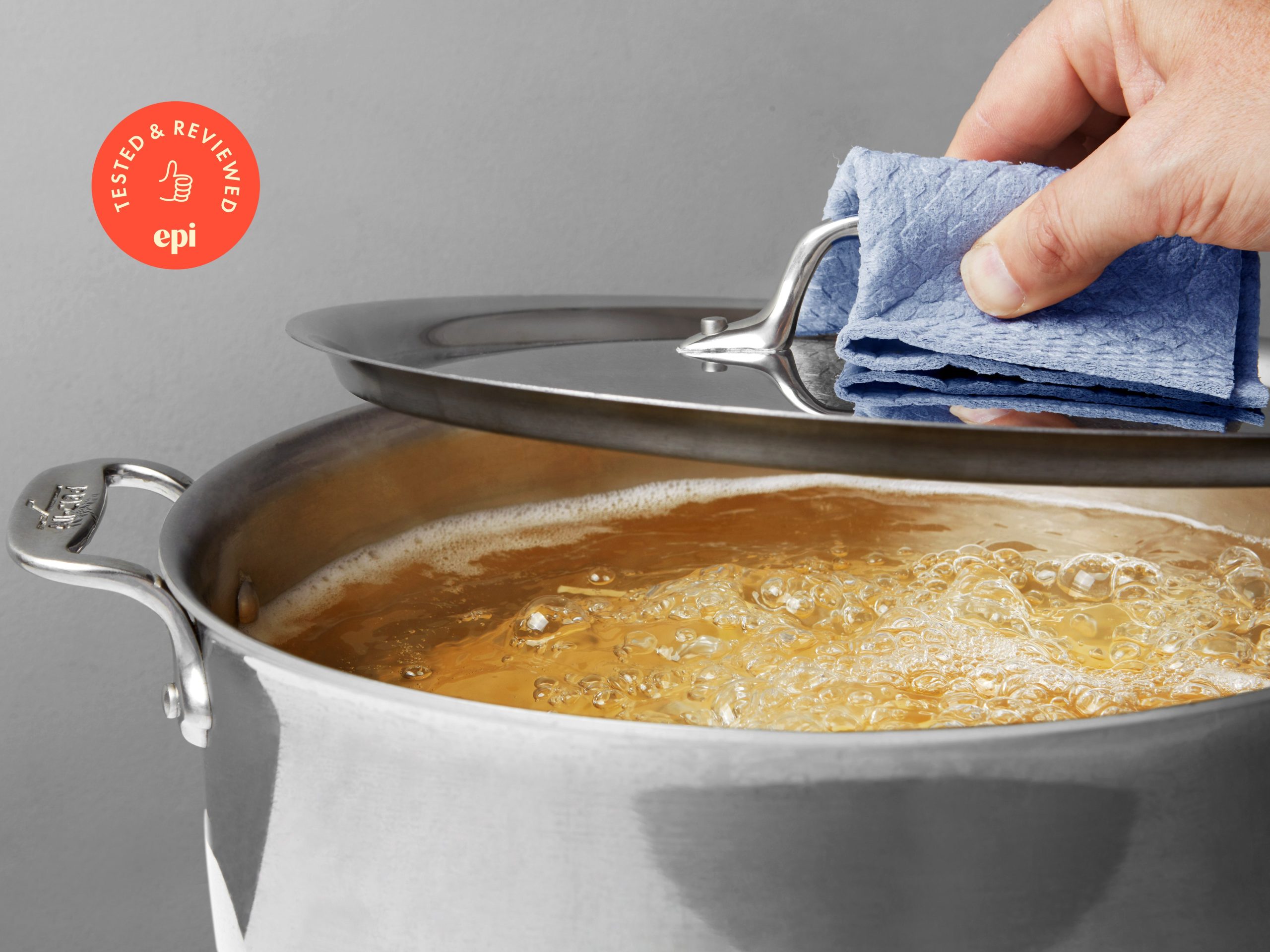
– Stock Pots are essential kitchen equipment for efficient cooking
– Stock Pots have wide cooking diameters, high walls, and two helper handles
– They are commonly made of stainless steel, but the best construction is Stainless Clad with 5-ply construction
– Using the right size Stock Pot is important for optimal cooking results
– The most common size is an 8 Quart Stock Pot, which can make 8-12 servings of soup or chili, boil 1-2 boxes of pasta, or make homemade stock
– An 8 Quart Stock Pot has a large cooking surface diameter for searing meat or browning turkey without overcrowding
– A 12 Quart Stock Pot offers more cooking space and is suitable for those who frequently cook larger amounts of food
– Smaller Stock Pot sizes (like 5 or 6 quarts) are less common and similar to saucepans without extended handles
– Larger Stock Pot sizes (like 24 and 32 quarts) are mainly found in restaurants and food prep kitchens

Continue Reading

Tomato Substitute: Exploring Delicious and Healthy Alternatives

List of Tomato Substitutes for those looking to avoid lectins or nightshades:

1. Cucumber: Provides crunch and freshness.
2. Olives: Adds a different flavor profile and provides umami flavors similar to tomatoes.
3. Cheese: Crumbled feta or shaved parmesan can bring salads or salsas to life.
4. Fresh Dates: Adds sweetness that would be missing without tomatoes.
5. Fresh Strawberries, Other Berries, and Cherries: Surprisingly work well as substitutes, especially in salads.
6. Red Capsicum/Red Bell Peppers: Can be used for their red color and sweetness as a nightshade substitute.
7. Sun-dried Tomatoes, Semi-dried Tomatoes, or Roasted Tomatoes: Provide a more intense flavor.
8. Drained Canned Tomatoes: Option if a tomato flavor is still desired, particularly in cooked dishes.

Note: The article also advises against refrigerating tomatoes to avoid loss of flavor and texture. However, no important facts, stats, or figures about tomato substitutes are provided.

Continue Reading

Unveiling the Science Behind Clear Gatorade: Enhancing Hydration

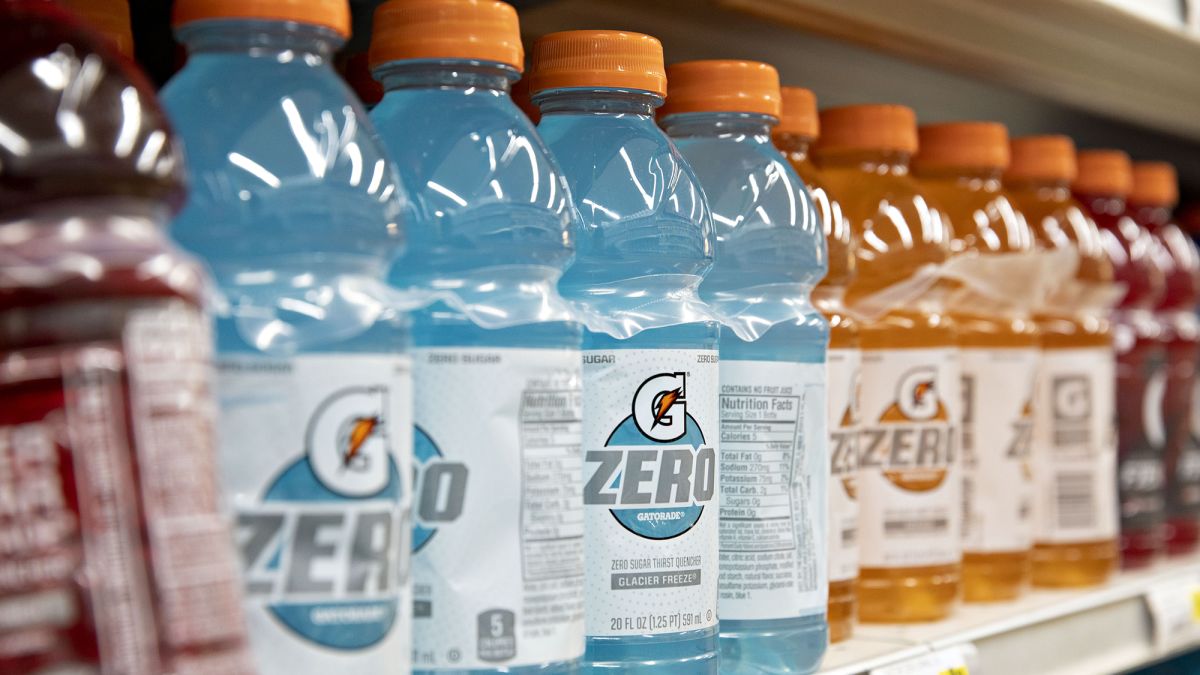
Clear Gatorade offers four primary flavors: Lemon-Lime, Orange, Berry, and Grape.
Orange Gatorade has a high glycemic index of 89, higher than soda.
Berry flavor is hydrating and refreshing, with electrolytes enhancing its taste.
Grape flavor is ranked as the 24th best flavor of Gatorade and is available in low sugar options.
Flavor plays an essential role in hydration, as athletes are more likely to drink more fluids when they taste good, improving their performance.
Consumer research found that people enjoy Clear Gatorade for its refreshing taste without artificial colors or sweeteners.
Limited information is available specifically about clear Gatorade flavors, but studies have looked into consumer preferences for all Gatorade beverages.
The original Gatorade formula is preferred in terms of taste and brand recognition by both athletes and non-athletes.
Gatorade offers around 40 different flavors globally, with regional variations based on local tastes and cultural differences.
Not all flavors are available everywhere, with some unique options only sold in certain markets, such as mango-electrico.
Taste tests and surveys have been conducted to determine Clear Gatorade’s flavor preferences.
Blue-ish flavors like Icy Charge, Cool Blue, and Arctic Blitz are among the most popular Gatorade flavors tested.
Lemon-lime, orange, berry, and grape are the four main flavors preferred by consumers.
Flavor impact on hydration has been extensively studied, with findings suggesting that enhanced electrolytes with natural flavor extracts can improve hydration during physical activity.
Fierce Grape is ranked as the best Gatorade flavor based on consumer feedback.
Gatorade Fit is a healthier alternative with no added sugar or artificial ingredients.
Whether to try these flavors depends on personal preference and athletic needs.

Continue Reading

The Ultimate Showdown: Sesame Chicken vs General Tso

Key points for the keyword ‘sesame chicken vs general tso’:
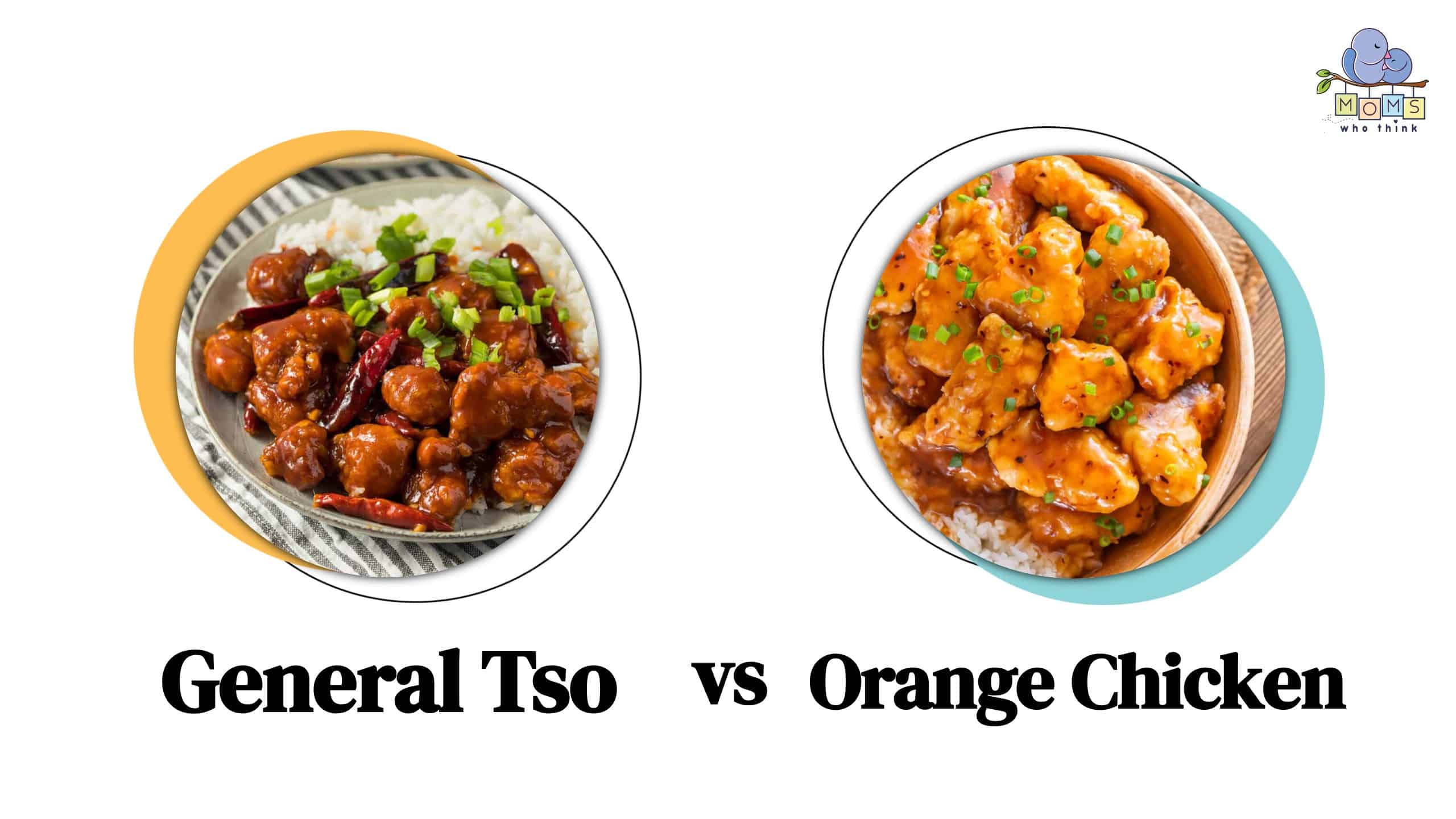
– Sesame Chicken is characterized by bite-sized chunks of boneless meat that are breaded and deep-fried. The sauce is thick, reddish-brown, slightly sweet, and tangy, with sesame oil and seeds providing the iconic flavor.
– General Tso’s Chicken is made with soft and tender boneless meat that is stir-fried with vegetables and served with a sticky, sweet, sour, and spicy sauce.
– Sesame Chicken originated in the southern Chinese region of Guangdong and became more popular in North America than in China. General Tso’s Chicken was first developed in Hunan province and was later modified in America.
– Both dishes use boneless chicken meat and common ingredients like soy sauce and rice vinegar, but they have distinct flavor profiles and textures.
– Sesame Chicken is typically deep-fried for a crispy texture, while General Tso’s Chicken is a stir-fry.
– Sesame Chicken has a nutty flavor from sesame oil and seeds, while General Tso’s Chicken has a bit of spice.
– No important facts, stats, or figures are mentioned regarding the keyword.

Continue Reading