Can You Refreeze Bacon? The Dos and Don’ts

– According to USDA guidelines, bacon can be refrozen only if it was thawed safely in the refrigerator within seven days before refreezing.
– To freeze raw bacon (unopened), tightly wrap the package with aluminum foil or plastic wrap and use within four months.
– To freeze raw bacon (opened), place it in a zip-top bag, remove the air, and use within four months.
– To freeze cooked bacon, line a rimmed baking sheet with waxed paper, arrange the strips in a single layer, freeze overnight, then transfer to a zip-top bag. Use within six months for best quality.
– Thaw bacon overnight in the refrigerator or in cold, flowing water for 30 minutes. Bacon thawed in water should be cooked immediately.
– Bacon cannot be refrozen after it has been thawed using the methods mentioned.
– Bacon can be defrosted using a microwave’s defrost function, but it should only be heated for a few minutes at a time and cooked immediately after.
– Bacon can be cooked from frozen, either as individual slices or as a block.
– When cooking bacon from frozen, it is recommended to lightly pat it with a paper towel to remove frost.
– In the microwave, bacon can be cooked on high for two minutes with paper towels to avoid grease splatters.
– On the stove, a frozen bacon block can be placed in a skillet over low heat until it thaws and individual strips can be removed.
– On the stove, frozen bacon strips can be cooked in a skillet over medium heat.
– In the oven, frozen bacon can be cooked at 400 degrees F for 17-20 minutes on a baking pan or rack lined with aluminum foil.
– Cooking bacon from frozen may result in more grease pops as the ice crystals melt.
– The article states that thawed bacon can be safely refrozen as long as it was stored in the refrigerator.
– Bacon should not be left on the counter to defrost.
– All types of bacon, including pork, turkey, and Canadian bacon, can be refrozen if thawed safely.
– Bacon should not be refrozen if it was thawed in the microwave or on the counter.
– Uncooked bacon should be refrozen within 3-5 days of defrosting.
– Unopened packages of thawed bacon can be refrozen directly, while partially used packages should be tightly wrapped in plastic wrap before placing in a ziplock bag.
– Cooked bacon should be wrapped tightly in plastic wrap and placed in a ziplock bag to refreeze.
– Cooked bacon can also be crumbled and stored in an airtight container before refreezing.
– When freezing bacon, it can be refrozen, but the duration it remains safe to eat is shorter than when initially frozen. An unopened package of raw bacon that has been refrozen can last up to 30 days in the freezer. However, if the bacon is raw from an open package, it should only be frozen for another 10-14 days. Cooked bacon can be refrozen for up to 2 weeks.
– It is important to label the bacon with the date frozen and a “USE BY” date. Proper placement in the freezer is also important to ensure it is used quickly.
– Thawing bacon should be done in the refrigerator, which typically takes 12-24 hours. Once thawed, an unopened package of refrozen bacon should be cooked within 4 days, while a partial package should be used within 2 days.
– It is not recommended to refreeze bacon twice.
– Reheating cooked and frozen bacon can be done in the microwave, oven, or toaster oven.
– Finally, there are various bacon recipes that can be made using the thawed bacon.

Continue Reading

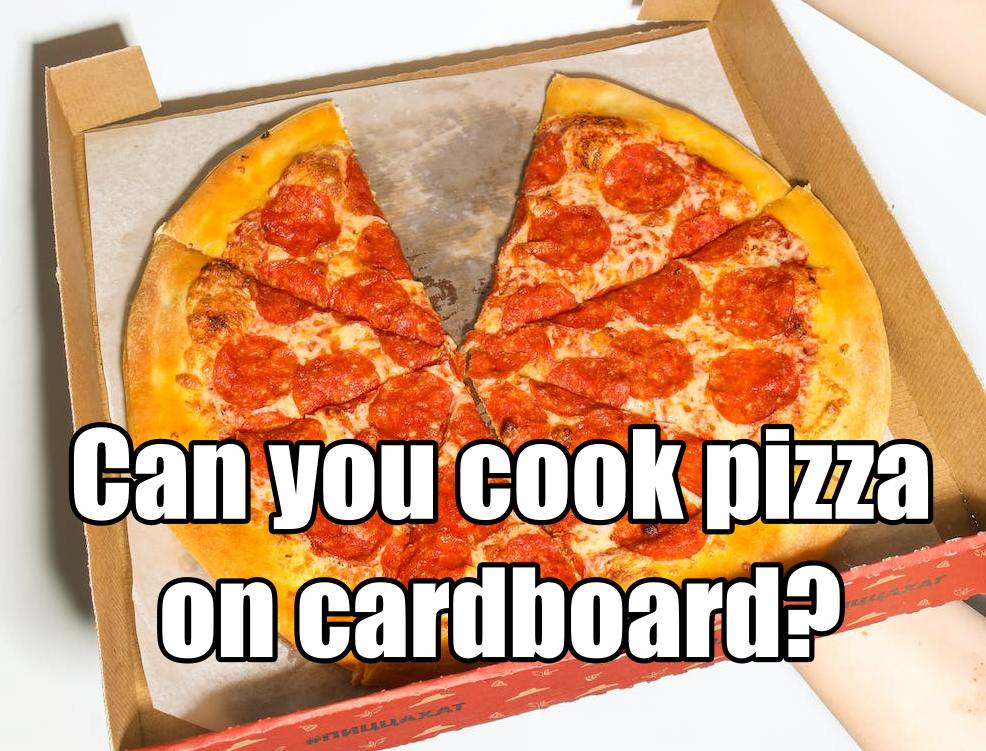
Can You Put a Pizza Box in the Oven? Discovering the Safe and Surprising Truths

– Reheating pizza by putting the whole pizza box in the oven is not recommended.
– Most pizza boxes are made of cardboard, which can catch fire at high temperatures.
– Heating cardboard can release toxins into the food, posing health risks.
– Using pizza box varieties in the oven is not recommended due to flammability and potential release of harmful chemicals.
– The main risks of putting a pizza box in the oven are fire and chemical contamination.
– It is safer to use oven-safe baking dishes or pizza stones for reheating pizza.
– The cardboard material of the box can also impact the taste and consistency of the pizza.
– Alternatives to cardboard for reheating pizza include aluminum foil, parchment paper, and a pizza stone or steel baking sheet.
– It is recommended to explore alternative methods whenever possible.
– Pizza boxes are unlikely to catch fire until temperatures reach around 400°F.
– There may be chemicals in the pizza box that can impact the food.
– The recommended temperature for reheating is 375°F and for keeping warm is 170°F.
– Placing a pizza box in the oven increases the risk of fire, chemical contamination, and tainted food.
– It is possible to bake a Little Caesars box as long as the heating element is kept away from it.
– Only oven-safe pizza pans or dishes should be used in the oven.
– Reheating pizza in the oven can result in uneven cooking.
– The cardboard material of the pizza box can affect the taste and texture of the pizza.
– It is advised against putting the cardboard box directly in the oven, as it can release harmful substances and is not recommended.
– If choosing to use the cardboard box to keep the pizza warm, the oven should not be set above 200°F and the pizza should not be left in the oven for more than 30 minutes.
– Preheating the oven is recommended and exploring alternative methods is suggested.
– Reheating the pizza for 10 minutes on the warm setting is unlikely to cause any harm, but it is advised to prioritize safety and explore safer reheating options.
– Potential fire hazards, chemical leaks, and the material safety of the pizza box are all factors to consider.
– It is possible to bake a Little Caesars box in the oven as long as the heating element is kept away from it.
– In general, warming up pizza boxes in the oven is not advised, and it is recommended to use oven-safe alternatives.

Continue Reading

Burger Temperature Chart: Ensuring Perfect Juiciness and Safety

– Burgers can be prepared in different ways, just like steak.
– Cooking burgers correctly is important to prevent foodborne illnesses.
– The minimum safe temperature for ground beef is 160 degrees Fahrenheit (FTD).
– Some burgers may not reach 160 degrees Fahrenheit.
– Consuming raw or undercooked foods can be dangerous.
– Meat thermometers are used to check the internal temperature of meat.
– Meat thermometers help lower the risk of foodborne illnesses.
– Meat thermometers allow for accurate temperature readings without compromising flavor and texture.
– To use a meat thermometer, insert the probe into the thickest section of the meat.
– Keep meat thermometers away from heat sources and check temperature in multiple areas.
– The desired internal temperature varies for different types of burgers.
– Blue rare burgers should be cooked to an internal temperature of 115-120 degrees Fahrenheit.
– Blue rare burgers usually reach this temperature in under four minutes of cooking time.
– Burgers should be cooked at medium-high to high heat, between 350 and 400 degrees Fahrenheit.
– Cooked burgers should sit out at room temperature for less than two hours, or less than one hour in temperatures above 90 degrees Fahrenheit.
– Leftover cooked burgers should be stored in a refrigerated area to prevent bacterial growth.
– Cooked burgers should rest for around five minutes before serving.
– It is not required to bring the meat to room temperature before grilling, as starting with cold meat helps maintain the burger’s juicy texture.
– The cooking time for burgers will vary depending on the desired doneness.
– The internal temperature of the burger is more important than the cooking time.
– The recommended internal temperatures for different levels of doneness are:
– Blue Rare: 115-120 degrees Fahrenheit
– Rare: 120-125 degrees Fahrenheit
– Medium-Rare: 130-135 degrees Fahrenheit
– Medium: 140-145 degrees Fahrenheit
– Medium-Well: 150-155 degrees Fahrenheit
– Well-Done: Over 160 degrees Fahrenheit
– Properly preparing burgers is important for food safety and customer satisfaction.

Continue Reading

How to Tell if Sour Cream is Bad: Expert Tips for Spotting Spoiled Sour Cream

Signs that sour cream has gone bad include mold growth, discoloration, off smell, sharp or bitter taste, curdling, and dryness. Mold growth appears as fuzzy grey or green spots, and a moldy film may also be present. Discoloration indicates bacterial or fungal growth. An off smell beyond the usual tangy aroma suggests spoilage. A sharp, bitter, rancid, or yeasty taste is a sign of spoilage. Curdling is normal if there is a light layer of white, milky liquid on top, but lumps or curdles indicate spoilage. Dryness and no presence of whey (milky, watery liquid) are also signs of spoilage.

Tips for storing sour cream properly:

1. Store sour cream in the fridge below 40°F (4°C) to slow down the growth of molds and bacteria.
2. Store sour cream further back in the fridge for more constant temperature, not in the fridge door.
3. Keep sour cream tightly covered in the original packaging or in a clean airtight container to prevent spoilage.
4. Use clean and dry utensils to scoop out sour cream to avoid cross-contamination.

Important facts:

1. Sour cream that is moist and watery is normal, while dense sour cream is a sign that it has dried out.
2. Sour cream is a perfect environment for molds and bacteria.
3. Always store sour cream in the fridge below 40°F (4°C) to slow down the growth of molds and bacteria.
4. Store sour cream further back in the fridge for more constant temperature, not in the fridge door.
5. Keep sour cream tightly covered in the original packaging or in a clean airtight container to prevent spoilage.
6. Use clean and dry utensils to scoop out sour cream to avoid cross-contamination.
7. If sour cream shows signs of spoilage, you may get sick from consuming it.
8. Do not eat sour cream that has been left out overnight as bacterial growth accelerates at room temperature.
9. Sour cream can spoil at room temperature within 2-4 hours.
10. If sour cream is left out for this long, discard it immediately.

Importance of not using expired sour cream:

1. It is best not to take the risk of using expired sour cream, as it can cause severe cases of foodborne illness.
2. If a tub of sour cream is unopened and within three weeks past the sell-by-date or use-by-date, it can still be used if it has been stored correctly in the fridge.
3. However, before using expired sour cream, it is important to inspect it for signs of spoilage for safety reasons.
4. If the sour cream expired a month ago, it is recommended to throw it out.

Potential risks of consuming spoiled sour cream:

1. Eating spoiled sour cream can lead to food poisoning with symptoms like stomach cramps, nausea, diarrhea, and fever.

Continue Reading

Brat Internal Temperature: Ensuring Safe and Delicious Grilling

– The article provides tips on how to smoke and grill brats.
– It recommends choosing uncooked, raw brats with a well-balanced lean-to-fat ratio.
– Cooked brats are pre-boiled and may have diluted flavor.
– The ideal brat has a 70% lean and 30% fat ratio.
– The article suggests lightly rolling the brats in a signature Traeger rub or any preferred rub before grilling.
– It mentions that seasoning preference depends on personal taste or recipe.
– If braising, the rub can be added to the beer/broth mixture.
– Oil is not necessary when using a Traeger grill.
– For smoking brats, smoke them for about 45 minutes to an hour at 225 degrees Fahrenheit or the Super Smoke setting.
– After smoking, the grill should be turned up to 375 degrees Fahrenheit to crisp up the casing for a juicy snap.
– The article provides instructions for grilling brats, including different methods such as smoking and braising.
– It suggests using a beer braise and recommends specific types of beer, such as Leinenkugel’s Summer Shandy or IPA, to enhance the flavor.
– The article also mentions the importance of choosing appropriate wood pellets for smoking the brats, with hickory, maple, and apple wood being popular options.
– Brats (bratwursts) only need to rest for 5 to 10 minutes after grilling
– Set grill temperature to High and preheat for 10 to 15 minutes
– Cook brats on the grill, turning frequently, until internal temperature reaches 145 degrees Fahrenheit
– USDA recommends cooking bratwursts to an internal temperature of 160 degrees Fahrenheit, but 140 to 145 degrees Fahrenheit yields juiciest results
– Do not take brats off the grill if they’re under 140 degrees Fahrenheit to avoid foodborne illness
– Toasting the bun can add a crisp texture with a soft interior, spread butter or mayo on the inside and grill face-down for a minute or two
– Pellet grill creates bolder and smokier flavors that complement the brats’ juices
– Brats should be grilled slowly over medium-low heat (between 300 and 350°F) for best results.
– It should take about 20 minutes to reach the desired internal temperature of 160°F.
– The cooking time may vary depending on the thickness of the brats.
– It is important to turn them often for even caramelization.
– Using high heat is not recommended as it can char the outside and cause the casing to split open, leading to juice spillage.

Continue Reading

The Real Dangers and Consequences of Eggs Left Out Overnight:

Important information related to the keyword ‘eggs left out overnight’:

– Leaving eggs out overnight can cause bacteria to grow rapidly, increasing the risk of food poisoning.
– Unrefrigerated eggs can last for up to 2 hours at room temperature.
– Refrigerating eggs helps to slow down the growth of bacteria and prevent spoilage.
– Leaving eggs in water overnight can cause them to spoil and develop a bad odor.
– Eggs must be refrigerated as soon as possible to ensure their freshness and prevent the growth of harmful bacteria.
– Eggs left in a car for an extended period of time should be thrown out due to the risk of food poisoning.
– Raw eggs that have been refrigerated should remain in the refrigerator until ready to cook.
– Eggs should not be kept out of the refrigerator for longer than two hours.
– Leaving eggs out at room temperature increases the risk of bacteria growth.
– To determine if raw eggs are still good, the float test can be used – if the egg sinks in water, it is good to use, but if it floats, it is not safe.
– Any questionable eggs should be discarded to avoid the risk of salmonella.
– Europeans do not refrigerate eggs and use unwashed eggs to prevent salmonella.
– Left eggs in a car overnight can fluctuate in temperature and are not safe to cook or eat.
– Eggs left in a car for over 2 hours should be thrown out.
– Cooked eggs left out at room temperature for more than an hour can deteriorate in quality and become unsafe to eat.
– Leaving eggs in a hot car (85°F or higher) for 30 minutes causes bacteria growth.
– Eggs left in a cold car (below 40°F) are safe to eat, but fluctuations to higher temperatures for more than two hours can cause contamination.
– Eggs can spoil due to infection with germs or going rotten.
– Proper storage and refrigeration can prevent eggs from spoiling.
– The washing process of eggs reduces their natural protection quality and makes them vulnerable to contamination.
– Eggs should be kept cool to prevent bacterial infection, but the quality of older eggs decreases.
– Eggs can carry Salmonella if they come into contact with contaminated droppings.
– Proper cooking kills harmful bacteria, so raw eggs should be avoided.
– Pasteurized eggs can help decrease the risk of Salmonella contamination.
– There is a debate on the best way to store fresh eggs; in the US, eggs are refrigerated to prevent bacterial contamination.
– In Europe, many chickens are vaccinated against Salmonella, making it unlikely for eggs to be affected. They are not cleaned and should not be refrigerated.
– The need for refrigerating eggs depends on the country of residence.
– Commercially produced eggs in North America, Japan, Australia, Sweden, and the Netherlands must be refrigerated.
– If chickens are not vaccinated, their eggs can be at risk of Salmonella and should be cleaned before use.
– It is not recommended to wash eggs as it can destroy the protective properties of the shells.
– Eggs should be kept in their containers in the fridge towards the rear to ensure safety and avoid temperature fluctuations.
– Eggs can remain fresh for up to 4-5 weeks if kept cold.
– If eggs are not washed, they can be stored on the counter or in a cabinet, but must be consumed within three weeks.
– Cooked eggs should be consumed or chilled as soon as possible and can remain in good condition for three to four days when stored in a sealed container.

Note: I have removed any duplicate information from the original text.

Continue Reading

Can You Eat Raw Crab? Discover the Risks

– Ganjang gejang is a Korean dish featuring raw marinated crab.
– The recipe involves cleaning live crabs and marinating them in a brine solution with garlic, rice wine, soy sauce, lemon juice, and other ingredients.
– The raw crab is then refrigerated in the solution for up to three days before being consumed.
– Consuming raw seafood can pose health risks due to parasites and toxins in raw crabs.
– Similar to ceviche, which uses citrus juice to cook raw fish, the recipe is popular on TikTok.
– Raw marinated crab videos are popular on social media.
– Further investigation into the risks of foodborne illness is necessary.
– It is important to understand the risk of foodborne illness before eating raw marinated crab.

Continue Reading

How to Reheat Meatloaf: Top Tips for Ultimate Deliciousness

– The challenges of reheating meatloaf and how to prevent it from drying out
– Multiple methods to moisten dried meatloaf and choosing the method that suits individual preferences
– Instructions on how to reheat meatloaf in the oven, microwave, and air fryer
– Importance of using the oven for reheating as it provides even heat without drying out the meatloaf
– Reheating slices of meatloaf in the microwave with a damp paper towel and low-power setting
– Air fryers as a suitable option for reheating meatloaf, especially if the meatloaf was originally cooked in the air fryer
– Steps to reheating meatloaf in an air fryer, including using slices, air fryer paper, and cooking spray to prevent sticking and drying out
– Skillet as another option for reheating smaller portions or a few slices of meatloaf
– Preheating the skillet with lubricant, covering it, and reheating on medium heat for crispy edges or low-medium heat for a tender finish
– Checking the internal temperature of the meatloaf with a meat thermometer to ensure it reaches 165 degrees F for safety
– Using ground meat should always be cooked to at least 165 degrees F for safety
– Comparing the level of crispiness achieved when reheating in the microwave, skillet, or air fryer
– Using microwave browners or crisper plates to achieve a crispy finish when reheating in the microwave
– Adding crumbled dried meatloaf to other dishes, even if it is too dry to eat on its own
– Mention of various meatloaf recipes, including ground chicken parmesan meatloaf, southern meatloaf, easy meatloaf with few ingredients, meatloaf with oatmeal, meatloaf with Ritz crackers, BBQ meatloaf, and cheeseburger meatloaf.

Continue Reading