Mutton vs Lamb: Understanding the Differences in Taste, Nutrition

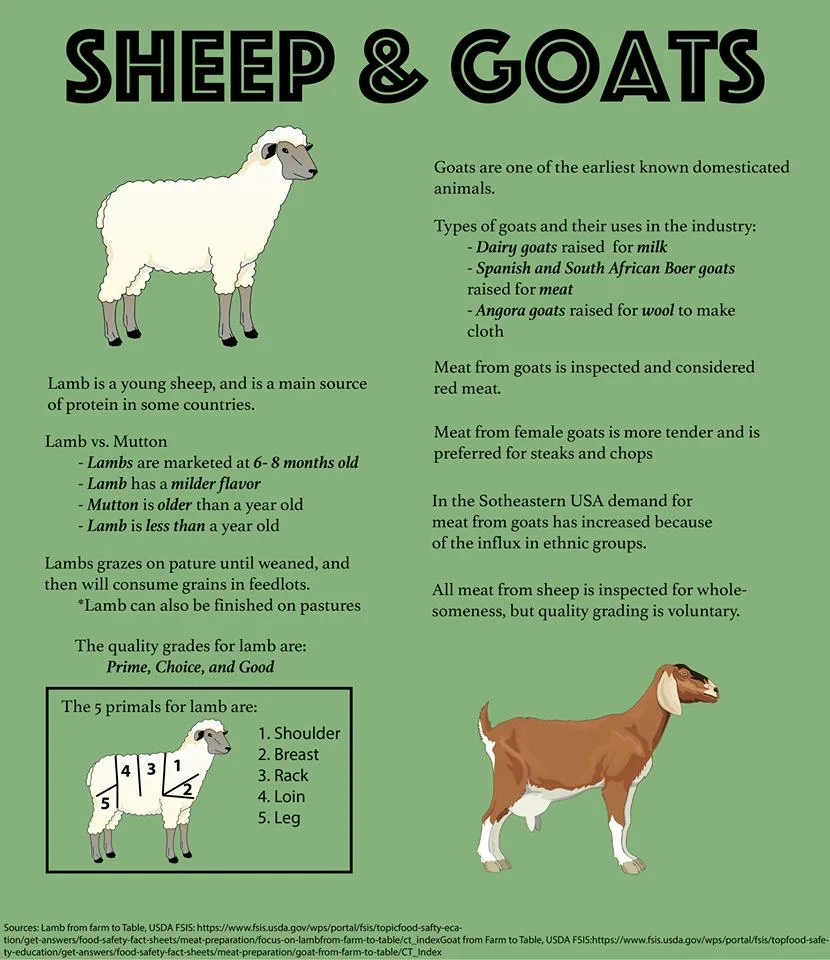
– Lamb is meat from young sheep under one year of age, while mutton is meat from mature sheep harvested between 2 to 3 years of age
– There are two sub-categories of lamb: baby lamb (6 to 10 weeks old) and spring lamb (5 to 6 months old)
– There is one sub-category of mutton called yearling mutton (12 to 24 months)
– In the United States, most retailers sell lamb meat that is 24 months or older, but it is often mislabeled and marketed as lamb
– Mutton is considered inferior in quality, taste, and texture compared to lamb
– Mutton has a more robust and gamey taste, while lamb has a delicate, mild, and slightly sweet flavor
– Mutton can be fatty, and its bolder flavors are softened when slow-cooked or braised
– Lamb pairs well with various sauces and marinades
– Lamb is preferred over mutton for its taste, texture, and mouthfeel
– Raw lamb meat has a lighter, pink color, while mutton meat has a deep, dark red hue
– Raw lamb meat has a sweet and fresh smell, while mutton meat has a pungent smell with an aged gamey scent
– Lamb is generally more expensive than mutton
– Expect to pay around $18 to $40 per lb. for good quality organic grass-fed lamb, and around $9 to $12 per lb. for mutton
– In the US, there may be mislabeling and selling of mutton (and goat meat) as lamb
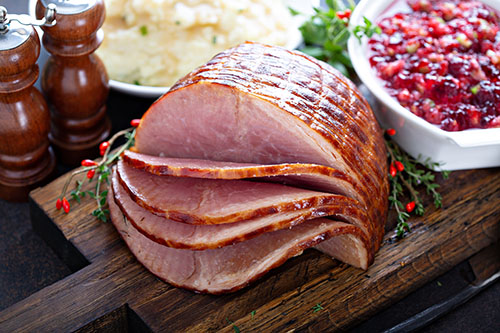
– Visual differences between lamb and mutton can help distinguish them, such as size, color, and rib size
– Lamb meat is tender and soft, while mutton meat is tougher and contains more fat
– Lamb can be prepared in various ways depending on the cut, while mutton requires slow cooking due to its toughness
– Lamb is popular in Australia, Europe, New Zealand, and Canada, while mutton is commonly found in Middle Eastern, Indian Subcontinent, Mongolia, and South American cuisines
– Lamb and mutton are different types of meat, while goat meat is a separate species
– Lamb is more tender and has a more refined taste, while mutton is tougher and more gamey
– Lamb is about 60 to 70% more expensive than mutton
– Lamb can be fried or grilled, while mutton requires slow cooking or stewing
– Mutton contains a higher fat content compared to lamb
– In India, the term “mutton” is commonly used for both sheep and goat meat, but it mostly refers to goat meat
– Popular cooking methods for lamb include grilling, braising, and roasting
– The most popular method to prepare mutton is slow cooking or stewing
– Mutton is more popular due to its strong flavor, while lamb is considered a healthier choice

Continue Reading

Are Twizzlers Vegan? Exploring the Ingredients and Alternatives

– Twizzlers varieties, except for Twizzlers Gummies, contain animal ingredients or gelatin.
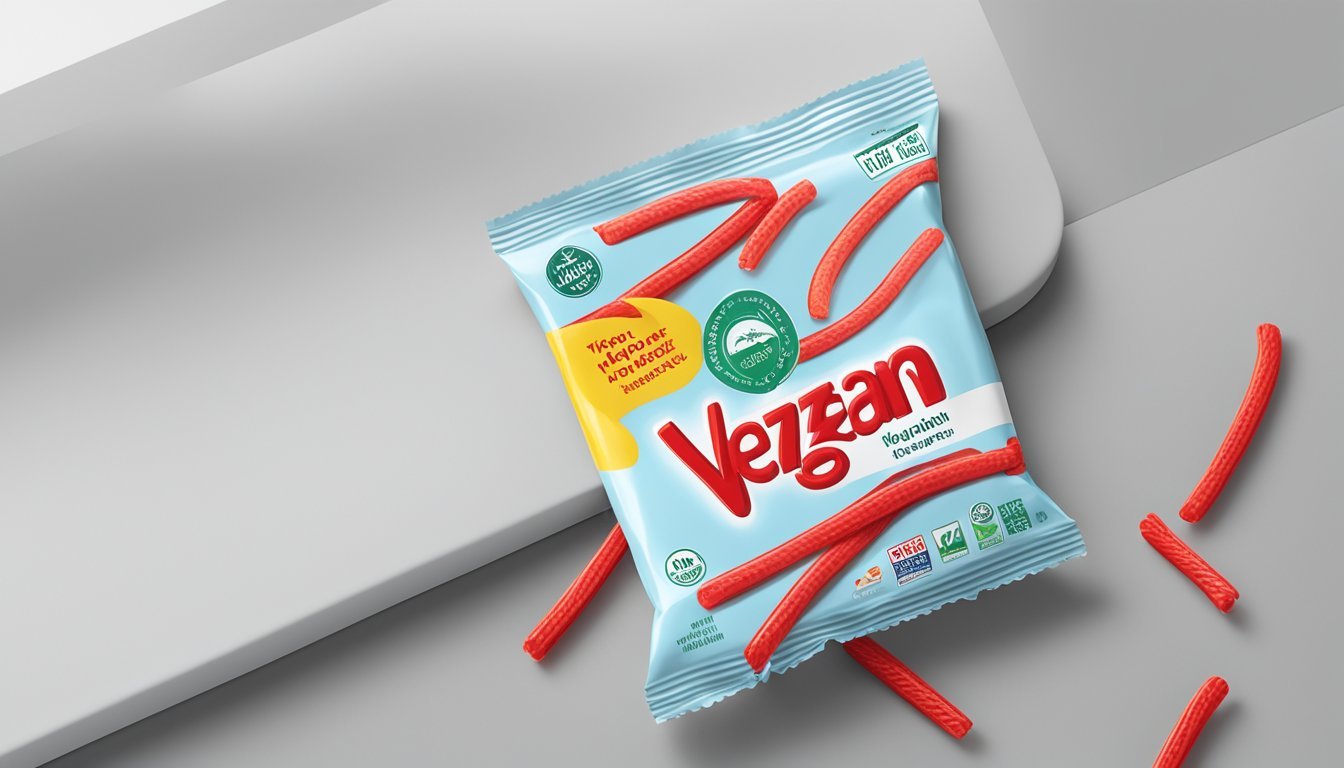
– Twizzlers Twists, Bites, Pull ‘n’ Peel, and Nibs are considered vegan candies.
– The ingredients in Strawberry Twizzlers do not include animal products or gelatin.
– Twizzlers Gummies contain gelatin and are not vegan.
– Gelatin is a protein obtained from animals and is commonly used in various products.
– There are numerous vegan flavors and varieties of Twizzlers available.
– Twizzlers, with the exception of Twizzlers Gummies, are generally considered vegan.
– Twizzlers debuted in 1845 and became part of the Hershey Company in 1977.
– Twizzlers can be used in trail mix recipes, but certain ingredients like Reese’s Pieces are not vegan.
– Homemade Twizzlers can be made using date paste, beet juice, and strawberry extract.
– Leftover Twizzlers can be used to make bracelets.
– Healthier options to traditional Twizzlers include Real Twists by Darrell Lea, which are plant-based and do not contain high fructose corn syrup or artificial colorings.
– Other vegan fruity and chewy candies include Airheads, Sour Patch Kids, Laffy Taffy, Dots, Jujubes, Sour Big Chewy Nerds, and some varieties of Swedish Fish.
– Twizzlers are not considered healthy due to high sugar content and the use of red dye and other questionable ingredients.
– Some brands of white sugar may not be considered vegan due to the production process using bone.
– The article discusses whether Twizzlers are vegan.
– It mentions that cane sugar, which is used in Twizzlers, technically does not contain animal products. However, it is likely that the sugar used in Twizzlers is filtered through animal bone char.
– The article also states that the most popular flavor of Twizzlers is strawberry.
– Twizzlers are not gluten-free as they contain wheat.
– Only Twizzlers Gummies contain gelatin, while other flavors and varieties do not.
– Overall, Twizzlers are considered to be free of ingredients from animal products, except for Twizzlers Gummies.

Continue Reading

Unique Food That Starts with U: Uncovering Unknown Delicacies

– Ugli Fruit
– Umbrella Fruit (Ambrella)
– Udon Noodles
– Uthappam
– Ume
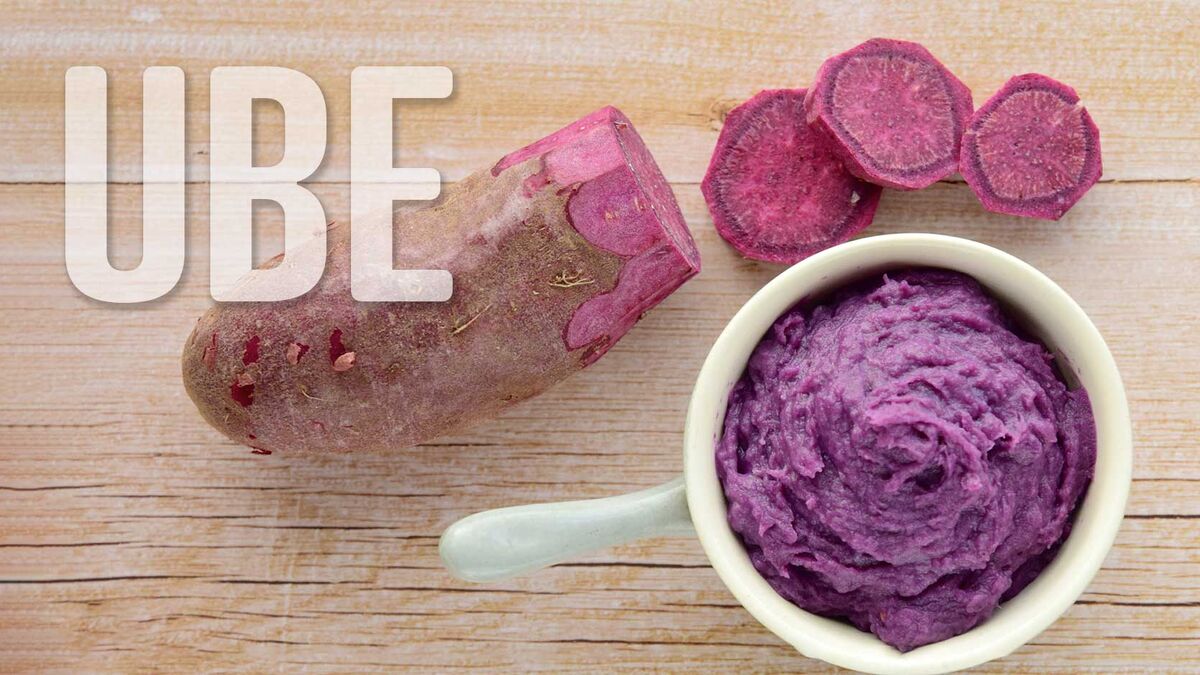
– Ube
– Ugni Fruit (Chilean guava)
– Ugali
– Utah Scones
– Upma
– Uszka (small dumplings filled with mushrooms)
– Umbricelli pasta
– Umeboshi
– Unagi (freshwater eel)
– Urgelia Cheese
– Urad Dal (split black lentils)
– Unani Medicine
– Uva Ursi (bearberry)
– Urfa Biber (dark, burgundy-colored pepper)
– Urda Cheese
– Ume Wine
– Ubatzda (cheese and beer dip)
– Unsweetened Chocolate
– Ulava Charu (horse gram lentil soup)
– Umble Pie
– Umbleberry

Continue Reading

Temperature for Medium Burger: The Perfect Safe Cook

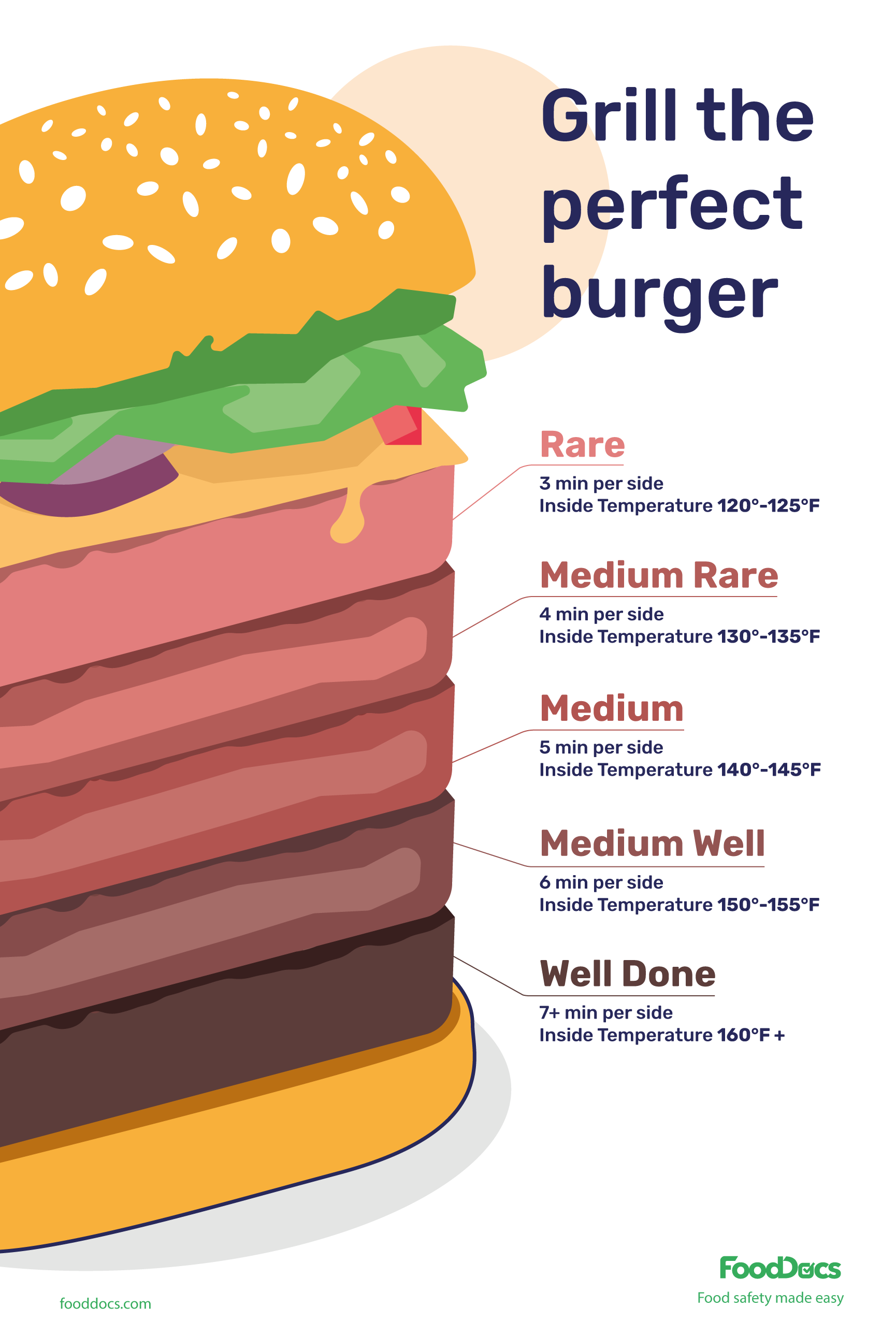
– The USDA recommends a minimum safe temperature of 160 F/71 C for ground meat
– Recommended minimum temperature for ground meat burgers is 160˚F (71˚C)
– Other burger temperatures options:
– Medium-rare: 130° to 135° (54° to 57°C)
– Medium: 140° to 145° (60° to 63°C)
– Medium-well: 150° to 155° (66° to 68°C)
– Cook medium-rare burgers for about 2 1/2 minutes per side or five minutes total
– Thicker patties may require more cooking time
– Some pinkness in burgers is okay if desired

Continue Reading

Delicious and Nutritious: Exploring Mouthwatering food that starts with M!

Foods That Start With M:
1. M&M’s: Small chocolate candies with candy shells.
2. Macadamia nuts: Creamy nuts commonly used in desserts.
3. Macaroni: Dry, short pasta that goes well with salads and soups.
4. Macarons: Meringue-based treats with fluffy “feet” and various flavors.
5. Macaroons: Coconut-flavored desserts that are golden brown on the outside and moist and chewy on the inside.
6. Mai Tai: A rum-based cocktail with white rum, lime juice, orange curacao, and sugar syrup.
7. Malt: A cereal grain made from barley found in various foods.
8. Mandarins: Citrus fruits rich in vitamin C.
9. Mango: A fruit rich in vitamin C and known as the king of fruits.
10. Maple syrup: A staple at breakfast tables. Maple syrup is extracted from maple trees and a single maple tree can produce 5 to 15 gallons of sap between late winter and early spring.
11. Maraschino cherries: Cherries preserved in brine, starting off light and gradually darkening.
12. Margaritas: Cocktails made from tequila, orange liqueur, and lime juice, available in different fruity flavors.
13. Marinara sauce: A tomato-based sauce with garlic, onions, and herbs, commonly used for pasta or as a dip.
14. Marjoram: An herb used in meat dishes and also has medicinal properties.
15. Marshmallows: Soft treats that can be added to desserts like cookies and cakes.
16. Mayonnaise: A dressing made from egg yolks and oil, used as a base for many dressings.
17. Mead: An alcoholic beverage made with honey, barley, and fruits.
18. Meatballs: Ground meat formed into balls and can be fried or baked.
19. Melons: Fruits belonging to the berry family, including watermelon, cantaloupe, and honeydew.
20. Meringue: A dessert made with whipped egg whites and sugar, commonly added to pies and cakes.
21. Merlot: A dry red wine made from a variety of grape.
22. Minestrone soup: A tomato-based vegetable soup.
23. Mint: An herb commonly used in cooking.
24. Mirin: A sweet rice wine often used in Japanese cuisine.
25. Miso soup: A traditional Japanese breakfast staple made from miso paste or fermented soybeans.
26. Molasses: A dark-colored sweetener often used in desserts.
27. Monterey Jack cheese: A mild and slightly sweet cheese originating from the United States.
28. Moon cakes: A Chinese pastry often given as gifts during festivals.
29. Moussaka: A baked dish popular in Greek and Turkish cuisine, made with vegetables and meat.
30. Mousse: A light and airy dessert that originated in France.
31. Mozzarella: A common cheese used in pizzas, salads, and pasta dishes.
32. Muesli: A breakfast dish similar to oatmeal, typically served cold with milk, nuts, and fruits.
33. Mulberries: Larger and more fibrous than blackberries, with a unique flavor.
34. Mushrooms: Edible fungi rich in fiber and protein, used in various types of cuisine.
35. Mussels: A type of seafood related to the mussel family.
36. Mustard: A condiment made from ground mustard seeds and various other ingredients.
37. Milk chocolate: A popular type of chocolate used in desserts.
38. Macaroni salad: A creamy dish often served as a side with burgers, hot dogs, and grilled meats.
39. Muffuletta: A New Orleans sandwich made with olive salad and cold cuts.
40. Meatloaf: A classic comfort food, often topped with ketchup.
41. Mascarpone cheese: An Italian cheese used in desserts.
42. Manicotti: An Italian dish similar in flavor to lasagna or baked ziti, made with stuffed oversized noodles.
43. Mexican rice: A flavorful rice dish commonly served with Mexican cuisine.
44. Mashed potatoes: Potatoes that have been boiled and mashed.
45. Mongolian beef: A Chinese-American dish made with sliced beef, vegetables, and a flavorful sauce.
46. Muenster cheese: A soft and mild cheese that originated in France but is now commonly made in the United States.
47. Muffins: Small, individual-sized baked goods often made with fruit or nuts.
48. Moo goo gai pan: A Chinese dish made with chicken, mushrooms, and vegetables.

Continue Reading

Are Hot Cheetos Halal? Discover the Religious Permissibility

– hot Cheetos
– halal
– Islam
– permissible
– non-halal
– halal diet
– Islamic law
– pork
– alcohol
– blood
– meat from carnivorous animals
– animals not slaughtered according to Islamic laws
– haram
– cheese-flavored corn puff snack
– rice flour
– cornmeal
– vanilla extract
– cheddar cheese powder
– cornmeal processing
– artificial colors obtained from insects
– impure
– hot Cheetos production method
– machines
– purification
– Qatar
– UAE
– halal certification
– US
– Canada
– manufacturers
– ingredients
– halal-certified foods
– kosher
– Chewwies
– alternative
– rennet
– artificial flavors
– nutritional value
– adverse health conditions
– gelatine
– dairy
– natural products

Continue Reading

What Does Bone Marrow Taste Like? A Palatable Exploration

– Bone marrow is described as having a rich, slightly sweet taste with a smooth, buttery texture.
– Its flavor is similar to a mild beef or veal broth, but with a creamier consistency.
– The taste may vary depending on the animal source and preparation method.
– It is described as savory, rich, earthy, mineral-like, slightly gamey, and mildly metallic.
– Bone marrow is enjoyed by those who like organ meats and bone broth.
– It is believed to have a buttery taste due to its high fat content and can taste like beef or chicken due to proteins and minerals.
– To know the taste of bone marrow, one has to try it themselves, such as roasting a bone with marrow.
– Bone marrow is considered a delicious and nutritious food enjoyed by humans for centuries.
– It is full of healthy fats that help keep bones strong and healthy.
– Bone marrow is a good source of protein and can be a way to get extra protein without eating meat.
– It is soft, fatty, and often described as similar to butter.
– Bone marrow is slimy and helps lubricate and cushion the bones.
– The slime may also help prevent bones from drying out and becoming brittle or protect against infection.
– It is a rich source of nutrients including protein, iron, and vitamin A, while being low in calories and cholesterol.
– Bone marrow can be used as an alternative to meat and is rich in collagen for gut and joint health.
– It provides calories and healthy fats for energy.
– Eating bone marrow can increase intake of hard-to-get nutrients like vitamin B12 for those on plant-based diets.
– Marrow is the spongy tissue that fills the cavities of bones and is a source of stem cells.
– Marrow is a storehouse for minerals such as calcium and phosphorus.
– It can be eaten cooked or raw and used in soups, stews, smoothies, or baking.
– Marrow is a good source of protein, iron, and vitamin A and may boost immunity and help protect against inflammation.
– Bone marrow can make you sick if cancerous cells develop in it, causing problems with blood cell production.
– The most common complication of bone marrow transplantation is graft-versus-host disease (GVHD), which can range from mild to life-threatening.
– There are several ways to cook and eat bone marrow, including roasting, making bone marrow butter, adding to sauces and stews, using marrow fat for cooking, making bone broth, and spreading raw marrow over meat.
– Grass-fed beef marrow bones are recommended for the highest quality.
– Bone marrow offers a rich flavor and high nutritional value and can be used in various recipes.

Continue Reading