Skip to content
Food Readme

Food Readme

Good Food & Delicious Taste

  • How To
  • This vs That
  • Recipes
  • Cooking Tips

seafood safety

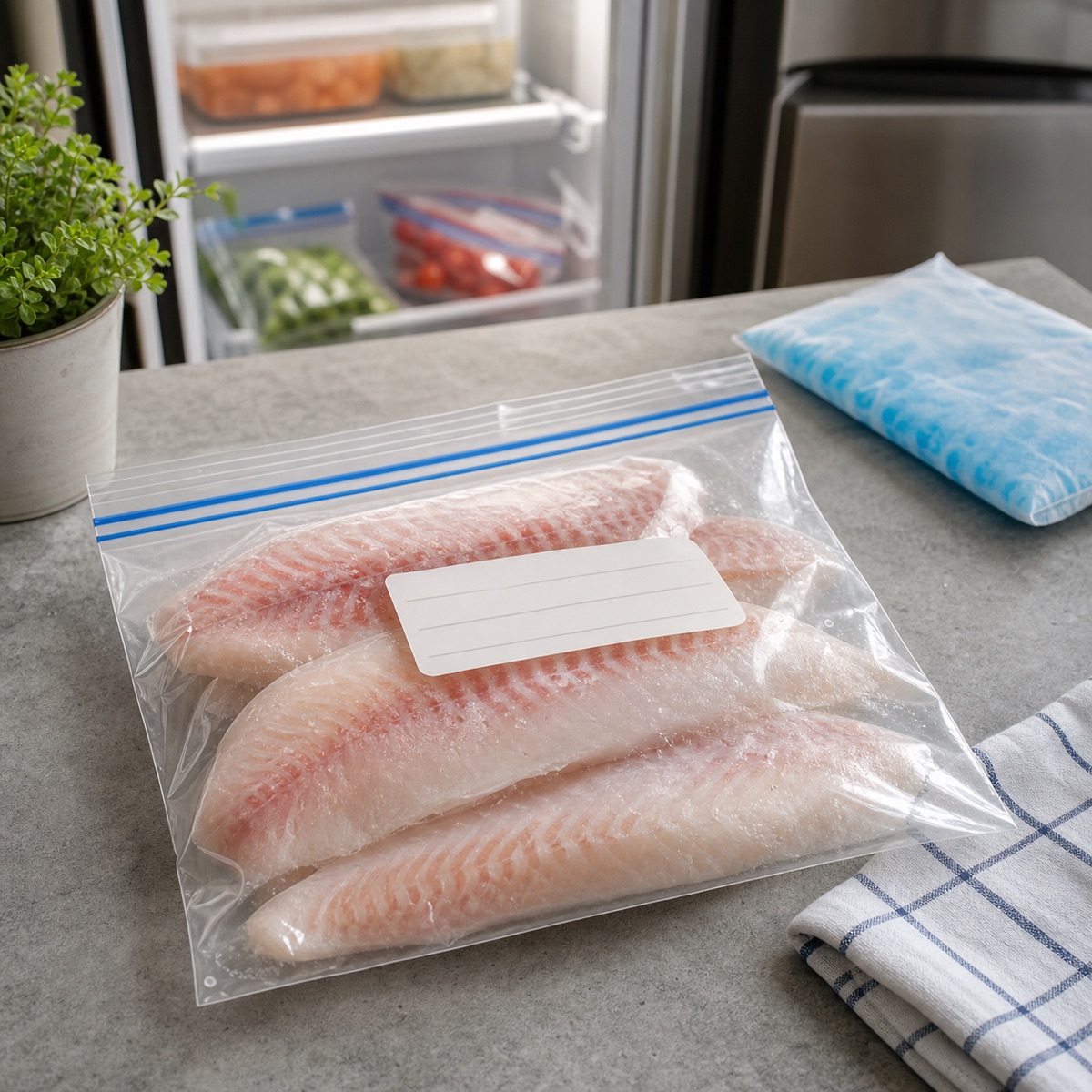
Fish fillets packed in a freezer-safe bag before refreezing

Can You Refreeze Fish? Safe Rules for Thawed Fish

June 6, 2026June 7, 2026ting

You can refreeze fish if it thawed safely in the refrigerator and stayed cold. Fish thawed in water or the microwave should be cooked first.

Continue Reading
Assorted sushi and sashimi pieces on a wooden serving board

Sushi vs Sashimi: The Real Difference and Safety Notes

May 30, 2026June 11, 2026ting

Sushi is built around vinegared rice. Sashimi is sliced fish or seafood served without rice. Either can involve raw seafood, so sourcing and cold handling matter.

Continue Reading
Fresh salmon sashimi slices on a plate with rice cucumber wasabi and ginger

Sake Sashimi: Salmon Sashimi Taste, Meaning, and Safety

May 30, 2026June 11, 2026ting

Sake sashimi usually means salmon sashimi: thin slices of salmon served without rice. It should taste rich and clean, and it must be kept cold.

Continue Reading
Fresh fish fillet on a clean plastic cutting board with a knife and separate herb board

Best Cutting Boards for Fish: Materials, Safety, and Cleanup

February 13, 2026June 11, 2026tingLeave a Comment on Best Cutting Boards for Fish: Materials, Safety, and Cleanup

The best cutting board for fish is nonporous or easy to sanitize, large enough for the fillet, and dedicated to raw seafood so juices do not cross contaminate ready to eat foods.

Continue Reading
Thin slices of white fish sashimi on a plate with sushi rice and condiments

White Fish for Sushi: Common Types, Taste, and Safety

December 5, 2025June 11, 2026ting

White fish for sushi usually means mild white fleshed seafood such as fluke, sea bream, halibut, or similar fish. Do not assume any raw fish is safe without proper sourcing and handling.

Continue Reading
Close-up salmon fillet used as a food-first image for salmon prep guidance

How to Clean Salmon Fillets Safely Before Cooking

August 12, 2025June 11, 2026ting

For store bought salmon fillets, keep them cold, pat them dry, remove pin bones or scales if needed, and clean every surface that touched raw fish.

Continue Reading
Ting using tongs to handle raw crab pieces at a kitchen sink before cooking

Raw Crab Meat: Safety Risks and Safer Ways to Eat Crab

June 26, 2025June 12, 2026ting

Raw crab meat is not a safe home shortcut. Cooking crab and keeping raw seafood juices away from ready to eat foods are the safer choices.

Continue Reading
Food thermometer probe inserted into cooked salmon with lemon slices

Internal Temperature of Cooked Salmon: 145°F Safety Guide

June 17, 2025June 11, 2026ting

For food safety, cook salmon to 145 degrees F at the thickest part. The flesh should look opaque and separate easily with a fork.

Continue Reading
Cooked seafood boil leftovers with shrimp crab corn potatoes and sausage in a dish

How to Reheat a Seafood Boil Safely

April 10, 2025June 11, 2026ting

Reheat seafood boil leftovers gently, but treat them like perishable leftovers: refrigerate promptly and reheat to 165 F before eating.

Continue Reading
Sushi roll pieces coated with bright orange tobiko fish roe

Tobiko Sushi: What It Is, Taste, and Safety

April 1, 2025June 11, 2026ting

Tobiko is flying fish roe used on sushi rolls for color, pop, and a lightly salty seafood flavor. Buy it from a trusted source and keep it cold.

Continue Reading

Recent Posts

  • Pancake Art: Batter Tips, Tools, and Easy Designs
  • How To Tell If Pumpkin Pie Is Done
  • Canned Asparagus: How to Use It Without Making It Mushy
  • Unrefined Sugar: What It Is and Is It Healthier?
  • Liquid Smoke Substitute: Best Swaps and How Much to Use
  • Cookies Without Brown Sugar: Best Swaps and Texture Tips
  • Shaki Meat: What It Is and How to Cook It Safely
  • Can You Refreeze Fish? Safe Rules for Thawed Fish
  • Black And White Pepper – What is The Difference?
  • White Miso Substitute: Best Swaps by Recipe

Categories

  • Category
  • Cooking Tips
  • Food FAQs
  • How To
  • Recipes
  • This vs That

About Food Readme

Food Readme is edited by ting and focuses on practical cooking guidance, food storage, ingredient substitutes, kitchen tools, and clear food answers. For corrections, contact [email protected].

Legal Information

Food Readme may display advertising and may use affiliate links. Advertising does not determine food safety guidance or editorial conclusions. See the Disclosure Policy and Editorial Policy for details.

| Theme: News Portal by Mystery Themes.
  • About Food Readme
  • Contact Food Readme
  • DMCA
  • Privacy Policy
  • Disclosure Policy
  • Disclaimer & Terms of Service
  • Editorial Policy