Apple Cider

Apple Cider And Apple Cider Vinegar – What’s the difference?

Since inception, apple cider is considered to be a very delicious beverage that people love, apple cider vinegar, however, is classified as a cure to anything from warts to acid reflux. Though both of them may smell and sound similar and they are made with basically the same ingredients, they are very much different. This […]

Continue Reading

Does water boil faster with a lid: Exploring science mystery and practical applications

– Making the water level shallow can make it boil faster because it increases the surface area exposed to the hot bottom of the pan.
– The starting temperature of the water does not affect how fast it boils, as it always needs to reach 212 degrees Fahrenheit.
– Hot water may heat faster if it starts at a higher temperature.
– Salted water does not significantly affect the boiling point.
– Using less water in the pan can lead to faster boiling.
– Using a smaller pot can help boil water faster for smaller quantities of food.
– Adding baking soda to water does not make it boil faster.
– Keeping the pot covered with a lid helps heat up the air in the pan and circulates back into the water, helping it reach 212 degrees Fahrenheit faster.
– Living at a higher elevation can make water boil faster due to lower air pressure.

Continue Reading

Battle of Grains: Jasmine Rice vs White Rice Unveiling Nutritional Superiorities for Healthconscious Foodies!

– White jasmine rice is similar nutritionally to other types of white rice.
– Brown jasmine rice is more nutritionally dense than white rice.
– Jasmine rice is a type of long-grain rice grown primarily in Thailand.
– White rice refers to a processed form of rice with the hull and bran removed.
– Jasmine rice is usually white rice, but brown jasmine rice is also available.
– There are few nutritional differences between white jasmine rice and other types of white rice.
– Jasmine rice has a more noticeable aroma.
– Both jasmine rice and white rice are less nutritionally dense than whole grain brown rice.
– Jasmine rice has a fluffy texture when cooked, while white rice tends to be softer and clumpy.
– Brown jasmine rice is more nutritionally dense than white rice, offering more fiber and protein.
– White jasmine rice contains 129 calories, 0.46g of fat, 27.86g of carbohydrates, 0.7g of fiber, 0g of sugar, and 2.86g of protein per 100g serving.
– The nutritional content of long-grain white rice is almost indistinguishable from jasmine rice.
– Neither white jasmine rice nor white rice contain substantial quantities of basic vitamins and minerals like iron and vitamin D.
– Brown jasmine rice contains 170 calories, 1g of fat, 34g of carbohydrates, 2g of fiber, 0g of sugar, and 3g of protein per 1/4 cup serving.
– Jasmine rice has a longer and thinner grain compared to short-grain white rice.
– Brown jasmine rice is healthier than white jasmine rice as it has more protein and fiber.
– Jasmine rice and white rice are processed and have similar nutritional profiles.
– White rice has the outer husk, bran, and germ removed, resulting in a loss of fiber and nutrients.
– A 1-cup serving of cooked long-grain white rice and jasmine rice have similar amounts of calories, carbs, protein, and fiber.
– Some white rice varieties may contain small amounts of zinc, magnesium, manganese, copper, and B vitamins.
– Nutrients like iron, thiamine, niacin, and folate are often added to white rice due to nutrient loss during processing.
– Brown jasmine rice is less processed and contains the outer husk, bran, and germ, retaining fiber and nutrients.
– A 1/3 cup of uncooked brown jasmine rice contains calories, protein, fat, carbs, fiber, iron, thiamine, and niacin.
– Brown jasmine rice has lower calories and carbs compared to white rice and also provides calcium, iron, and potassium.
– Red, purple, and black varieties of whole-grain jasmine rice contain different phytonutrients with antioxidant properties.
– Jasmine rice is a variety of long-grain, fragrant rice primarily grown in Southeast Asia, particularly Thailand.
– White rice can have a short, medium, or long grain, and it is always white in color.
– Jasmine rice has a slightly sticky texture when cooked and is considered to have excellent cooking quality.
– White rice can vary in consistency, with glutinous rice being very sticky.
– Jasmine rice can be white, brown, red, purple, or black in color.
– Jasmine rice is also known as Thai fragrant rice due to its pleasant popcorn-like smell.
– Swapping 1/3 cup (50 grams) of white rice with the same amount of brown rice each day is associated with a 16% reduced risk of type 2 diabetes.
– Brown jasmine rice contains fiber, which can help slow the absorption of sugar and minimize its accumulation in the bloodstream.
– Brown rice also contains phytonutrients like flavonoids, anthocyanins, and phenolics that can support heart and immune health.
– Whole-grain or brown jasmine rice is considered a healthier alternative to white rice or white jasmine rice.

Continue Reading

Longaniza vs Chorizo: Unveiling the Secrets of Sausage

– Chorizo dates back to the 1500s when the Spanish conquistadors raised pigs to produce chorizo in Mexico.
– Longaniza and chorizo are two different foods that look and taste similar.
– Longaniza is made out of minced meat, while chorizo is made out of ground pork.
– Mexican chorizo is different than Spanish chorizo.
– Longaniza is spiced with black pepper, while chorizo is spiced with paprika.
– Chorizo has a smoky and rich taste, while longaniza is sweeter and more aromatic.
– Longaniza has a thinner texture compared to chorizo.
– Both sausages are made with ground pork and flavored with garlic, salt, and regional spices.
– While they can be used interchangeably in most cases, one may work better for certain recipes or food combinations.

Continue Reading

Sockeye vs Atlantic Salmon: Unveiling Nutritional Differences, Taste, and Habitat

Sockeye and Atlantic salmon are two popular types of salmon with several differences between them. Sockeye salmon spawn in freshwater rivers and lakes, while Atlantic salmon spawn in freshwater rivers but spend most of their adult life in saltwater. Sockeye salmon has a higher fat content and a brighter red color due to the pigment astaxanthin. Both types of salmon are rich in protein and omega-3 fatty acids. Sockeye salmon is native to the North Pacific Ocean, while Atlantic salmon is native to the Atlantic Ocean. Sockeye salmon is considered leaner with a firmer texture and more pronounced flavor, while Atlantic salmon has a higher fat content, making it softer and more buttery. Sockeye salmon is not considered endangered, but Atlantic salmon is endangered in some areas due to overfishing, habitat loss, and pollution. Sockeye salmon are smaller in size compared to Atlantic salmon, with an average weight of 2 to 7 pounds for sockeye and up to 20 pounds or more for Atlantic salmon. Sockeye salmon have a bright red body with a green head, while Atlantic salmon are silver in color. The red color of sockeye salmon is due to the high concentration of carotenoids in their diet, which is important for marketability. Sockeye salmon are primarily found in the Pacific Ocean, from Alaska to Japan. They are also found in lakes and rivers throughout the Pacific Northwest. Atlantic salmon are found in the North Atlantic Ocean, from North America to Europe. They are also found in rivers and lakes along the Atlantic coast. Both species are anadromous, meaning they migrate from freshwater to saltwater to spawn. Sockeye salmon require freshwater and saltwater habitats, as well as specific spawning habitats in freshwater. Atlantic salmon require similar habitats but are more tolerant of brackish water. Both species have been introduced to other parts of the world, including the Great Lakes in North America and New Zealand. Both types of salmon are high in protein and omega-3 fatty acids, with around 22-25 grams of protein per 100 grams of fish. Sockeye salmon contains 1.3 grams of omega-3 fatty acids per 100 grams of fish, while Atlantic salmon contains 0.5 grams. Sockeye salmon has around 6 grams of fat per 100 grams of fish, while Atlantic salmon has around 13 grams. Sockeye salmon has around 130 calories per 100 grams of fish, compared to around 200 calories for Atlantic salmon. Both types of salmon are rich in essential minerals. Atlantic salmon has a higher amount of saturated fat compared to Sockeye salmon. Sockeye salmon has a robust, intense flavor, while Atlantic salmon has a milder taste. Sockeye salmon has a firmer texture and is less oily, while Atlantic salmon has a buttery texture. Wild-caught Sockeye salmon is preferred for its taste, color, and texture over farmed Atlantic salmon. Both types of salmon can be cooked using various methods, but Sockeye salmon is better for grilling or smoking, while Atlantic salmon is better for baking or broiling. There are concerns about the sustainability of salmon farming and its impact on the environment. Farmed salmon can have negative impacts on wild salmon populations and can lead to the spread of disease and contamination. Some salmon farms are working to reduce their reliance on wild fish for feeding. Sockeye salmon and Atlantic salmon have different feed sources and sustainability. Sockeye salmon spawn in freshwater rivers and lakes, maintaining ecosystem health, and their populations are managed for sustainability. Farmed salmon can be more affordable but may have environmental impacts. Both types of salmon offer health benefits such as protein, omega-3 fatty acids, and vitamin D. Sockeye salmon is considered tastier and higher in astaxanthin. One concern is the potential for contaminants in salmon, but levels are generally low. Another concern is the impact of salmon farming on wild fish populations and overfishing of krill. Personal preferences vary in taste and fat content. Sockeye salmon is generally considered healthier due to lower contaminant levels and higher omega-3 concentrations. Sockeye salmon is primarily wild-caught, but some farms raise them. Atlantic salmon is found in the Atlantic Ocean. Sockeye salmon is considered better than Atlantic salmon due to higher levels of omega-3 fatty acids, lower levels of contaminants, and more sustainable fishing practices. Sockeye salmon has a firmer texture and slightly stronger flavor. Both types of salmon contain around 200-250 calories per 100 grams. Sockeye salmon is considered healthier due to higher levels of omega-3s and lower levels of contaminants. Sockeye salmon has higher levels of EPA and DHA omega-3 fatty acids compared to Atlantic salmon. Atlantic salmon also contains omega-3s but in lower concentrations than sockeye salmon. Sockeye salmon and Atlantic salmon are two popular types of salmon. Sockeye salmon spawn in freshwater rivers and lakes, while Atlantic salmon spawn in freshwater rivers but spend most of their adult life in saltwater. The habitat and spawning behavior of the two types of salmon can affect their taste and texture. Both types of salmon are high in protein and omega-3 fatty acids. Sockeye salmon has a slightly higher fat content than Atlantic salmon. Sockeye salmon has a brighter red color due to the presence of a pigment called astaxanthin. Sockeye salmon is native to the North Pacific Ocean, particularly Alaska and British Columbia. Atlantic salmon is native to the Atlantic Ocean, particularly Norway, Scotland, and Canada. Sockeye salmon is leaner and has a firmer texture and more pronounced flavor. Atlantic salmon has a higher fat content, making it softer and more buttery in texture. Sockeye salmon is mostly found in freshwater lakes and rivers, while Atlantic salmon is mostly found in saltwater oceans. Sockeye salmon is not considered endangered, but some populations have experienced declines. Atlantic salmon is considered endangered in some areas due to overfishing, habitat loss, and pollution. Sockeye salmon are generally smaller in size compared to Atlantic salmon, with sockeye ranging from 2 to 7 pounds and Atlantic salmon growing up to 20 pounds or more. Sockeye salmon have a bright red body with a green head, while Atlantic salmon are silver in color. Sockeye salmon have a higher concentration of carotenoids in their diet, which gives them their vibrant red color. Atlantic salmon have a more muted color with silver scales. Sockeye salmon are primarily found in the Pacific Ocean, from Alaska to Japan, while Atlantic salmon are found in the North Atlantic Ocean, from North America to Europe. Sockeye salmon prefer freshwater and saltwater habitats with specific spawning habitats in freshwater, while Atlantic salmon are more tolerant of brackish water. Both species have been introduced to other parts of the world, including the Great Lakes in North America and New Zealand. Both sockeye and Atlantic salmon are high in protein and omega-3 fatty acids, with around 22-25 grams of protein per 100 grams of fish. Sockeye salmon has higher omega-3 fatty acid content (1.3 grams per 100 grams) compared to Atlantic salmon (0.5 grams per 100 grams). Sockeye salmon has lower fat content (6 grams per 100 grams) compared to Atlantic salmon (13 grams per 100 grams). Sockeye salmon has lower calorie content (130 calories per 100 grams) compared to Atlantic salmon (200 calories per 100 grams). Both types of salmon are rich in essential minerals such as sodium, potassium, iron, calcium, copper, and phosphorus. Atlantic salmon has higher amounts of saturated fat compared to Sockeye salmon. Sockeye salmon has a stronger flavor and firmer texture, while Atlantic salmon has a milder taste and buttery texture. Consumers perceive Atlantic salmon as having a better taste than other farmed salmon species. Wild-caught Sockeye salmon is preferred over farmed Atlantic salmon for its taste, color, and texture. Sockeye salmon is better for grilling or smoking, while Atlantic salmon is better for baking or broiling. Farmed salmon, including Atlantic salmon, is popular but raises concerns about sustainability and environmental impact. Salmon farming can negatively impact wild salmon populations and contaminate the environment. The use of antibiotics and pesticides in salmon farming can lead to the spread of disease. Farmed salmon are often fed with fishmeal made from wild-caught fish, leading to overfishing and depletion of wild fish populations. Sockeye salmon and Atlantic salmon are both types of fish that offer health benefits. Sockeye salmon is considered more sustainable as they mate and spawn in freshwater rivers and lakes. Farmed salmon, including Atlantic salmon, can be more affordable and readily available but may have potential environmental impacts. Both types of salmon are a good source of protein, omega-3 fatty acids, and vitamin D. Sockeye salmon is often considered tastier with a richer flavor and firmer texture. Sockeye salmon is higher in astaxanthin, a powerful antioxidant linked to various health benefits. Contaminants like mercury, PCBs, and dioxins can be a concern with salmon consumption,

Continue Reading

Ox vs Cow: The Differences, Roles, and Traits

1. Oxen and cows both belong to the Bos genus.
2. Oxen are castrated mature males, while cows are mature females that have been bred.
3. Oxen are larger, heavier, and more muscular than cows.
4. Oxen are used solely for work purposes and are often trained for four years.
5. Cows are used to birth calves, raised for milk, and slaughtered for meat.
6. Most species of oxen have horns, while some species of cows also have horns.
7. Oxen have muscular, rounded shoulders and a large head with a prominent brow ridge.
8. Cows possess udders and have a wider midsection with more angular shoulders.
9. Oxen are usually four years or older, while cows are two years or older as long as they have had a calf.
10. Oxen are shod for working in difficult situations, while cows are not shod.
11. The greatest differences between oxen and cows are their sex, purpose, and age.
12. Female oxen can exist if the owner needs a work animal but does not have a male available, but cows are always female by definition.
13. Heifers become cows after giving birth and are sexually mature at 12-15 months.
14. Oxen can weigh up to 2,200 lbs and stand almost 5ft at the shoulders, while cows can weigh up to 1,760 lbs.
15. Oxen are bred and trained to work on farms and in other areas, while cows are used for breeding, milk production, or meat consumption.
16. Oxen have been used as work animals for thousands of years.
17. Oxen are typically trained for about four years before beginning work.
18. Oxen need to be shod for working, while cows do not require shoes.
19. Oxen are cloven-hoofed, so humans use a careful process to bind and shoe them.
20. Oxen are smarter than cows because they are trained to use their intelligence.

Continue Reading

Jackfruit vs Durian: Unveiling the Tropical Titans

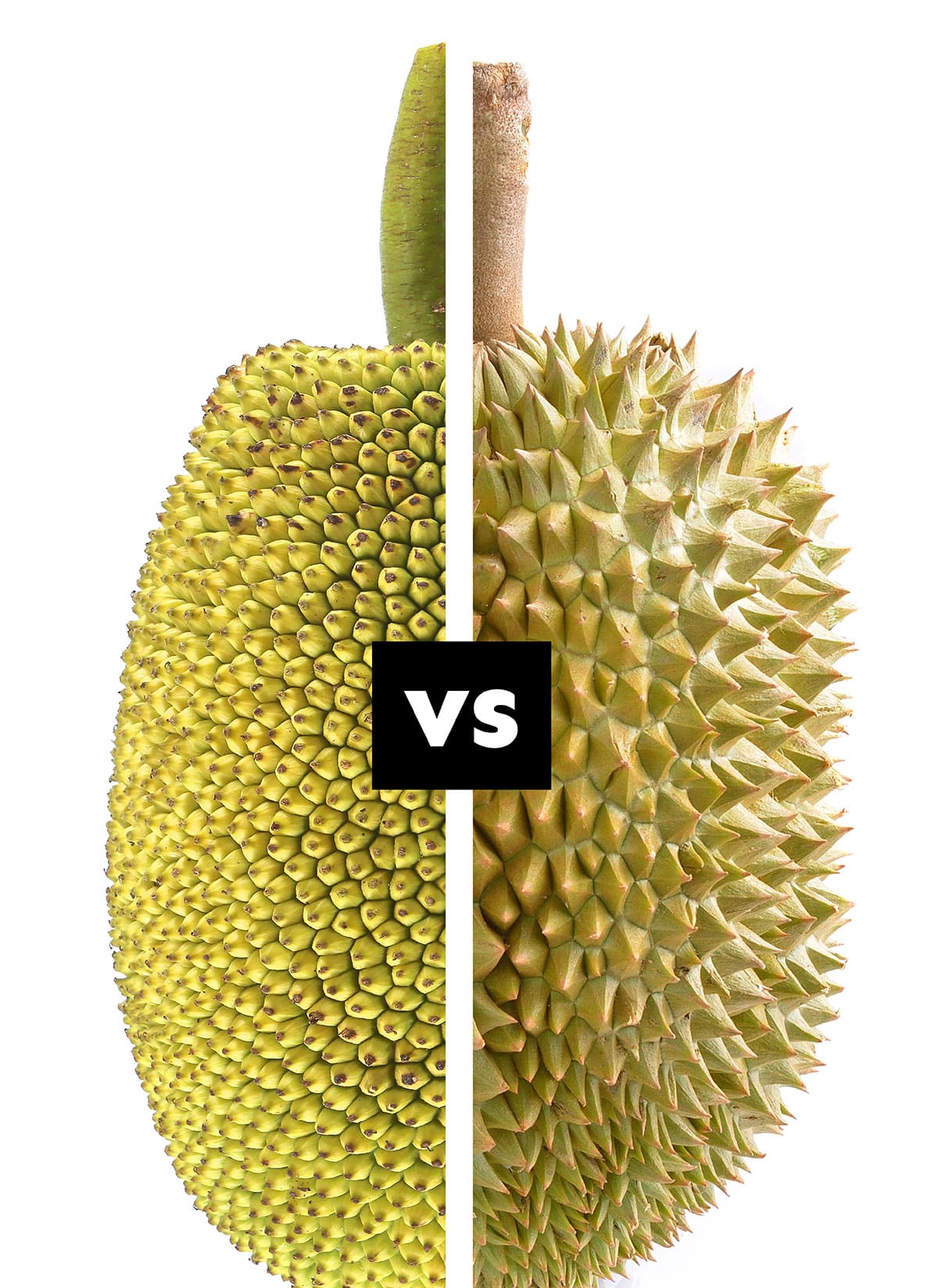
– Durian and jackfruit are tropical fruits from different families, with durian belonging to the Malvaceae family and jackfruit belonging to the Moraceae family.
– Both fruits are native to Southeast Asia, with jackfruit originating from Southern India and durian originating from Sumatra and Borneo.
– Jackfruit is the largest fruit to grow on a tree, weighing up to 40 pounds and reaching 2 feet in length, while durian is smaller, weighing up to 7 pounds and reaching 1 foot in length.
– Both fruits have a thorny appearance, but jackfruit has more bumps while durian has thorns that can be dangerous to touch.
– Jackfruit smells like bubble gum, pineapple, banana, and rotten onions, while durian has a more pungent smell described as smelly socks or sewer water.
– Ripe jackfruit is dense, fibrous, and sweet, while unripe jackfruit has a mild flavor and chicken-like texture.
– Durian has a soft and creamy texture, with a sweet and savory flavor resembling sweet cheese.
– Durian is higher in fiber, fats, and carbs compared to jackfruit, while jackfruit is higher in protein, calcium, and potassium compared to durian.
– Durian is higher in copper, zinc, and iron compared to jackfruit, while jackfruit is higher in vitamin A and E compared to durian.
– Durian is higher in vitamin B1 and B2 compared to jackfruit.
– Both fruits have antibacterial properties due to their vitamin C content and flavonoids.
– Durian is commonly used for sweet dishes, while jackfruit is used as a meat substitute.
– Durian may be harder to find in the states, while jackfruit is commonly found canned in stores.
– Durian and jackfruit come from different tree species and belong to different plant families.
– Durian is restricted in some public places due to its strong odor, while jackfruit has a milder aroma.
– Durian trees can only be grown in Hawaii in the U.S. due to their sensitivity to cold temperatures.
– Jackfruit seeds are edible and can be boiled, roasted, or fried.
– Both durian and jackfruit are fruits that develop from the ovary of a flower and contain seeds.

Continue Reading