Mutton vs Lamb: Understanding the Differences in Taste, Nutrition

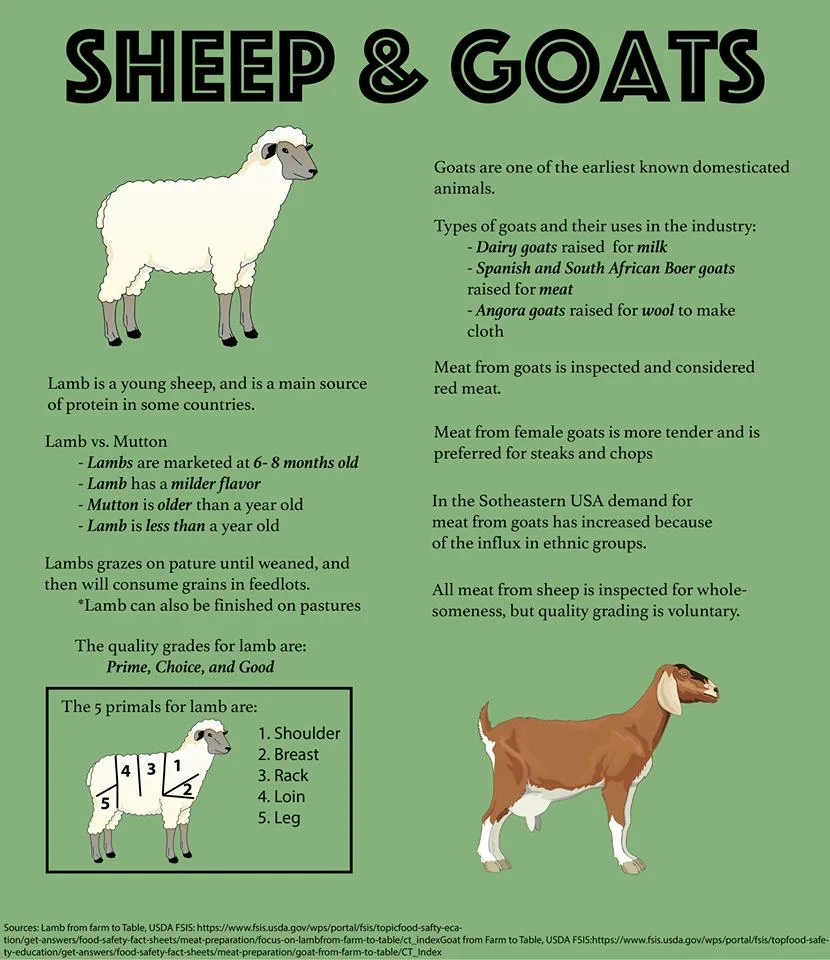
– Lamb is meat from young sheep under one year of age, while mutton is meat from mature sheep harvested between 2 to 3 years of age
– There are two sub-categories of lamb: baby lamb (6 to 10 weeks old) and spring lamb (5 to 6 months old)
– There is one sub-category of mutton called yearling mutton (12 to 24 months)
– In the United States, most retailers sell lamb meat that is 24 months or older, but it is often mislabeled and marketed as lamb
– Mutton is considered inferior in quality, taste, and texture compared to lamb
– Mutton has a more robust and gamey taste, while lamb has a delicate, mild, and slightly sweet flavor
– Mutton can be fatty, and its bolder flavors are softened when slow-cooked or braised
– Lamb pairs well with various sauces and marinades
– Lamb is preferred over mutton for its taste, texture, and mouthfeel
– Raw lamb meat has a lighter, pink color, while mutton meat has a deep, dark red hue
– Raw lamb meat has a sweet and fresh smell, while mutton meat has a pungent smell with an aged gamey scent
– Lamb is generally more expensive than mutton
– Expect to pay around $18 to $40 per lb. for good quality organic grass-fed lamb, and around $9 to $12 per lb. for mutton
– In the US, there may be mislabeling and selling of mutton (and goat meat) as lamb
– Visual differences between lamb and mutton can help distinguish them, such as size, color, and rib size
– Lamb meat is tender and soft, while mutton meat is tougher and contains more fat
– Lamb can be prepared in various ways depending on the cut, while mutton requires slow cooking due to its toughness
– Lamb is popular in Australia, Europe, New Zealand, and Canada, while mutton is commonly found in Middle Eastern, Indian Subcontinent, Mongolia, and South American cuisines
– Lamb and mutton are different types of meat, while goat meat is a separate species
– Lamb is more tender and has a more refined taste, while mutton is tougher and more gamey
– Lamb is about 60 to 70% more expensive than mutton
– Lamb can be fried or grilled, while mutton requires slow cooking or stewing
– Mutton contains a higher fat content compared to lamb
– In India, the term “mutton” is commonly used for both sheep and goat meat, but it mostly refers to goat meat
– Popular cooking methods for lamb include grilling, braising, and roasting
– The most popular method to prepare mutton is slow cooking or stewing
– Mutton is more popular due to its strong flavor, while lamb is considered a healthier choice


Continue Reading

Can You Microwave Pyrex? Unveiling the Truth about Glass Cookware

– Pyrex can be microwaved and is ideal for microwave cooking.
– Pyrex can also be used in the freezer but should be fully cooled before placing the plastic lid on top to avoid condensation.
– Pyrex is dishwasher safe and can be rinsed under a hot tap to remove any food debris.
– Pyrex bowls are safe to use in the microwave.
– Any glass that is oven safe is also microwave safe.
– Glass containers, including Pyrex, can also go from the fridge or freezer to the microwave.
– It is recommended to let the Pyrex sit out for an hour before microwaving if it is cold.
– Pyrex can be used for reheating vegetables, melting cheese, and serving dishes at the dinner table.

Continue Reading

Can you freeze cooked chicken? Learn the right way

List of Pertinent Information about Freezing Cooked Chicken:

– Cooked chicken can be frozen for an extended period of time.
– Freezing cooked chicken is convenient and can save time and money by reducing food waste.
– Any kind of cooked chicken can be frozen, whether it is whole breasts or shredded for use in recipes.
– To store cooked chicken in the freezer, cool it for no longer than two hours and remove any skin, fat, and bones.
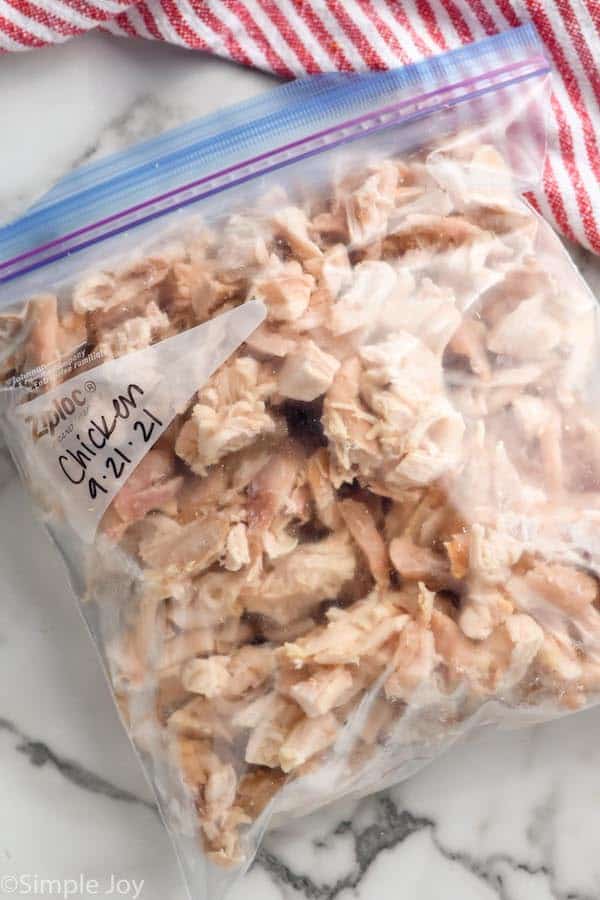
– The chicken should then be flash-frozen on a baking sheet lined with parchment paper before transferring to an airtight container or freezer bag.
– Cooked chicken can last in the freezer for up to six months.
– Storage time shortens to two to three months when used in soups and stews.
– Frozen cooked chicken may experience a decline in quality and be more susceptible to freezer burn.
– Thaw frozen cooked chicken in the refrigerator for up to four days, or use the microwave for faster thawing.
– Cold spots and uneven defrosting may occur when using the microwave.
– Reheat defrosted chicken on the stovetop or in the oven to an internal temperature of at least 165°F (73.9°C).
– Avoid reheating frozen cooked chicken in steam tables, slow cookers, or chafing dishes due to the danger zone temperature range.
– Do not refreeze previously frozen cooked chicken as bacteria can grow with each handling.
– Look for signs of spoilage, such as changes in color, visible signs of mold, sliminess, or foul smell, to determine if frozen cooked chicken is still safe to eat.
– Thawed cooked chicken can be added to soups, stews, casseroles, or reheated in various cooking appliances.
– Freeze cooked chicken in smaller portion sizes and without the skin and bones.
– Remove all bones and skin before freezing.
– Place cooked chicken in a labeled freezer-safe zip bag and remove excess air before sealing.
– Cooked chicken can be frozen for up to 4 months.
– Shredded chicken can also be frozen and defrosts quickly in about an hour.
– Frozen cooked chicken that has already been frozen and defrosted should not be refrozen for food safety reasons.
– Use cooked and refrigerated chicken within 3 to 4 days, according to USDA recommendations.
– Do not freeze already cooked chicken after the third day for food safety purposes.
– Thaw frozen cooked chicken and check for changes in color, texture, green/grayish color, or foul odor to determine if it is still good.
– Chicken should be at room temperature or cold before transferring it to a freezer-safe container or zip bag.
– Do not place hot chicken in the freezer as it can affect the temperature of surrounding foods and promote bacterial growth.
– Thaw previously cooked chicken using the refrigerator or a water bath. Refrigerator thawing takes about 24 hours, while a water bath takes 2 hours with water changed every 30 minutes.

Continue Reading

What Does Kimchi Taste Like? Exploring the Bold, Tangy Flavors of Kimchi

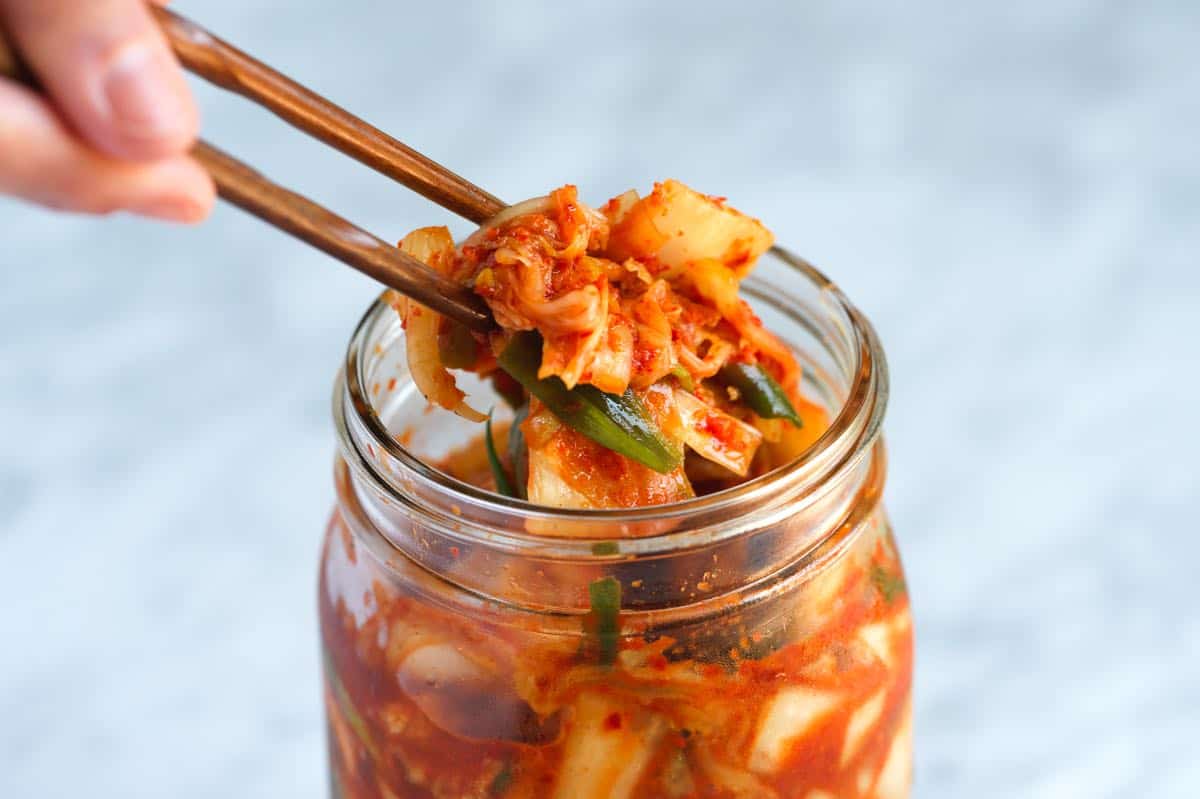
– Kimchi is a traditional Korean dish made by fermenting cabbage or other vegetables with seasonings and spices.
– The most common type of kimchi is made with Napa cabbage, but there are variations like radish or cucumber kimchi.
– The taste of kimchi can vary depending on the recipe and fermentation time.
– Generally, the longer it ferments, the stronger and more sour the flavor becomes.
– Kimchi has a tangy and spicy flavor profile that can pack quite a punch in terms of heat.
– The balance between spicy heat and sourness makes for an addictive combination.
– The main ingredients of kimchi are cabbage, garlic, ginger, chili peppers, fish sauce, or salted shrimp paste.
– The fermentation process gives kimchi a slightly sour taste that complements its spiciness.
– The spice level can vary, with some kimchi being mild while others are fiery hot.
– Kimchi has a distinct flavor due to its combination of spices and fermented ingredients.
– It has a crunch factor that sets it apart from other condiments.
– Kimchi is known for its umami and salty undertones.
– White kimchi is a variation of traditional kimchi made with Napa cabbage but without chili pepper flakes. It has a slightly sweet and sour taste.
– White kimchi often contains ingredients like garlic, ginger, vinegar, pear, or apple for added sweetness.
– Cucumber kimchi is made by soaking cucumbers in a mixture of saltwater, garlic, ginger, and chili flakes (optional). It is tangy and refreshing.
– Cucumber kimchi can also include other vegetables like radishes or carrots for added crunch.
– Baek-kimchi, or “white kimchi,” is a mild version of cabbage kimchi. It is made with cabbage, radish, carrot, and sometimes pear, but does not include chili pepper flakes. It has a tangy and slightly sweet taste.
– Kimchi is versatile and can be enjoyed on its own as a snack or paired with other foods.
– One serving suggestion is to add kimchi to rice dishes for added flavor.
– Kimchi can also be added to sandwiches for extra flavor and texture.

Continue Reading

Are Twizzlers Vegan? Exploring the Ingredients and Alternatives

– Twizzlers varieties, except for Twizzlers Gummies, contain animal ingredients or gelatin.
– Twizzlers Twists, Bites, Pull ‘n’ Peel, and Nibs are considered vegan candies.
– The ingredients in Strawberry Twizzlers do not include animal products or gelatin.
– Twizzlers Gummies contain gelatin and are not vegan.
– Gelatin is a protein obtained from animals and is commonly used in various products.
– There are numerous vegan flavors and varieties of Twizzlers available.
– Twizzlers, with the exception of Twizzlers Gummies, are generally considered vegan.
– Twizzlers debuted in 1845 and became part of the Hershey Company in 1977.
– Twizzlers can be used in trail mix recipes, but certain ingredients like Reese’s Pieces are not vegan.
– Homemade Twizzlers can be made using date paste, beet juice, and strawberry extract.
– Leftover Twizzlers can be used to make bracelets.
– Healthier options to traditional Twizzlers include Real Twists by Darrell Lea, which are plant-based and do not contain high fructose corn syrup or artificial colorings.
– Other vegan fruity and chewy candies include Airheads, Sour Patch Kids, Laffy Taffy, Dots, Jujubes, Sour Big Chewy Nerds, and some varieties of Swedish Fish.
– Twizzlers are not considered healthy due to high sugar content and the use of red dye and other questionable ingredients.
– Some brands of white sugar may not be considered vegan due to the production process using bone.
– The article discusses whether Twizzlers are vegan.
– It mentions that cane sugar, which is used in Twizzlers, technically does not contain animal products. However, it is likely that the sugar used in Twizzlers is filtered through animal bone char.
– The article also states that the most popular flavor of Twizzlers is strawberry.
– Twizzlers are not gluten-free as they contain wheat.
– Only Twizzlers Gummies contain gelatin, while other flavors and varieties do not.
– Overall, Twizzlers are considered to be free of ingredients from animal products, except for Twizzlers Gummies.

Continue Reading

How Long to Bake Chicken on 350: Complete Guide

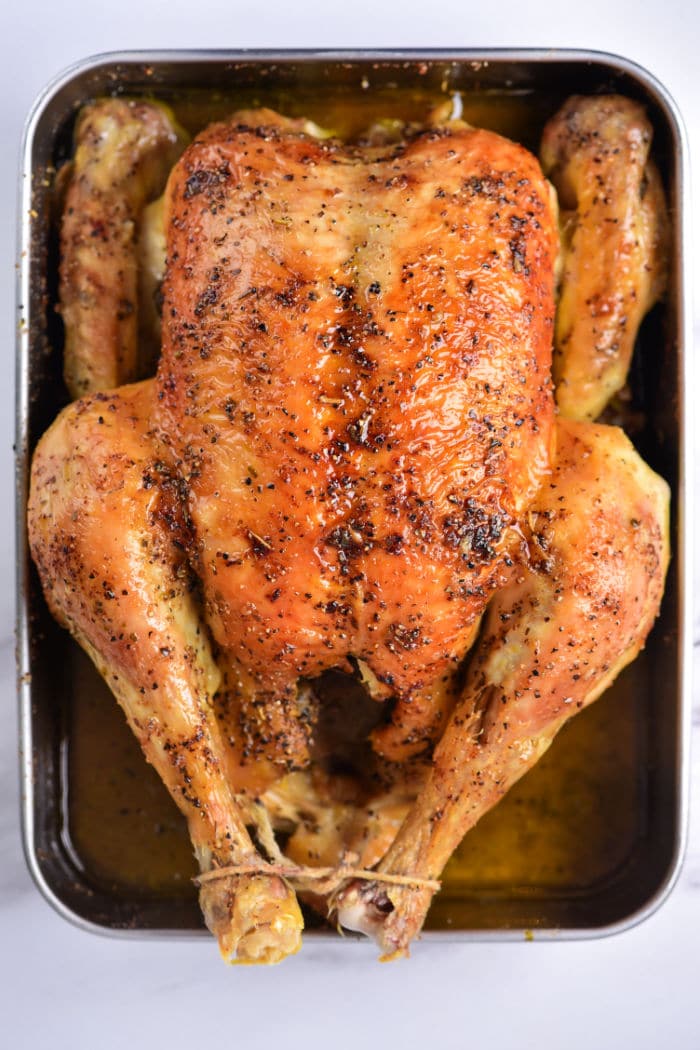
– Chicken should be baked at a temperature of 350 degrees Fahrenheit.
– Marinating the chicken for at least 30 minutes before baking enhances its taste and moisture.
– Overcooking the chicken can lead to dry and tough meat.
– The chicken should be removed from the oven once it reaches the desired internal temperature of 165 degrees Fahrenheit.
– Searing the chicken in a hot pan with oil before baking can create a golden crust.
– Allowing the chicken to rest after baking helps redistribute the juices and preserve tenderness.
– Foil can be used during the baking process to control moisture, by covering the chicken initially and removing it towards the end for a crispy exterior.
– Cooked chicken breast can be stored for up to 3 to 4 days in the refrigerator.
– Cooked chicken breast can be safely stored in the freezer for up to 2 to 3 months.
– Thaw frozen chicken breast in the refrigerator overnight or use the microwave’s defrost function.
– Reheating options include oven (350 degrees Fahrenheit), microwave (1-minute intervals on medium power), and stovetop (with a small amount of oil in a non-stick skillet).
– Internal temperature should reach 165 degrees Fahrenheit for safe consumption.
– Oven baking at 350 degrees Fahrenheit results in tender and juicy chicken.
– Pan-searing provides quicker cooking time and a crispy outer layer to the chicken.

Continue Reading

What Happens When You Eat Too Many Takis: Unveiling the Surprising Effects on Your Health

– Takis chips are high in calories, fat, carbs, and sodium but lack important vitamins and minerals.
– A 1-ounce (28-gram) package of Takis Fuego contains 140 calories, 2 grams of protein, 8 grams of fat, 16 grams of carbs, and 16% of the Daily Value (DV) for sodium.
– Consuming high amounts of sodium may increase blood pressure levels and has been associated with a higher risk of stomach cancer.
– Takis chips are highly processed and refined.
– Regularly eating processed foods, including Takis, may be linked to a higher risk of heart disease, cancer, and type 2 diabetes.
– Those who consume the highest amount of processed food are 39% more likely to have overweight or obesity and excess belly fat.
– Increased intake of processed foods is tied to a higher risk of death over an average of 7 years.
– Eating too much Takis, along with other spicy snacks, may increase the risk of obesity and chronic health conditions.
– Consuming large amounts may irritate the lining of the stomach and cause gastritis, characterized by stomach pain, nausea, and vomiting.
– Spicy foods can also worsen symptoms of gastroesophageal reflux disease (GERD) and irritable bowel syndrome (IBS).
– It is recommended to limit consumption of Takis if affected by these conditions.
– One serving of Takis is considered to be 1 ounce or approximately 12 pieces.
– Some alternatives to Takis include air-popped popcorn, homemade veggie chips, cheese and crackers, mixed nuts, and edamame.
– It is important to consume Takis as part of a nutritious diet and pair them with other healthy snacks.
– Most adults should limit their sodium intake to less than 2,300 mg per day.
– Takis can be enjoyed in moderation as part of a healthy diet, with portion sizes carefully monitored.

Continue Reading

Discover the Irresistible World of Cookies and Cream Cinnamon Rolls: A Delectable Twist on a Classic Delight!

– These cinnamon rolls are no knead and are filled with cookies and cream flavor, with Oreo cookies incorporated into the dough, filling, and topping.
– The recipe includes an overnight option for convenience.
– The dough is easy to make by simply mixing all the ingredients together.
– The less the dough is handled, the fluffier and softer the cinnamon rolls will be.
– The key to achieving gooey and fluffy cinnamon rolls is pouring heavy cream over them before baking.
– Using milk instead of heavy cream will not yield the same results.
– A dairy-free version can be made using coconut or cashew cream.
– For the overnight option, the assembled rolls can be refrigerated for up to 12 hours before baking.
– The rolls should be brought to room temperature and allowed to rise before baking.
– The key ingredients include Oreos (or any favorite chocolate sandwich cookie), active dry yeast, and all-purpose flour.
– Golden Oreos can be used as a vanilla alternative.
– The Oreos can be crushed in a food processor, chopped on a cutting board, or crushed in a plastic bag with a rolling pin.
– 1 packet or 7 grams of active dry yeast is needed for the recipe.
– Accurate measurements of the all-purpose flour can be achieved by weighing or properly spooning it into a measuring cup, scraping off any excess.
– The recipe requires good quality real butter that is very soft, almost melted.
– Room temperature eggs should be used for better dough rising.
– Milk of choice, slightly warmed, can be used for the dough and glaze.
– Powdered sugar goes into the rolls and the glaze.
– Brown sugar is used for the gooey cinnamon filling.
– Ground cinnamon is a key ingredient.
– To make the rolls, warm water, sugar, and yeast are combined in a small bowl until yeast dissolves. This mixture is left to sit for 5 minutes until foam forms.
– In a large bowl, flour, salt, crushed Oreos, butter, eggs, vanilla, milk, and yeast mixture are combined to form a dough. This dough is left to rise for about 45 minutes.
– A cinnamon filling is prepared by mixing cinnamon, sugar, and butter in a medium bowl.
– The dough is then rolled into a large rectangle and the cinnamon filling and crushed Oreos are spread on top. The dough is rolled into a log and cut into 12 equal rolls.
– The rolls are arranged in a baking pan and left to rise for another 30 minutes.
– The oven is preheated to 180°C (350°F).
– Heavy cream is poured evenly over the rolls before baking.
– The dry ingredients for the dough include all-purpose flour, sugar, and salt, which are combined with cut butter using a pastry cutter.
– Yeast is added to warm milk and left to sit for 10 minutes until it becomes bubbly.
– Wet ingredients, including lightly beaten eggs, yeast mixture, and Oreo crumbs, are added to the flour mixture.
– The dough is then kneaded using a stand mixer with a dough hook attachment for 5 minutes until it becomes soft and slightly tacky.
– The dough is left to rise for 1 hour until it doubles in size.
– The dough is rolled out to a ¼ inch thick rectangle on a floured surface.
– A filling mixture of butter, brown sugar, ground cinnamon, cocoa powder, and salt is spread on the dough along with Oreo pieces.
– The dough is rolled into a log and cut into 12 circles, which are placed in a 9×13 pan.
– The dough is left to rise again for 35 minutes.
– The cinnamon rolls are baked for 20 minutes until they turn lightly golden brown on top.
– A glaze is spread on top of the rolls, and extra Oreo crumbs or pieces can be sprinkled on top for decoration.
– The article also provides alternative methods for making the dough by hand and making the rolls overnight by chilling the dough in the fridge before the first rise.

Continue Reading

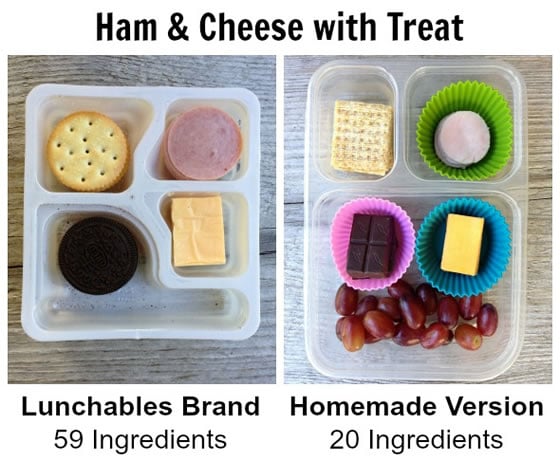
Are Lunchables Healthy? Everything You Need to Know

List of Pertinent Information on the Healthiness of Lunchables:

1. Lunchables are considered bad for one’s health.
2. The article rates Lunchables with a grade of F, indicating they are harmful.
3. Lunchables are highly processed and nutrient poor.
4. Lunchables come in various varieties such as crackers, hot dogs, pizzas, nachos, burgers, and subs.
5. They often include high-fructose drinks and desserts with GMO corn syrups.
6. The creator of Lunchables does not feed them to his children.
7. Lunchables have very low nutritional value and contain unhealthy substances.
8. Harmful ingredients in Lunchables include HFCS, artificial colors/flavors, modified cornstarch, nitrates, cellulose powder, and mechanically separated meat.
9. Short-term side effects of consuming Lunchables can include headaches, nausea, irritability, tiredness, heartburn, diarrhea, and muscle spasms.
10. Possible long-term side effects may include increased blood pressure, cholesterol, neurological issues, cardiac arrest, cell damage, inflammation, reproductive system complications, cancer, stroke, and diabetes.
11. Lunchables are convenient, ready-to-eat, and cost-effective despite their negative effects.
12. Lunchables contain saturated and trans fats, which can increase the risk of heart attacks and stroke.
13. Palm oil, used in Lunchables, has a similar saturated fat level as coconut oil and can have detrimental effects on the environment and wildlife.
14. The article advises avoiding palm oil unless the sourcing is known to be ethical.

Continue Reading