Capers substitute: Exploring flavorful alternatives for culinary experiments

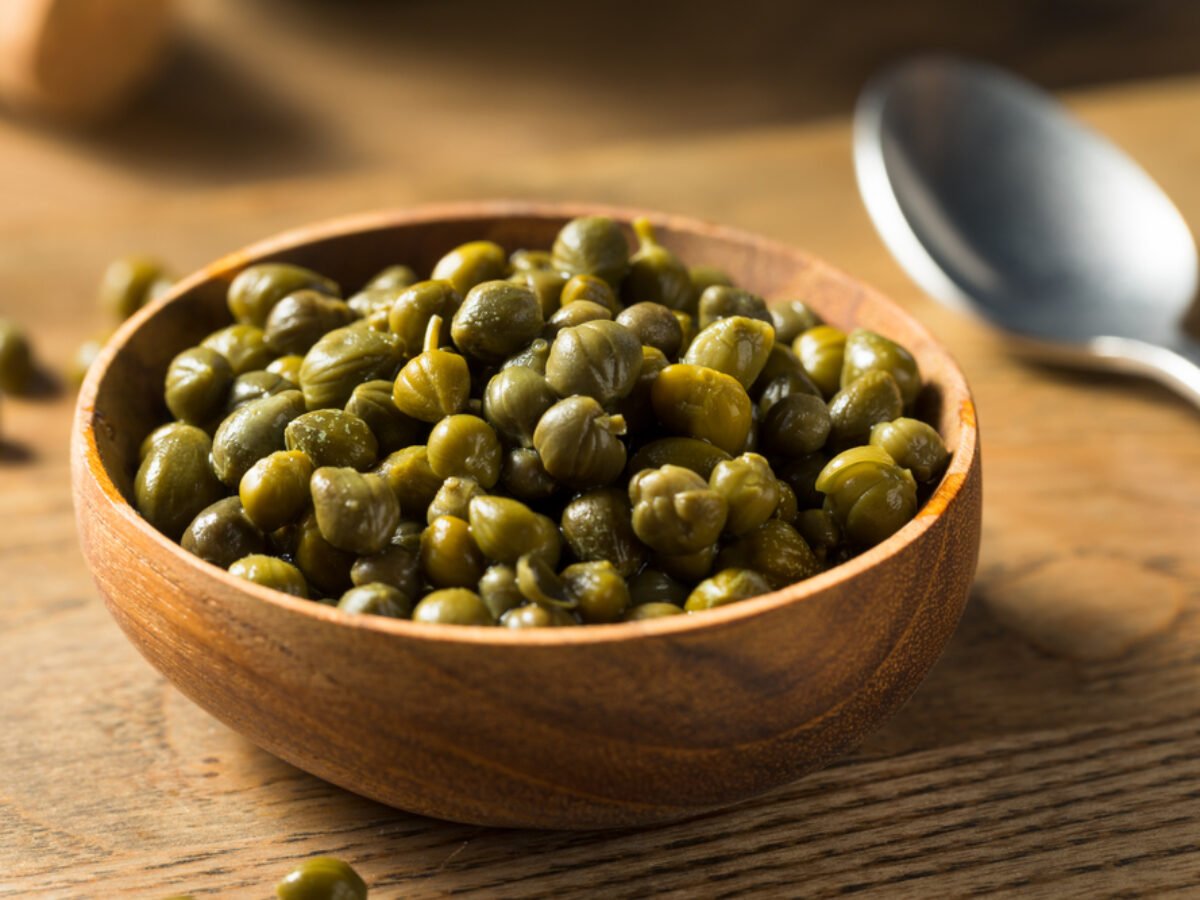
-Capers are the edible flowers from the Caper Bush, often preserved in salt or vinegar.
-Caper berries are the fruit from the caper bush, larger and with a stronger flavor.
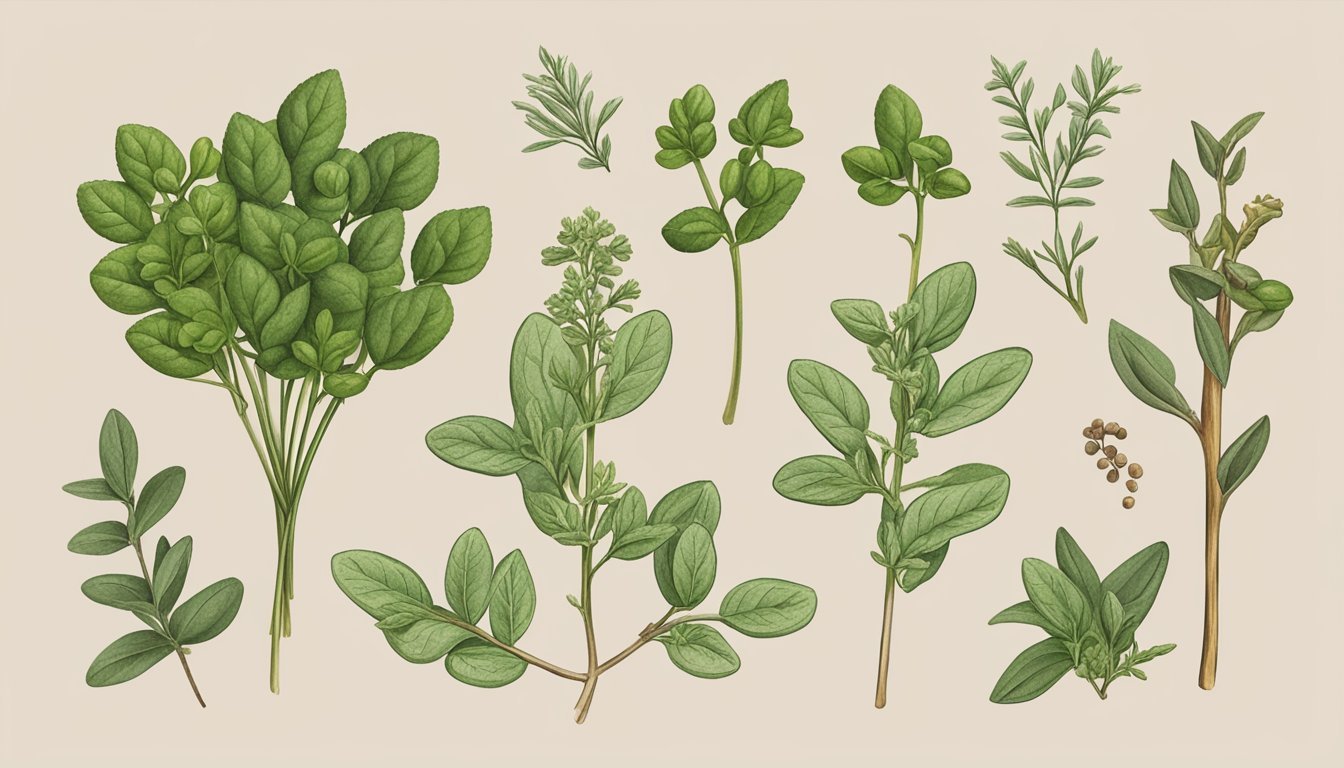
-Alternative substitutes for capers include olives, gerkins or cornichons, roast almonds or pinenuts, feta cheese, fresh herbs, preserved lemons, and sea salt flakes.
-Capers can be stored in an airtight container in the pantry, but should be refrigerated once opened.
-Flavor pairings for capers include anchovy, fish, olive, tuna, cream, and dill.

Continue Reading

Discover the Health Benefits of Raw Crab Meat: Essential Nutrients and Culinary Delicacies

– Raw crab meat should not be eaten due to the presence of harmful microorganisms and parasites.
– Crab meat in sushi rolls is often imitation crab meat made with fish and does not contain real crab.
– Fresh crab meat should be consumed as soon as possible or within a few hours if not preserved.
– Extracting crab meat from the shell takes skill, but prepared crab meat is also available for purchase.
– Raw crab is unappetizing and has a watery, mushy texture.
– Raw crab can contain harmful microorganisms such as Lung fluke, Vibrio parahaemolyticus, and Vibrio cholerae.
– Cooking crab thoroughly is the only way to eliminate these risks and make it safe to eat.
– Imitation crab is already cooked and safe to eat without further preparation.
– Canned crab meat quality can vary, with good-quality options having visible chunks and a sweet, fishy flavor.
– Whole live crabs should be cooked as soon as possible after being caught.
– Cold crab is safe to eat once it has been cooked and prepared.
– Proper cooking methods destroy toxins in certain species of crabs, making them safe for consumption.
– Whole cooked crab should be refrigerated and consumed on the day of purchase.
– Freezing crabmeat is a way to preserve freshness, with cooked crab meat frozen on the day it is caught.
– Dressed crab involves removing inedible parts and placing the tasty parts back in the shell.
– Raw crab meat may contain sharp shell fragments.
– Some people may be allergic to shellfish, including crab, and consuming it raw could lead to severe reactions.
– Crabs can accumulate harmful biotoxins from the environment, which may not be destroyed by cooking.
– Raw and cooked crab meat have differences in appearance, texture, taste, safety, and nutritional content.
– Consuming raw or undercooked crab poses a risk of foodborne illnesses.
– Proper storage practices, such as refrigeration and using airtight containers, are important for raw crab meat.
– Cooking methods for crab include boiling, steaming, grilling, and baking.
– The dangers of consuming raw crab outweigh any culinary appeal.

Continue Reading

Discover the Perfect Xanthan Gum Substitute for Baking

– Ground flax seeds can be used as a substitute for xanthan gum in baked goods, with a ratio of 2 parts flax seeds to 1 part water.
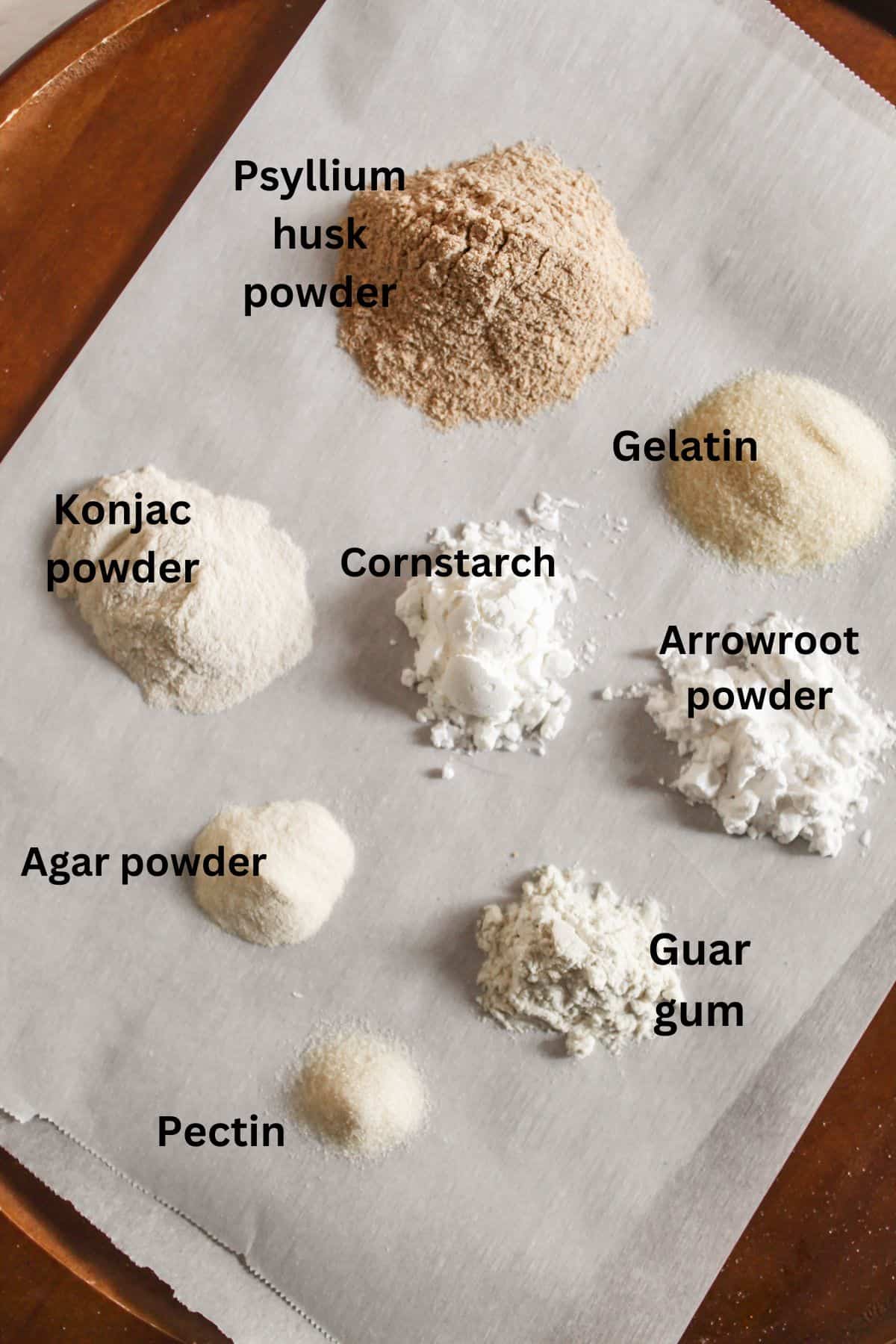
– Psyllium husk powder can also be used as a substitute for xanthan gum, providing a thickening effect and serving as a binding agent in food. It has only one net carb per two tablespoons.
– Guar gum is another alternative, with 9 grams of fiber per one-tablespoon serving. It works well as a replacement for xanthan gum in most recipes but may not perform as well in hot water or acidic solutions.
– Egg whites can replace xanthan gum’s binding functionality and provide some protein.
– Chia seeds, which have one net carb and four grams of fiber per tablespoon, can add thickness and moisture to baked goods and be used as a stabilizer in smoothies or shakes. They need to soak in water for 10 to 15 minutes before becoming a gel-like substance.
– Gelatin can be used as a substitute for xanthan gum in keto recipes. – Agar-agar can also be used as a substitute for xanthan gum in a 1:1 ratio. – Agar-agar is obtained from red algae and is a vegan option.

Continue Reading

Gelatin Sheets: A Versatile Ingredient in Culinary Delights!

Keywords: gelatin sheets, gelatin, thickening agent, collagen, molded desserts, cold soups, marshmallows, confectioneries, stabilizer, thickener, texturizer, jams, yogurt, cream cheese, animal hide, bone, kosher, Halal, vegetarian diets, sheet gelatin, granulated gelatin, professional cooks, European recipes, clarity, ease of use, blooming gelatin, tropical fruit juices, Bloom Gelometer, measurement of gelatin rigidity, Bloom grade, Silver grade, Gold grade, soaking, dissolving, chilling, freezing, syneresis, Modernist Pantry

Summary:
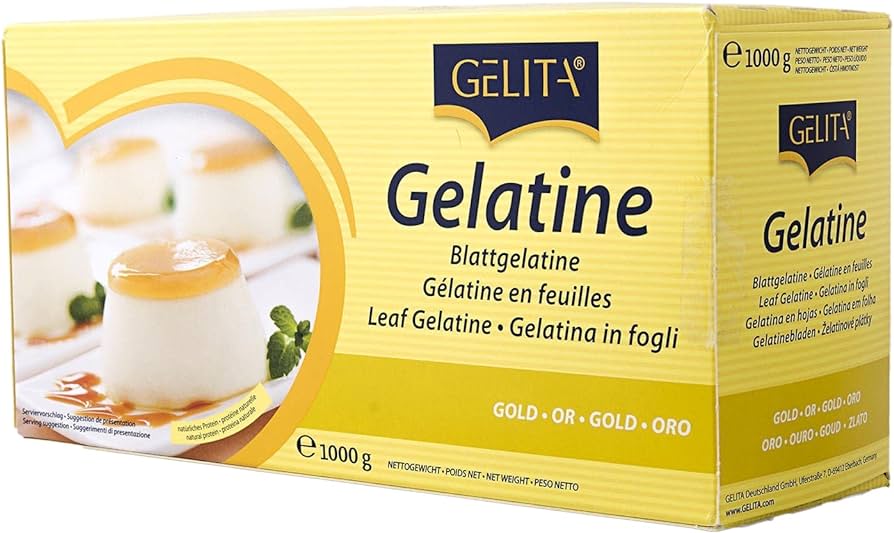
Gelatin sheets are a form of gelatin commonly used as a thickening agent in various dishes. Gelatin is made from collagen found in animal bones, cartilage, and connective tissue. It is used in molded desserts, cold soups, marshmallows, and confectioneries. It acts as a stabilizer, thickener, and texturizer in foods like jams, yogurt, and cream cheese. Gelatin sheets are derived from animal hide and bone. They dissolve more slowly but produce clearer results compared to granulated gelatin. Professional cooks and European recipes often prefer sheet gelatin. Blooming gelatin refers to the process of softening it in liquid before melting. It is recommended to avoid using fresh tropical fruit juices as they contain enzymes that break down gelatin. Gelatin rigidity is measured using a Bloom Gelometer. Different grades of sheet gelatin are available, including Silver grade (160 Bloom) and Gold grade (190-220 Bloom). Using gelatin sheets involves soaking them in cold water, removing excess water, adding to room temperature liquid, and heating until dissolved. Gelatin desserts should be chilled for at least eight hours, and freezing gelatin may cause syneresis upon thawing. The gelatin sheets sold by Modernist Pantry are made in Germany from pork skin and are widely used by chefs and recipes globally.

Continue Reading

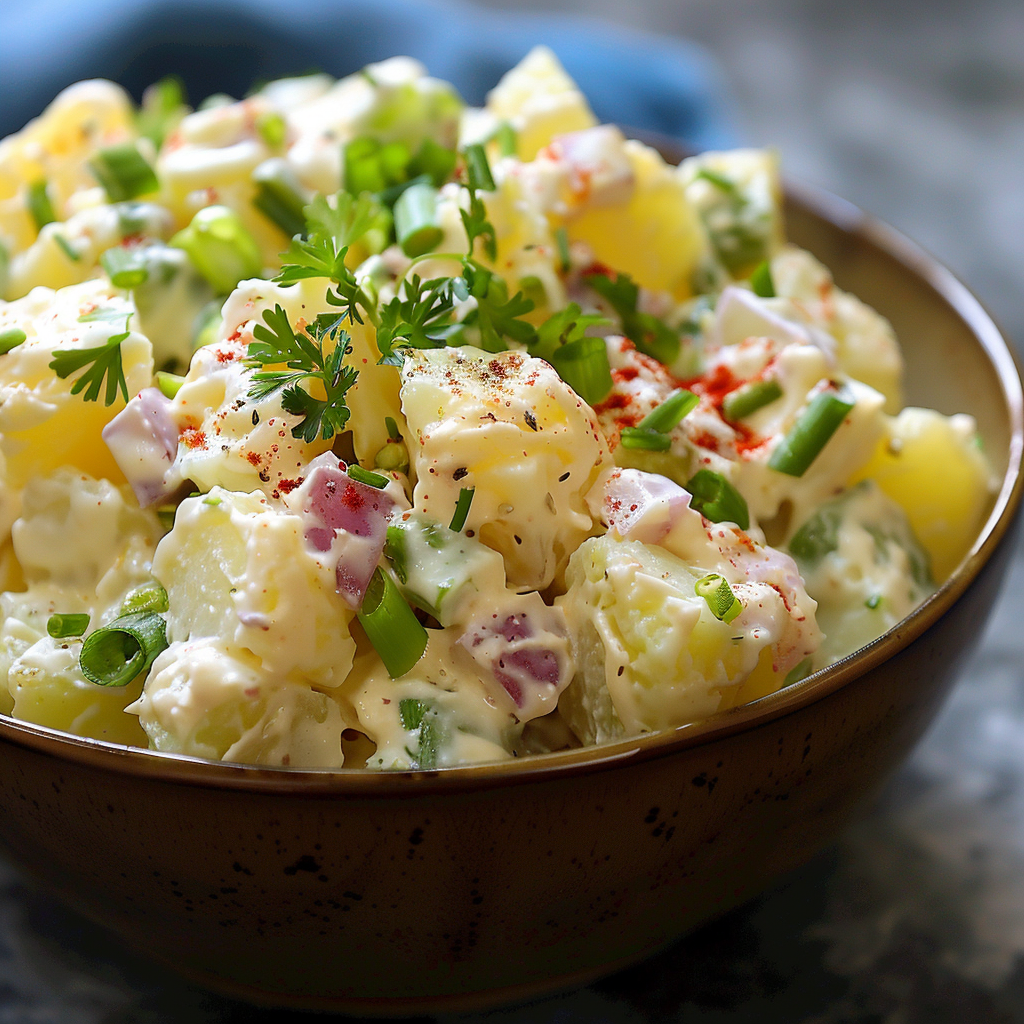
Can You Freeze Potato Salad? Tips and Tricks

– Potato salad can be frozen, but it may not have the same texture when thawed.
– Leftover potato salad should be stored in the refrigerator and can last for three to four days.
– If potato salad has been held at room temperature for two hours, it should be thrown away instead of being returned to the refrigerator.
– Potato salad made with vinegar or without mayonnaise can last slightly longer than those made with mayo or hard-boiled eggs.
– Mayonnaise and dairy-based ingredients don’t freeze well, so the texture and taste of potato salad may be affected after freezing.
– Freezing can cause the potatoes to become soggy and turn gray.
– It is recommended to find creative ways to use up leftover potato salad instead of freezing it.
– If freezing potato salad, place it in a freezer-safe bag, press it into a single layer, squeeze out air, and freeze it flat.
– To freeze store-bought potato salad, remove it from the original container and place it in a freezer-safe bag.
– Freezing potato salad in a square container may lead to a deteriorated texture.
– These ingredients do not freeze well and can result in a strange texture when thawed.
– If potato salad with mayonnaise is frozen, it is recommended to serve it warm.
– The best way to thaw frozen potato salad is in the refrigerator overnight.
– If time is short, the freezer bag can be placed in cold water, with the water being changed every 30 minutes until the salad is thawed.
– A hole in the bag may cause the potato salad to become waterlogged, so an airtight bag is preferred.
– According to the USDA, potato salad should last in the refrigerator for three to four days.
– Frozen potato salad will have a different texture and may look and taste weird when thawed.
– Freezing potato salad can last about three to six months before the quality starts to decline.
– Thawing frozen potato salad is best done in the refrigerator overnight, but if time is limited, the freezer bag can be placed in cold water, with the water changed every 30 minutes until the salad is thawed.

Continue Reading