
How To Make And Top Rice Puri
Top your rice puri with deliciousness! Learn how to make and top rice puri with this easy recipe.
Continue Reading
Top your rice puri with deliciousness! Learn how to make and top rice puri with this easy recipe.
Continue Reading
– When using fennel seed substitutes, start with a small amount and adjust according to taste.
– Crushing the seeds before use releases essential oils and enhances flavor.
– Toasting substitutes like cumin or caraway seeds over low heat can enhance their flavors.
– Some substitutes may lose their flavor quickly when cooked, so add them towards the end of the cooking process.
– Blending two substitutes, like anise and dill seeds, can create a closer approximation of fennel seed flavor.
– Experiment and have fun with different substitutes to discover new flavor combinations.
– Fennel is not easy to substitute, especially in terms of texture.
– There are herbs that can offer a substitute for fennel in terms of flavor.
– The form in which fennel should have been used determines the substitute needed.
– Fresh herbs can be used as a substitute for raw fennel.
– Other ground spices can be used as a substitute for dried or ground fennel seeds.

Many homes use the orange extract in their cooking. They do this to get the lovely orange flavor in their food without using the actual oranges. Orange extract gets extracted from the orange as the concentrated orange flavor that is preserved by adding alcohol to it. The alcohol later burns off while cooking and it […]
Continue Reading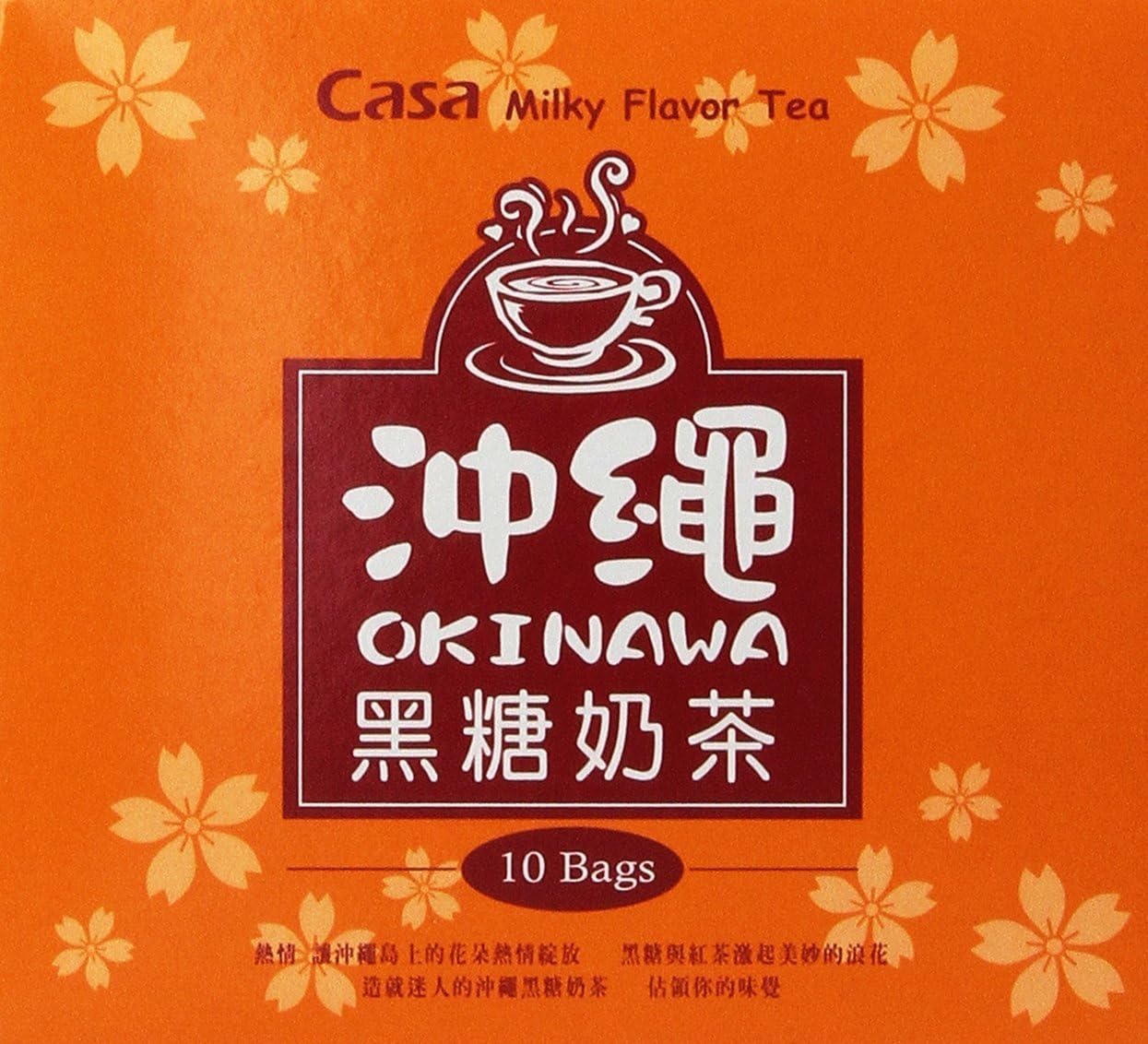
– Okinawa milk tea originates from the Okinawa region of Japan
– Made with black tea, milk, and sweetener, specifically Okinawa brown sugar
– Can be served hot or iced
– Can be enjoyed with or without tapioca pearls
– Okinawa brown sugar is unique to Okinawa and has high vitamin and mineral content
– Substitute sweeteners for Okinawa brown sugar include toasted sugar, molasses, or regular brown sugar
– Loose leaf black tea, whole milk or plant-based milk, and sweetener used to make Okinawa milk tea at home
– Ratio of tea leaves to water is approximately one teaspoon of tea leaves for every six ounces of water
– Caffeine content in Okinawa milk tea depends on factors such as the type of tea leaves used, water temperature, and steeping time
– Other popular types of milk tea include Hokkaido milk tea, Hong Kong milk tea, and boba tea
– Hong Kong milk tea is flavored with tapioca pearls
– Thai tea is made with tea, milk, and sugar and can be flavored with various ingredients
– Tea lattes are made with tea and steamed, frothed milk, popular versions include matcha lattes, chai lattes, and London Fog lattes
– Masala Chai is made with black tea, milk, honey, and spices
– British milk tea is typically served with milk and sometimes sweetener, using breakfast blends like Irish Breakfast and English Breakfast
– Methods for making Okinawa milk tea include using a teapot, tea infuser, or tea filter
– Recommended water temperature for steeping is boiling water
– Recommended steep time is three to five minutes
– Sweeteners that can be used include traditional Okinawa brown sugar, toasted sugar, molasses, or regular brown sugar
– Optional addition to Okinawa milk tea is tapioca pearls
– Caffeine content in Okinawa milk tea is about half as much as a cup of coffee
– Factors influencing caffeine content include leaf size, tea varietal, water temperature, and steep time
– Distinction between Okinawa milk tea and Hokkaido milk tea is the use of Hokkaido milk and Okinawa brown sugar, respectively
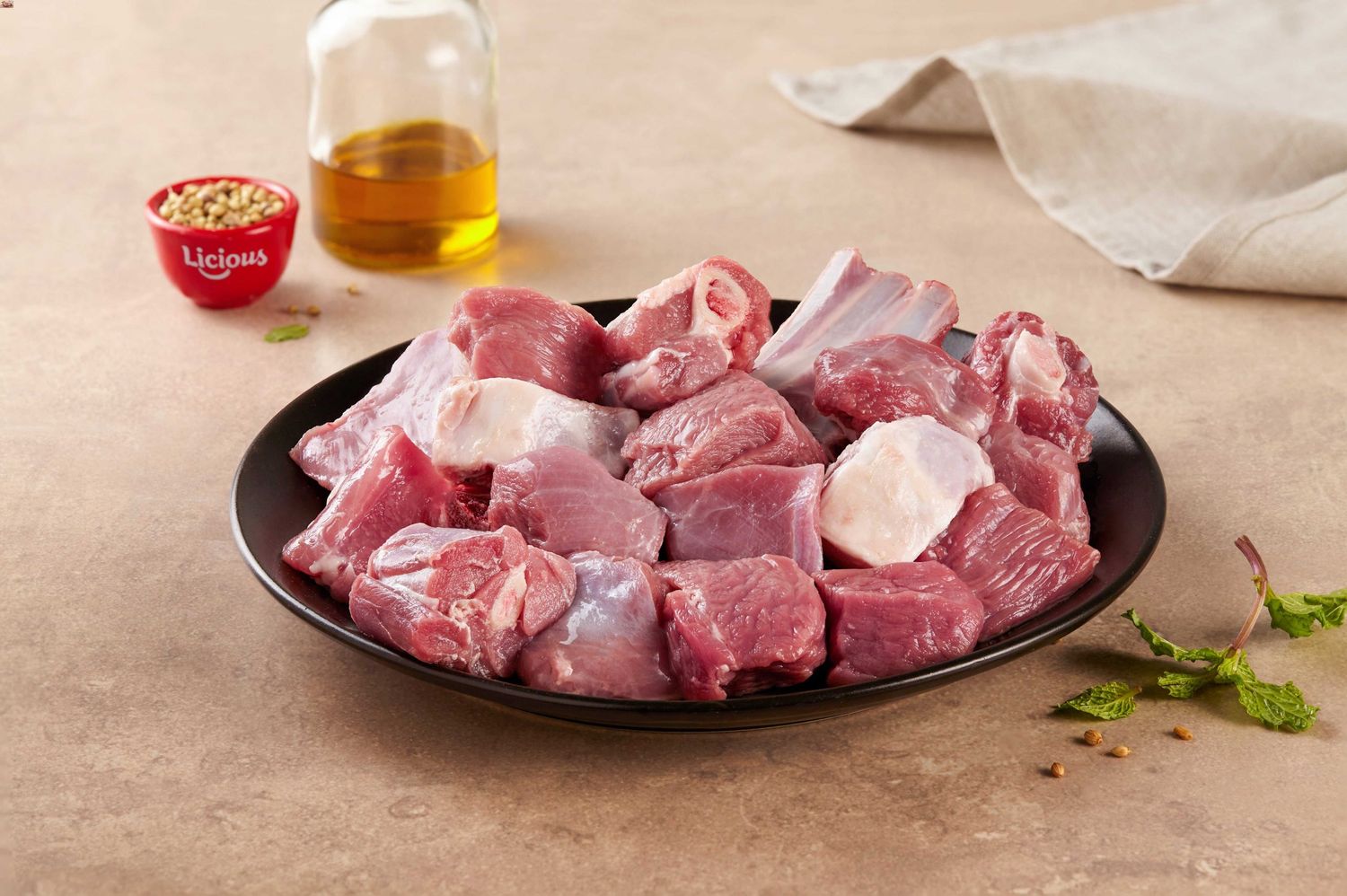
– Goat meat is a popular type of meat consumed in many parts of the world, especially in Asia, Africa, and the Middle East.
– The taste and texture of goat meat can vary based on the breed of goat, the age of the animal, and how the meat is prepared.
– While older goats or improperly prepared meat can have a strong, gamey flavor, younger goats can have a mild, sweet flavor that is often compared to lamb or beef.
– Goat meat is leaner than beef or pork, making it a good choice for those watching their fat intake.
– Goat meat is high in protein and contains essential vitamins and minerals such as iron and vitamin B12.
– Goat meat can be prepared in various ways, including roasting, grilling, stewing, and using it in sausage or jerky.
– Some popular dishes featuring goat meat include birria (Mexican stew) and curried goat (Caribbean and Indian dish).
– It is important to find reputable and ethical sources of goat meat that prioritize animal welfare and do not use hormones or antibiotics.
– Goat meat is considered one of the healthiest red meats, containing high levels of nutrients while being low in fat and cholesterol.
– There are two categories of goat meat: kid meat (from goats aged 4 months or younger) and adult meat (from goats up to 14 months old).
– Kid meat is leaner and more tender than adult meat.
– A 3-ounce serving of cooked goat meat contains 115 calories, 20 grams of protein, less than 1 gram of carbohydrates and sugar, 3 grams of fat, and 1 gram of saturated fat.
– Cooking goat meat at temperatures around 145-160 degrees Fahrenheit helps maintain tenderness and juiciness.
– Proper cooking is essential to prevent the transmission of zoonotic diseases.
– Processed goat meat (smoked, salted, or preserved) can increase cancer risk.
– Daily consumption of goat meat, like other red meats, can increase the risk of heart disease.
– Goat meat is versatile and can be used in various cuisines and dishes.
– Goat meat is a healthier alternative for managing weight and reducing cholesterol levels.
– It is a good source of conjugated linoleic acid (CLA), which reduces the risk of heart disease and diabetes.
– Goat meat is rich in vitamins and minerals such as iron, zinc, vitamin B12, and selenium which reduces cancer risk and improves thyroid function.
– It is easy to digest and suitable for people with sensitive stomachs.
– Goat farming is sustainable and eco-friendly.
– Goat meat is described as gamey and has a strong smell.
– It can be compared to lamb or beef in taste.
– Goat meat is popular in African, Asian, Middle Eastern, Caribbean, and Latin cuisines.
– It offers higher lean protein, lower fat, sodium, and cholesterol compared to other meats.
– It can be prepared in various ways – grilled, baked, canned, fried, or minced.
– Stewing or marinating is recommended as it tends to dry out quickly.
– The flavor of goat meat can vary depending on factors such as age, breed, and preparation.
– Young goat meat has a milder taste compared to older goats.
– Goat meat can have a milder taste depending on the breed of goat, such as Boer goats.
– The taste can also be impacted by how the goats are raised, with grass-fed goats having a milder taste compared to grain-fed goats.
– The flavor of goat meat can be described as earthy or nutty, and it has a mild, slightly gamey flavor similar to lamb with a sweeter finish.
– The texture of the meat can vary based on the age of the goat, with younger goats having softer and leaner meat and mature goats having tougher meat similar to beef and lamb.
– Different cuts of goat meat have different tastes and textures, with leg and shoulder cuts having more fat and connective tissue and loin and rib chops being leaner.
– Goat meat is not typically considered spicy, but can be cooked to be tender and juicy.
– Proper trimming, rinsing, and soaking in a liquid or saltwater brine can help remove any lingering odor and tenderize the meat.
– Goat meat is often turned into sausage or ground for stew due to its tendency towards toughness.
– When appropriately prepared, goat meat is mild and flavorful, comparable to black bear or deer meat.
– The season in which the goat is harvested may affect its taste, with billies taken during the rut tasting strong and those taken in September being more palatable.
– Goat cheese (Chèvre) has various textures and flavors ranging from mild to tangy, young to mature, and crumbly to creamy.
– In its youth, goat cheese delivers tangy and earthy flavors, while in maturity it becomes crumbly with creamy flavors and traces of dried herbs and hazelnuts.
– Goat cheese has a unique bitterness that enlivens surrounding flavors and is lower in calories, cholesterol, fat, and carbs compared to cow milk cheese.
– Goat milk has a mild and sweet taste, almost indistinguishable from cow milk, but can vary depending on factors such as butterfat content, diet, living conditions, and health of the goat.
– Goat butter has a lower melting point than cow’s milk butter and is translucent white due to the absence of beta-carotene, with a milder flavor but still retaining tang and grassiness compared to cow butter.
– Goat meat has a unique taste that can vary depending on the specific part of the animal and its age, breed, and feed.
– The leg and shoulder cuts are ideal for slow-cooking methods like braising or roasting, while the loin and rib chops are leaner and great for grilling or pan-frying.
– Ground goat meat is good for making burgers or sausages.
– The texture of goat meat depends on the age of the animal, with young goats having soft and lean meat and mature goats being tougher like beef or lamb.
– The flavor of goat meat can range from mildly gamey to sweet, with a sweeter finish compared to lamb.
– Goat meat is relatively lean, containing around 3% fat, and is lower in cholesterol, saturated fats, and calories than sheep meat.
– Goat meat should be cooked at low temperatures with plenty of moisture and must be cooked thoroughly.
– Goat meat has a slightly sweeter or gamey flavor.
– Experimenting with bold flavors like Middle Eastern or Indian can enhance its taste.
– Goat meat is not commonly available in Western supermarkets and can be found through specialty butchers, online sellers from farms, or gourmet food sellers.
– It can also be found in some Middle Eastern, Indian, or Caribbean specialty grocery stores.
– The words chevon, cabrito, or capretto may denote that the meat is goat meat.
– There are different cuts of goat meat with different textures and flavors, including cubed or minced meat, leg, shoulder, and rack.
– Goat meat is best slow-cooked to break down the tendons in the meat and can be tenderized through marinating.
– Goat meat pairs well with strong spices and herbs like cumin, coriander, and rosemary.
– It can be served with roasted vegetables, rice, couscous, tangy salsa, or chutney.
– Slow cooking can result in tender and juicy meat with a rich flavor, while grilling can give it a slightly charred and smoky flavor.
– Goat meat has a distinctive earthy flavor and pairs well with strong spices.
– Goat meat is best cooked slowly at a low temperature with plenty of moisture to tenderize it.
– Marinating goat meat is a great way to enhance its flavor and tenderize it.
– Goat meat is leaner and has lower fat content than lamb.
– Goat meat can be tougher to chew than lamb.
– Lamb meat contains more fat and marbling, giving it a richer flavor.
– Lamb is considered gamier in taste than goat meat.
– The choice between lamb and goat depends on personal preference and the cooking method used.
– In the United States, goat meat is called chevon.
– Goat meat can also be referred to as goat or kid (for young goats).
– Cabrito is the meat of a young milk-fed goat.
– Goat
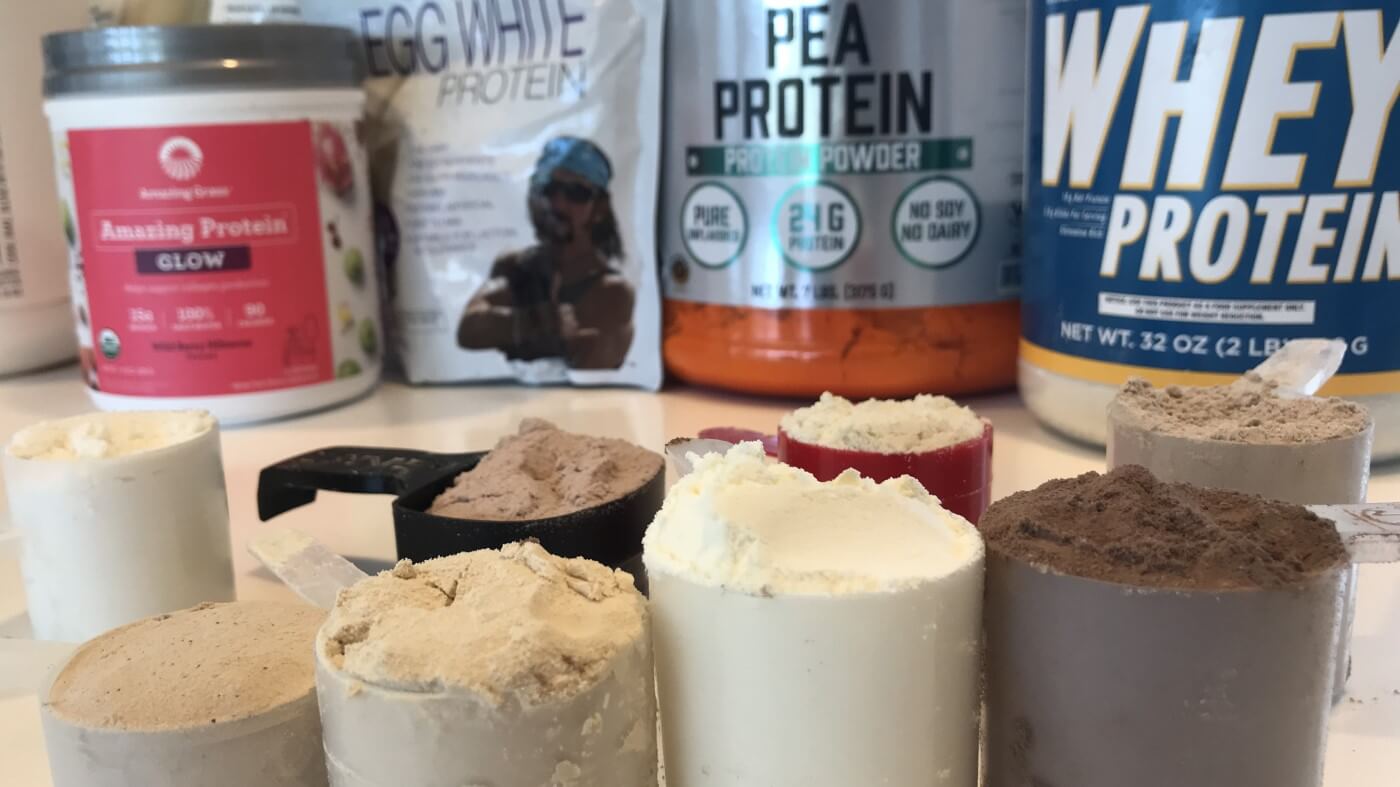
– Protein is an essential macronutrient for muscle repair, tissue growth, hormone production, and enzyme creation.
– Protein powder is a convenient way to supplement protein intake.
– The amount of protein needed per day varies based on activity level, with tough workouts requiring higher amounts.
– Protein powders come in a variety of flavors for taste variety.
– Protein powder is easy to take on the go and doesn’t require refrigeration or cooking.
– The liquid used to mix with protein powder affects taste and overall nutrition.
– Water is a simple, efficient, and convenient liquid to mix with protein powder. It is low in calories and helps meet daily water intake requirements.
– Milk, including alternatives like almond milk and soy milk, can be mixed with protein powder. It adds calories and additional protein, vitamins, and minerals.
– Coconut water is a delicious and healthy option to replace fluids and electrolytes lost during intense workouts. It can be mixed with fruity protein powder for a summer flavor.
– Protein powder can be added to smoothies for a healthy boost. The powder helps slow down the digestion of sugars from fruits and can be blended to prevent clumping.
– Coffee can be mixed with protein powder for a unique beverage. Vanilla or chocolate protein powder is recommended for this combination.
– Orange juice can be consumed post-workout for refueling, but should be used sparingly due to its high sugar content.
– Five tips for making protein shakes smooth and clump-free are provided, including storing protein powder in a dry place and using a high-speed blender or shaker bottle to break up clumps.
– UNICO offers a variety of flavors of protein powder.
– Most active people find it difficult to get enough protein per day.
– There has been confusion about how much protein one needs per day.
– For a 150-pound female, the minimum daily protein intake is 54 grams.
– Engaging in tough workouts may require higher protein intake, up to two or three grams of protein per kilogram of body weight.

– Freezing coconut milk is a simple and effective way to preserve it.
– Canned coconut milk can be frozen, but the texture may become slightly lumpy after thawing.
– It is best to use fresh coconut milk for freezing.
– Opened canned coconut milk lasts up to 5 days in the refrigerator.
– Unopened canned coconut milk can last for 2 to 5 years in the pantry.
– Frozen coconut milk can last for up to 6 months.
– When freezing coconut milk, leave at least ½ inch of headspace in the container for expansion during freezing.
– Smaller portions of coconut milk can be frozen using silicon trays, plastic zip top bags, or ice cube trays.
– Label the container or bag with the date before placing it in the freezer.
– To defrost frozen coconut milk, it is advised to place it in the refrigerator for 24 to 48 hours.
– Alternatively, it can be microwaved in short bursts or placed in a bowl of lukewarm water for 30 minutes.
– After thawing, the coconut milk should be stirred to re-integrate the texture.
– Once thawed, frozen coconut milk can be used in most recipes that call for it.
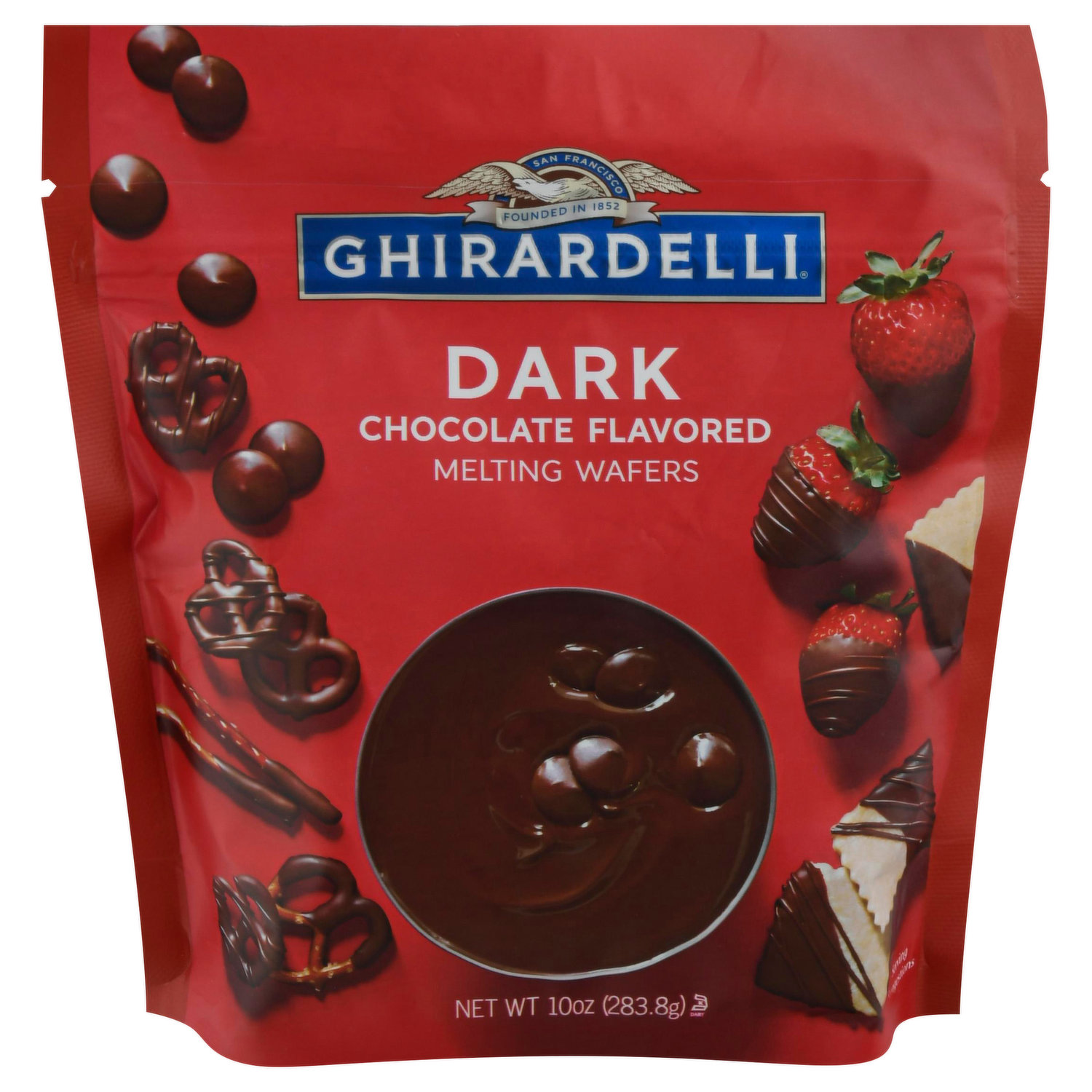
– The microwave is suitable for melting small amounts of melting chocolate wafers (1 cup or less).
– It is important to read the instructions on the packaging for microwaving chocolate or candy wafers and adjust the power setting to avoid overcooking.
– A microwave-safe bowl, preferably made of glass, should be used for better heat distribution.
– The double boiler method is recommended for melting larger amounts of melting chocolate wafers (1 cup or more).
– A double boiler uses hot steam instead of a flame to melt chocolate.
– To create a double boiler, a small saucepan with about 1 inch of water should be placed on the stove. The chocolate should be placed in a heat-safe bowl that is larger than the mouth of the saucepan, without touching the water.
– The heat should be set to medium-low, and as the water boils, the steam will rise and melt the chocolate.
– This method is virtually impossible to burn or overcook the chocolate, but steam should not come in contact with the chocolate as it can cause it to seize.
– If a lot of steam is coming out around the bowl, either lower the temperature or remove some of the water.
– The article discusses the use of melting chocolate wafers or discs instead of chocolate chips in baking cookies. The Bon Appétit test kitchen endorses Guittard’s bittersweet wafers because they melt during baking, resulting in thin sheets of chocolate threaded through the cookie dough. Guittard’s bittersweet wafers come in 66 and 74 percent cocoa options. They can be used in various recipes, such as chocolate chip cookies, chocolate malt biscuit cookies, slice-and-bake praline cookies, chocolate soufflés, and ganache. It is suggested to buy them in bulk online since they can be hard to find in grocery stores and to store them in a cool place away from the stove and oven. Additionally, the article mentions that the special edition BA box with a subscription to Bon Appétit magazine includes these chocolate wafers.
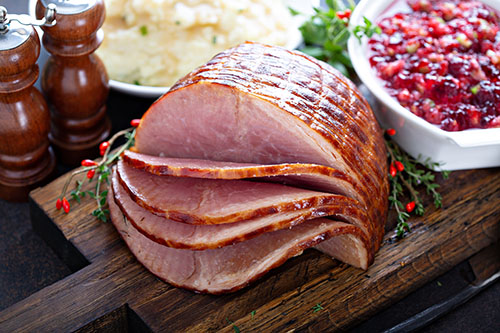
1. Ham is the most popular cold cut in America.
2. The process of making ham involves smoking and curing.
3. Smoking meat is well known, but the curing process is less understood.
4. Curing serves as an anti-bacterial measure.
5. The text does not provide enough context for a summary.
List:
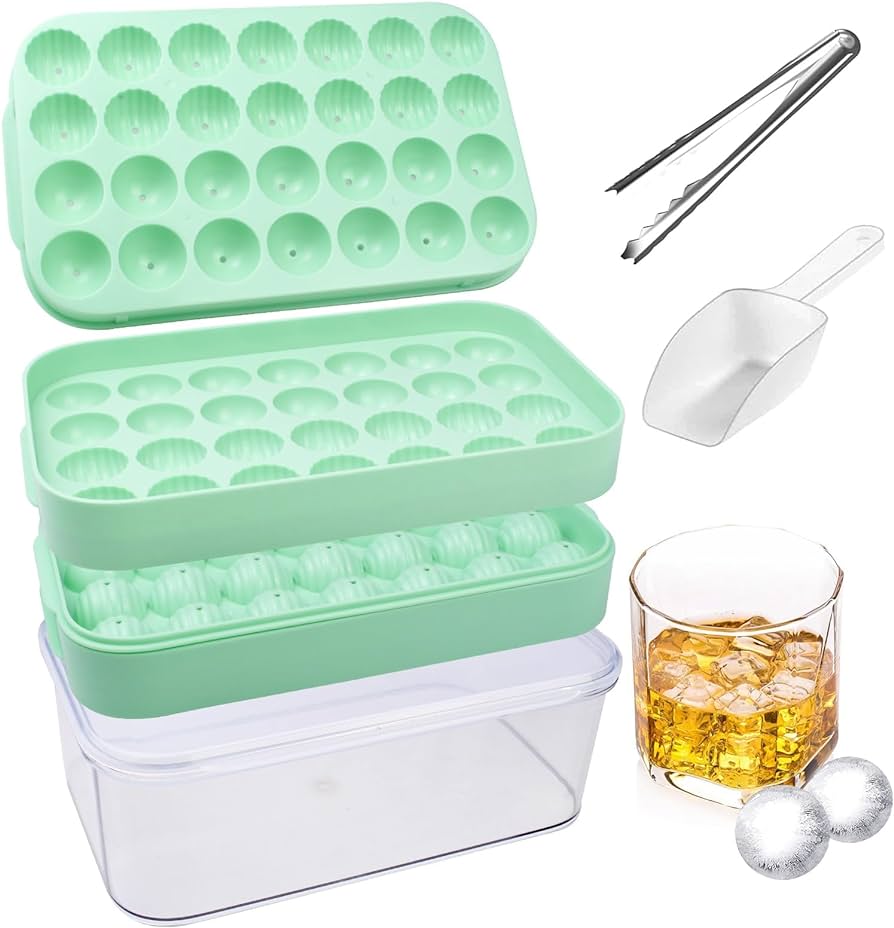
– Benefits of using ice cube trays with lids
– Prevents splashing while filling trays
– Allows for a more uniform shape of the ice cubes
– Makes it easier to use boiling water for clearer ice
– Helps prevent freezer smell and taste from seeping into the ice
– Recommendation of the Ice Box dual tray and container from W&P
– Convenient ice storage with the Ice Box
– Seal provided by the lid to freeze and store ice
– Spill-free and convenient design of the W&P Ice Box Silicone Freezer Tray with Lid
– Designed for easy ice making without spilling
– Flexible underside for easy removal of ice cubes
– Lid helps with filling, moving, and storing trays
– Keeps ice cubes tasteless and odor-free
– Space-saving design allows for stacking in the freezer