The Surprising Health Benefits of Bitter Cucumber: A Guide

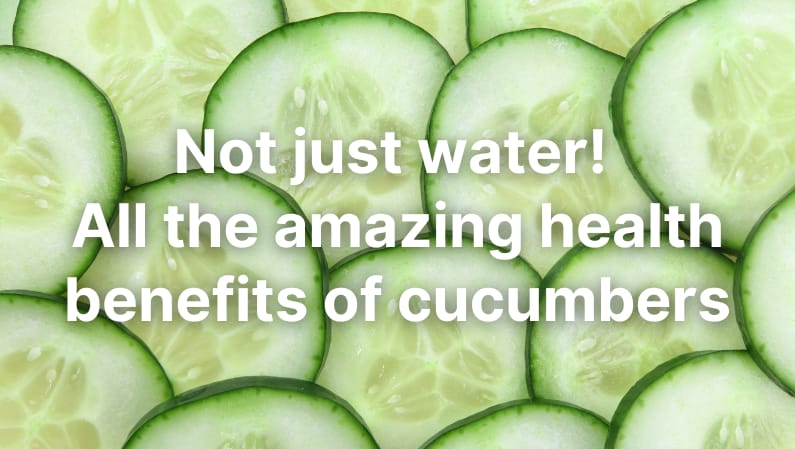
– Extreme heat and cold can cause bitterness in cucumbers.
– Wait until after the last frost date (when the soil is at least 60 degrees F) before planting.
– Ensure the plant gets the right amount of sun for the climate.
– In cool locations, plant in all-day full sun.
– In warmer climates, ensure that the vines get plenty of sun earlier in the day and avoid late afternoon heat.
– Keeping plants at a consistent temperature helps prevent bitterness in cucumbers.

Continue Reading

Can You Eat Raw Zucchini? Nutritional Benefits and Surprising Recipes!

– Eating raw zucchini is safe and a healthy way to consume vegetables.
– Some zucchinis may be bitter due to high levels of toxic compounds called cucurbitacins, but this is rare in commercial varieties.
– If zucchini tastes fresh and mellow, it can be eaten raw.
– In rare cases, allergic reactions to zucchini can occur, and it’s best to avoid it if allergic.
– Cooking zucchini makes it more digestible, but raw zucchini can help preserve essential minerals and nutrients.
– Boiling vegetables can remove water-soluble vitamins like vitamin C.
– Eating both raw and cooked vegetables is ideal for a balanced diet.
– Zucchini skin, flowers, and seeds are all edible and contribute to fiber intake.
– Peeling zucchini is not necessary, but some recipes may call for it.
– Zucchini skin contains carotenoids, which give color to various vegetables.
– A fresh zucchini bought at the grocery store can be kept in the fridge for up to 2 weeks.
– Signs that a zucchini is past its prime include the presence of mold, a bad smell, extreme softness, or wetness/leaking.
– Raw zucchini is packed with water and both soluble and insoluble fiber, promoting healthy digestion and preventing constipation.
– It is low in calories, high in water and fiber, and may aid in weight loss by curbing appetite.
– Zucchini is low in carbs, a good source of fiber, and may help control blood sugar levels.
– It contains soluble fiber, vitamin C, and potassium, all of which may reduce heart disease risk factors.
– Beta-carotene and vitamin C in zucchini promote healthy vision, while antioxidants lutein and zeaxanthin may reduce the risk of age-related eye disorders.
– Cucurbitacins are compounds found in squash, zucchini, and gourds that can be toxic.
– Intake of foods high in cucurbitacins has been linked to poisoning and death in animals, and in humans, it can cause nausea, vomiting, diarrhea, hair loss, and even death.
– Commercially grown zucchinis are low in cucurbitacins due to selective breeding, so the risk of cucurbitacin poisoning is rare from store-bought zucchinis.
– Wild zucchini may have higher amounts of cucurbitacins, so caution is advised when eating them.
– Raw zucchini can cause bloating due to the presence of nutrients like cellulose and soluble fiber.
– There is a potential risk of contamination from bacteria or parasites, so thorough washing is recommended.
– Commercial varieties of zucchini are generally safe to eat raw, but if a zucchini tastes extremely bitter, it’s best to dispose of it as it may be high in cucurbitacins.

Continue Reading

Do Carrots Need to be Refrigerated: A Comprehensive Guide

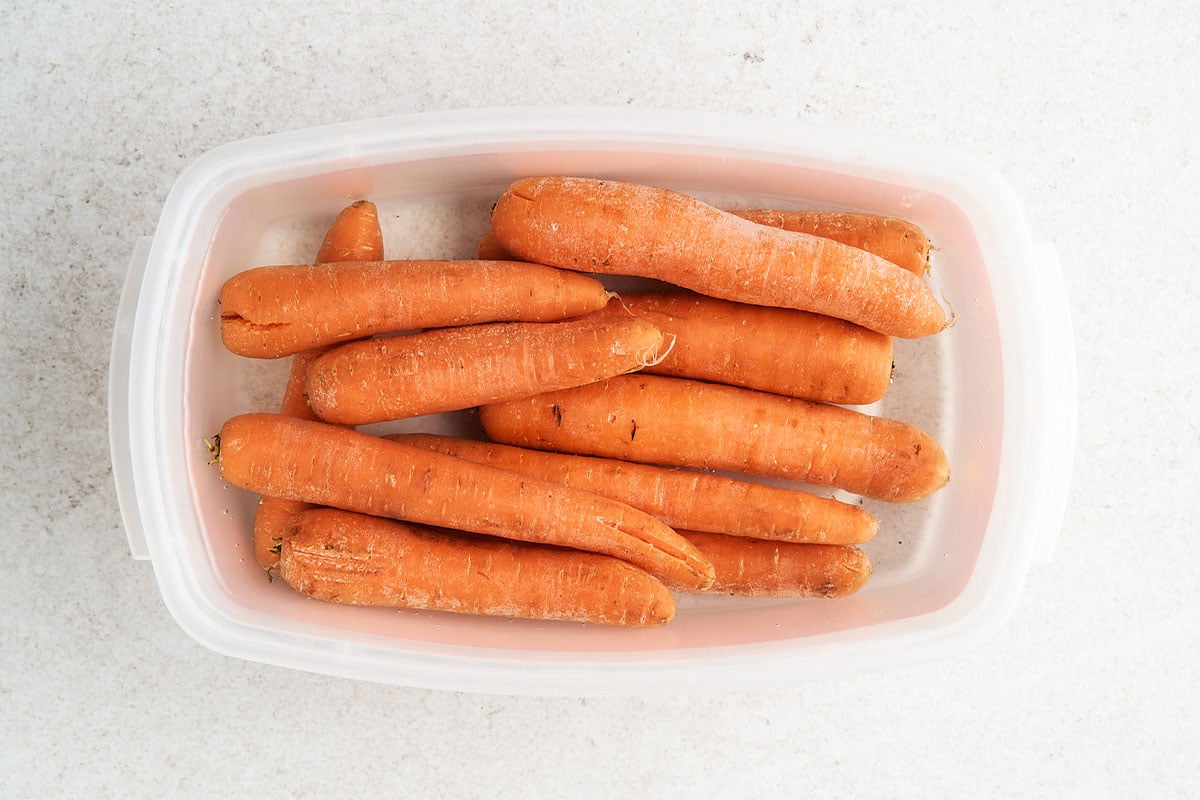
– The article provides tips on how to defrost frozen carrots
– It suggests two methods – thawing in the refrigerator and thawing in cold water
– Sliced carrots should not be left out at temperatures above 40°F for more than 2 hours, according to USDA recommendations
– The article recommends using Glad® FLEX’N SEAL™ to allow the carrots to come up to room temperature without any liquid getting on the fridge or countertop
– The importance of knowing how to store and freeze carrots properly
– Instructions on how to store leftovers
– Mention of the Glad Flex’N Seal as a way to thaw carrots at room temperature without making a mess
– Importance of knowing how to store and freeze carrots for future use

Continue Reading

Honey Spoons: Uncovering the Sweet Secrets of Nature

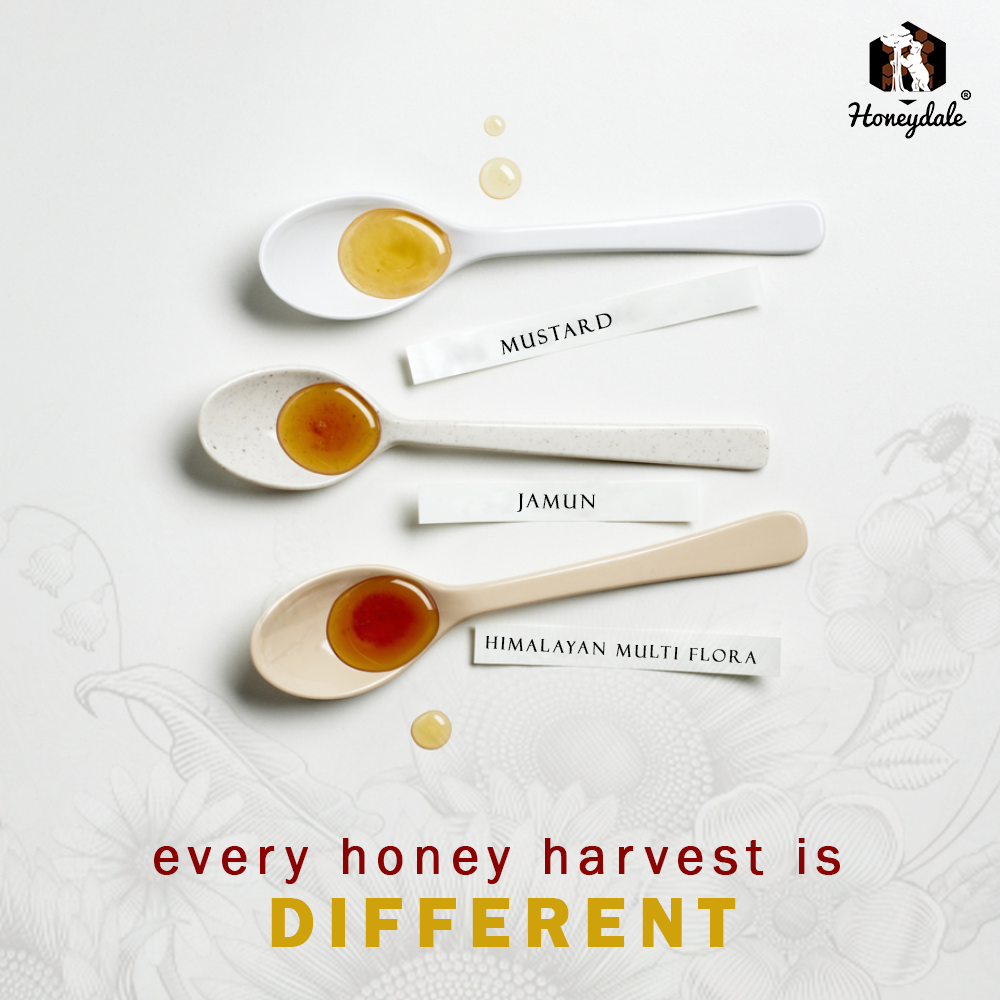
– honey spoons
– sweetener in hot beverages
– wedding favors
– made with real honey
– priced at $3.00 each
– made of hard candy
– placed on wooden sticks
– can be sucked on like a sucker
– can be placed in hot drinks for one minute
– hand-poured
– slight variations may occur
– sold for $1.50 each
– hand-poured at Melville Candy Company
– can sweeten tea
– enjoyed like a lollipop
– available in seven flavors: Clover, Orange Blossom, Blueberry, Cinnamon, Ginger Peach, Peach Mango, Tupelo Honey.

Continue Reading

What is soppressata and how is it made?

– Soppressata is a dry-cured pork salami
– It has a uniquely flattened shape
– It is made with leaner cuts of pork
– The meat is coarsely ground and pressed into casings
– The curing process takes 45-60 days
– The ingredients include salt, peppercorns, chile peppers, cinnamon, and rosemary
– Different regions in Italy have their own versions of soppressata
– Southern regions have a protected designation of origin status
– Northern Italy also has its own versions
– Soppressata can be enjoyed alone, on a charcuterie board, in a sandwich, and in sauces and dishes.

Continue Reading

How to thicken curry: Tips and techniques explained

List of techniques to thicken curry:

1. Flour
2. Poppy seeds and melon seeds
3. Roux
4. Cornstarch/Arrowroot Slurry
5. Pureed Lentils
6. Peanut Butter (or Nut Butter)
7. Cooking base ingredients until moisture evaporates
8. Simmering curry over low heat to reduce it
9. Adding tomato paste to tomato-based curry sauces
10. Mashing or pureeing vegetables like potatoes, squash, or carrots
11. Pureeing a portion of the curry and adding it back in
12. Stirring in Greek yogurt or heavy whipping cream
13. Whisking in coconut cream or coconut milk
14. Adding grated or shredded unsweetened coconut
15. Making a nut paste with cashews or blanched almonds.

Continue Reading

Drying Basil: Preserving Flavor and Maximizing Nutritional Benefits

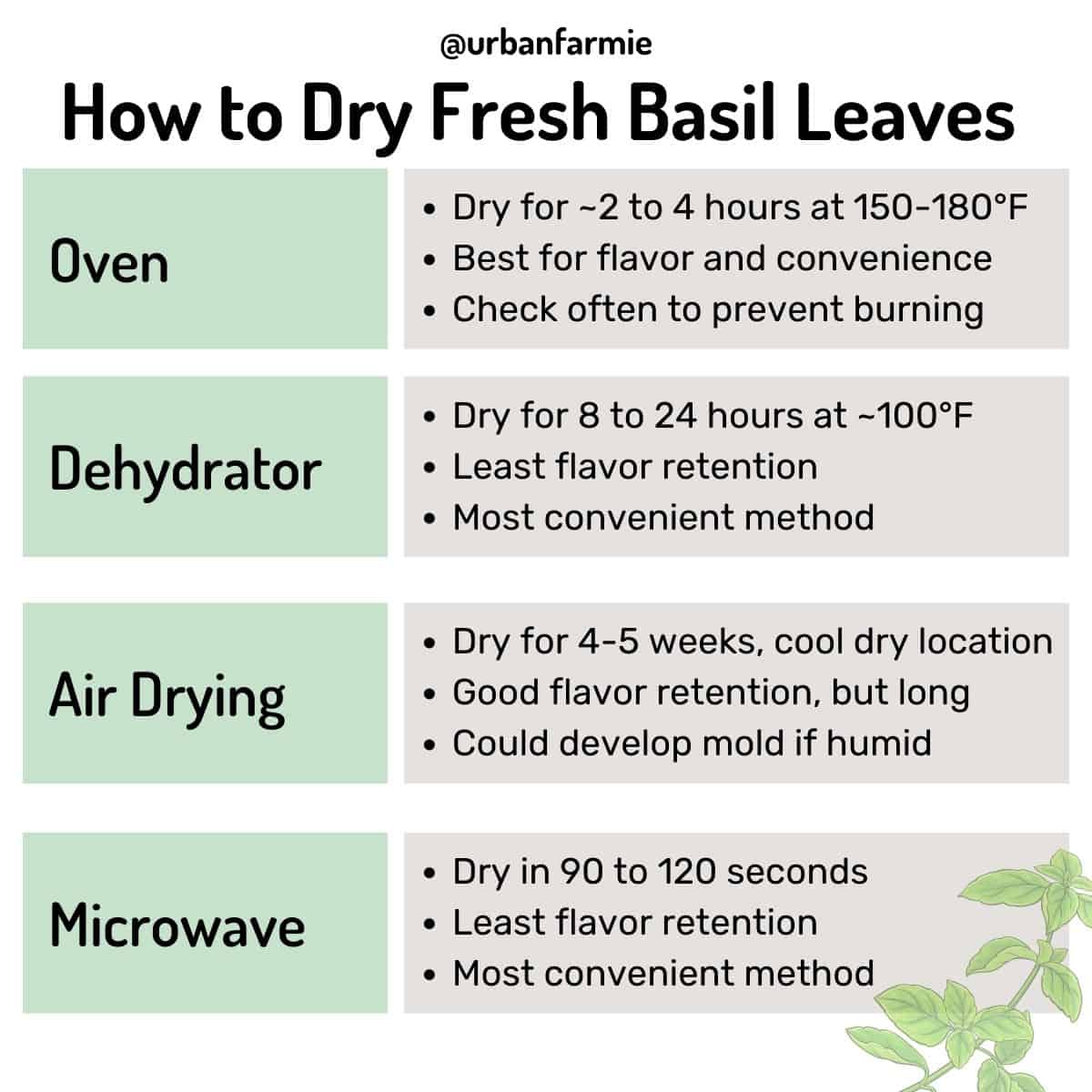
– The article discusses different methods for drying basil, including air-drying, using the kitchen oven, or using a dehydrator.
– It also provides instructions and visuals for each method.
– This article provides step-by-step instructions for drying basil leaves using the microwave and/or the oven methods.
– The author mentions that drying basil can help prolong its life and preserve its flavor.
– They also suggest alternative methods for preserving the flavor closest to the fresh form, such as making and freezing pesto, freezing fresh basil leaves, or freezing basil as herb bombs.
– The article states that the homemade version of dried basil is better than storebought.
– The required ingredients for drying basil include basil leaves and a microwave oven, a regular oven, or a dehydrator oven.
– The article also provides tips for picking basil and recommends removing the stems before drying.
– The article provides instructions on how to dry basil leaves using an oven or microwave.
– When drying in an oven, preheat to the lowest setting possible (around 175°F) and spread the basil leaves in a single layer on a baking sheet.
– Dry for about 2.5 hours, checking every 15 minutes to prevent burning.
– The leaves should sound crunchy and change color to a dark green when done.
– In the microwave method, place a towel on a microwavable plate, arrange the leaves in a single file, and place another towel on top.
– Microwave in 30-second bursts, checking after each burst.
– The leaves should shrivel.
– The microwave method produces lesser flavor compared to oven or air-drying.
– To maximize flavor, store dried basil as whole leaves and crush them right before use.
– When substituting dried basil for fresh, use ¼ to ⅓ of the amount called for in the recipe.
– One tablespoon of fresh herbs is approximately equal to one teaspoon of dried herbs.
– Dried basil leaves last at least a year when stored in an airtight container in a cool and dark place.

Continue Reading