16 oz in cups: The key to perfect measurements

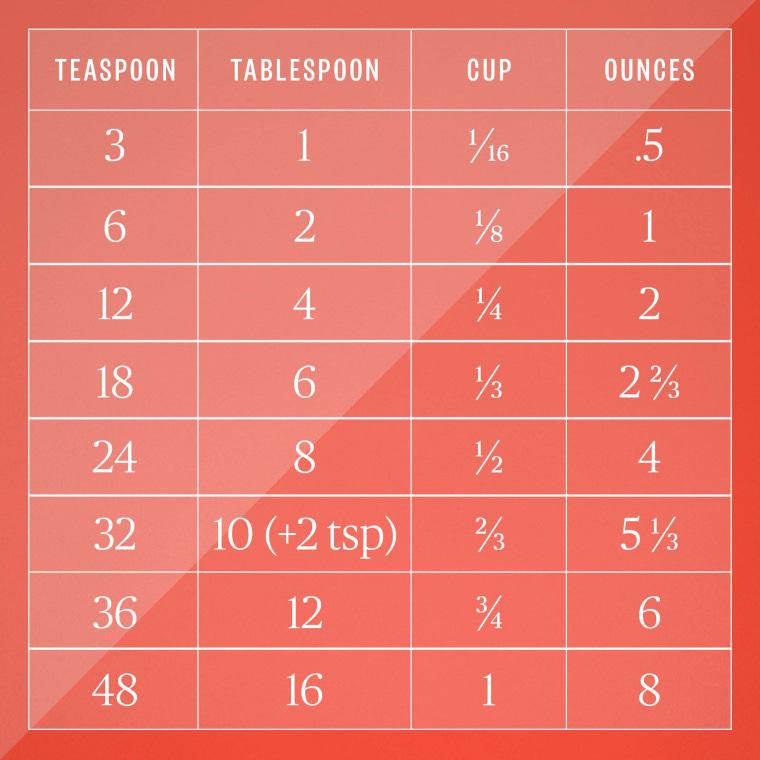
– The conversion factor from ounces (oz) to cups is 0.125 (1/8).
– To convert any value of oz to cups, multiply the oz value by the conversion factor.
– 16 oz is equal to 2 cups.
– Common conversions from 16.x oz to cups:
– 16.1 oz = 2.0125 cups
– 16.2 oz = 2.025 cups
– 16.3 oz = 2.0375 cups
– 16.4 oz = 2.05 cups
– 16.5 oz = 2.0625 cups
– 16.6 oz = 2.075 cups
– 16.7 oz = 2.0875 cups
– 16.8 oz = 2.1 cups
– 16.9 oz = 2.1125 cups
– A fluid ounce is an imperial and United States Customary measurement system volume unit. 1 US fluid ounce = 0.125 US cup. The symbol is “fl oz”.
– A cup is a volume unit. 1 US cup = 8 US fluid oz. The symbol is “c”.

Continue Reading

Lard vs Shortening: Decoding the Health and Culinary Myths

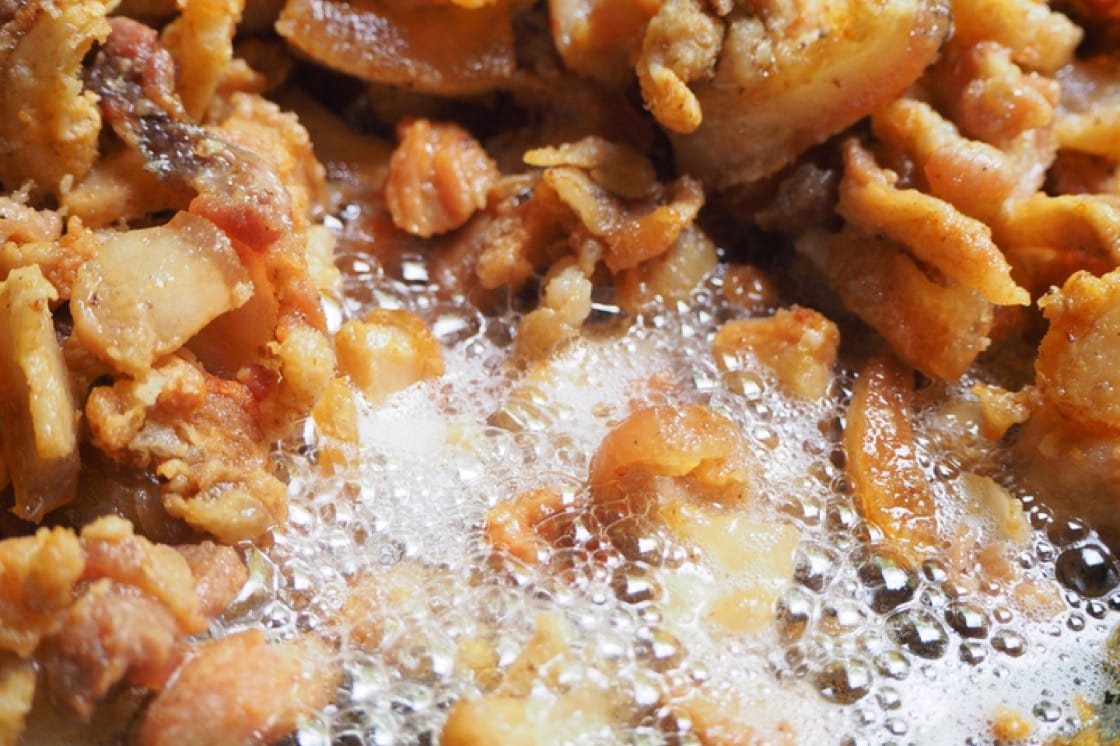
– Lard is made from melted pork fat and can be rendered, leaf, or processed.
– Lard has a creamy white color and semi-soft texture.
– Lard melts at temperatures between 95°F to 115°F.
– Processed lard, also known as hydrogenated lard, is shelf stable and solid with a slightly porky flavor and scent.
– Leaf lard, made from the visceral fat around the pig’s kidneys, has a neutral flavor and is favored for creating a flaky and delicate dough.
– Bacon grease is not the same as lard and is better suited for savory preparations.
– Shortening is made from hydrogenated vegetable oils.
– Shortening was popularized by Procter & Gamble in 1911 with the creation of Crisco.
– Shortening is made from soybean, cottonseed, palm oil, or a combination.
– Shortening is 100% fat and comes in four types: solid, liquid, all-purpose, and cake.
– Shortening does not require refrigeration and is shelf stable.
– Margarine is made from vegetable oil and contains unsaturated fat.
– Butter adds moisture, richness, and flavor to baked goods.
– Butter contains 80% fat and can be used interchangeably with margarine.
– Home cooks often combine butter with lard or shortening for a flaky crust with rich flavor.

Continue Reading

Rambutan: How to Eat, Select, and Enjoy

– Rambutans are considered a “Superfruit” with antioxidant and anti-cancer properties.
– They are a good source of dietary fiber, calcium, potassium, magnesium, and vitamins B2, B3, and C.
– Rambutans can be enjoyed fresh, muddled into cocktails, tossed with tropical fruit salads, or simmered with aromatics to make a simple syrup.
– They can be paired with other tropical fruits, fresh mint, and cane-based liquors.
– The recommended recipe is the Sweet & Spicy Rambutan Cocktail.
– To eat a fresh rambutan:
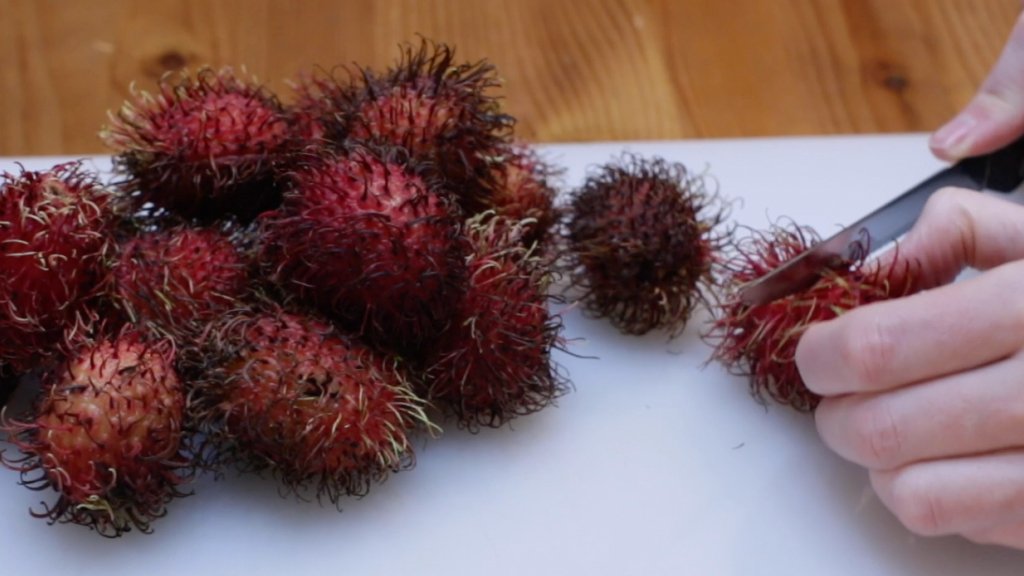
1. Select a ripe rambutan (green turns to red, orange, or yellow).
2. Cut a slit in the skin and open the rambutan.
3. Squeeze to pop out the fruit.
4. Remove the seed.
5. Eat the fruit and enjoy.

Continue Reading

The Hidden Health Benefits of Thick Soy Sauce

List:

– Thick soy sauce
– Dark soy sauce
– Starch
– Sugar
– Dipping sauce
– Added flavor
– 16 oz size
– Molasses
– Salt
– Soy bean extract
– Hong Kong
– Chinese cuisine
– Light soy sauce
– Condiment
– Tangy sticky soy glaze
– Dip
– Lee Kum Kee
– Pearl River Bridge
– Southeast Asia
– Kecap Manis
– Sweet and sticky sauce
– Malay
– Indonesian dishes
– Palm sugar
– Syrupy flavor
– ABC
– Taiwan
– Soy sauce paste
– Jiang you gao
– Thick and sweet sauce
– Cornstarch
– Glutinous rice flour
– Surface of dishes
– Absorbed
– Cooking sauce
– Dipping sauce
– Different cuisines
– Popular brands
– Stir fry sauce
– Asian grocery stores
– Pantry storage
– Homemade storage
– Fridge storage

Continue Reading

Porridge vs Oatmeal: Unraveling the Nutritional Differences

List of pertinent information about porridge and oatmeal:

1. Porridge is a food made by heating or boiling starchy plants, typically grains, in milk or water.
2. Oat porridge, or oatmeal, is one of the most common types of porridge.
3. Other grains used for porridge include rice, wheat, barley, corn, triticale, and buckwheat.
4. Porridge can be served with added flavorings such as sugar, honey, fruit, or syrup to make a sweet cereal.
5. Porridge can also be mixed with spices, meat, or vegetables to make a savory dish.
6. Porridge can be eaten for any meal of the day and is consumed in many cultures around the world as a snack or breakfast.
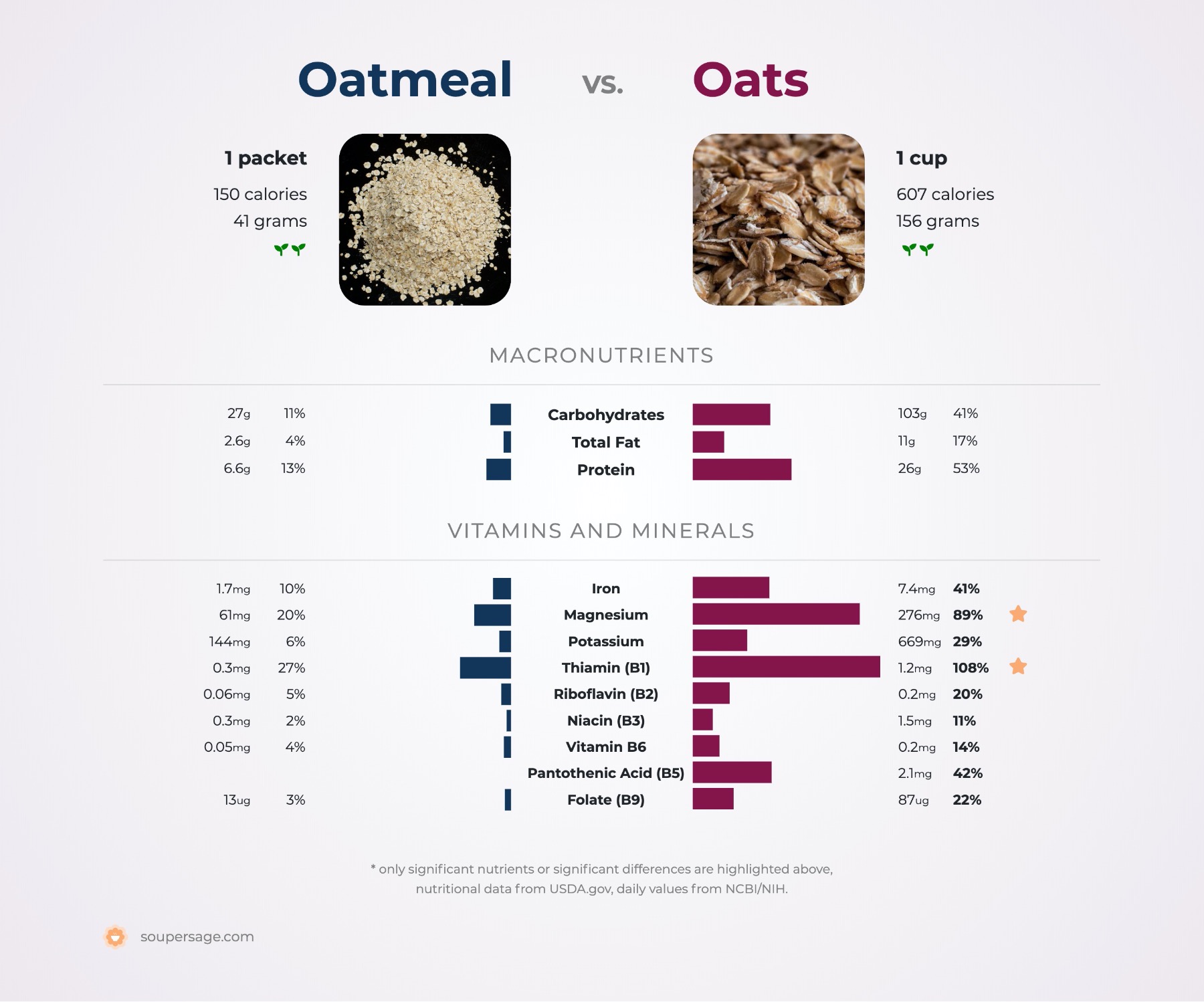
7. Unenriched porridge cooked as oatmeal is 84% water and contains 12% carbohydrates, 2% dietary fiber, and 2% each of protein and fat.
8. Oat porridge is a source of manganese, phosphorus, and zinc.
9. Oat beta-glucan, found in oats, helps lower cholesterol levels.
10. Consumption of 3.0 grams of soluble fiber daily from oats may reduce the risk of heart disease.
11. Oatmeal comes in different forms, including whole oats, oatmeal, or rolled flakes.
12. Steel-cut oats are broken down more slowly by the body, reducing spikes in blood sugar and making the eater feel full longer.
13. Oats are a good source of dietary fiber, particularly oat bran.
14. Porridge oats can be cooked in milk, water, or a combination of the two, with various flavorings added.
15. Different types of porridge mentioned in the article include rice porridge, sorghum porridge, beef yam porridge, and wheat-based porridge called brenntar.
16. Other types of porridge mentioned include buckwheat porridge, millet porridge, flax porridge, and potato porridge.
17. Porridge is a staple food in various parts of the world, including Scotland, Northern Europe, and Russia.
18. Porridge can be made from various grains, vegetables, or legumes.
19. Oatmeal is a nutritious breakfast option high in fiber and protein and low in calories.
20. Porridge can be customized with various toppings such as chocolate, brown sugar, cinnamon, sliced fruits, nut butter, or jam.

Note: Some of the information may be duplicated or similar, and can be condensed or combined if necessary.

Continue Reading

The Ultimate Guide: Finding the Perfect Substitute for Chinese Cooking Wine

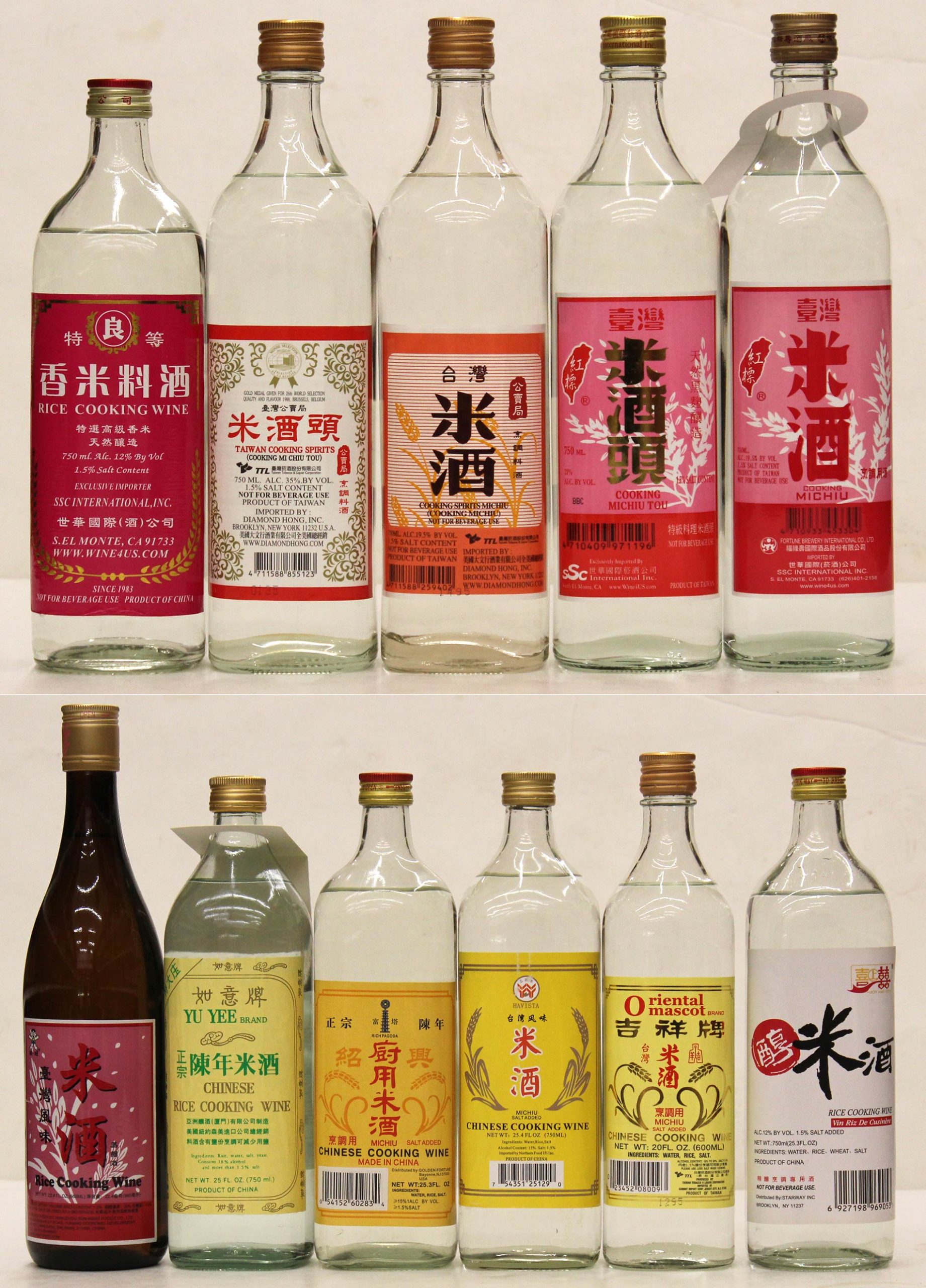
– Shaoxing Wine, also known as Shaosing Wine, is a type of rice wine used in Chinese cooking.
– It is a key ingredient in many Chinese recipes, including stir fry sauces, soup broths, marinades, and wontons.
– Shaoxing Wine is made from rice and is popular due to its complex and sweet flavor.
– It is primarily used for cooking and not for drinking.
– In terms of substitutes, dry sherry, mirin (a Japanese sweet cooking wine), and cooking sake (Japanese rice wine) are recommended.
– For non-alcoholic substitutes, using chicken broth in sauces is suggested, although it may not provide the same outcome as using wine.
– Shaoxing wine is commonly used and can be found in Asian grocery stores, with brands like Double Phoenix being affordable options.
– The article mentions that a brand called Pandaroo sells a substitute for Chinese cooking wine in Australian supermarkets.
– It advises that Shaoxing wine does not need to be refrigerated once opened and can be stored in a pantry for years.

Continue Reading

Pork Loin Sides: A Flavorful Guide to Complementary Accompaniments

Here is an edited list of the pertinent sides for the keyword “pork loin sides”:

– Creamy mashed potatoes
– Salads
– Roasted vegetables
– Sautéed spinach
– Sautéed zucchini and squash
– Glazed carrots
– Sous vide asparagus
– Roasted delicata squash
– Mexican-style roasted carrots
– Instant Pot corn on the cob
– Air fryer zucchini fries with lemon tarragon aioli
– Air fryer Brussels sprouts with balsamic
– Blistered shishito peppers
– Roasted miso cauliflower
– Roasted Brussels sprouts with balsamic reduction and cranberries
– Grilled broccolini with apple cider vinaigrette and marcona almonds
– Mashed cauliflower
– Instant Pot artichokes
– Roasted sunchokes with olive oil, garlic, and thyme
– Smashed Brussels sprouts with lemon tahini sauce
– Arugula salad with red wine vinaigrette
– Italian radicchio salad with creamy lemon vinaigrette
– Kale Caesar salad with homemade croutons and parmesan cheese
– Shaved Brussels sprout salad with mustard and parmesan
– Din Tai Fung cucumber salad
– Zucchini pasta salad with sautéed zucchini, parmesan cheese, fresh dill, and walnuts
– Hawaiian coleslaw with pineapple, cabbage, carrots, sesame seeds, and ginger-soy lime vinaigrette
– Tomato cucumber salad with homemade red wine vinaigrette
– Apple slaw with celery root
– Coleslaw
– Fennel salad
– Couscous corn salad
– Roasted sweet potatoes
– Duchess potatoes
– Smashed potatoes with mojo sauce
– Goat cheese mashed potatoes
– Instant Pot sweet potatoes
– Grilled potato salad
– Mashed sweet potatoes

Please note that these are the unique side dishes mentioned in the given text.

Continue Reading

Leek vs Green Onion: Unveiling Their Nutritional Benefits

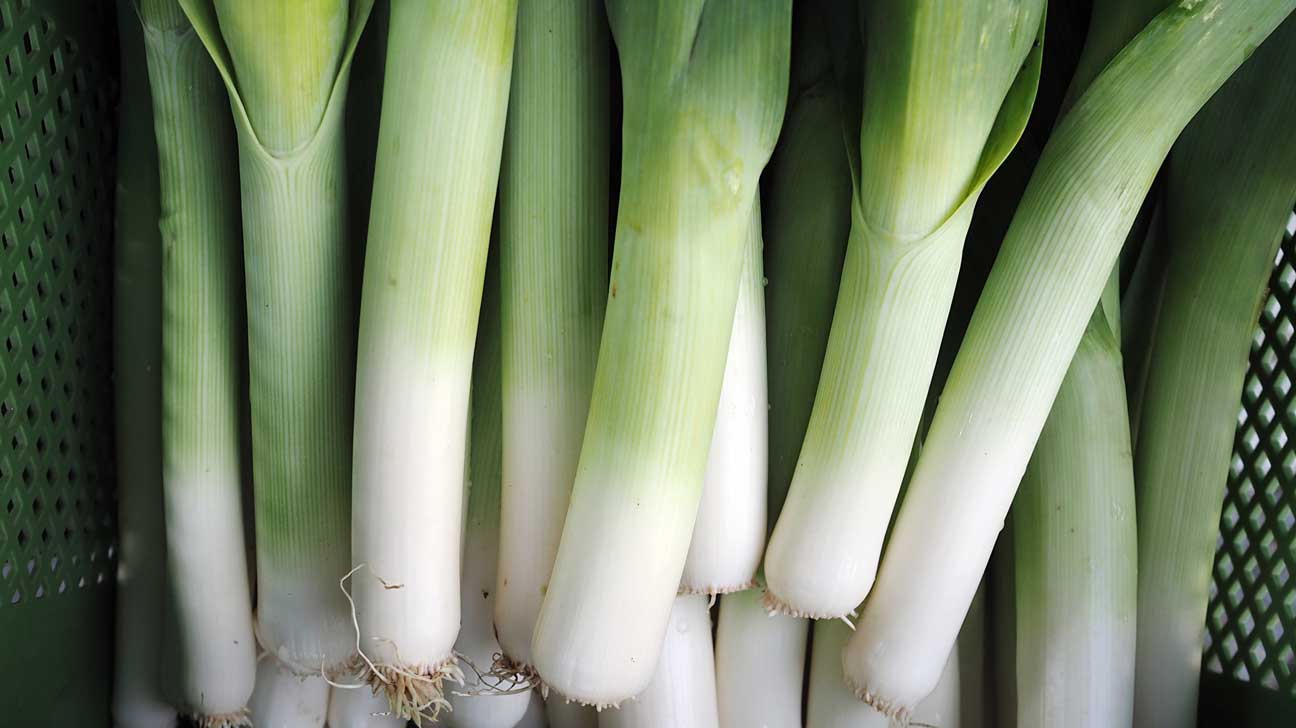
– Leeks and green onions belong to the allium family and have similar appearances.
– Leeks are milder in flavor compared to green onions.
– Leeks have a delicate texture when cooked, while green onions maintain their sharpness.
– Only the white and light green parts of leeks are typically consumed as the dark green tops are tough and fibrous.
– Entire green onions, including the white bulbs and green parts, are edible.
– Leeks are larger and sold in single stalks, while green onions are smaller and slender.
– Leeks can be braised, used in soups, stews, quiches, or dumplings, and can also be used raw or fried as a garnish when thinly sliced.
– Green onions are used as a garnish in dishes like ramen, stir-fries, pastas, fried rice, or salads, and can be used cooked or raw.
– Leeks and green onions can be substituted for each other, but more green onions are needed to replace leeks.
– When substituting leeks for green onions, they should be cooked longer and sliced thinly.

Continue Reading