How to Reheat Fried Rice: Expert Techniques and Tips

Methods for reheating fried rice:
1. Stovetop method: Heat a sauté pan or skillet on medium heat. Add oil or butter. Spread the rice evenly and stir occasionally for 4-5 minutes until hot.
2. Air fryer method: Place the leftover rice in a baking dish. Cook in the air fryer at 400°F for 6 minutes, stirring occasionally. Cook for an additional 1-2 minutes if needed.
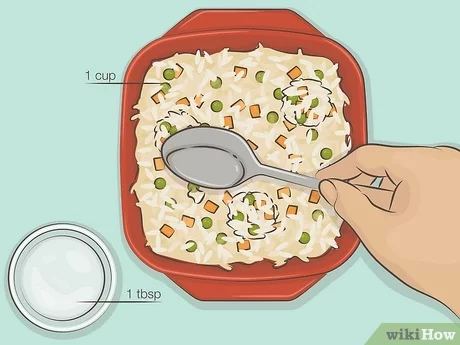
3. Microwave method: Place the fried rice in a microwave-safe dish. Add 1-2 tablespoons of water or broth. Cover with a lid or paper towel, leaving a corner open for steam. Microwave for about 2 minutes. Stir and cook for an additional minute if needed.
4. Oven method: Preheat the oven to 425°F. Transfer the rice to an oven-safe dish with a lid. Add 2 tablespoons of liquid (water or broth). Bake for 13-15 minutes. Remove the lid and cook for another 5 minutes until hot.

Tips and tricks:
– Avoid reheating rice more than once to maintain its texture.
– Reheated rice should be very hot to kill any bacteria.
– Stir the rice periodically while reheating for even heating.
– Adding a bit of liquid helps retain the moisture and texture of the rice.

Continue Reading

Pinto Beans vs Black Beans: Exploring Their Nutrition, Taste, and Health Benefits

– Pinto beans are a type of legume commonly used in Mexican and Southwestern cuisine.
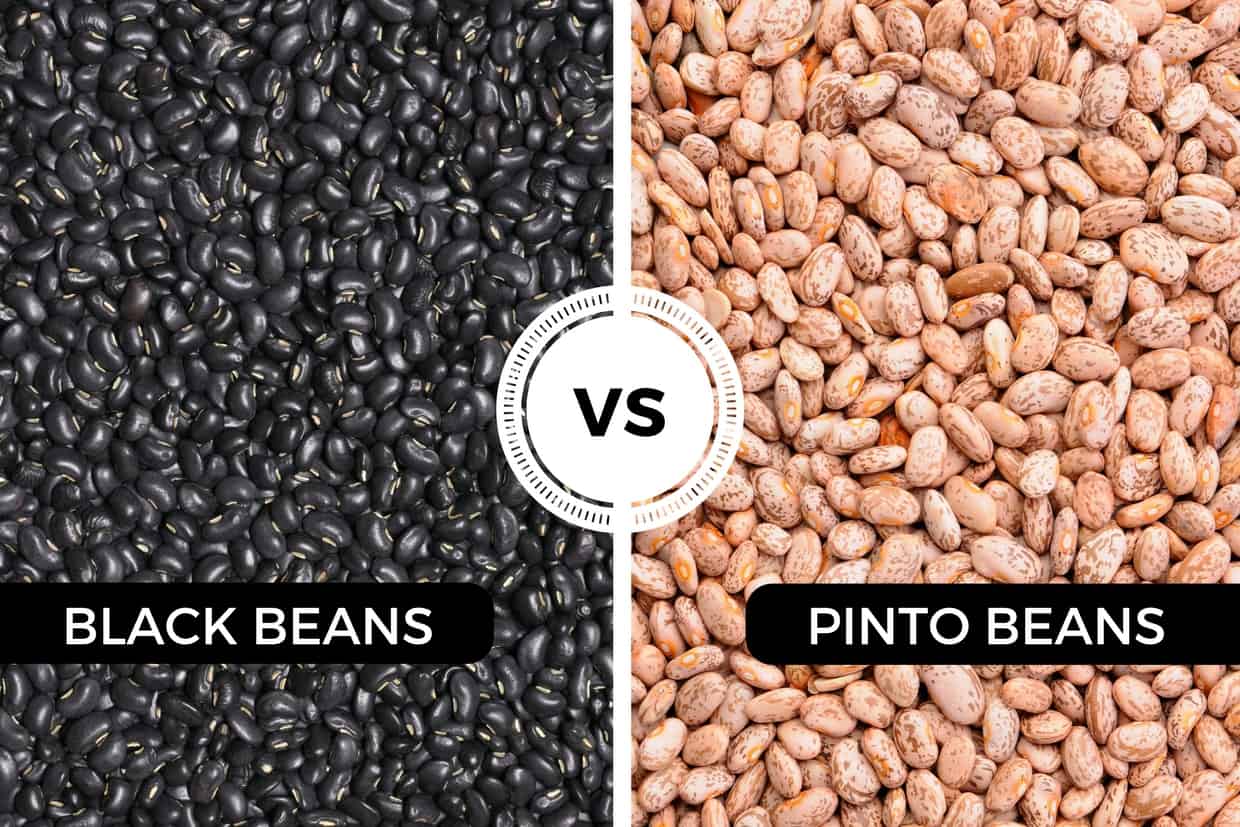
– They are beige in color with a speckled pattern and a creamy texture when cooked.
– Pinto beans have a slightly nutty flavor and are often described as “meaty.”
– They are high in protein and fiber, making them a nutritious choice.
– Pinto beans contain essential vitamins and minerals such as iron, magnesium, and folate.
– They are a good source of complex carbohydrates and are low in fat.
– Pinto beans are commonly used in dishes such as refried beans, chili, and burritos.
– They are often paired with rice and used as a filling for tacos and enchiladas.
– Pinto beans are versatile and can be cooked in various ways, including boiling, simmering, or pressure cooking.
– They can be cooked from dried or canned form, depending on preference and convenience.
– Pinto beans can be mashed or pureed to make bean dips and spreads.
– They are a popular ingredient in vegetarian and vegan dishes due to their high protein content.
– Pinto beans are a great addition to salads, soups, and stews for added texture and flavor.

Continue Reading

Delicious and Nutritious Pork Tenderloin Sides: Discover New Flavors!

List of pertinent side dishes for pork tenderloin:

1. Roasted Brussels sprouts
2. Butternut squash gratin
3. Cheesy grits casserole
4. Cherry chipotle salad
5. Roasted cauliflower
6. Whipped sweet potatoes
7. Couscous salad
8. Roasted green beans
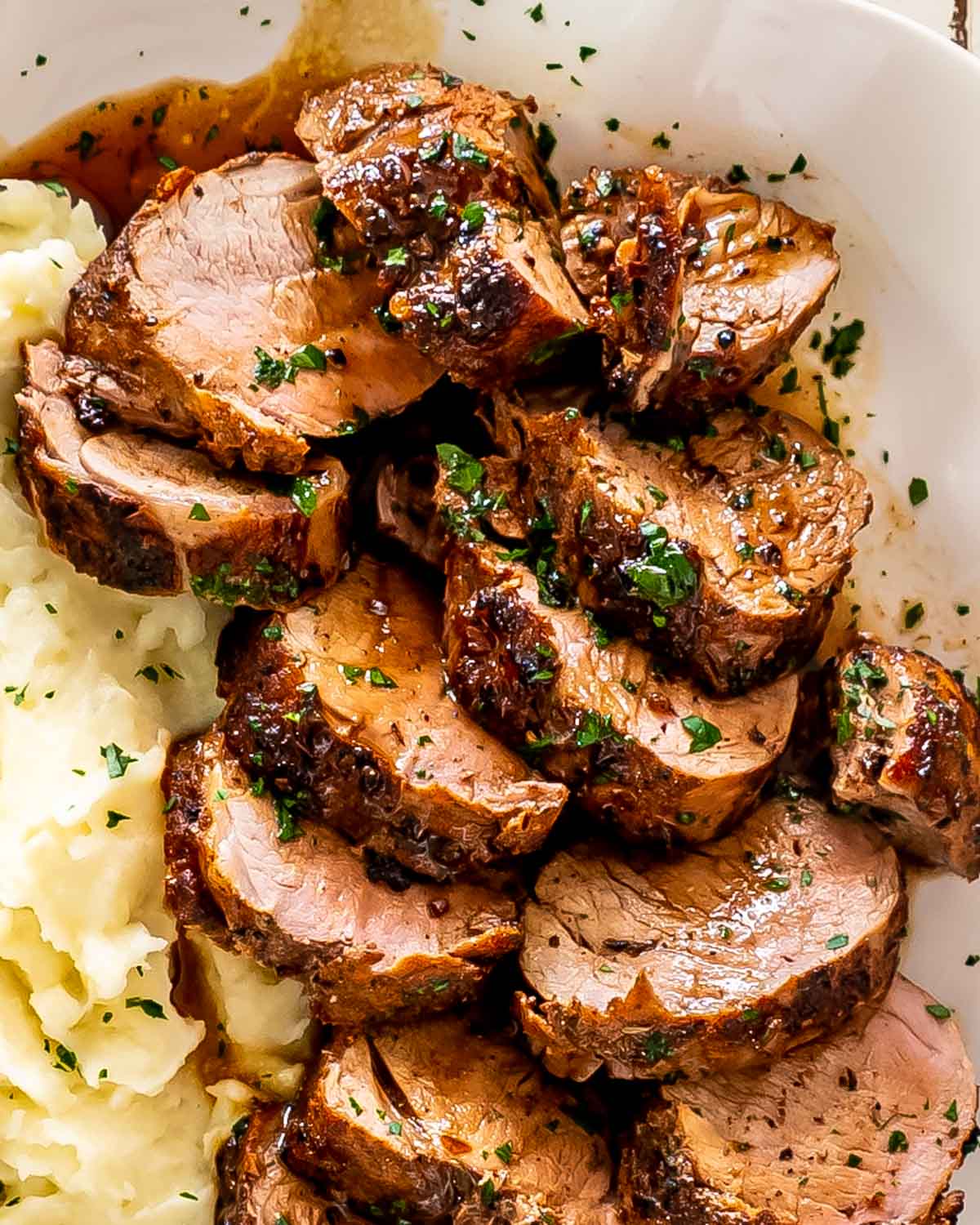
9. Garlic mashed potatoes
10. Oven-roasted plums
11. Fried cabbage
12. Fig and arugula salad
13. Fresh applesauce
14. Caramelized onions with sweet apples
15. Roasted Garlic-Parmesan Fingerling Potatoes
16. Chopped Brussels sprout salad
17. Merritt’s Butternut Squash Gratin
18. Chef John’s Perfect Polenta
19. Butternut Farro Salad with Blood Orange Vinaigrette
20. Roasted Garlic Cauliflower
21. Lemon Pea Salad
22. Heirloom Tomato Salad with Rosemary
23. Braised Brussels Sprouts with Bacon

Continue Reading

Mushroom Protein: Unlocking the Nutritional Secrets of Fungi

– The healthiest mushrooms have a higher fiber-to-sugar ratio, indicating they contain more fiber in relation to sugar.
– Chanterelle mushrooms have the highest fiber content per weight.
– Enoki mushrooms possess the highest fiber-to-sugar ratio.
– Healthy mushrooms also tend to have higher amounts of potassium compared to sodium.
– Maitake mushrooms have the lowest sodium-to-potassium ratio.
– All the healthiest mushrooms on the list have excellent sodium-to-potassium scores.
– Mushrooms are low in calories but high in micronutrient density, including minerals, B-vitamins, and vitamin D.
– Mushrooms provide protein-dense foods that can add flavor to meals.
– Mushrooms, like oyster mushrooms, are complete proteins that contain all nine essential amino acids.
– Mushroom mycelium, the vegetative part of fungi, is being researched as a versatile source of protein.
– Mushrooms are a low-carb, low-calorie source of protein, fiber, and nutrients.
– The protein and carb content in mushrooms vary depending on the species.
– Mushrooms are not a nutritional substitute for meat as they have less protein, iron, zinc, and vitamin B12.
– Mushroom proteins are rich in leucine and lysine, essential amino acids not found in many plant-based foods.
– Mushrooms are an excellent addition to a vegetarian or vegan diet due to their beneficial vitamins, minerals, and antioxidants.
– Mushrooms are not a protein replacement on their own, but when combined with other vegetable protein sources, such as beans, soy, or nuts, they provide all necessary protein.
– However, mushrooms are similar in quality to animal proteins and can make people feel fuller for longer.
– Some vegetables contain more protein than mushrooms, but mushrooms contain essential amino acids that most other plant-based proteins lack.
– In a 3.5 oz (100g) serving, the protein content of various vegetables is as follows: lentils (9g), black beans (8.9g), peas (5.4g), spinach (2.9g), broccoli (2.8g), baked potato (2.1g), and carrots (0.9g).
– When comparing different types of mushrooms, protein content varies. Oyster mushrooms have the highest protein content at 3.3g per 3.5 oz (100g) serving. Morel mushrooms have 3.1g of protein per serving, and white button mushrooms have 3.1g as well. Enoki mushrooms contain 2.7g of protein per 100g serving.
– Cremini mushrooms contain 2.5g of protein per 100g serving.
– Shiitake mushrooms contain 2.2g of protein per 100g serving.
– Portobello mushrooms contain 2.1g of protein per 100g serving.
– Maitake mushrooms contain 1.9g of protein per 100g serving.
– Chanterelle mushrooms contain 1.5g of protein per 100g serving.
– Mushrooms are a good source of high-quality protein but should be combined with other high-protein foods.
– Mushrooms are nutritious and rich in antioxidants, vitamins, and minerals.
– They are considered functional foods that provide health benefits, including reducing the risk of cancer, boosting the immune system, lowering blood pressure, protecting the brain, promoting gut health, and supporting weight loss.
– Studies show that regularly consuming mushrooms can boost the immune system and reduce the risk of cancer.

Continue Reading

Can You Put Glass in the Freezer Safely? The Answer May Surprise You!

– Glass containers are a good choice for freezing food
– Glass containers are odor and stain resistant
– Glass containers can go in the microwave, oven, and dishwasher
– Glass containers are not porous like plastic
– Glass containers should be durable and labeled as freezer safe
– Cooling food before freezing can prevent thermal shock and bacterial growth
– Glass containers with silicone-lined lids provide an airtight seal and prevent freezer burn
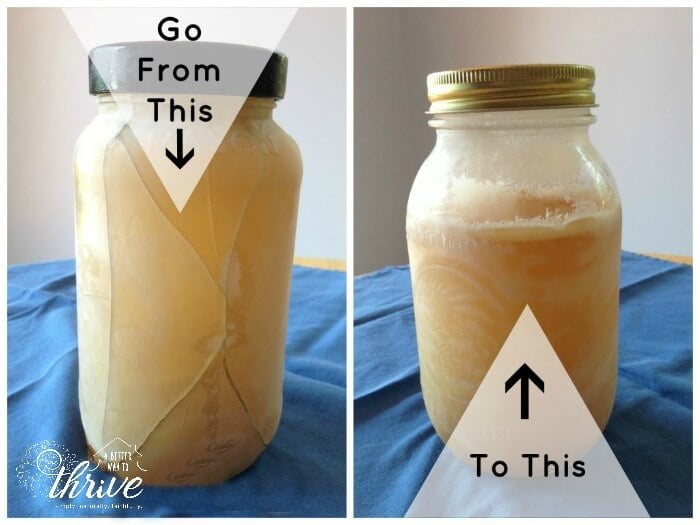
– Wide-mouth, straight-sided mason jars can be used for freezing
– Leave space at the top of mason jars to allow for expansion
– Avoid using glass containers with cracks or damage
– Thaw food at room temperature or in the refrigerator before putting it in the oven
– Glass containers should be slowly warmed when taken out of the freezer
– Thermal shock can cause glass to crack or shatter
– Check for cracks or damage in glass containers before freezing
– Leaving a gap at the top of mason jars is important for preventing freezer burn
– Pyrex containers with rubber lids are suitable for freezer use
– Drinking glasses can be put in the freezer for a short period of time
– Leave space between containers to prevent them from bumping into each other

Continue Reading

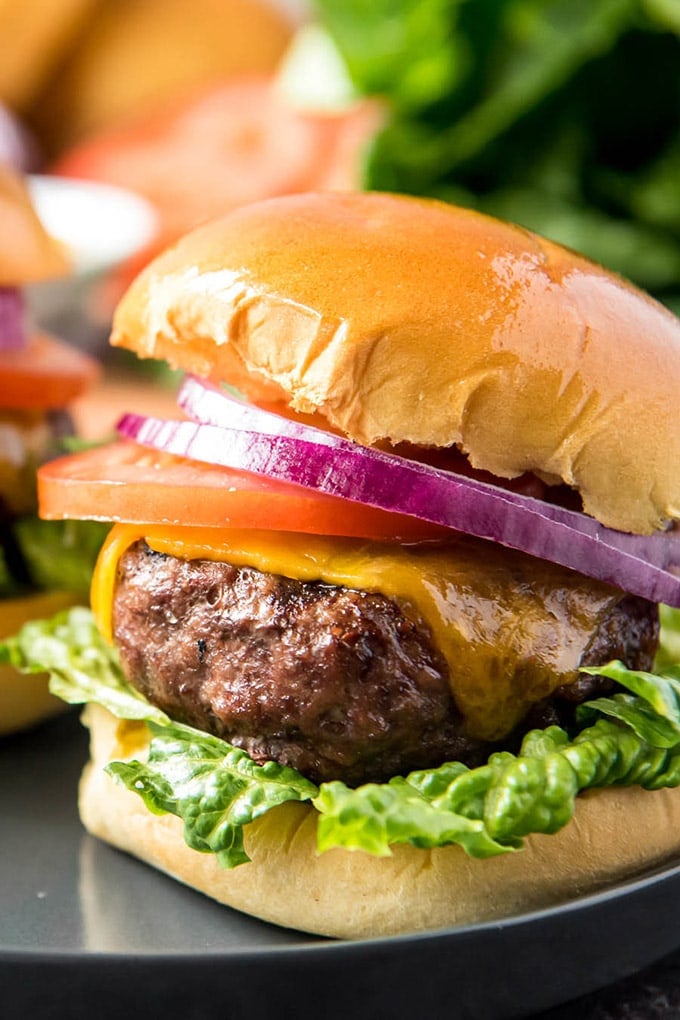
How Long to Grill Burgers at 400°F: Essential Tips for Perfectly Juicy Patties

– Burgers take 4-5 minutes on each side to be ready to eat
– Frozen chicken patties take 7-8 minutes
– Turkey burgers take 4-5 minutes on each side
– Bison burgers take 5 minutes on each side for medium doneness
– Veggie burgers take 3-8 minutes depending on ingredients
– Beef burgers on a charcoal grill take 3-4 minutes per side for medium doneness
– The best grilling temperature for BBQ burgers is 375-400°F
– For a 4-ounce burger, grilling times at 400°F are 2 minutes per side for rare, 2-3 minutes per side for medium-rare, 3-4 minutes per side for medium, 4-5 minutes per side for medium-well, 5-6 minutes per side for well done
– For larger 6-ounce burgers, add 1-2 minutes more per side
– Preheat the grill to 400°F, prepare the burger patties, oil the grates to prevent sticking, place burgers on direct heat, cook according to the chart, flip once, use an instant-read thermometer to check doneness. Avoid cutting into the burgers.

Continue Reading

What Do Brussels Sprouts Taste Like: An InDepth Exploration

– Brussels sprouts are a nutritious vegetable with an earthy and slightly bitter flavor.
– Roasting or sautéing can bring out the natural sweetness of Brussels sprouts.
– Brussels sprouts are high in fiber, antioxidants, vitamin C, and vitamin K.
– Look for bright green Brussels sprouts with tightly packed leaves and healthy outer leaves when buying.
– Smaller sprouts are younger, sweeter, and more tender.
– Store unwashed and untrimmed Brussels sprouts in the refrigerator for 7 to 10 days.
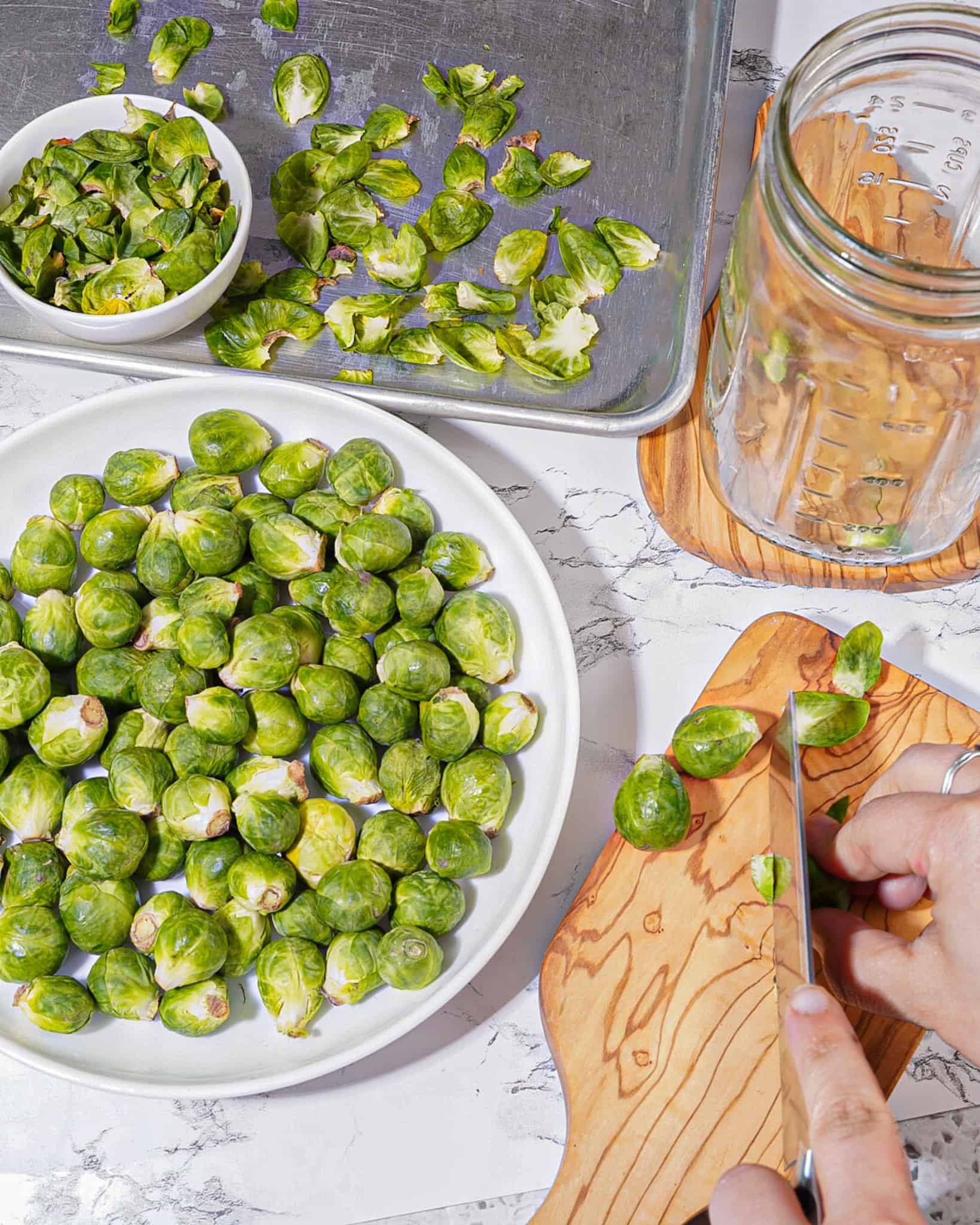
– Clean and trim Brussels sprouts by slicing off the bottom end and removing wilted or discolored leaves before cooking.
– Raw Brussels sprouts have a slightly bitter taste and can be added to salads with dressing made of olive oil, lemon juice, maple syrup, and shredded parmesan.
– Steaming or boiling Brussels sprouts can result in a strong bitter taste and soggy texture.
– Roasting Brussels sprouts brings out a sweeter and milder flavor. Toss halved sprouts in olive or avocado oil and roast at 400 degrees Fahrenheit.
– Sauteeing Brussels sprouts is a quick and simple way to prepare them. Cook in olive or avocado oil and add balsamic vinegar or soy sauce for extra flavor.
– Complement the taste of Brussels sprouts with nuts, apples, citrus fruits, bacon, herbs, bread crumbs, butter, cheese, onions, shallots, and vinegar.
– Brussels sprouts and cabbage have similar flavors, but Brussels sprouts are slightly more bitter.

Continue Reading

Shaoxing Wine Replacement: Discover Tantalizing Alternatives and Enhance Cooking

List of pertinent information related to the keyword “shaoxing wine replacement”:

1. Shaoxing wine is an essential ingredient in Chinese cuisine with a long history of over 2000 years.
2. It has a sweet, deep umami flavor and is commonly used in Chinese cooking.
3. Shaoxing wine is the most common type of Chinese rice wine.
4. It is also known as hua diao wine, Shao-hsing, or Shaohsing wine.
5. It is usually a clear amber color, with shades ranging from pale brown to dark brown.
6. Some producers add spices to their wine, giving it a herbal flavor.
7. Better grades of aged Shaoxing wine can be consumed as a drink.
8. Shaoxing wine can be found in Asian grocery stores, well-stocked supermarkets, or online.
9. It is often used in small amounts to add depth and complexity to dishes.
10. Some recipes may call for a larger amount of Shaoxing wine.
11. It does not need to be refrigerated and should be stored tightly closed.
12. Mirin can be used as a substitute for Shaoxing wine, but it is slightly sweeter. The substitution ratio is 1:1, and sugar may need to be reduced or omitted from the recipe to balance the sweetness.
13. Dry sherry, a Spanish fortified wine, is the best substitute in terms of flavor and availability.
14. Sake, a Japanese rice wine, can also be used as a substitute in a 1:1 ratio. It may be a good alternative for those with celiac disease as some brands are gluten-free.
15. Soju, a clear Korean distilled alcohol traditionally made from rice, can be used as a 1:1 replacement for Shaoxing. However, some brands may be sweeter, requiring a reduction in added sugar and the addition of light soy sauce.
16. Huangjiu, a traditional Chinese alcoholic beverage made from fermented glutinous rice, can be used as an alternative to Shaoxing wine, but may be slightly sweeter.
17. Non-alcoholic substitutes for Shaoxing wine include stock mixed with a tiny bit of rice vinegar, apple juice, white grape juice, or non-alcoholic white wine or beer.
18. Gluten-free alternatives include Japanese cooking wine, such as mirin or sake, or a gluten-free pale dry sherry or dry white wine.

Continue Reading

Cured vs Uncured Ham: Understanding the Difference

Pertinent List about ‘cured vs uncured ham’:

– Uncured ham is typically cured using natural ingredients like sea salt, celery juice powder, and other natural flavorings.
– Uncured ham takes longer to produce and may have a milder flavor compared to cured ham.
– Curing is the method of preserving meat using acid, salt, and sugar.
– Uncured meat is cured using natural ingredients like celery and beets, without synthetic nitrates or artificial flavors.
– Uncured ham is considered safer and healthier, often labeled organic or natural.
– Nitrates can be converted into nitrosamines, which are carcinogens linked to cancer.
– Uncured meats prevent the conversion of nitrates into nitrosamines and lack chemicals.
– Tender Belly hams are dry-cured for twelve days with a signature rub made from specialty spices and Vermont maple syrup.
– Uncured ham undergoes a more natural curing process without synthetic nitrates and is said to be healthier and more flavorful.
– Both cured and uncured ham are fully cooked and safe to consume.
– Choosing uncured meats offers peace of mind and aligns with specific diets like paleo or keto.
– It is recommended to purchase naturally uncured ham from reputable sources like Tender Belly.
– Tender Belly hogs are raised on crate-free family farms, fed vegetarian diets, and no antibiotics are used.
– Uncured ham provides health benefits and offers more flavor compared to cured ham.

Continue Reading

Scotch Bonnet Pepper Substitute: Exploring Fiery Culinary Alternatives

– The best substitute for Scotch bonnet pepper is the habanero pepper, as it has a similar flavor and heat level and is easier to find.
– Orange habanero peppers and Jamaican hot sauce are also good substitutes.
– Dried Scotch bonnet peppers can be ordered online if needed.
– Ghost peppers, Thai chilies, cayenne powder with lemon zest, cachucha pepper, and habanero peppers are other substitutes mentioned.
– Jalapeños, poblanos, and bell peppers are not good substitutes for scotch bonnets.
– Habanero peppers are the best alternative to scotch bonnets, as they have a similar fruity flavor, with habaneros having more floral taste and scotch bonnets having more citrus notes.
– Both habaneros and scotch bonnets have similar heat levels, ranging from 100,000 to 250,000 SHUs.
– Red habaneros can be even spicier, often surpassing 500,000 SHUs on the Scoville scale.
– Dried scotch bonnet peppers (whole or powdered) can be ordered online as a substitute for fresh ones.
– Ghost peppers and other super-spicy peppers like Carolina reapers or scorpion peppers can also be used as substitutes, but the amount used should be scaled down, as they are spicier than scotch bonnets.
– Thai chilies offer respectable heat and flavor as a substitute for scotch bonnet peppers, but they may be challenging to find.
– Cayenne powder combined with lemon zest can mimic the flavor of scotch bonnets in a substitute.
– Cachucha pepper (aji dulce) is a non-spicy alternative to scotch bonnets, used for adding flavor without heat to dishes.
– Growing your own scotch bonnets from seeds is an option to obtain real peppers.
– Buying dried Scotch bonnets or powder is another option, as they retain both heat and flavor.
– Shopping at local farmer’s markets during the summer months may provide an opportunity to find fresh scotch bonnets.

Continue Reading