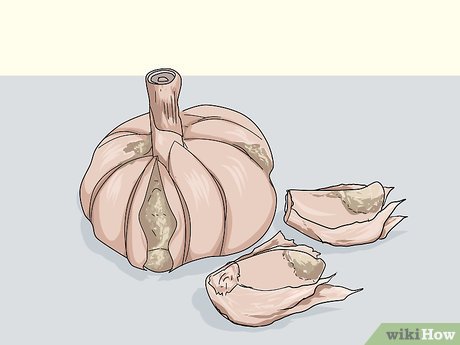
How to tell if garlic is bad and avoid food waste

– Fresh garlic should be firm and have a strong, but not overwhelming smell.
– Signs of bad garlic include mold (white, dark brown, or black), soft spots that are brown or black, sprouting, strong acrid or ammonia-like smell, and yellowing color.
– A fresh bulb of garlic, when stored properly, can last for 3 to 6 months.
– Garlic should be stored at room temperature in a dry, dark place with good ventilation.
– Garlic should not be stored in the refrigerator unless it’s peeled or chopped.
– Garlic with a bad smell, specifically an acrid or sour smell, should not be eaten as it may taste bad and make someone sick.
– Individual peeled garlic cloves can last for up to one week in the refrigerator.
– Minced garlic will last for a day unless stored in olive oil or frozen.
– Garlic can be frozen, and it will keep for up to a year when stored in a freezer-safe container.
– Whole, unpeeled bulbs, individual peeled cloves, and minced/chopped garlic can all be frozen.
– Properly stored fresh and whole garlic can last up to five months in the pantry and 12 months in the freezer.
– Fresh and raw garlic does not have an expiration date and can last up to three to five months in the pantry.
– Peeled and chopped garlic can last for about a week in the refrigerator and 10 to 12 months in the freezer.
– Processed garlic usually has an expiration date on the label, with a prepared jar of chopped or minced garlic lasting up to three months in the fridge.
– Spoiled garlic has brown spots on the cloves and turns from white to a different color.
– Garlic can be considered bad if it has a yellow or brown color, green roots forming in the clove, or loses its distinct smell and has a sour scent.
– Spoiled garlic can cause botulism, a rare but serious and potentially fatal illness.
– Botulism symptoms from bad garlic include nausea, vomiting, dizziness, double vision, difficulty swallowing and breathing.
– Proper storage of garlic includes keeping it in a dry and dark place, at room temperature, and in containers that allow air circulation.
– Freezing garlic can extend its shelf life, but may alter the texture and flavor.
– Peeled garlic can be frozen by spreading cloves on a baking sheet for 20 minutes, then transferring them to an airtight container or freezer bag.
– Minced and chopped garlic can be stored in an airtight container or jar, covered with olive oil, in the refrigerator.
– Chopped and minced garlic can also be kept frozen, either in an airtight container or wrapped tightly with freezer plastic wrap.

Continue Reading

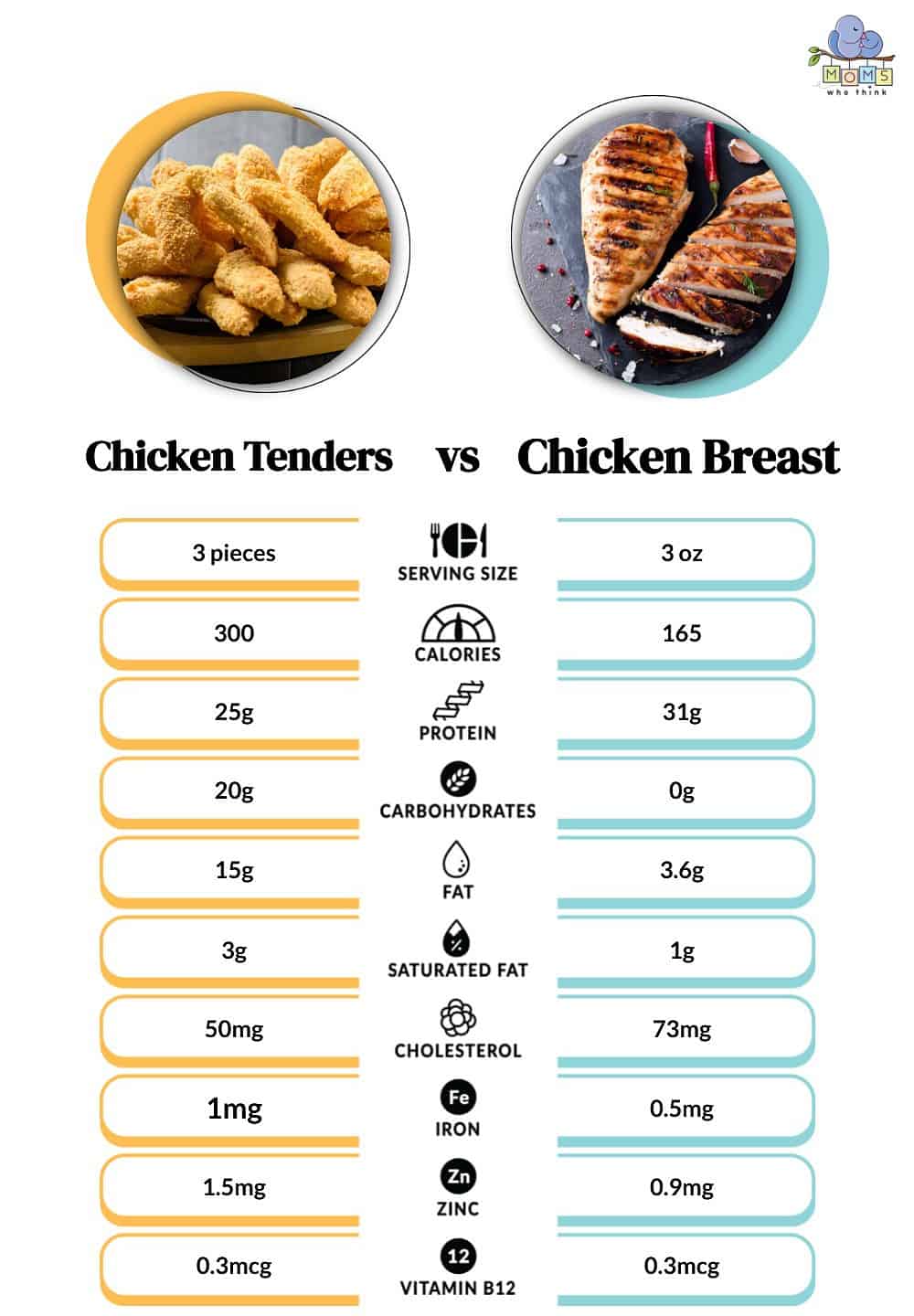
Chicken Breast vs Tenderloin: Discovering Their Nutritional Differences

Chicken Breast vs Tenderloin: The article does not provide any information or facts about the comparison between chicken breast and tenderloin. It mainly consists of chicken breast recipes and testimonials from individuals about their favorite chicken breast dishes. The article discusses different chicken breast recipes and their estimated cooking times. Some of the recipes mentioned include a chicken breast with a cornflake crust, broccoli-stuffed chicken, coconut curry chicken, and teriyaki grilled chicken. The article also provides tips and recommendations for each recipe. This article provides three different chicken breast recipes: grilled chicken with bone-in chicken breasts, herbed chicken Caesar salad with boneless skinless chicken breasts, and baked lemon chicken with boneless skinless chicken breasts. The article emphasizes the benefits of using bone-in chicken breasts for grilling as the bones help conduct heat and cook the meat evenly. Marinating the chicken overnight adds flavor and prevents drying out. The herbed chicken Caesar salad recipe uses an aromatic blend of spices and can be served hot or cold. The baked lemon chicken recipe features a sauce made with lemon juice, chicken broth, butter, and herbs. The dish can be served over white rice or cauliflower rice for a low-carb option. The article discusses three different chicken breast recipes: peanut butter chicken skewers, Kentucky grilled chicken, and chicken stuffing bake.

Continue Reading

Egg Patty: Exploring Culinary Delights and Nutritional Benefits

– Scrambled egg patties are popular in Disney parks, resorts, and quick-service restaurants.
– They are popular because they are portable and don’t fall out of sandwiches.
– There is little information available on how to create a round, scrambled egg patty.
– The perfect scrambled egg patty is achieved by using water instead of milk and adding a small amount of baking powder.
– Baking the egg patties in the oven provides even cooking without the need to flip them.
– Glass or ceramic dishes are recommended for baking the egg patties to prevent browning on the bottom.
– Various types of dishes such as Pyrex glass storage containers and CorningWare stoneware worked well for making the egg patties.
– The egg patty is about 1/4 inch thick.
– The oven should be preheated to 400 degrees F, and the egg patty should be baked until the center is set/dry to the touch. The cook time may vary based on the type of dish used.
– The recipe also suggests seasoning the egg patty with salt and pepper.
– An egg patty is a round shape egg that is used for breakfast sandwiches or as a snack.
– It can be made using an egg ring, silicone egg mold, metal egg rings, or a cookie cutter.
– The average cook time for an egg patty is 4 to 5 minutes.
– Silicone egg rings are recommended as they do not stick to the eggs.
– The recommended options for making the patties include using a cutter shape, a mason jar or canning ring, a ring made of aluminum foil, or an empty tuna can with both ends cut off.
– To make an egg patty, the author suggests preheating a griddle on medium heat or 400°F and greasing the mold and griddle surface with cooking spray.
– Fresh eggs should be used, and the griddle surface should be lightly buttered.
– The egg ring is placed on the buttered surface, and the fresh eggs are poured into the mold and seasoned with salt and pepper.
– A dome lid is used to cover the egg patty during the cooking process.
– The article also provides instructions for making three different types of egg patties: hard egg patty, scrambled egg patty, and fluffy scrambled egg patty.
– The hard egg patty involves poking a hole in the egg yolk and lightly swirling it to combine with the egg white.
– The scrambled egg patty requires whisking the egg white and yolk together before pouring them into the mold.
– The fluffy scrambled egg patty involves cracking the egg into the mold and lightly scrambling it inside the ring.
– There are various methods for making egg patties, including scrambling eggs with heavy cream or milk and pouring the mixture into an egg mold on a hot flat top griddle, and using a frying pan with egg rings on the stove, cooking and flipping the patties as needed.
– After cooking, the egg patties can be stored in the refrigerator for up to 6 days or frozen for up to 2 months.
– Egg patties made with only egg whites can also be cooked for a low-fat option. They have 105 calories and 6 grams of protein.
– Baked egg patties can be made by using a well-greased large muffin tin and baking at 350°F until fully cooked.
– This article provides a recipe and instructions for making egg patties for breakfast sandwiches.
– It suggests using a griddle and greasing the mold and griddle surface to prevent sticking.
– Different types of egg patties are described, including hard egg patties, scrambled egg patties, and fluffy scrambled egg patties.
– The article also includes a list of recommended products, such as a Blackstone cooking station and silicone egg rings.

Continue Reading

Discover the Delicious History of Breakfast Sauce: A Surprising Revelation

– The article provides a McDonald’s breakfast sauce recipe that claims to taste similar to the real thing.
– McDonald’s no longer offers the breakfast sauce, so the author decided to create a copycat recipe.
– The homemade version is described as creamy, tangy, and savory with a delicious flavor.
– The sauce is said to be versatile and can be used on various dishes, including breakfast meals, seafood, chicken, and more.
– The author suggests using it as a dipping sauce for fried jalapenos, pickles, and chicken nuggets.
– The recipe requires six simple ingredients: mayonnaise, yellow mustard, lemon juice, steak sauce, dried dill weed, and salt and ground black pepper.
– The ingredients can be easily adjusted or customized, and the sauce can be made quickly by mixing them together.
– The possibility of adding hot sauce for a spicy flavor or using dijon mustard instead of yellow mustard is mentioned.
– The sauce should be mixed well until combined.
– The sauce needs to be refrigerated for at least 4 hours before use.
– The recipe makes about 1 cup of sauce.
– The sauce can be stored in an airtight container or jar in the fridge for up to 2 weeks.
– Some locations may still offer breakfast sauce on their breakfast cheese bagel, despite it not being on McDonald’s menu.
– The author recommends trying the sauce with a copycat McDonald’s steak bagel recipe.
– The article suggests trying other homemade sauces as well.

Continue Reading

What Goes with Jambalaya? Discover Perfect Complements

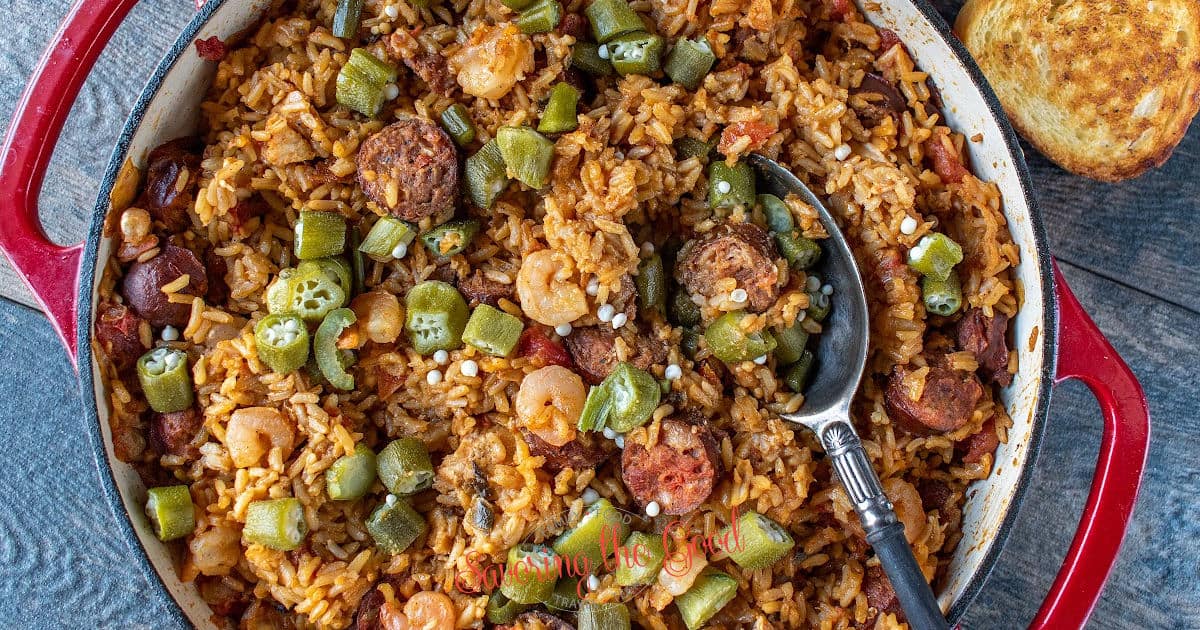
List of Side Dishes to Serve with Jambalaya:
– Maque Choux
– Sautéed Swiss Chard
– Collard Greens
– Green Beans
– Roasted Green Vegetables
– Baked Zucchini Bites
– Corn on the Cob
– Fried Okra
– Cucumber Tomato Salad
– Green Salad
– Mexican Street Corn Salad
– Caesar Salad
– Creamy Cucumber Salad
– Grilled Oysters
– Crab Dip
– Crab Cakes

Note: The article also mentions creole black beans and fruit salad as potential side dishes, but it does not provide any specific recipes for these.

Continue Reading

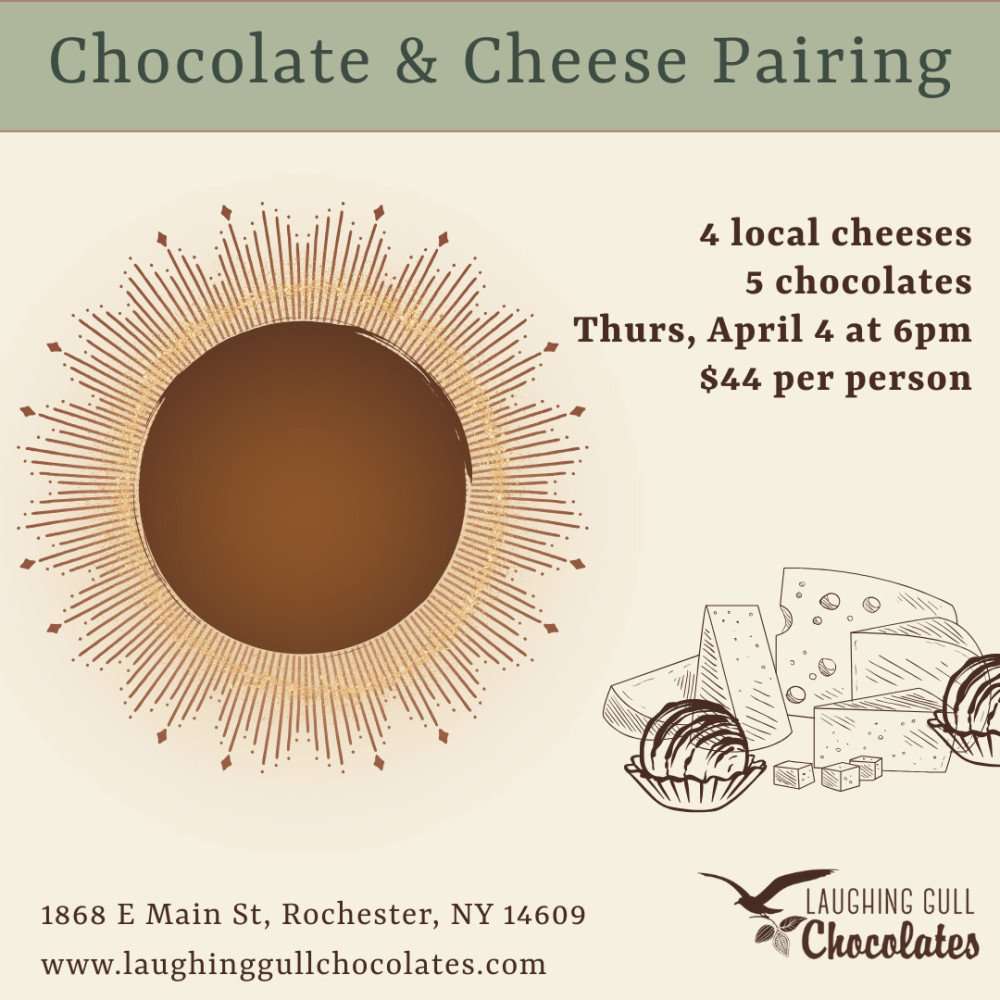
The Art of Pairing Chocolate and Cheese: Discover

– Chocolate Cheese is a type of white cheddar cheese
– The cheese is pasteurized into creamy process cheese
– Real cream, butter, sugar, cocoa, and walnuts are added to the cheese
– It resembles fudge and creamy cheesecake
– It is loved by both adults and kids
– It can be given as a memorable gift for Valentine’s Day
– The size of the cheese is 1 pound
– It is usually shipped within 3 to 5 days

Continue Reading

Are Hot Dogs Precooked? The Truth Revealed!

Hot dogs are pre-cooked before packaging and can be eaten without further cooking. However, eating hot dogs out of the package may not always be safe if they have been left out of the refrigerator for more than two hours or if they are past their expiration date. Cooking hot dogs thoroughly is safer. There is a slim chance of contamination during the production process, including the presence of parasites like trichinellosis in pork products. The chances of finding parasites in hot dogs are quite slim, and cooking the hot dogs will reduce the risk even further. Eating cold hot dogs increases the risk of contracting a parasite. Hot dogs are one of the most consumed meat products in the United States, especially during summer. If hot dogs have been left out of the refrigerator for more than two hours or are past their expiration date, they may have bacteria growth and could cause food poisoning. To determine if a hot dog is fully cooked, one can check if all sides of the hot dog are browned and cooked to a crisp. Worms like trichinella can potentially infest hot dogs, but the chances are slim. It is recommended to cook hot dogs before eating them to reduce the risk of contracting a parasite or bacterial infection.

Continue Reading

Unlocking the Nutritional Value of U Foods: Exploring Upland Rice, Ube, and More!

– Udon: thick, chewy Japanese noodle made from wheat flour
– Umbrella fruit: sour fruit with flavors of mango and pineapple, often eaten with chili powder, shrimp paste, salt, and sugar
– U-NO bars: sweet treat with a smooth, rich chocolate truffle-like center with crushed almonds, covered in milk chocolate
– Ukrainian rolls (pampushki): garlic rolls traditionally served with Ukrainian dishes like borsch
– Unagi: freshwater eel, a pricey delicacy in Japan, usually skewered and grilled with soy-based sauce
– Umble pie: a pie filled with chopped or minced organs of a beast, often made with deer meat
– Ugli fruit: citrus fruit, cross between an orange and a grapefruit, known for its sweet, citrusy taste and high vitamin C content
– Ube: purple yam from the Philippines, commonly used in Filipino desserts
– Upside-Down Cake: dessert involving caramelized fruit over a sponge cake
– Umbricelli pasta: thicker version of spaghetti with a chewy texture, commonly served with various sauces
– Urfa pepper flakes: dark flakes of the Urfa chili pepper from Turkey, sweet and smoky flavor with mild heat
– Umami Burger: burger with umami flavors, often achieved through mushrooms or soy sauce and known as the “fifth taste”
– Ugali: thick porridge made with maize or corn, often served as a side dish with meat and vegetables
– Urgelia cheese: semi-firm cheese from Spain with a creamy taste
– Upma: South Indian breakfast dish made from rava or cream of wheat, often served with vegetables
– Utah scones: deep-fried bread inspired by Native American pastries, eaten with powdered sugar and honey
– Umeboshi: traditional Japanese preserved plum with a sour and salty taste, often served as a side dish
– Uszka: small dumplings filled with mushrooms and/or minced meat, traditionally served in Borscht on Christmas Eve in Poland
– Urad dal: small black lentil used in Indian cuisines, high in minerals and protein

Continue Reading