
Butter Of The Gods Vs. Regular Butter: What’s The Difference?
Butter is a staple in many kitchens, but have you ever stopped to wonder if you’re using the best kind?
Continue Reading
Butter is a staple in many kitchens, but have you ever stopped to wonder if you’re using the best kind?
Continue Reading
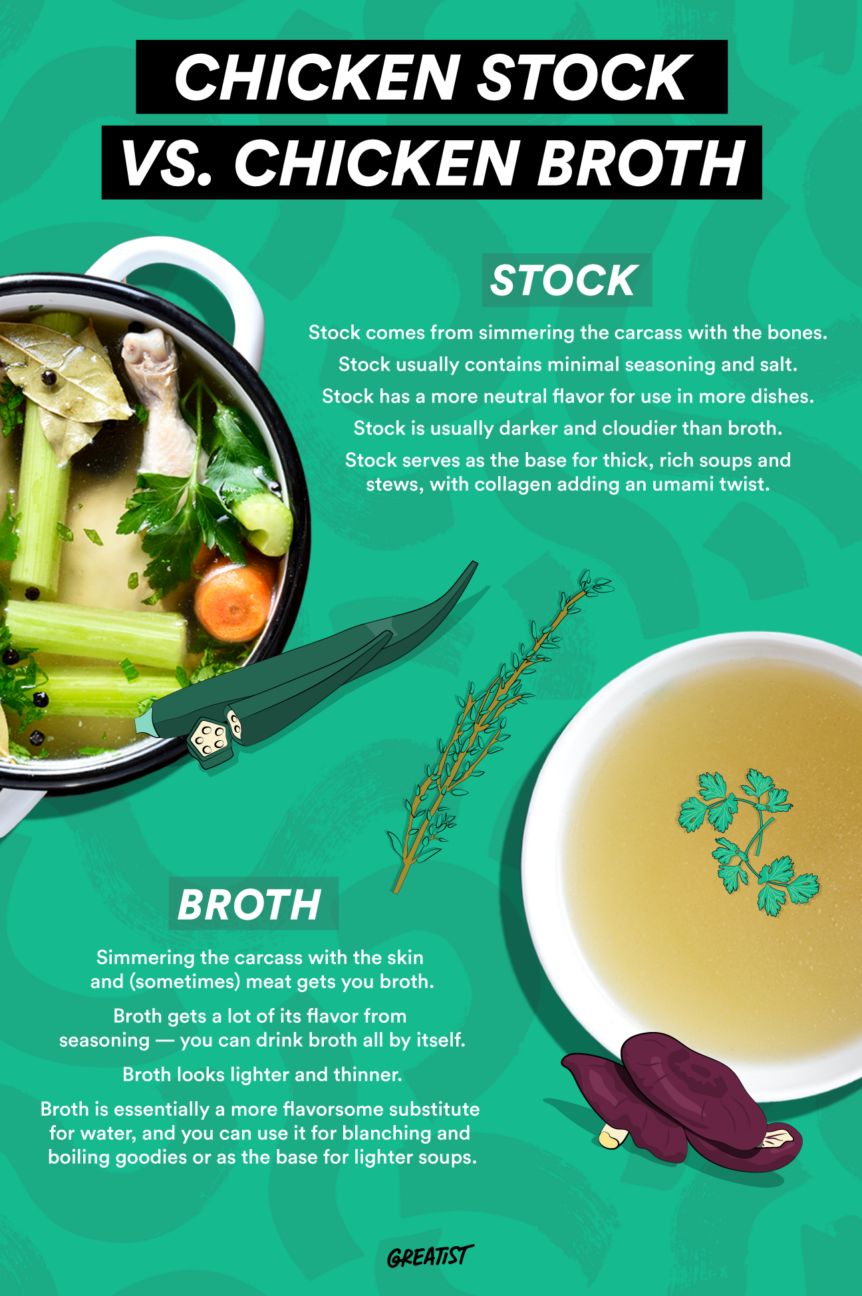
– Broth is made from meat and vegetables, while stock is made with bones.
– Stock has a thicker, viscous texture due to simmering collagen-rich bones.
– Vegetable broth and stock are the same thing, but broth may contain salt.
– Stock is generally thicker and more flavorful than broth.
– White stock is made by blanching bones before simmering, while brown stock is made with roasted bones.
– Stock contains more calories, fat, and carbohydrates than broth, but also more protein, vitamins, and minerals.
– Bone broth is a type of stock that is simmered for a long time and may have added apple cider vinegar.
– Making stock or broth at home allows you to control sodium levels and increase nutrient and antioxidant levels.
– Stock is commonly used as a base for dishes, to make gravy, soups, stews, and prepare grains.
– Broth is usually a clear soup made from simmering meat and vegetables, with variations for fish and shellfish.
– Store-bought stock can be pricier due to being more labor-intensive to produce.
– Soups, broths, and stocks can be high in sodium, so it’s important to check labels for low-sodium or unsalted options.
– Bone broth has gained popularity but may have benefits for gastrointestinal disorders.
– Vegetable broth does not contain as much collagen, vitamins, minerals, and anti-inflammatory benefits as stock.
– Stock has a gelatinous consistency and a richer taste due to collagen and longer cooking time.
– Vegetable stock and vegetable broth are popular among plant-based and vegan diets.
– Store-bought stock contains more vitamins and minerals per cup compared to store-bought broth.
– Consommé is a clarified stock made by simmering with egg white and straining.
– Bouillon is made from dehydrated stock and is sold as cubes, powder, or paste.
– Whether stock or broth is healthier depends on individual goals and needs.
– Homemade stock is made by simmering a whole chicken with vegetables and herbs, then straining the liquid.
– Broth and stock can be used interchangeably in a pinch.

– Popcorn kernels can develop mold over time.
– Popcorn holds its moisture for about 6-12 months.
– Most popcorn you find on the shelf and in microwavable bags has an expiration date of about 8 months.
– Going more than 2 months after the expiration date may result in very dry popcorn.
– Even though microwave popcorn has an expiration date, it can still be eaten.
– Popcorn kernels lose moisture and become dry inside, resulting in stale or easily burned popcorn.
– Stale popcorn can be reheated in the oven at a lower temperature for a few minutes until the right consistency is achieved.
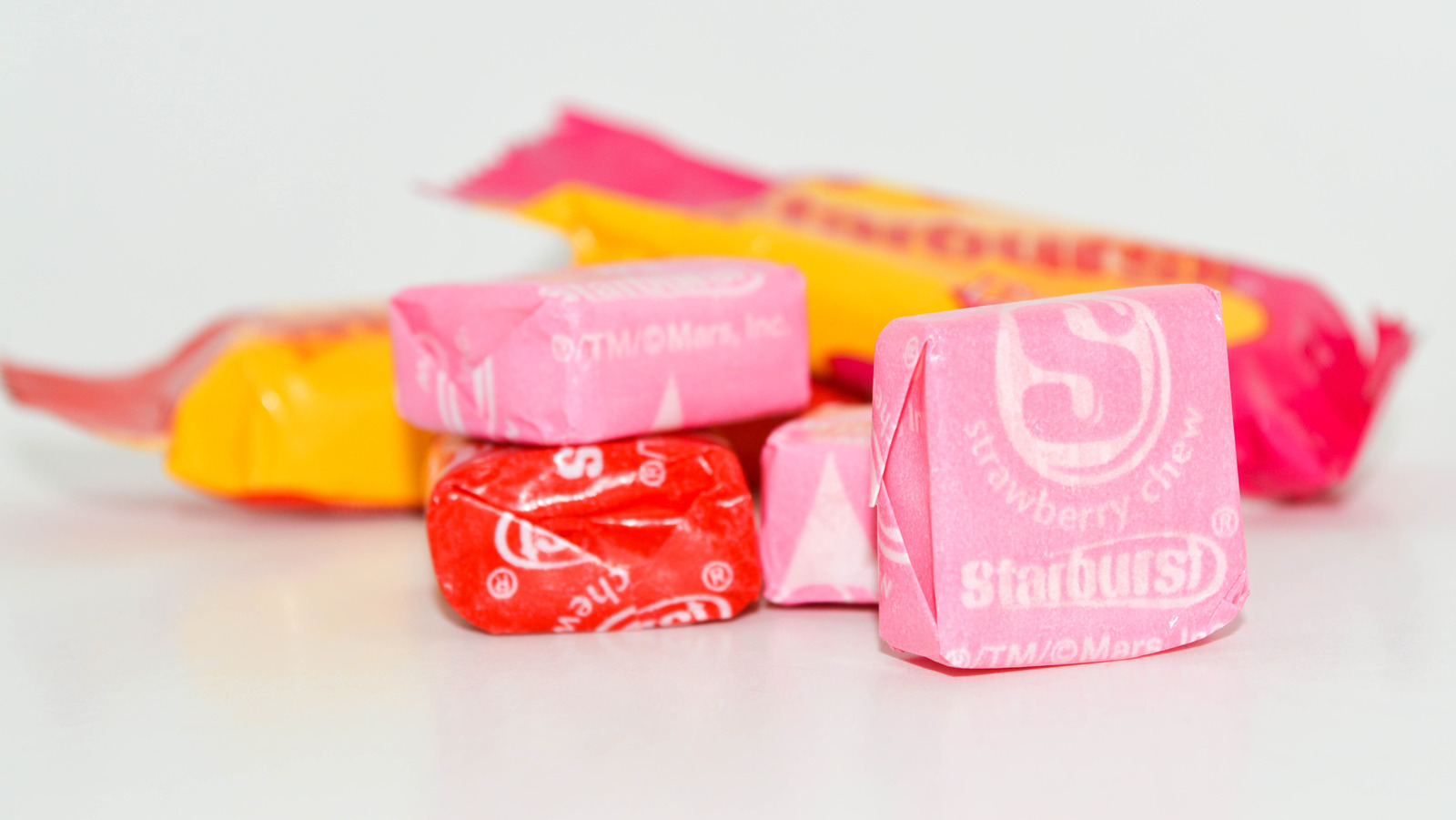
– Are Starburst wrappers safe to eat?
– Can you eat Starburst wrappers?
– Are Starburst candy wrappers edible?
– Should I eat Starburst wrappers?
– Can you digest Starburst wrappers?
– Is it safe to consume Starburst wrappers?
– Are Starburst wrappers made of plastic?
– Are Starburst wrappers difficult to digest?
– Do Starburst wrappers pose a choking hazard?
– Should I remove Starburst wrappers before eating the candy?

In the United States, temperature is typically measured in degrees Fahrenheit (��F). However, many other countries around the world use the Celsius scale (��C) to measure temperature. For example, the boiling point of water is 100��C on the Celsius scale, but only 212��F on the Fahrenheit scale. So, how can you convert 240��F to ��C?
Continue Reading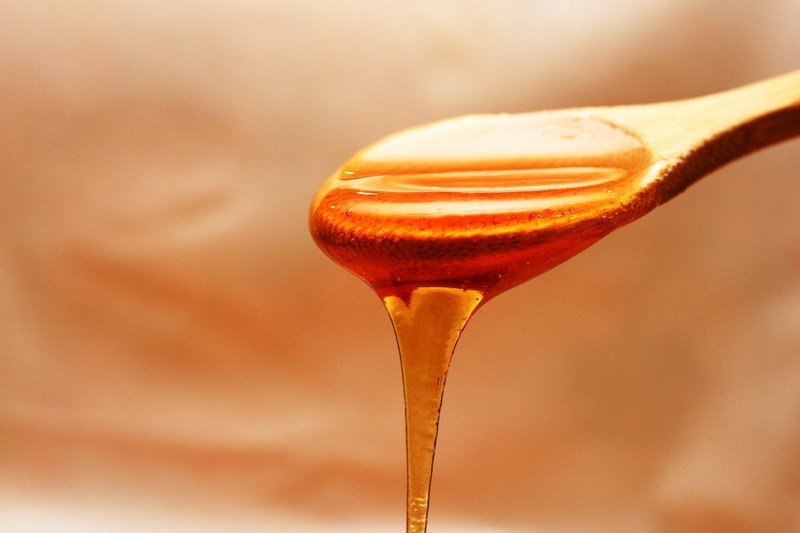
No one dislikes honey, this is a fact that has been researched and is true. Some people go to the extent of indulging with bees just because they know they will eventually get the resulting nutrition. People generally refer to it as liquid gold and whenever you have it in large supply, there will be […]
Continue Reading
List of Tastes and Flavors of Cactus:
– Cactus tastes like a green vegetable, similar to okra.
– Flavors associated with cactus include green beans, green bell peppers, and asparagus.
– Cactus has a slightly sour undertone and a citrus taste.
– Fresh cactus (nopales) is said to taste a little tarter than canned cactus.
– Pickled cactus can have variations in sweet and tart flavors.
– Cactus fruit, such as prickly pear fruit, is on the sweeter side but not overly sweet.
– Prickly pear fruit is compared to a melon in terms of taste.
– Cactus, both the pads (nopales) and fruit, taste similar to other green vegetables like okra, asparagus, and green beans.
– Cactus has a hint of sourness and a citrus undertone.
If you’re looking for a delicious and nutritious sushi, look no further than salmon toro. Salmon is packed with protein and omega-3 fatty acids, making it a great choice for a healthy meal. Plus, the Toro cut of salmon is especially rich and fatty, making it perfect for sushi.
Continue Reading
If you’re ever in a situation where you need to know how to convert 190 degrees Celsius to Fahrenheit, or vice versa, this article is for you. We’ll walk you through the formula and explain what the resulting temperature means in terms of hot and cold.
Continue Reading