How to Heat Up Honey Baked Ham: Quick and Delicious Methods for Perfection

– Honey-baked ham is a popular main course for holidays and special events.
– Leftover honey-baked ham can be reheated using various methods.
– Reheating methods include warming in the oven, skillet, and microwave.
– These methods help retain the moist flavor of the ham.
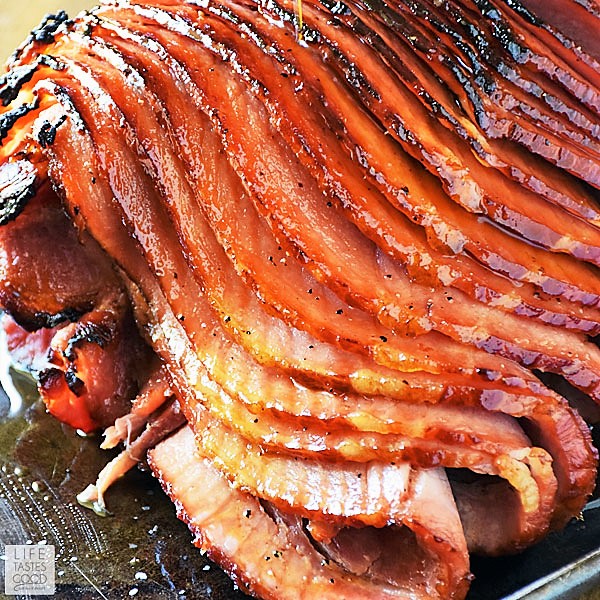
– HoneyBaked hams are fully cooked and should be reheated gently in a 325-to-350 degree oven until the internal temperature reaches 135 degrees.
– Reheating can also be done in the microwave.
– Other fully cooked hams should be reheated in a roasting pan with water or a cola/soft drink in the bottom, covered tightly with foil, and heated in a 325-degree oven until it reaches an internal temperature of 135 to 140 degrees.
– Spiral-sliced hams should be placed cut side down in a baking dish.
– For fully cooked hams that are not spiral sliced, remove the skin, score the fat layer, and heat in a 325-to-350 degree oven until heated through and internal temperature reaches 135 degrees.
– Basting with pan juices or glaze is optional.

Continue Reading

Vegetable Broth vs Stock: Nutritional Benefits & Culinary Differences

– Broth is made from meat and vegetables, while stock is made with bones.
– Stock has a thicker, viscous texture due to simmering collagen-rich bones.
– Vegetable broth and stock are the same thing, but broth may contain salt.
– Stock is generally thicker and more flavorful than broth.
– White stock is made by blanching bones before simmering, while brown stock is made with roasted bones.
– Stock contains more calories, fat, and carbohydrates than broth, but also more protein, vitamins, and minerals.
– Bone broth is a type of stock that is simmered for a long time and may have added apple cider vinegar.
– Making stock or broth at home allows you to control sodium levels and increase nutrient and antioxidant levels.
– Stock is commonly used as a base for dishes, to make gravy, soups, stews, and prepare grains.
– Broth is usually a clear soup made from simmering meat and vegetables, with variations for fish and shellfish.
– Store-bought stock can be pricier due to being more labor-intensive to produce.
– Soups, broths, and stocks can be high in sodium, so it’s important to check labels for low-sodium or unsalted options.
– Bone broth has gained popularity but may have benefits for gastrointestinal disorders.
– Vegetable broth does not contain as much collagen, vitamins, minerals, and anti-inflammatory benefits as stock.
– Stock has a gelatinous consistency and a richer taste due to collagen and longer cooking time.
– Vegetable stock and vegetable broth are popular among plant-based and vegan diets.
– Store-bought stock contains more vitamins and minerals per cup compared to store-bought broth.
– Consommé is a clarified stock made by simmering with egg white and straining.
– Bouillon is made from dehydrated stock and is sold as cubes, powder, or paste.
– Whether stock or broth is healthier depends on individual goals and needs.
– Homemade stock is made by simmering a whole chicken with vegetables and herbs, then straining the liquid.
– Broth and stock can be used interchangeably in a pinch.

Continue Reading

Why Is My Chicken Rubbery? Explained & Solved

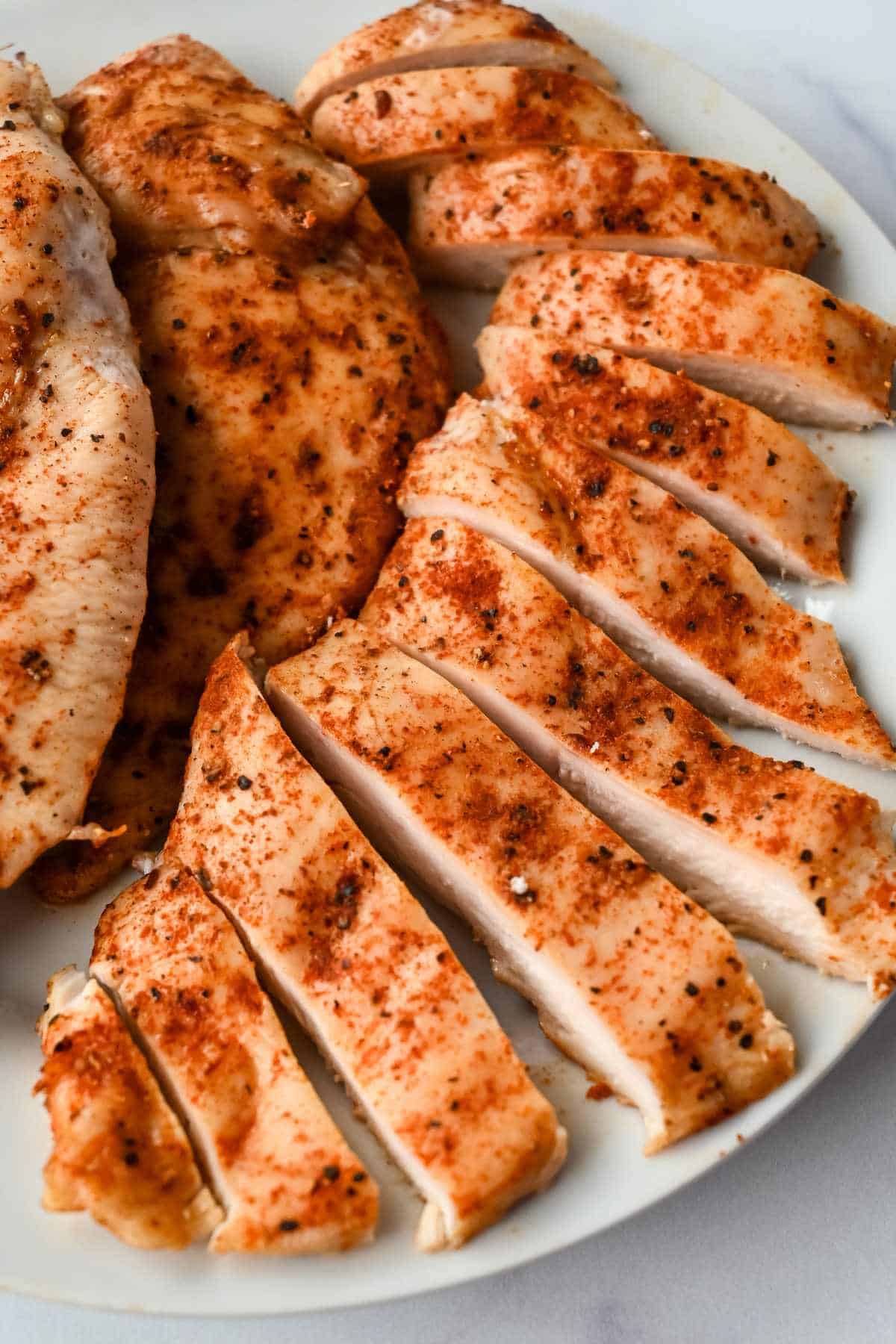
– Rubberiness in chicken is usually caused by overcooking, undercooking, or poor quality chicken.
– Undercooked chicken has a shiny appearance and jiggly consistency, and is unsafe to eat.
– Poor quality chicken, such as chicken with white striping or woody breasts, can result in rubbery texture regardless of cooking process.
– A 2019 study found a correlation between woody breasts and chicken’s body weight.
– Use a meat thermometer to ensure chicken is cooked to a safe internal temperature of 165°F.
– To fix rubbery chicken, add more liquid and moisture.
– Slow-growing and organic chicken are ideal for preventing rubbery chicken.
– Adding more liquid and fat can help fix rubbery chicken.
– Slow cooking, braising, stewing, steaming, and simmering can prevent rubbery chicken.
– Marinating or brining the chicken before dry heat cooking methods can help keep it tender.
– Reheating chicken at low temperatures and adding moisture can prevent rubbery texture.
– Instant Pot Chicken Noodle Soup, Creamy Chicken Tortilla Soup, Crispy Cilantro Lime Chicken, Instant Pot Greek Chicken and Rice, One Pot Hawaiian Chicken, slow cooker Mexican chicken casserole, Crock Pot salsa chicken, slow cooker chicken tortilla soup, Crock Pot white chicken chili, Instant Pot chicken enchiladas, Instant Pot chicken tinga, and Instant Pot Greek lemon chicken soup are recipes that feature juicy chicken.

Continue Reading

Can You Eat Shrimp Tails? Unveiling the Truth

– Shrimp tails are edible and can be eaten.
– They are commonly used in Thai and Northeastern Chinese cuisines.
– Shrimp tails add a crunchy texture to dishes and can be used as an impressive appetizer.
– Shrimp tails are composed of polymer chitin, which is the most plentiful organic fiber after wood.
– Studies have shown that humans can digest shrimp tails because human gastric juice contains the enzyme chitinase, which breaks down chitin.
– There are some nutritional benefits to eating shrimp tails, but some people may be allergic to the chitin in the shells.
– Chitin, the main component of shrimp tails, is found in supplements like Chitosan and is believed to lower cholesterol.
– Shrimp tails can be prepared by deep-frying them after coating them in flour and cornstarch.
– Shrimp tails can also be used to make shrimp stock by boiling them in water for 15 minutes until the liquid turns orange. The stock can be used in various dishes.
– Shrimp tails can be stored in the freezer in a Ziploc bag for up to three months before using.
– The article discusses whether shrimp tails can be eaten or not. It states that shrimp tails can be left on or taken off depending on the preparation method.
– If the intention is not to eat the tail, it is best to view it as a handle and leave it on when preparing appetizers like popcorn shrimp or shrimp cocktail.
– However, when cooking a dish that doesn’t include the tails, it is recommended to remove them before serving.
– The article mentions that leaving the tails on can enhance the visual appeal of the dish, which is why restaurants often leave them on.
– It concludes by asking readers if they would be willing to try eating shrimp tails.
– Shrimp tails are 100% edible and safe to eat.
– Shrimp tails are not usually substantial enough to make a meal on their own, but they add flavor and can be fried as a snack.
– Shrimp tails also have health benefits, such as lowering cholesterol.
– They have a briny, salty taste and a chewy, fibrous texture.
– It is possible to eat shrimp tails raw, but they can be difficult to chew and are often removed in dishes like ceviche and sashimi.

Continue Reading

How to Make an Egg Wash: A StepbyStep Guide

– An egg wash is a mixture of a whole egg, egg yolk, or egg white with a small amount of water, milk, or cream.
– It is brushed over baked goods before baking to give them a golden color and glossy finish.
– It can also help seal the edges of filled pastries and help sugar adhere to the dough.
– To make an egg wash, beat one large egg and one tablespoon of liquid (water, milk, or cream) in a small bowl, or beat one large egg white or egg yolk with one teaspoon of liquid.
– The choice of liquid affects the browning and glossiness of the baked goods. Water produces golden-brown results with some gloss, while heavy cream produces deeply golden-brown results with more sheen.
– Using an egg white mixed with water gives a light golden color with a gloss, while an egg yolk mixed with water gives a deep golden color.
– Using milk or cream enhances the color and gloss.
– Using a whole egg instead of just an egg white or yolk minimizes food waste.
– The article explains how to use an egg wash when baking.
– Using an egg wash involves brushing a mixture onto the baked good using a pastry brush.
– It is important to apply the mixture evenly to avoid pooling, as this can result in an uneven look and affect the taste.
– A silicone brush is recommended for easy clean-up and to prevent loose bristles.

Continue Reading

How to Boil Potatoes for Potato Salad: Expert Tips

– How to boil potatoes for potato salad
– Boiling time depends on the size of the cut potatoes
– Recommended chopping method for medium to large potatoes
– Boiling time for large potato cubes
– Boiling time for baby potatoes or diced potatoes
– Boiling time for whole large potatoes
– Whether to peel the potatoes for potato salad
– Recommended type of potatoes for creamy American-style potato salad
– How to prepare Yukon gold potatoes for American-style potato salad
– Recommended type of potatoes for French-style red potato salad
– How to prepare baby red potatoes for French-style red potato salad
– Recommendations for German potato salad
– Availability of various potato salad recipes

Continue Reading

Can You Microwave Cup Noodles? Stay Informed and Safe

– Cup noodles can be cooked in the microwave.
– It takes 2-3 minutes to cook cup noodles in the microwave.
– You will need a microwave-safe bowl, cup noodles, water, and a microwave.
– Place the noodles in a microwave-safe bowl, add enough water to cover them, add the seasoning packet, and stir.
– Remove the noodles from the microwave and add toppings if desired.
– You can also cook ramen noodles in the microwave using the same instructions.
– Tips for cooking cup noodles in the microwave include adding more water if the noodles are dry, adding oil for added fluffiness, using low-sodium or whole wheat noodles for a healthier option, adding toppings like shredded cheese or vegetables for more flavor and nutrition, experimenting with different seasonings or sauces, adjusting cooking time to avoid overcooking, and cooking a big batch of cup noodles for convenience.
– The cup itself is made of Styrofoam, which can also release harmful chemicals when heated in the microwave.
– It is best to avoid microwaving cup noodles and instead cook ramen noodles in boiling water as they are designed for even cooking in the microwave.
– To check if cup noodles are microwave safe, look for a symbol with wavy lines or check the ingredients list. If made with plastic, they are not microwave safe.
– If cup noodles are microwave safe, they should cook evenly and not become hard or rubbery.
– Microwaving cup noodles can make them tough and chewy, and the broth can become concentrated and salty.
– The water in the cup boils and cooks the noodles when microwaved.
– Overcooking cup noodles can cause them to dry out and become hard.
– It is recommended to not microwave cup noodles and instead cook them on the stovetop.
– Microwaving cup noodles can cause burns and make them harder to eat.
– The article does not recommend microwaving cup noodles and suggests alternative methods for cooking them quickly.
– Stovetop Method: Boil water, add cup noodles, cook for 3-5 minutes, drain excess water, and enjoy.
– Oven Method: Preheat oven to 350 degrees Fahrenheit, fill a baking dish with water, place cup noodles in it, bake for 15-20 minutes, drain excess water, and enjoy.
– While you can microwave Styrofoam cup noodles, it is not recommended due to the potential release of harmful chemicals into the food.
– Instructions for microwaving instant noodles may vary depending on the type of noodles and package instructions.
– The recommended cooking time for instant ramen noodles in the microwave is 2-3 minutes, but it may vary depending on the brand and instructions.
– Cup noodles, instant noodles, or ramen noodles are popular and convenient snacks.
– Cup noodles are not microwave safe because the containers are usually made from styrofoam and can release chemicals into the noodles if heated.
– Microwaving cup noodles can cause the container to melt and leak.
– To microwave instant noodles, you need to remove them from the cup and place them in a microwave-safe container.
– The best way to cook cup noodles is to use boiled water, either from a microwave, kettle, or stove-top.
– Add hot water to the cup noodles, cover with the lid, and wait for 2-3 minutes.
– To microwave instant noodles properly, transfer them to a microwave-safe bowl, add flavor packet, pour in water or broth, and microwave for 1 minute on full power, followed by 30-second intervals until steaming hot.
– Microwaving time may vary based on wattage, but generally, the noodles should be soft and ready to eat.

Continue Reading

Are Chives and Green Onions the Same? Unveiling Their Differences and Culinary Uses

Are chives and green onions the same? Here is a list of pertinent information about chives, scallions, and green onions, with no duplication:

– Chives, scallions, and green onions have similarities but also some differences.
– Scallions and green onions are the same ingredient, just labeled differently.
– They have a slender, elongated form with white bottoms and green tops.
– Some green onions are immature forms of bulbing onions, while others are specially developed to never form a bulb.
– Chives are a different plant species and are considered herbs.
– Chives are thinner and more fragile, with green leaves.
– They are harvested by cutting the leaves near ground level and regrow for future harvests.
– There are different types of chives, including common chives, garlic chives, and Siberian chives.
– Spring onions are a different type of allium with a small bulb near their roots.
– They are the immature form of bulbing onions and can come in different colors.
– Chives and green onions are not the same but can be used as substitutes for each other.
– They should be stored in the refrigerator in an airtight plastic bag and can stay fresh for one to two weeks.
– Chives and green onions are often used raw in dishes like baked potatoes and scrambled eggs.
– There are recipes available that feature these ingredients, such as cheddar and chive biscuits and scallion-infused pancakes.
– Online cooking classes are recommended for learning more about these ingredients and their uses.
– Green onions can eventually grow into spring onions.

Continue Reading

How to Reheat Bacon: Tips and Tricks for Crispy Perfection

– Leftover bacon can be reheated and used in various dishes
– Different methods for reheating bacon include using the oven, microwave, stovetop, toaster oven, or air fryer
– Reheating bacon in the oven: Preheat oven to 400 degrees Fahrenheit, place bacon on a lined baking tray, bake for 8-12 minutes
– Reheating bacon in the microwave: Place bacon on a microwave-safe paper towel-lined plate, cover with another paper towel, microwave on high for 15-30 seconds per strip
– Reheating bacon on the stovetop: Heat a frying pan over medium heat, place bacon in the pan, heat for 1-2 minutes per side
– Reheating bacon in the toaster oven: Preheat toaster oven to 375 degrees Fahrenheit, place bacon on an oven-proof plate, bake for 8-12 minutes
– Reheating bacon in the air fryer: Place bacon on the air fryer basket, heat for 3-5 minutes at 375 degrees Fahrenheit

Continue Reading

How to Reheat Meatloaf: Top Tips for Ultimate Deliciousness

– The challenges of reheating meatloaf and how to prevent it from drying out
– Multiple methods to moisten dried meatloaf and choosing the method that suits individual preferences
– Instructions on how to reheat meatloaf in the oven, microwave, and air fryer
– Importance of using the oven for reheating as it provides even heat without drying out the meatloaf
– Reheating slices of meatloaf in the microwave with a damp paper towel and low-power setting
– Air fryers as a suitable option for reheating meatloaf, especially if the meatloaf was originally cooked in the air fryer
– Steps to reheating meatloaf in an air fryer, including using slices, air fryer paper, and cooking spray to prevent sticking and drying out
– Skillet as another option for reheating smaller portions or a few slices of meatloaf
– Preheating the skillet with lubricant, covering it, and reheating on medium heat for crispy edges or low-medium heat for a tender finish
– Checking the internal temperature of the meatloaf with a meat thermometer to ensure it reaches 165 degrees F for safety
– Using ground meat should always be cooked to at least 165 degrees F for safety
– Comparing the level of crispiness achieved when reheating in the microwave, skillet, or air fryer
– Using microwave browners or crisper plates to achieve a crispy finish when reheating in the microwave
– Adding crumbled dried meatloaf to other dishes, even if it is too dry to eat on its own
– Mention of various meatloaf recipes, including ground chicken parmesan meatloaf, southern meatloaf, easy meatloaf with few ingredients, meatloaf with oatmeal, meatloaf with Ritz crackers, BBQ meatloaf, and cheeseburger meatloaf.

Continue Reading