Sugar Free Jello: An InDepth Guide to Healthy Desserts

– Sugar-free Jello is keto-friendly, containing zero carbs and only 10 calories
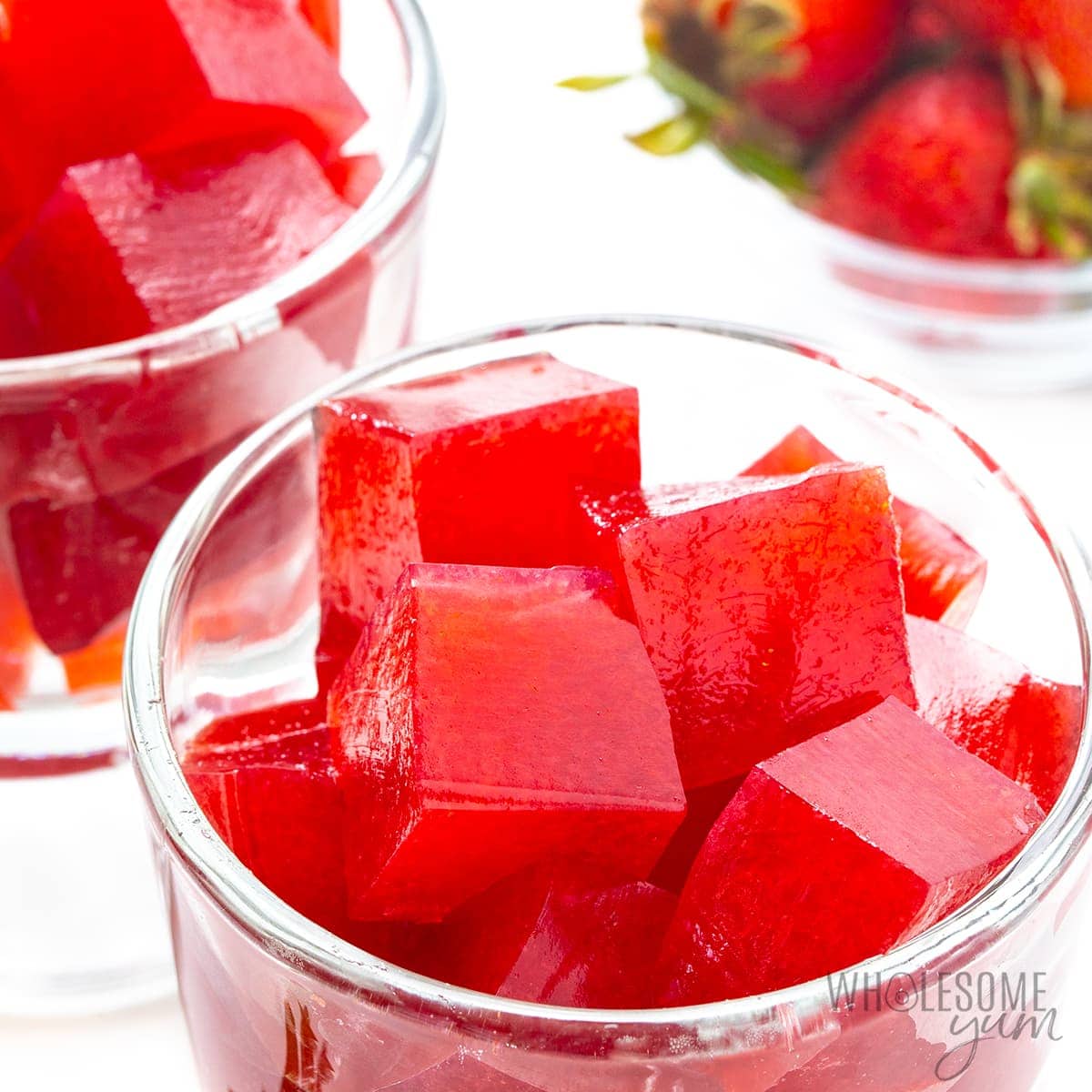
– A cup of strawberry sugar-free Jello has 0g total fat, 0mg cholesterol, 45mg sodium, 0mg potassium, 0g total carbohydrate, 0g dietary fiber, 0g total sugars, and 1g protein.
– It has 0 grams of net carbs, making it suitable for a low-carb diet.
– The ingredients in sugar-free Jello could mimic sugar and potentially spike blood sugar and increase insulin response.
– Sugar free Jello is made with a variety of chemicals, preservatives, and artificial sweeteners such as aspartame and maltodextrin.
– There are 9 sugar free flavors available.
– Sugar free Jello pudding is not carb-free and contains around 9g net carbs, making it not ideal for the keto diet.
– Sugar free Jello is not considered keto-friendly in a strict sense but may fit into a dirty or lazy keto plan.
– The article discusses sugar-free Jello options for those who are watching their sugar intake or following a ketogenic diet.
– Sugar-free Jello pudding is a variant of traditional Jello pudding formulated for reduced sugar intake.
– It provides a satisfying and flavorful dessert option without added sugars.
– Sugar-free Jello pudding has evolved due to the demand for healthier alternatives in the dessert industry.
– Sugar-free Jello pudding is low in sugar and calories, with approximately 60-70 calories per serving.
– A single serving of sugar-free Jello pudding contains around 8-10 grams of carbohydrates.
– Sugar-free Jello pudding typically contains less than 1 gram of sugar per serving.
– It is low in fat, with less than 1 gram per serving, and cholesterol-free.
– Sugar-free Jello pudding provides small amounts of protein from milk and gelatin.
– It is fortified with essential nutrients like calcium and iron.
– Artificial sweeteners like aspartame, sucralose, or acesulfame potassium are used in sugar-free Jello pudding.
– Thickeners such as modified cornstarch or carrageenan are added to achieve the desired texture of sugar-free Jello pudding.
– Sugar-free Jello pudding is typically made with skim milk, which contains approximately 45 calories, 4 grams of protein, and essential vitamins and minerals.
– The main benefit of sugar-free Jello pudding is the reduced sugar content compared to regular Jello pudding.
– Sugar-free Jello pudding is a low-calorie option for those watching their calorie intake.
– Sugar-free Jello pudding comes in various flavors and is easy to prepare, making it a convenient dessert option.
– Individuals should consider their personal dietary requirements and consult a healthcare professional before incorporating sugar-free Jello pudding into their diet.
– Sugar-free Jello pudding is a guilt-free way to satisfy sweet tooth cravings while still providing important nutrients.
– Sugar-free Jello pudding is made with alternative sweeteners instead of traditional sugar.
– Sugar-free Jello pudding can be consumed by individuals with diabetes, but overall carbohydrate intake should be monitored as part of a balanced meal plan.
– Sugar-free Jello pudding generally has fewer calories than regular Jello pudding because it does not contain added sugars.
– The specific calorie content may vary depending on the brand and flavor.
– The alternative sweeteners used in sugar-free Jello pudding are considered safe for consumption by regulatory authorities, although some individuals may have sensitivities or experience gastrointestinal discomfort.
– It is advisable to consult a healthcare professional if there are concerns.
– Sugar-free Jello pudding can be included in a weight loss diet due to its lower calorie content, but overall calorie intake should be considered and a balanced diet should be maintained to achieve weight loss goals.

Continue Reading

Unleash your creativity with this delectable Fruity Pebbles Cake: A colorful and scrumptious dessert masterpiece!

Ingredients:
– Fruity Pebbles cereal
– Standard pantry ingredients for homemade vanilla buttercream

Equipment:
– Mixing bowls
– Baking pans
– Strainer
– Electric mixer (handheld or stand mixer)
– Medium and large mixing bowls
– Measuring cups and spoons
– Whisk
– Spatula
– Two 9-inch cake pans

Instructions:
1. Preheat the oven to 350ºF.
2. Grease or spray two 9-inch cake pans with butter-flavored cooking spray.
3. In a mixing bowl, beat softened butter and sugar together until light and fluffy.
4. In a separate bowl, combine flour, baking powder, and salt.
5. Add egg whites and vanilla to the butter and sugar mixture, followed by the dry ingredients and cereal milk.
6. Fold in the remaining Fruity Pebbles.
7. Divide the batter between the prepared cake pans.
8. Bake for 25-30 minutes or until a toothpick comes out clean.
9. Let the cakes cool for 5 minutes in the pans, then transfer them to cooling racks to cool completely.
10. In a medium bowl, whip softened butter, powdered sugar, and vanilla bean paste to make the homemade vanilla buttercream frosting. Add milk if needed to achieve desired consistency.
11. Once the cakes are fully cooled, frost them with the buttercream.
12. Decorate with additional Fruity Pebbles if desired.

Facts about Fruity Pebbles:
– Fruity Pebbles cereal was first introduced in 1971.
– It is marketed as an excellent source of vitamins and minerals.
– Fruity Pebbles is gluten-free but not vegan-friendly.
– In a ¾ cup serving, there are 9 grams of sugar.

Tips for storing the cake:
– The frosted cake can be stored at room temperature for 2-3 days, covered with plastic wrap or a cake dome if sliced.
– It can also be refrigerated for up to a week or frozen for about 2 months.
– To eat a frozen slice, defrost it in the refrigerator overnight.

Other cereal options:
– Other cereals like Fruit Loops, Cap’n Crunch, or Cinnamon Toast Crunch can be used in this recipe but would need to be chopped.
– Cocoa Pebbles can also be used as a substitute.

Additional information:
– Cereal milk is made by pouring cereal into milk and letting it sit for at least 30 minutes to infuse flavor.
– Cereal milk became popular through a bakery called Milk Bar.
– This recipe also provides instructions for making homemade vanilla buttercream frosting.
– The nutritional information for the cake is provided, with 875 calories, 121g of carbohydrates, 5g of protein, and 43g of fat.

Continue Reading

Frozen Cupcakes: A Delicious Treat for Any Occasion

– The article discusses the growing trend of frozen cupcakes as a convenient and easy option for consumers.
– Frozen cupcakes are effectively pre-baked and then frozen, allowing customers to thaw and decorate them as desired.
– They are seen as a time-saving alternative for individuals who want homemade-style cupcakes without the hassle of baking from scratch.
– The popularity of frozen cupcakes has been increasing in recent years, with a substantial rise in sales.
– One bakery mentioned in the article reported a 30% increase in frozen cupcake sales.
– Some frozen cupcake brands have also experienced a 50% growth in sales over a five-year period.
– Frozen cupcakes are convenient for various occasions, including parties, events, and even school functions.
– They offer flexibility in terms of flavor and design choices, providing consumers with ample options.
– Some frozen cupcake brands offer a wide range of flavors, including classics like chocolate and vanilla, as well as unique options like red velvet or carrot cake.
– Many brands claim to use high-quality ingredients and offer a similar taste and texture to freshly baked cupcakes.
– The freezing process is said to help retain the cupcakes’ moisture, ensuring a delicious end result once thawed and decorated.
– Certain brands offer gluten-free, vegan, or allergen-friendly options, catering to a broader range of dietary needs and preferences.
– Cupcakes can be stored on the counter at room temperature or in the refrigerator, depending on the type of frosting used.
– Frosted cupcakes with dairy-free frosting can be stored at room temperature in an airtight container for 2-3 days.
– Frosted cupcakes with dairy-based frosting should be stored in the refrigerator in a storage container with an airtight lid, even if only stored for a few hours.
– Unfrosted cupcakes can be stored at room temperature in an airtight container for up to 3 days.
– If the kitchen is warmer than room temperature, cupcakes should be stored in the fridge.
– Unfrosted cupcakes can be frozen to maximize freshness and prevent them from getting smashed.
– It is important to cool the cupcakes completely before wrapping them to avoid steam and moisture affecting the texture and taste.
– Wrap each cupcake tightly in plastic wrap or press and seal to protect them from outside air.
– Place the wrapped cupcakes in an airtight sealable freezer bag or container to prevent anything from getting placed on top of them.
– Unfrosted cupcakes can be frozen for up to 3 months.
– Store-bought cupcakes can be kept at room temperature in the plastic container they were purchased in.
– Store-bought cupcakes with added preservatives can last 3-5 days at room temperature.
– If store-bought cupcakes were refrigerated at the store, they should be refrigerated at home.
– Store-bought cupcakes can be placed in a container with an airtight lid in the refrigerator.
– Store-bought cupcakes can last up to 5 days in the refrigerator, but it is best to eat them by day 3.
– Cupcakes can be frozen and it is recommended to store them in the freezer rather than the refrigerator if storing for longer than a few days.
– To thaw frozen cupcakes, remove them from the freezer and place them on the counter. It usually takes 1-2 hours for them to fully thaw.
– If cupcakes have perishable frosting or filling, they should be thawed in the refrigerator overnight.
– It is not recommended to use the microwave to thaw cupcakes.
– Cupcakes can be stored in the refrigerator for up to a week after baking, but they will lose freshness over time.
– Dairy-based frostings should not be stored at room temperature for too long to avoid bacterial growth.
– Cupcakes should be brought back to room temperature before serving for better taste.
– It is easier to store unfrosted cupcakes and decorate them later.
– Cupcakes can be frozen for up to three months before frosting.
– Refrigerating cupcakes before outdoor events can help firm up the frosting and slow melting.
– Frozen cupcakes may taste slightly different than fresh cupcakes due to factors such as type of cupcake, recipe, wrapping, and freeze time.
– It is best to enjoy cupcakes as soon as possible and avoid freezing for longer than three months.
– The article discusses freezing cupcakes and its effects on their quality.
– Cupcakes with certain fillings such as fruit fillings and cream cheese can be frozen, but delicate creams, ganaches, or caramels may change in consistency.
– It is recommended to cut a hole in the cupcakes before freezing and fill them when ready to eat.
– Cupcakes can be made 3 days in advance and if stored properly, they should still taste fresh.
– Refrigerating the cupcakes can extend their freshness by an additional day.
– Freezing cupcakes can help keep them moist, especially if they are wrapped and stored correctly.
– Once thawed and frosted, the cupcakes will be fluffy and moist.

Continue Reading

Discover the Art of Flan Making with Flan Pan Mastery

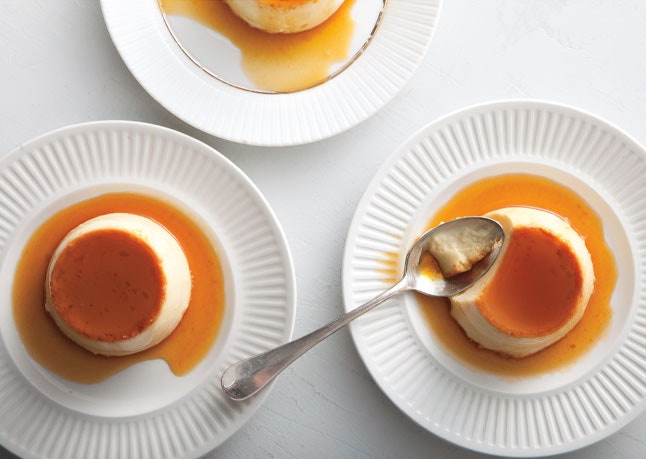
– flan pan
– cream caramel
– Instant Pot flan
– Latin American dessert
– Honduras
– recipe
– pan
– Instant Pot
– blender
– liquid measuring cups
– mini mitts
– chef’s knife
– trivet
– non-stick fry pan
– caramel
– eggs
– evaporated milk
– sweetened condensed milk
– cream cheese
– sugar
– 8-quart Instant Pot
– 6-quart Instant Pot
– non-stick frypans
– flan molds
– GreenPan
– push pan
– flan mold with latches
– caramel making
– skin burns
– kitchen towel
– oven mitts
– cooling
– blending
– lid or aluminum foil
– water
– pressure release
– counter
– refrigerator
– unmolding
– cleaning
– sharp knife
– caramel topping
– dessert
– recipe promotion
– newsletter

Continue Reading

The Art of Making Delicious Philadelphia Cheesecake Bars: A StepbyStep Guide

Title: Philadelphia Cheesecake Bars: Nutritional Information and Variability

1. Each serving of Philadelphia Cheesecake Bars yields approximately 16 servings.
2. Nutrition information provided is an estimation based on the ingredients and cooking instructions given in each recipe.
3. The actual nutrition details may vary depending on factors such as methods of preparation, origin, and freshness of the ingredients used.
4. The bars were discontinued in 2004-2005 due to manufacturing challenges.
5. A petition was launched in 2017 to bring back the bars and received over 37,000 votes.
6. The author attempts to recreate the Philadelphia Cheesecake Bars and mentions challenges in replicating the snack bars.
7. The recipe for the Philadelphia Cheesecake Bars includes ingredients such as graham crackers, flour, eggs, sugar, butter, Philadelphia cream cheese, sour cream, condensed milk, lemon juice, vanilla extract, confectionary sugar, white chocolate, and heavy cream.
8. The recipe calls for a 9 x 3-inch springform pan and a hand mixer.
9. The graham cracker crust is made with graham crackers and unsalted butter.
10. The cheesecake filling includes Philadelphia Cheese, condensed milk, crystal sugar, lemon juice, vanilla extract, confectionary sugar, and cold heavy cream.
11. Optional white chocolate ganache can be made with white chocolate and heavy cream.
12. Instructions include crushing the graham crackers, mixing them with melted butter for the crust, and whisking the Philadelphia cream cheese with other filling ingredients.
13. The bars need to be cooled in the fridge for at least 8 hours for a clean cut.
14. To achieve a clean cut, it is recommended to cool the bars completely, use a sharp straightedge knife, and lightly damp it before each cut.
15. Optional decorations include white chocolate ganache or cream cheese topping.
16. Nutritional information: A serving size is 120g and contains 656 calories, 55g carbohydrates, 10g protein, and 46g fat.
17. There are variations of these snack bars with different flavors, and readers can come up with their own versions.

Continue Reading