
How to Tell if Sour Cream Is Bad
Signs that sour cream has gone bad include mold growth, discoloration, off smell, sharp or bitter taste, curdling, and dryness. Mold growth appears as fuzzy grey or green spots, and a moldy film may…
Continue Reading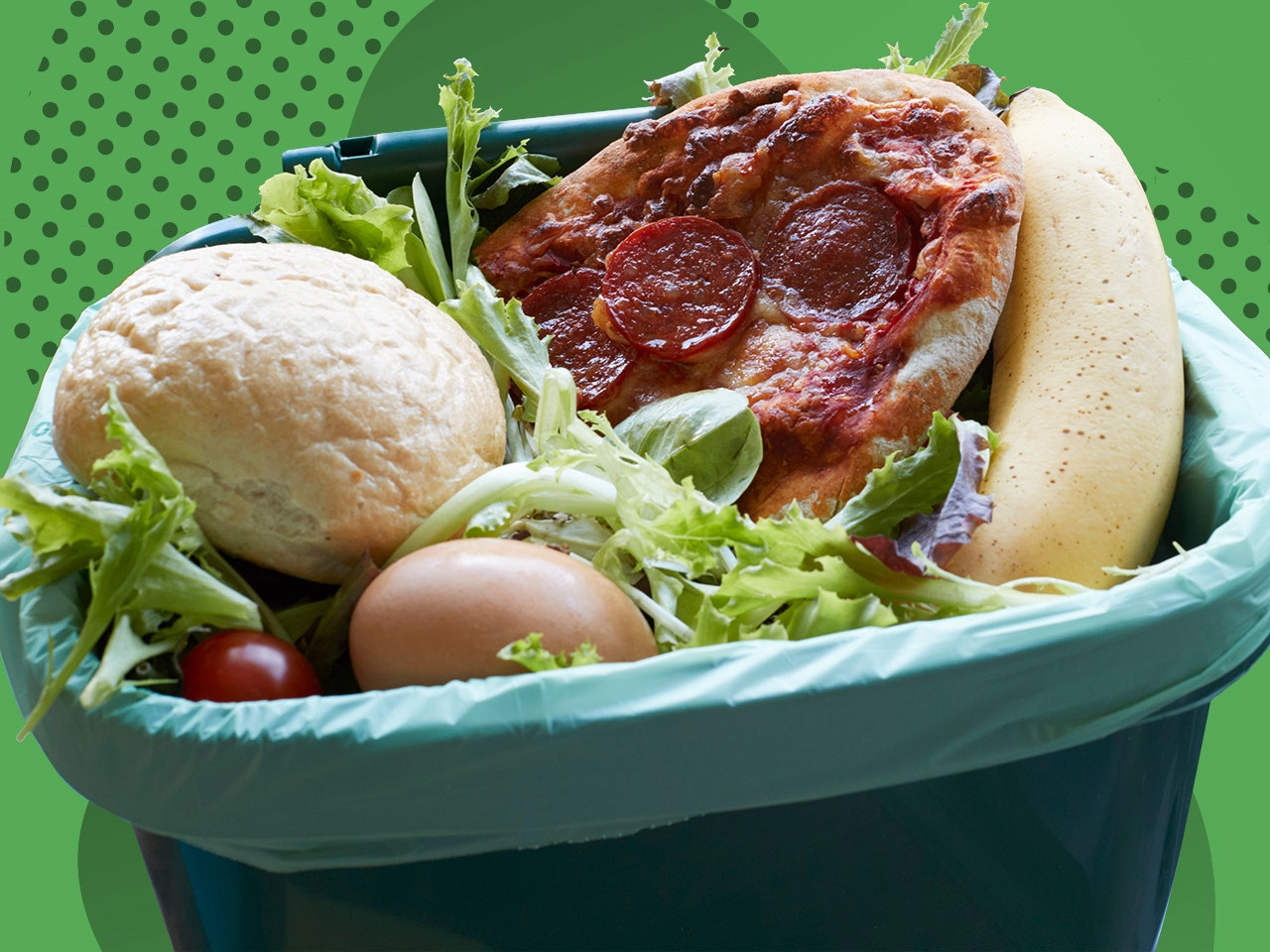
Signs that sour cream has gone bad include mold growth, discoloration, off smell, sharp or bitter taste, curdling, and dryness. Mold growth appears as fuzzy grey or green spots, and a moldy film may…
Continue Reading
Most home cooks should not eat raw scallops. Only consider them when they are specifically sourced and handled for raw service; cooking to 145 F is safer.
Continue Reading
A bad onion may be soft, slimy, moldy, leaking, sour smelling, or badly sprouted. Store whole onions dry and ventilated, and refrigerate cut onions.
Continue Reading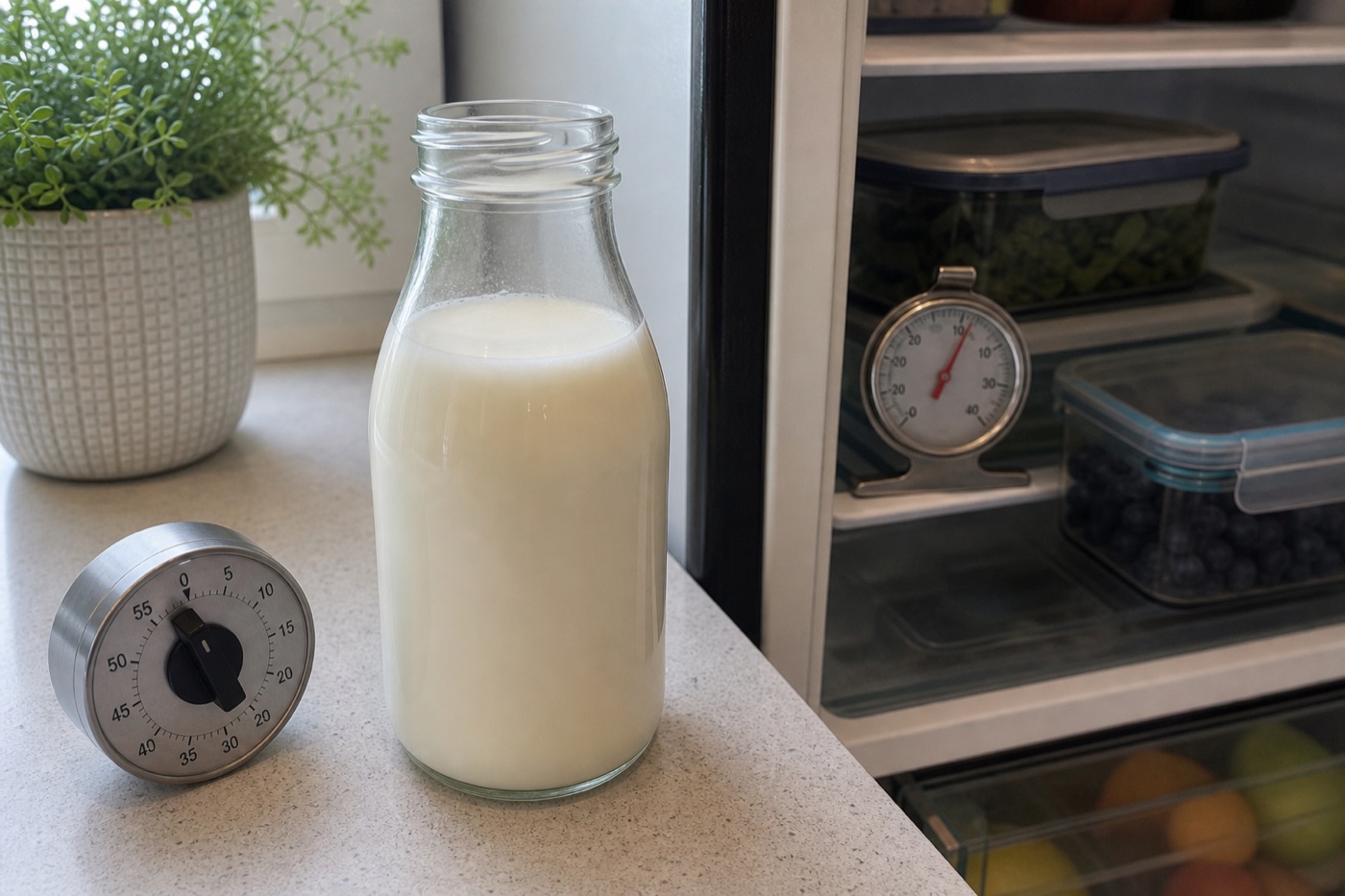
Refrigerated milk should not stay out longer than 2 hours. If the room or outdoor temperature is above 90 degrees F, use 1 hour.
Continue Reading
Yes, you can freeze cooked chicken if it was cooled and stored safely. Freeze it within 3 to 4 days and reheat leftovers to 165 degrees F.
Continue Reading
The article provides tips on how to smoke and grill brats. It recommends choosing uncooked, raw brats with a well balanced lean to fat ratio. Cooked brats are pre boiled and may have diluted…
Continue Reading
Let brisket rest long enough for easier slicing and juicier meat, but keep food safety timing in mind if it is not held hot.
Continue Reading
Raw crab meat is not a safe home shortcut. Cooking crab and keeping raw seafood juices away from ready to eat foods are the safer choices.
Continue Reading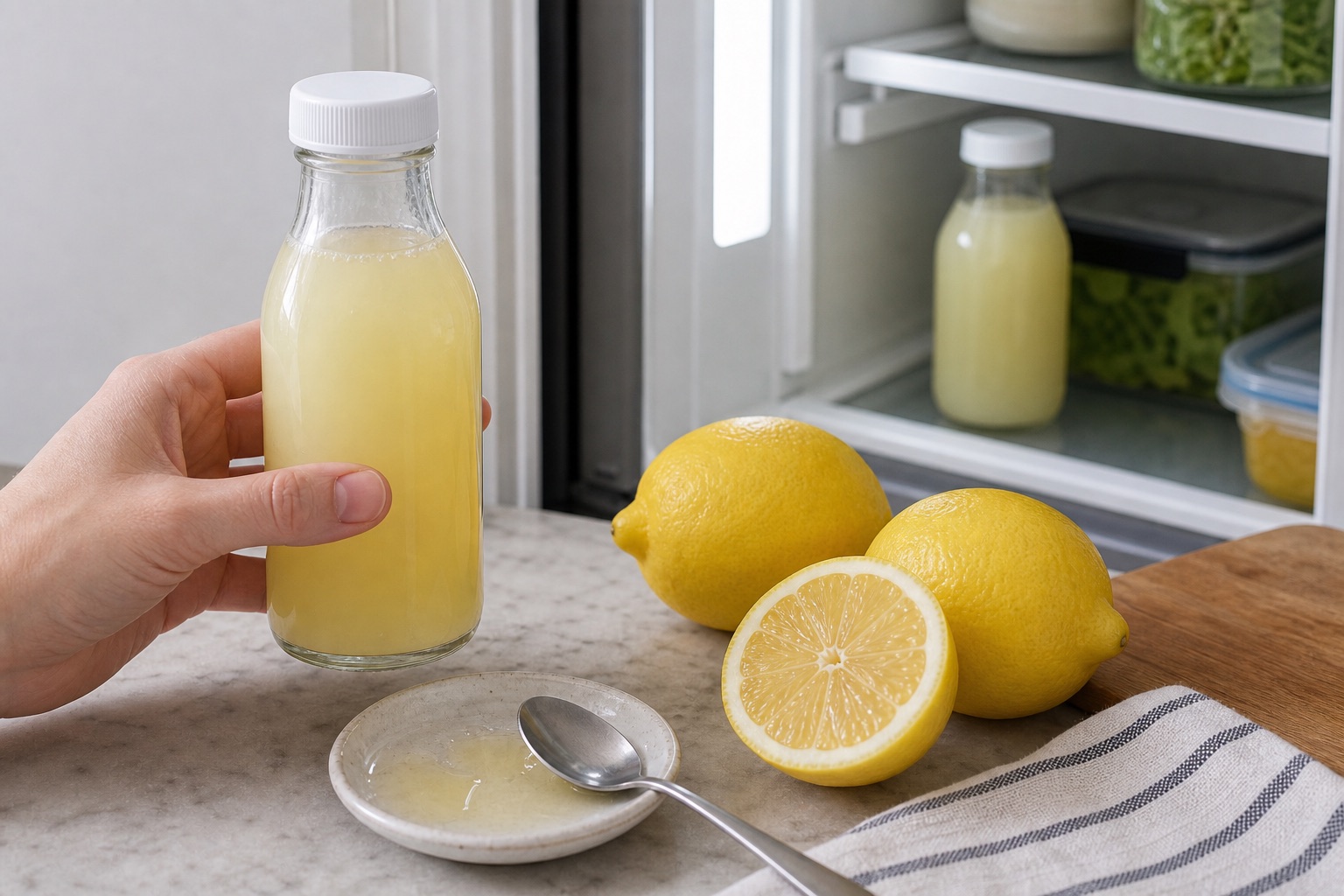
Yes, lemon juice can go bad. Fresh juice spoils fastest, bottled juice lasts longer, and opened bottles should be kept covered and refrigerated.
Continue Reading
For refrigerated eggs in the United States, eggs left out overnight are not safe to eat. Discard them instead of putting them back in the fridge.
Continue Reading