Exploring Exotic and Enchanting Fruits: Essential Facts

– Emu Berry fruit, also known as Muntries
– Enterprise Apple
– Evergreen Huckleberry, also known as California Huckleberry
– Eggplant
– Elephant Apple (Chalta)
– Etrog
– Elderberries
– Emu Apple Fruit, also known as bush tomato
– Emblica
– European Pear
– Eastern Hawthorn Fruit, also known as mayhaw
– Egg Fruit, also known as canistel or yellow sapote
– Early Gold Mango
– Entawak, also known as snake fruit or salak
– Elands Sour Fig
– Ensete, also known as false banana
– Early Girl Tomatoes

Continue Reading

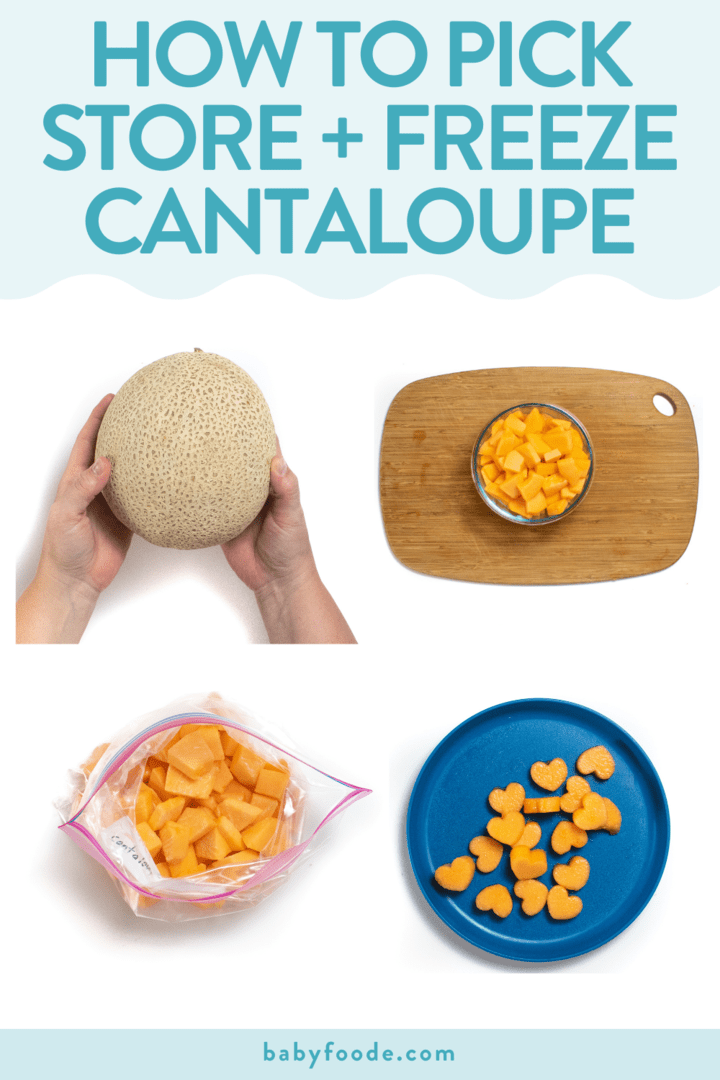
Can you freeze cantaloupe? Learn the best methods!

– Cantaloupe can be frozen
– Freezing cantaloupe extends its shelf life
– Steps to freeze cantaloupe: 1) Select ripe cantaloupe, 2) Cut into pieces or chunks, 3) Place on baking tray lined with plastic wrap, 4) Freeze for a few hours until solid, 5) Transfer to a freezer bag or container
– Cantaloupe cubes can be frozen using the same method
– Frozen cantaloupe can last up to 8 months in the freezer
– Frozen cantaloupe can be eaten, but it is best enjoyed thawed at room temperature or slightly chilled
– Frozen cantaloupe can be used in smoothies
– Frozen cantaloupe can be added to fruit salad
– Frozen cantaloupe can be used to make sorbet
– Frozen cantaloupe can be used in baked goods
– Frozen cantaloupe can be used as a base for smoothie bowls
– Frozen cantaloupe can be blended into ice cubes for drinks
– Ripe cantaloupes are best for freezing
– Cantaloupes should be washed and split in half before freezing
– Lemon juice can be added to maintain color and taste
– Cantaloupes can be cleaned with water and soap if soil is present
– Frozen cantaloupe can be stored in airtight containers or freezer bags
– Cantaloupe can be pureed and stored in ice cube trays and Ziplock bags
– Frozen cantaloupe can be kept for up to six months
– Cantaloupe is high in vitamins C and A, low in fat, and contains antioxidants and anti-inflammatory components
– Frozen cantaloupe is a nutrient-dense and low-calorie meal or snack

Continue Reading

Papaya Taste: Unveiling the Exotic Flavors and Health Benefits

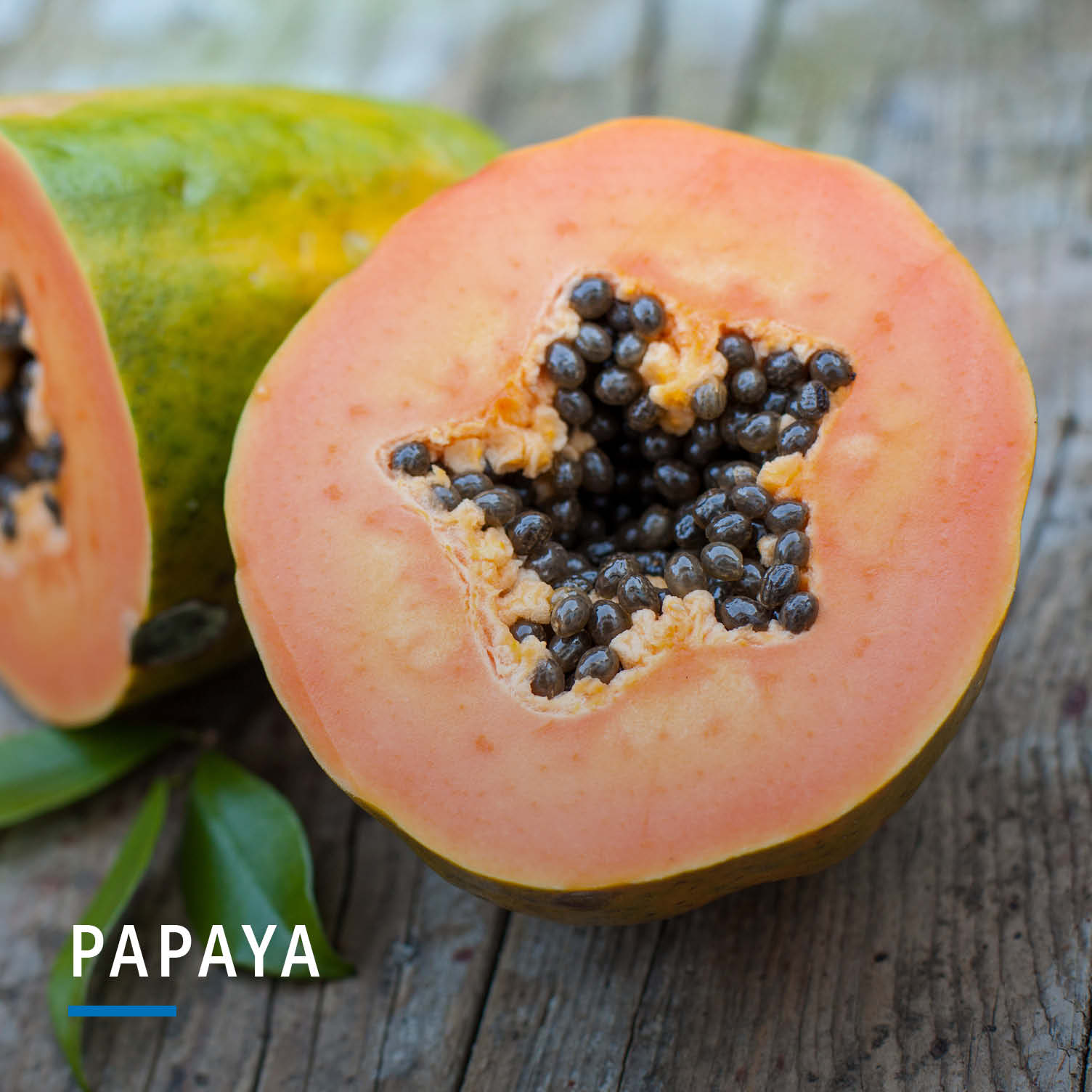
– Papaya is a tree-grown fruit found in tropical regions
– It has a pear-shaped appearance with green, yellow, or orange skin
– The flesh is orange with large round seeds
– The taste is mild and the sweetness varies with ripeness
– Papaya can be eaten raw or cooked and added to both savory and sweet dishes
– The seeds have a peppercorn-like flavor
– Papaya is used in chicken dishes, salads, stews, stuffings, salsas, chutneys, smoothies, frozen yogurt, and sorbets
– Papaya can be bought in the produce section of grocery stores year-round
– Ripe papaya should be stored in a plastic bag in the refrigerator, while unripe papaya should be stored in a cool, dry place
– Some people make tea from papaya tree leaves
– Papaya seeds can be used as a substitute for black pepper
– Papaya has several health benefits, including reducing the risk of Alzheimer’s disease and certain types of cancer. It also boosts the immune system, protects the heart, aids in lowering blood sugar for those with type 2 diabetes, fights inflammation, and helps protect the eyes. Additionally, papaya improves digestion and may lower the risk of colon cancer.’

Continue Reading

Fruit That Starts With C: Explore These Exotic Varieties!

– Cainito: A fruit native to the Caribbean and Central America, commonly known as star apple. It has a purple or green skin and a sweet, creamy flesh.
– Calamansi: A small citrus fruit native to the Philippines. It is commonly used as a condiment or flavoring agent in Filipino cuisine.
– Canary Melon: A large, bright yellow melon with a sweet, mild flavor. It is often eaten raw or used in fruit salads.
– Canistel: A fruit native to Central America and the Caribbean. It has a smooth, custard-like flesh with a sweet, apricot-like flavor.
– Cape Gooseberry: A small orange fruit with a tangy and slightly sweet flavor. It is commonly used in jams, desserts, and salads.
– Caqui: A tropical fruit grown in Asia, often referred to as persimmon. It has a sweet and slightly tangy flavor.
– Casimiroa: A fruit native to Mexico, also known as white sapote. It has a creamy, custard-like flesh and a sweet flavor.
– Cassabanana: A large, oblong fruit native to South America. It has a pulpy flesh and is often used in cooking and baking.
– Cattley Guava: A fruit native to South America, similar to guava but smaller and sweeter. It is often used to make jellies and jams.
– Cawesh: A fruit native to Central America, also known as zapote. It has a creamy texture and a sweet, tropical flavor.
– Changunga: A small yellow fruit with a sweet flavor, native to South America. It is often used in desserts and drinks.
– Cherry Plum: A small fruit with a sweet and tart flavor, similar to a cherry. It is commonly used in jams and preserves.
– Chokeberry: A small, tart fruit native to North America. It is often used in juices, jams, and baked goods.
– Cloudberry: A small orange fruit with a tart and slightly sweet flavor. It is commonly used in jams and desserts.
– Cocky Apple: A fruit native to Australia, also known as bush apple. It has a tart and slightly sweet flavor.
– Coffeeberry: A fruit native to North America, similar to a coffee bean. It has a bitter taste and is often used as a coffee substitute.
– Cumquat: A small citrus fruit that is eaten whole, including the peel. It has a sweet and tangy flavor.
– Cupuacu: A fruit native to the Amazon rainforest, similar to cacao fruit. It has a creamy, chocolate-like flavor.

Continue Reading

Fresh Dates: The Nutritional Powerhouse You Never Knew

List of pertinent information related to the keyword ‘fresh dates’:

– The company offers a range of healthy snacks made from high-quality dates, including gourmet dates, medjool dates, fresh dates, and other date derivatives.
– Fresh dates are not dried after harvesting and can be stored in cold rooms for several months.
– Some varieties of dates are also sold fresh.
– Dried dates are sun-dried and stored in jute bags.
– Medjool dates are a popular type of dried date, known for their sweet and juicy flavor.
– Dried dates have a higher concentration of minerals, vitamins, and sugar compared to fresh dates.
– The recommended daily portion for dried dates is 30g.
– Fresh dates have a higher water content and are more perishable than dried dates.
– Dried dates last longer.
– Dates are available from October to February.
– Dates can be bought online from Nuturally.com, an online shop for nuts and dried fruit with no added salt and sugar.
– The article discusses the health benefits of dried fruit and compares it to fresh fruit.
– Dried fruit, including dates, is considered one of the oldest fruits in the world.

Continue Reading

Discover the Nutritional and Health Benefits of Blueberry Seeds:

– Blueberries can be grown from seed indoors in late winter or early spring
– Seeds should be planted in 3-inch deep trays of Canadian Sphagnum Peat Moss or Premium Concentrated Seed Starting Mix
– Blueberry seeds are slow germinators and will take about 2-3 months to fully germinate
– Seedlings should be left in the peat moss until they are 3 inches tall, then transplanted into individual pots
– Young plants should be fed with a weak solution of Miracle Gro Acid Plant Food
– Blueberry plants will start producing berries when they are about 2 years old, but will not reach maximum berry yield until they are about seven years old
– The soil pH needs to be between 4.5-5.2 for the plants to produce berries
– Soils with higher pH levels can slow down plant growth and cause yellow foliage
– Pine needles and wood shavings can lower the pH level of the soil
– Planting blueberries in a raised bed or container can be a solution for high pH soil
– Blueberries require adequate water, especially in the first year of planting
– Highbush blueberry plants can grow up to 10 feet tall
– Flowers bloom from May to June and the fruits ripen in mid to late summer
– Ideal soil for blueberry plants is moist, high in organic matter, and well-drained
– Blueberry plants prefer acidic soil with a pH of 4.5 to 5.5
– Mulch around the roots and full sun to partial shade are beneficial for blueberry plants
– Blueberry trees are hardy in zones 3-9
– Pre-stratified blueberry seeds should be planted immediately
– A package of 50mg of seeds contains about 100 seeds and costs $5.95

Continue Reading

Do Kiwis Need to Be Refrigerated? The Definitive Answer

– Unripe kiwis should be stored at room temperature until they ripen
– Ripe kiwis last a couple of days at room temperature and over a week if refrigerated
– Unripe kiwis can be ripened faster by storing them in a ventilated bag with ethylene-producing fruit like apples, pears, or bananas
– Once kiwis ripen, they should be transferred to the refrigerator in a freezer bag or crisper drawer
– Storing unripe kiwis in the refrigerator slows down the ripening process and can make them last up to a month
– Kiwis should be refrigerated to make them last longer.
– Storing kiwis in a sealed bag or veggie drawer helps retain moisture and prevent premature water loss.
– Ripe kiwis can be stored at room temperature for a couple of days.
– Kiwis can also be frozen.
– Cut kiwis should be stored in an airtight container or bag in the refrigerator, with the exposed side touching the container.
– Wrinkly skin indicates old kiwis, so it’s better to choose ones without wrinkles when buying.
– Blemishes and soft spots are signs of overripe kiwis and should be avoided when choosing.
– The ripeness of kiwifruit can be checked by gently squeezing the fruit in the palm of the hand
– If the kiwifruit gives to slight pressure, like an avocado or peach, it is ready to eat
– Gold kiwifruit ripens from the inside out and gets sweeter as it gets softer
– Waiting until it gets a bit softer will result in a sweeter taste experience

Continue Reading