The Battle of Flavor: Adobada vs Al Pastor

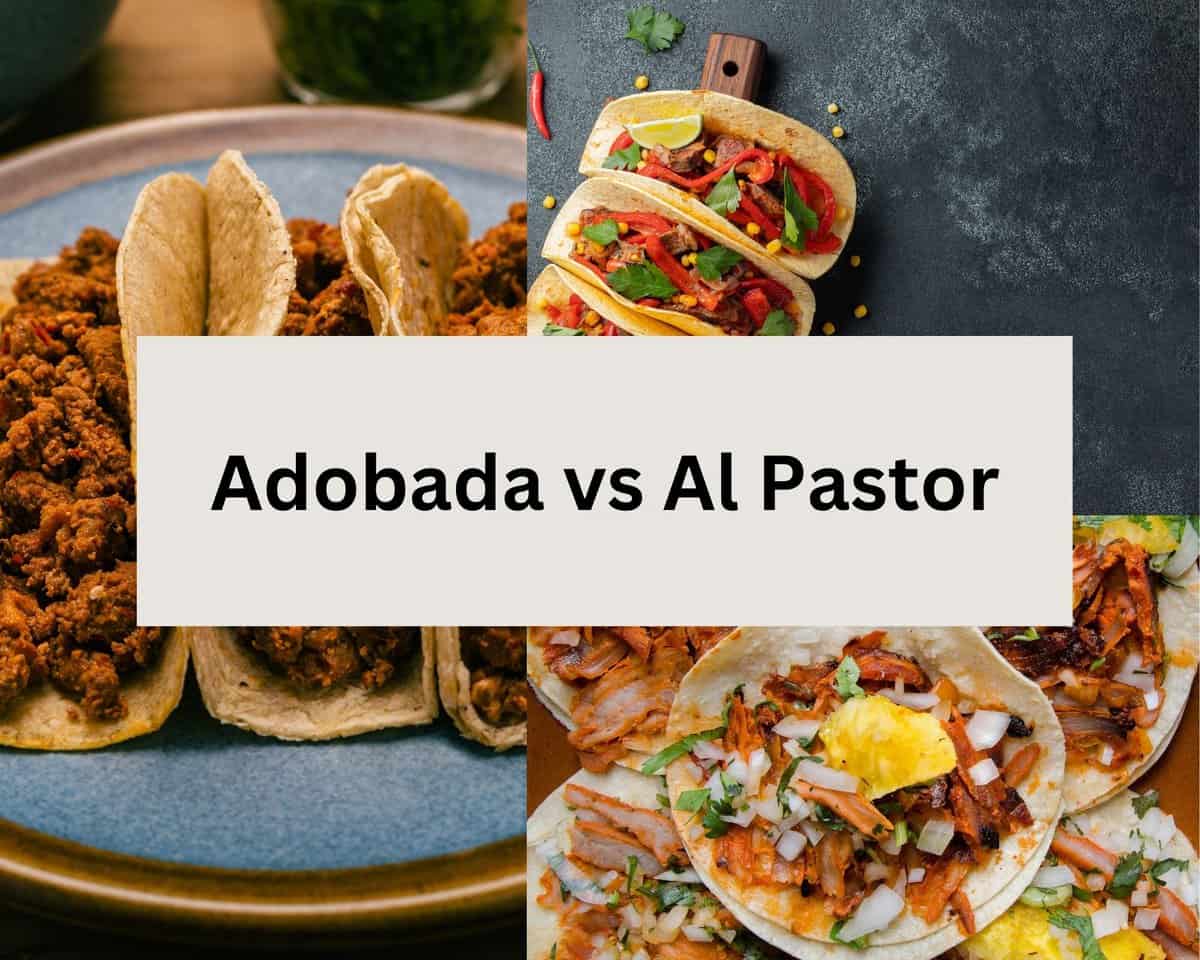
– Al pastor and carne adobada are both popular fillings for tacos
– Both refer to pork marinated in a mix of chiles, vinegar, and spices
– Al pastor is cooked on a vertical spit called a trompo
– Adobada is cooked on a grill or braised on the stove
– Al pastor meat is piled high on a trompo, rotates and chars, and is shaved off for tacos
– Pineapple is often added to al pastor tacos
– Oregano and achiote are the main spices used
– Other common spices for al pastor include cinnamon, cloves, allspice, and nutmeg
– Some areas in northern Mexico refer to al pastor as carne adobada
– Popular adobada recipes use pork shoulder
– Toasted chiles such as guajillo and ancho are blended with vinegar and oregano to make a paste for adobada
– Adobada can be served as tacos or with corn tortillas, and rice and beans can be served as accompaniments.

Continue Reading

Does queso fresco melt? How to use it in cooking!

– Queso fresco is a fresh cheese that can be crumbled and shredded.
– It has a sweet subtle milky flavor with a hint of tang.
– Queso fresco can be melted, although there is some debate about this.
– It is made from fresh cow’s milk.
– It can be used crumbled on top of food or melted and mixed into various recipes.
– It can be used in dishes such as enchiladas, tacos, elote, pizza, queso dip, quesadillas, fruit salad, and as a garnish on top of soup.
– When melted, queso fresco does not become creamy and smooth like other cheeses.
– It can be melted on the stove by grating or shredding it, then heating it with evaporated milk in a skillet or saucepan.
– The article provides tips on how to melt queso fresco cheese using a stovetop or a microwave.
– For the stovetop method, shredded queso fresco is added to steaming milk and continuously stirred until melted.
– Additional milk can be added for a thinner consistency.
– For the microwave method, the queso fresco is grated or shredded and microwaved in 1-minute intervals until fully melted.
– Milk can be added if needed for thinning.
– Concerns about queso fresco not melting properly are addressed, suggesting the use of shredded or grated cheese, adding milk or evaporated milk, and cooking for a longer time if necessary.
– Oaxaca cheese and queso blanco are good Mexican cheeses for melting.
– Queso fresco and mozzarella are not the same, with mozzarella being milder in flavor and better at melting.
– Queso fresco can be used on pizza.
– Various ways to use queso fresco cheese are discussed, including crumbled on pizza, tacos, salad, or melted as a dip or pour over rice.
– The article discusses whether queso fresco will melt well into a roux sauce for making mac and cheese.

Continue Reading

Masa Harina Substitute: Discover Authentic Flavors with Ease

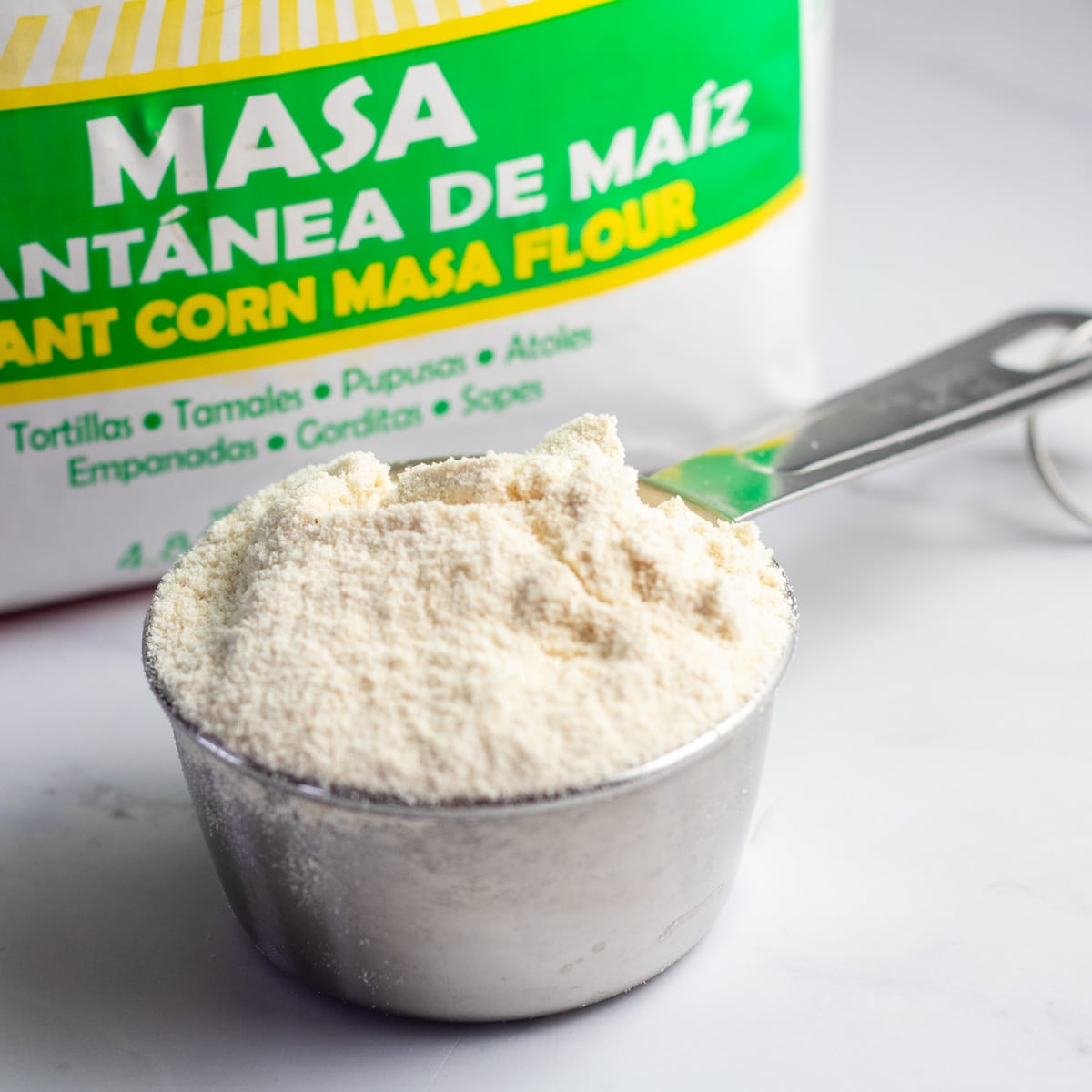
– Masa harina is a key ingredient in many traditional Mexican dishes
– Masa harina is also known as Mexican flour
– Masa harina is made from corn that is treated in limewater before being turned into flour
– Masa harina is used for thickening soups and sauces, as well as making corn tortillas, taco shells, and tamales
– Masa harina can be found in Latin American grocery stores and some mainstream grocery stores, and can also be ordered online from places like Amazon
– If masa harina is not available, there are 13 substitutes that can be used depending on the recipe. When looking for a substitute for masa harina, it is important to consider the purpose of the ingredient in the dish. Masa preparada, which is already prepared masa harina, can be used for making tamales and tortillas. Dried hominy, which is ground up whole hominy kernels, can be used in a 1:1 ratio as a substitute in any dish that calls for masa harina. Canned hominy, which is preserved in water, can also be ground up and used as a substitute in the same way as dried hominy. Corn grits, which can be made from hominy or milled corn, can be used as a substitute with a 1:1 ratio, but may need to be processed in a food processor for a finer texture. Cornflour, while made from corn, does not go through the same process as masa harina, so using it as a substitute will change the flavor of the dish slightly. This article discusses various substitutes for masa harina, a type of flour used in Mexican cuisine.
1. Corn Meal
2. Dry Polenta
3. Prepared Polenta
4. Corn Starch
5. Arrowroot Flour
6. Masa preparada
7. Dried hominy
8. Canned hominy
9. Corn grits
10. Corn tortillas
11. Corn tortilla chips
12. Taco shells
13. Tostada shells
14. Flour

Continue Reading

Tex Mex Paste: Unlocking the Secrets of Authentic Southwestern Cuisine

– The Tex Mex paste is a concentrated blend of pureed tomatoes, onions, and chili peppers combined with a six-spice blend.
– Recipe ideas include using the paste in marinades, creating a zesty sauce, and adding it to taco meat.
– Three recommendations for substitutes are given: tomato paste with chili powder, dry spice rub with chili powder, and pureed chipotles.
– The main ingredient in Tex Mex paste is fire-roasted tomato puree.
– Tex Mex paste is not sold individually by Hello Fresh, it is only available as part of a meal package.
– A copycat recipe for Tex Mex paste is provided, including a spice blend consisting of salt, chili powder, cumin, paprika, onion powder, coriander, and oregano.
– The paste can be refrigerated for 3-4 days or frozen for later use.
– The tex mex paste can be used as a marinade, sauce, and seasoning.
– Equipment needed includes a small or medium-sized food processor or blender, and an immersion blender (optional).
– The nutritional information per serving (100g) includes energy, calories, fat, saturated fat, carbohydrate, sugar, dietary fiber, protein, cholesterol, and sodium.
– The paste includes red chili pepper puree, onion puree, salt, soybean oil, sugar, tomato powder, chipotle chile, cocoa powder, garlic powder, and other natural flavors.
– The recipe involves roasting garlic, combining spices, pureeing garlic and onion, adding other ingredients in a pot, simmering for 15-20 minutes, using an immersion blender for smoother consistency, and allowing it to cool fully.
– The paste can be enjoyed with Tex-Mex recipes or stored in the refrigerator or freezer for later use.

Continue Reading

Longaniza vs Chorizo: Unveiling the Secrets of Sausage

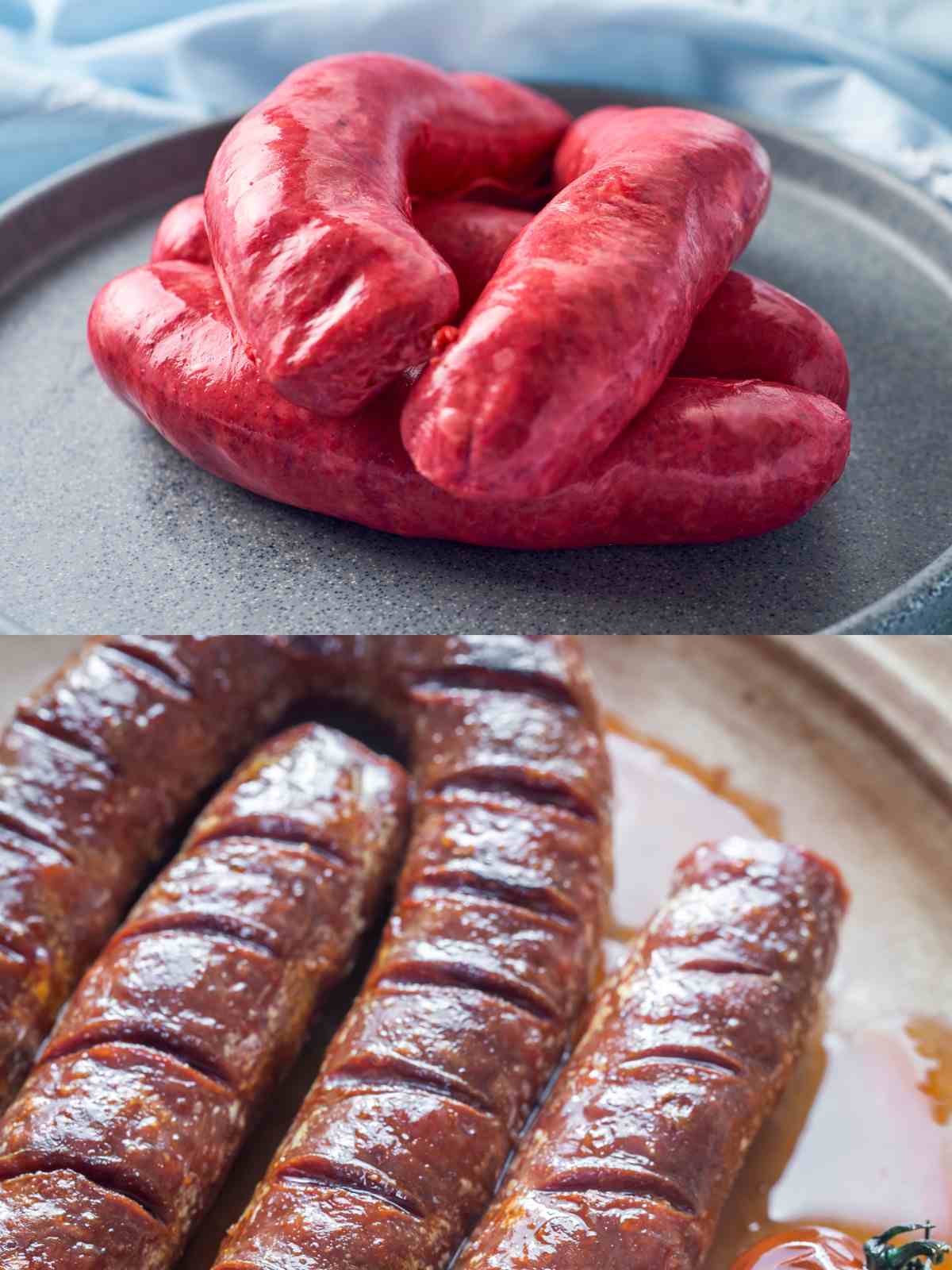
– Chorizo dates back to the 1500s when the Spanish conquistadors raised pigs to produce chorizo in Mexico.
– Longaniza and chorizo are two different foods that look and taste similar.
– Longaniza is made out of minced meat, while chorizo is made out of ground pork.
– Mexican chorizo is different than Spanish chorizo.
– Longaniza is spiced with black pepper, while chorizo is spiced with paprika.
– Chorizo has a smoky and rich taste, while longaniza is sweeter and more aromatic.
– Longaniza has a thinner texture compared to chorizo.
– Both sausages are made with ground pork and flavored with garlic, salt, and regional spices.
– While they can be used interchangeably in most cases, one may work better for certain recipes or food combinations.

Continue Reading

Corn Tortilla Quesadilla: A Mouthwatering Guide to Authentic Mexican Cuisine

– This article is a recipe for an Easy Corn Tortilla Quesadilla, which can be made in 15 minutes or less.
– It is a crispy tortilla filled with cheese and a flavorful filling, perfect for using leftover taco meat or shredded chicken.
– The author recommends using corn tortillas and a melty cheese like Oaxaca cheese, Monterey Jack, Colby Jack, or cheddar.
– The secret to a crispy quesadilla is to brush the griddle or skillet with oil and brush the top of each tortilla with oil before flipping.
– Optional toppings include salsa, sour cream, or guacamole.
– The tortillas shrink slightly while cooking but become uniform once both sides are cooked.
– The recipe is customizable based on personal preferences. The article provides information and tips on making corn tortilla quesadillas. It suggests using an electric pancake griddle to cook the quesadillas, and recommends cutting them into equal pieces for serving as an appetizer.
– Quesadillas are described as a super-easy weeknight meal and are recommended to be served with salsa or sour cream.
– The recipe is described as a crowd-pleasing vegetarian meal that is packed with fiber and is hearty enough for meat lovers.
– It is stated that the quesadillas can be made in under 20 minutes after the caramelized onions are done.
– The recommended tortillas are the tiny “street taco” size, but any size can be used. Both white corn and yellow corn tortillas are suitable.
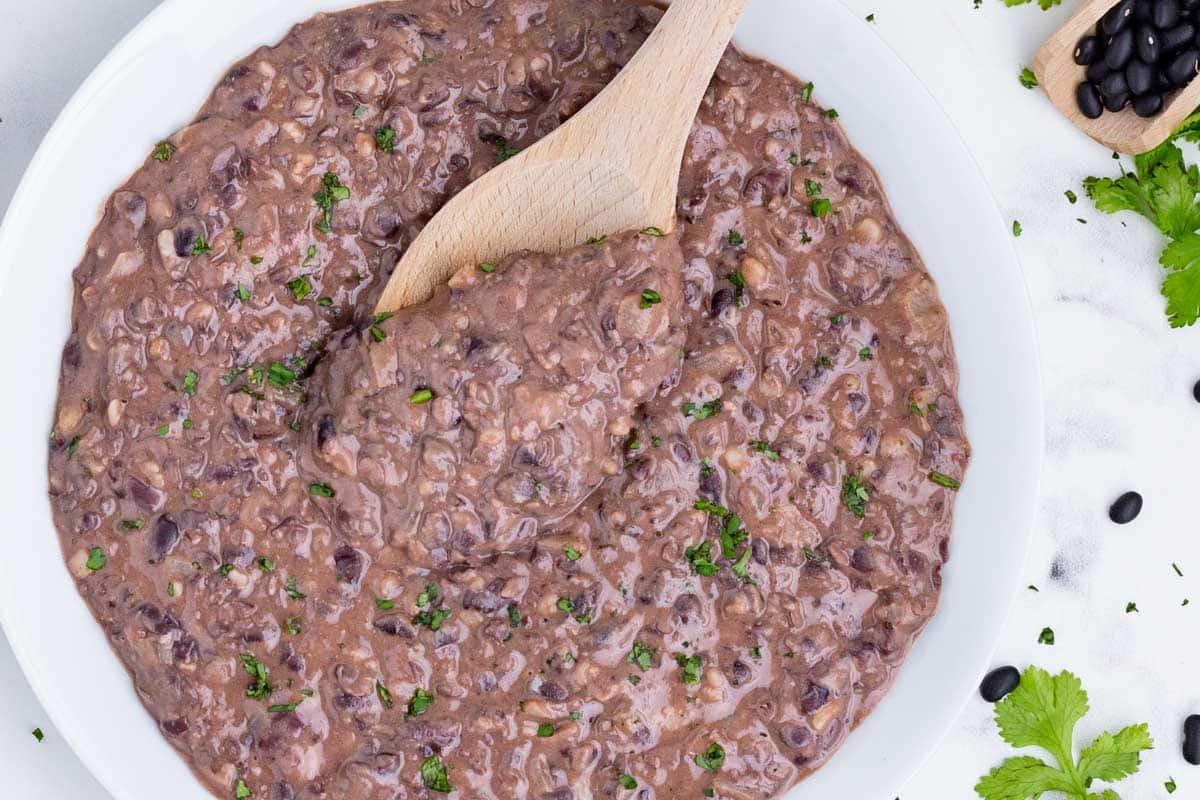
– Black beans are recommended for the recipe, but other beans or refried beans can be used.
– Spinach can be used, but needs to be fully thawed and drained to prevent the quesadillas from getting soggy. Fresh spinach can also be used by sautéing it first to wilt it and remove extra moisture.
– Cheese is an ingredient and the article suggests using pre-shredded Mexican cheese packages or grating your own. Monterey Jack and Colby or Cheddar Cheese are recommended, or Pepper Jack for a spicier quesadilla.
– The article provides step-by-step instructions for making the quesadillas, including caramelizing onions in oil and butter and then heating a skillet or griddle to cook the quesadillas.
– The article provides tips and suggestions for making quesadillas using corn tortillas. It suggests cutting large corn tortillas in half to make half-circle quesadillas or folding one side of the tortilla over to create a half-circle shape. The recipe uses a combination of butter and oil for cooking, but either can be used individually. It recommends using a thin layer of oil or butter to avoid making the quesadillas soggy. Leftover meats like shredded chicken or bacon can be added as fillings, or the quesadilla can be made with just cheese. Baked corn tortilla quesadillas are suggested as an alternative for cooking for a crowd.
– The article provides a recipe for corn tortilla quesadillas. Here are the important facts, stats, and figures:
– Servings: 4
– Prep Time: 5 minutes
– Cook Time: 45 minutes
– Total Time: 50 minutes
– Ingredients:
– 2 large onions, peeled and sliced
– 2 ½ tablespoons vegetable oil, divided
– 2 ½ tablespoons butter, divided
– ½ can black beans, rinsed and drained
– 12 ounces frozen spinach, thawed
– 24 4-inch corn tortillas
– 2 cups shredded Mexican cheese (8 ounces)
– Optional toppings: salsa, sour cream, cilantro
– Steps:
1. Cook sliced onions in oil and butter until soft and golden brown.
2. Heat a skillet and melt butter in it. Place corn tortillas in the skillet.
3. Add black beans, caramelized onions, spinach, and cheese on each tortilla. Cover with a second tortilla.
4. Cook until the bottom tortilla is crispy and cheese is almost melted. Brush the top tortilla with oil and flip to cook the other side.
5. Serve the quesadillas with optional toppings.
– Expert Tips: Corn tortillas may be cut in half or folded over to make quesadillas. Baked corn tortilla quesadillas can be an alternative. Leftovers can be reheated on a skillet or in an air fryer.
– The article is a recipe for a vegetarian quesadilla made with a microwave. The nutrition information provided is as follows:
– Yield: 4 servings
– Serving Size: 1 quesadilla
– Calories: 642
– Total Fat: 35g
– Saturated Fat: 15g
– Trans Fat: 1g
– Unsaturated Fat: 17g
– Cholesterol: 73mg
– Sodium: 577mg
– Carbohydrates: 60g
– Fiber: 13g
– Sugar: 5g
– Protein: 26g
– The article also encourages Instagram users to share their results by tagging @vanillabeancuisine or using the hashtag #vanillabeancuisine.

Continue Reading

Pasilla vs Poblano: Unraveling the Pepper Puzzle A Comparative Culinary Exploration

– Pasilla peppers are dried chilaca peppers that are long, thin, and dark brown or black in color.
– Poblano peppers are large and heart-shaped, similar to bell peppers. They are typically used fresh and have a mild to medium heat level.
– Dried poblano peppers are called ancho chiles and have a sweeter, smokier flavor than pasilla peppers.
– Pasilla and poblano peppers are sometimes mislabeled or confused with each other at supermarkets.
– Pasilla peppers are native to Mexico and grown in the central and southern regions of the country.
– They are also known as chile negro or chile pasilla, meaning “little raisin” in Spanish.
– Pasilla peppers are long and thin, growing up to 20 cm in length, with a curved shape and a tapered end.
– When fresh, they have a deep green color, but when dried, they turn dark brown or black.
– Pasilla peppers have a rich, smoky flavor with a mild to medium heat level.
– They are less spicy than jalapeño peppers but hotter than bell peppers.
– Pasilla peppers are often used in sauces, stews, soups, and mole sauce.
– They are a staple ingredient in Mexican cuisine and used in enchiladas, tamales, and chiles rellenos.
– Pasilla peppers are low in calories and high in nutrients, including vitamin C.
– Poblano peppers are large, heart-shaped peppers that are mild in heat.
– Poblano peppers are commonly used in Mexican cooking, particularly in the state of Puebla.
– Poblano peppers have a Scoville rating of 1,000 to 1,500.
– They are often used in dishes such as chiles rellenos and mole sauces.
– Substitute options for poblano peppers include bell peppers and Anaheim peppers.
– Both peppers can add depth and complexity to dishes.
– Both pasilla and poblano peppers can be used in soups, sauces, salsas, and stuffing.
– Poblano peppers have a sweet and earthy flavor with a fruity undertone.
– Pasilla peppers have a smoky and meaty flavor with a hint of fruitiness.
– Poblano peppers have a mild heat level, while pasilla peppers have slightly higher heat.
– Poblano peppers have a crunchy texture, while pasilla peppers have a slightly chewy texture.
– Poblano peppers have a bright green color, while pasilla peppers are dark brown or black when dried.
– Pasilla peppers can be substituted for poblano peppers, but adjustments may need to be made due to differences in heat and flavor.
– Dried ancho peppers can be used as a substitute for pasilla peppers.
– Anaheim peppers and bell peppers can be used as substitutes for poblano peppers.
– Heat tolerance varies from person to person.
– When substituting peppers, adjust the amount used based on desired heat level.
– Both pasilla and poblano peppers are used for their flavor rather than their heat in Mexican cuisine.

Continue Reading

The Ultimate Tamale Steamer Pot: A Guide

Tamale Steamer Pot
– Excellante 40 quart Aluminum steamer basket for stock pot ($78.54)
– Tamale Steamers or Tamale Cookers
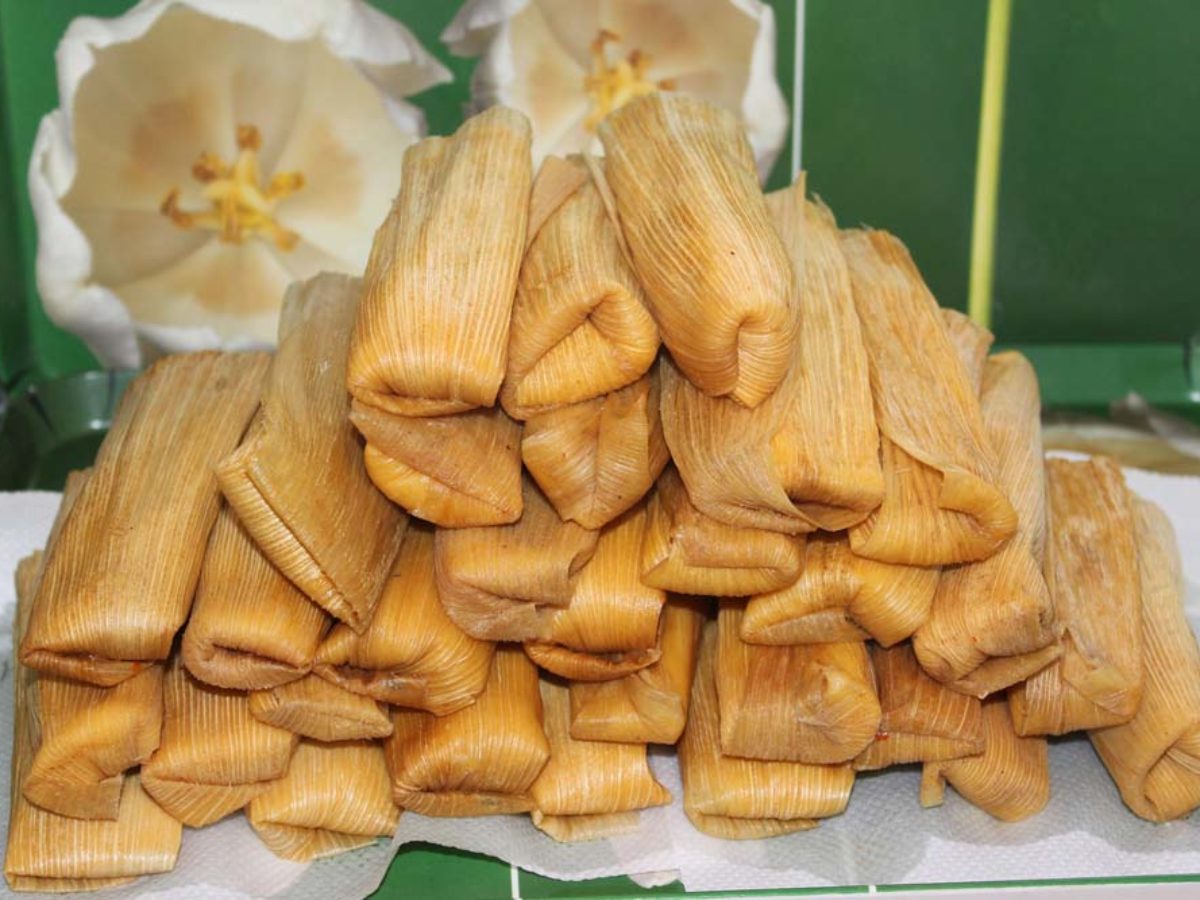
– Steaming as the most common way to prepare tamales
– Water should not touch the tamale rack
– Tamales positioned on the rack with enough room for expansion
– Steamer covered, brought to a boil, and then steamed for approximately two hours
– Water level should be checked frequently
– Checking if tamales are done by removing a tamale from the steamer and peeling back the husk
– MexGrocer.com offers stainless steel and enamel tamale steamers
– MexGrocer.com also offers a masa spreader for easy dough spreading
– MexGrocer.com has gift suggestions and gift packs for those interested in learning to make tamales

Continue Reading

Buche Tacos: A Mouthwatering Journey into Authentic Mexican Cuisine

List of pertinent keywords:
– Offal dishes
– Pork stomach tacos
– Beef tripe
– Cleaning a pig stomach
– Mexican restaurant
– Family-run restaurant
– Teenage boy
– Cash register
– Younger sister
– Pre-prepped items
– Chiles rellenos
– Tamales
– Stewed fillings
– Griddled tacos
– Fresh ingredients
– Technique
– Simple atmosphere
– Chipped plates
– Formica tables
– Fluorescent lights
– Homesickness
– Palate development
– Comfort in eating offal
– Pork neck
– Lamb’s tongue
– Head meat
– Grilled pork trotters
– Seafood soup
– Tilapia
– Catfish
– Ethnic joints
– Cooking for friends
– Serious Eats family
– Mole
– Tomatillo sauce
– Salsa
– New York City

Continue Reading