
How to Store Radishes
Store radishes in the refrigerator with the greens removed. Keep the roots in a plastic bag or covered container and use the greens sooner.
Continue Reading
Store radishes in the refrigerator with the greens removed. Keep the roots in a plastic bag or covered container and use the greens sooner.
Continue Reading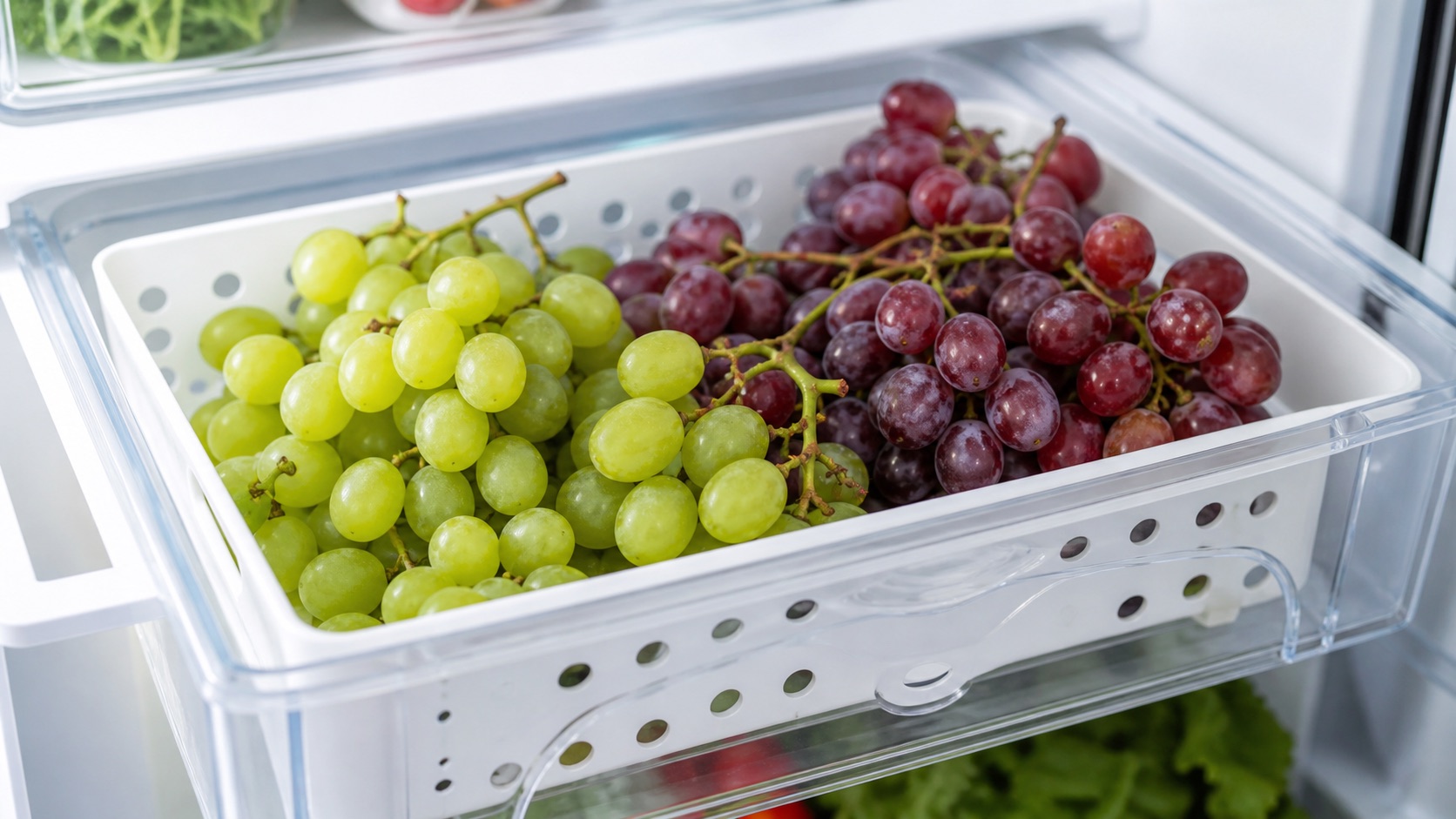
Store grapes unwashed, dry, and refrigerated in a ventilated container. Wash them just before eating, remove spoiled grapes, and freeze clean dry grapes for snacks.
Continue Reading
Cucumbers are crisp, watery, and usually eaten raw. Zucchini is a tender summer squash with a mild flavor that is usually cooked but can also be eaten raw.
Continue Reading
Wash grapes under cool running water right before eating or using them. Sort out damaged fruit, rub the clusters gently, drain well, and dry with a clean towel.
Continue Reading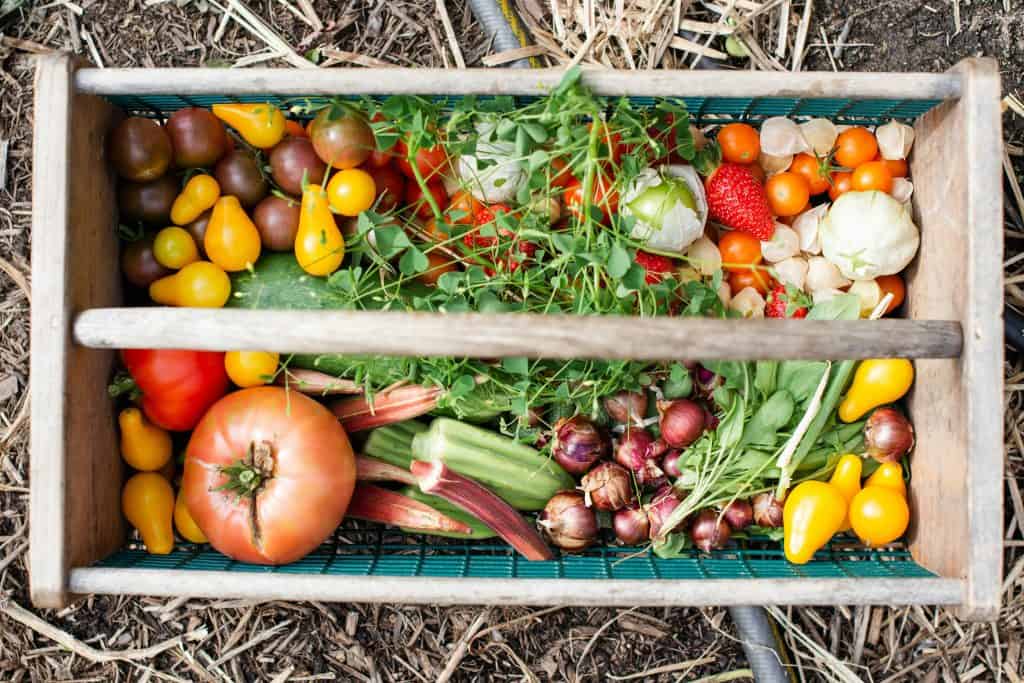
2 Tier Metal Wire Fruit Basket with a Banana Hanger Detachable basket Designed for kitchen countertops Price of $25.98 Guide on how to make a vegetable Easter basket Vegetable Easter basket as a centerpiece…
Continue Reading
Carrots do go bad. Discard carrots that are slimy, moldy, mushy, sour smelling, or leaking; limp carrots may still be usable if they are otherwise sound.
Continue Reading
A bad onion may be soft, slimy, moldy, leaking, sour smelling, or badly sprouted. Store whole onions dry and ventilated, and refrigerate cut onions.
Continue Reading
Bad pineapple usually shows more than normal ripeness. Check for mold, leaking juice, a fermented smell, very soft wet spots, slimy cut flesh, or unsafe time after cutting.
Continue Reading
You can freeze eggplant, but raw eggplant usually turns spongy after thawing. Blanch plain slices or freeze cooked eggplant for better texture.
Continue Reading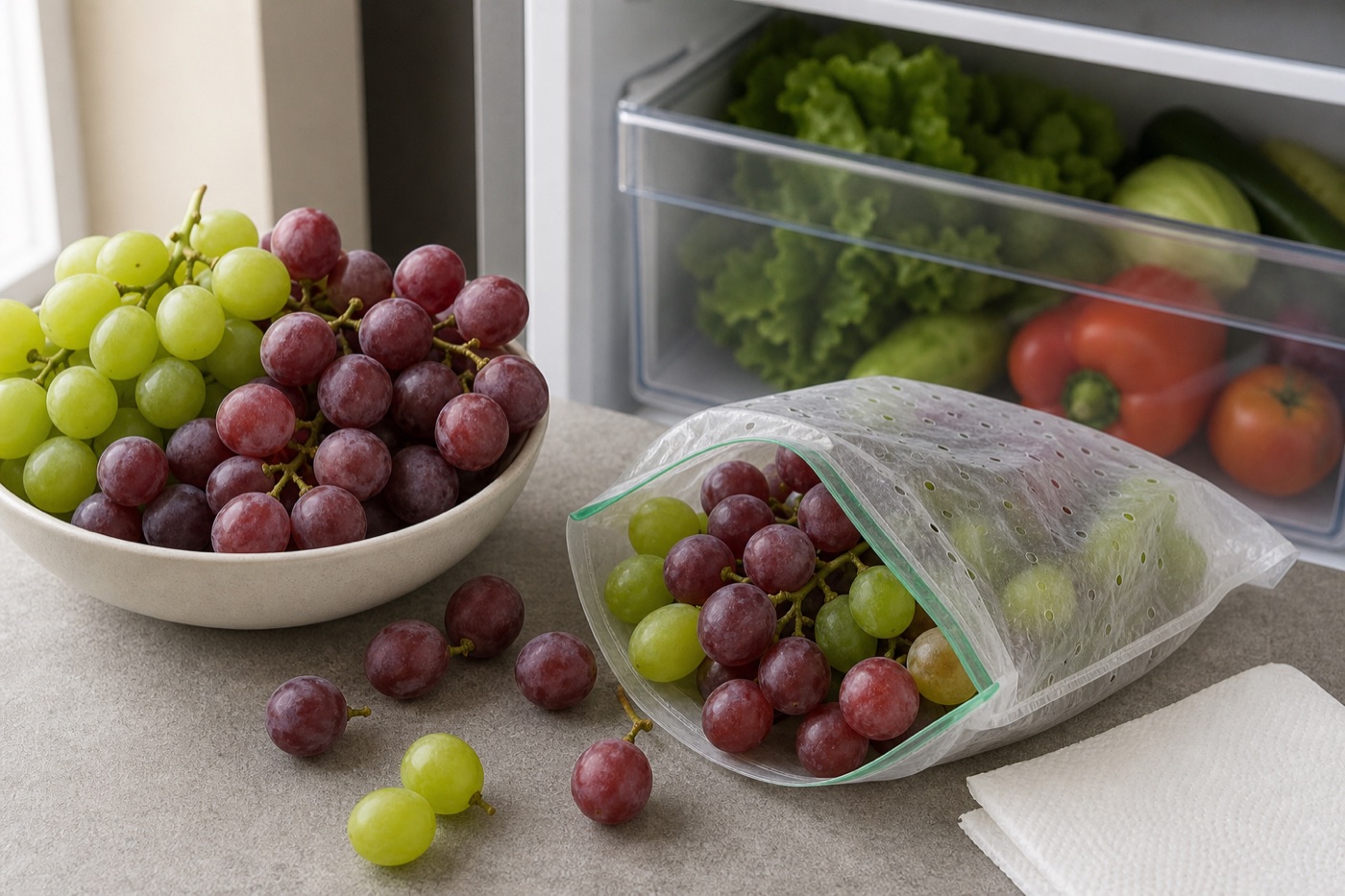
Grapes stay freshest in the refrigerator. Keep them dry, unwashed, and ventilated until you are ready to eat them, then wash under running water before serving.
Continue Reading