What Does Eel Taste Like? A Dive into Flavor Profiles of Eel Dishes
– Eels have a sweet taste and are often compared to salmon, lobster, octopus, catfish, or chicken.
– Eel can be affected by how it is cooked and the amount of spices used.
– The texture of eel depends on how it is cooked, with deep frying making the meat crisp and crunchy and boiling making it soft.
– Freshwater eels are softer in texture compared to saltwater eels.
– Smoked eel tastes similar to other smoked fish and is categorized as oily fish.
– Smoked eel is high in omega-3s and antioxidants.
– Eel sauce can have different flavors such as sweet, salty, or smoky.
– Electric eels are not true eels, but are classified as carps and catfishes.
– Electric eels can generate up to 600V of electricity and are efficient predators.
– Different kinds of edible eels include jellied eel, unagi, kabayaki, and Jangeo-gui (grilled freshwater eels).
– Pregnant women can eat eels in moderation and may benefit from their high vitamin and protein content.
– Eels are considered a delicacy in different cultures and have a mild and soft taste.
– Freshwater eels have a soft to medium-firm texture and taste like a combination of lobster and chicken.
– Freshwater eels have a rich flavor and a little bit of toughness, similar to lobster.
– European eels are a variety of freshwater eel with small fins and a snake-like body.
– Saltwater eels have tougher meat and thicker skin compared to freshwater eels.
– Saltwater eels have a blander taste with slight sweetness compared to freshwater eels.
– Saltwater eels are not as oily as freshwater eels.
– Eel blood is dangerous to humans, so eel is always served cooked.
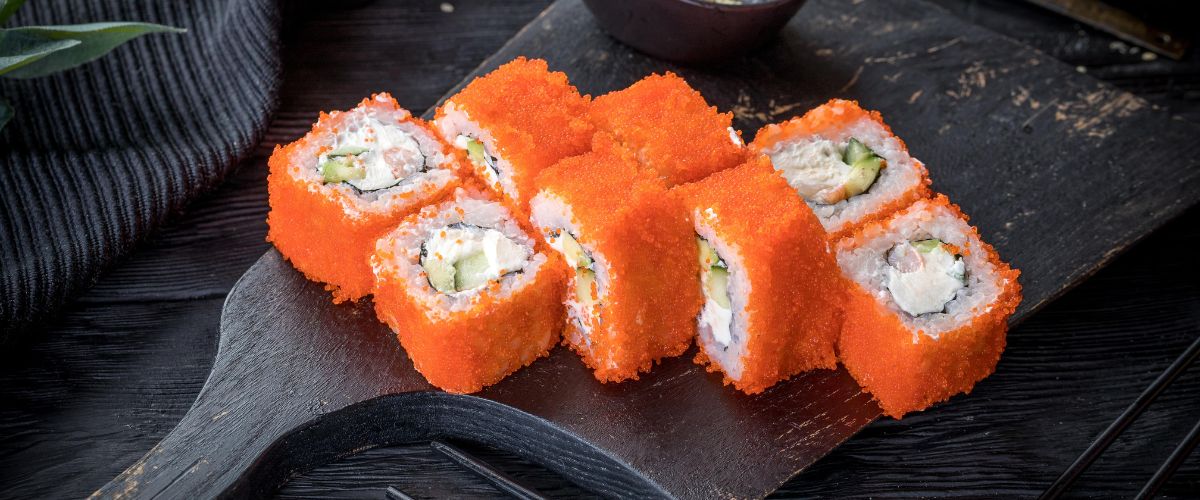
– Eel is a popular ingredient in Japanese cuisine, particularly in sushi.
– Different types of eel used in sushi include freshwater eels (unagi) and saltwater eels (anago).
– Eel can be served with avocado or cucumber to enhance the flavor.
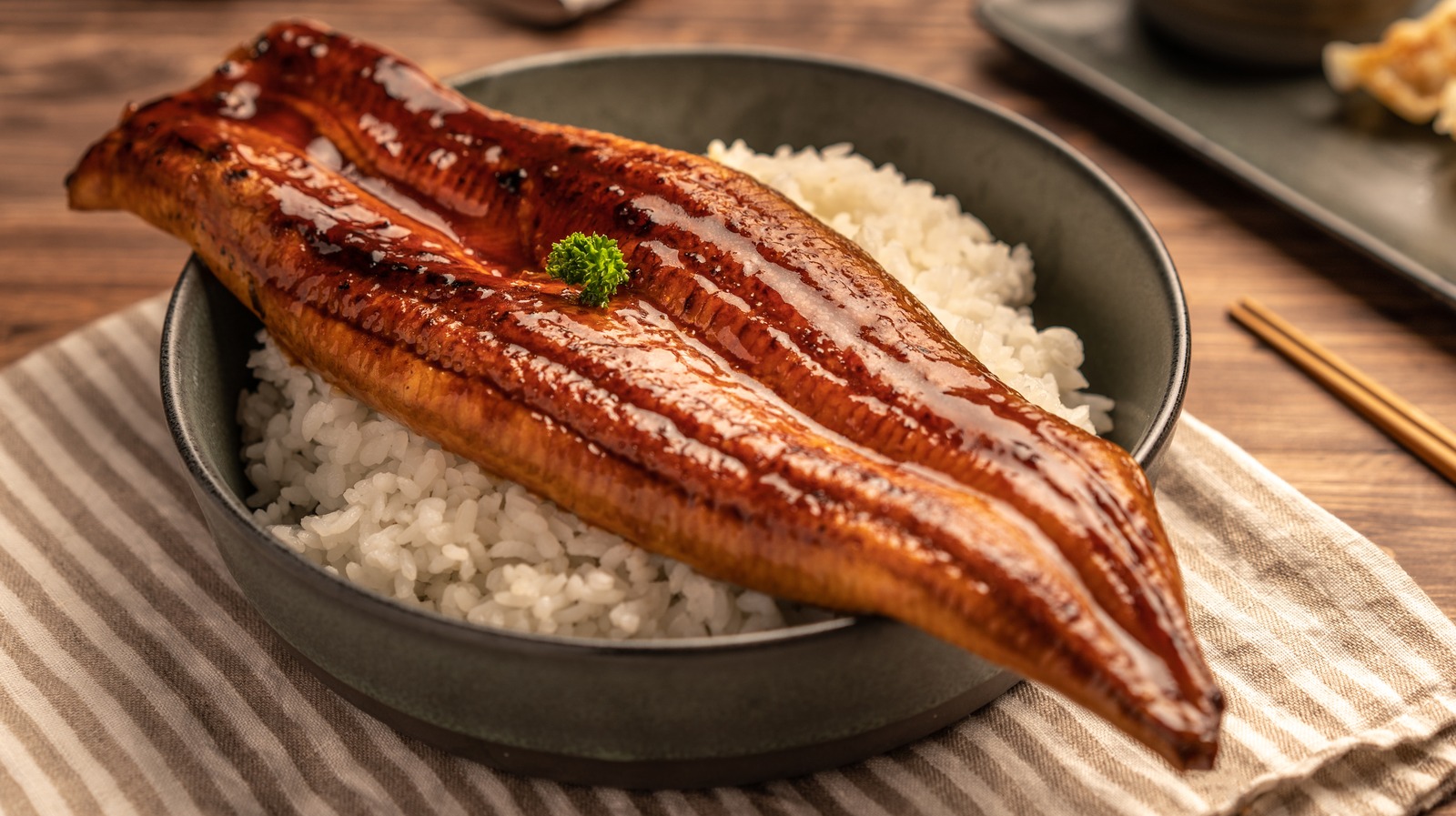
– Unadon is a popular Japanese dish made with grilled eel served with steamed rice and glazed with soy sauce and caramel.
– Jellied eels are a traditional English dish made from boiled and chilled freshwater eels.
– Some people find jellied eels not delicious and hard to swallow.
– In Belgium, boned eels are simmered with herbs and seasoned with butter and salt to make a dish called Paling in’t Groen.
– Smoked eel is popular in many countries, including Australia and Europe.
– Eel is rich in nutrients such as calcium, magnesium, potassium, manganese, zinc, iron, vitamin A, omega-3 fatty acids, and phosphorus.
– Consuming eel can improve skin, strengthen bones, protect the heart, improve blood condition, enhance the digestive system, and boost eye function.
– Eel has a high cholesterol content, with 257 mg of cholesterol per 200 grams.
– Eels are not recommended for those with high cholesterol problems.
– Eel contains mercury, so caution is advised for pregnant, breastfeeding women, and babies.
– Japanese people have the longest life expectancy, likely due to the nutritional benefits of eels.