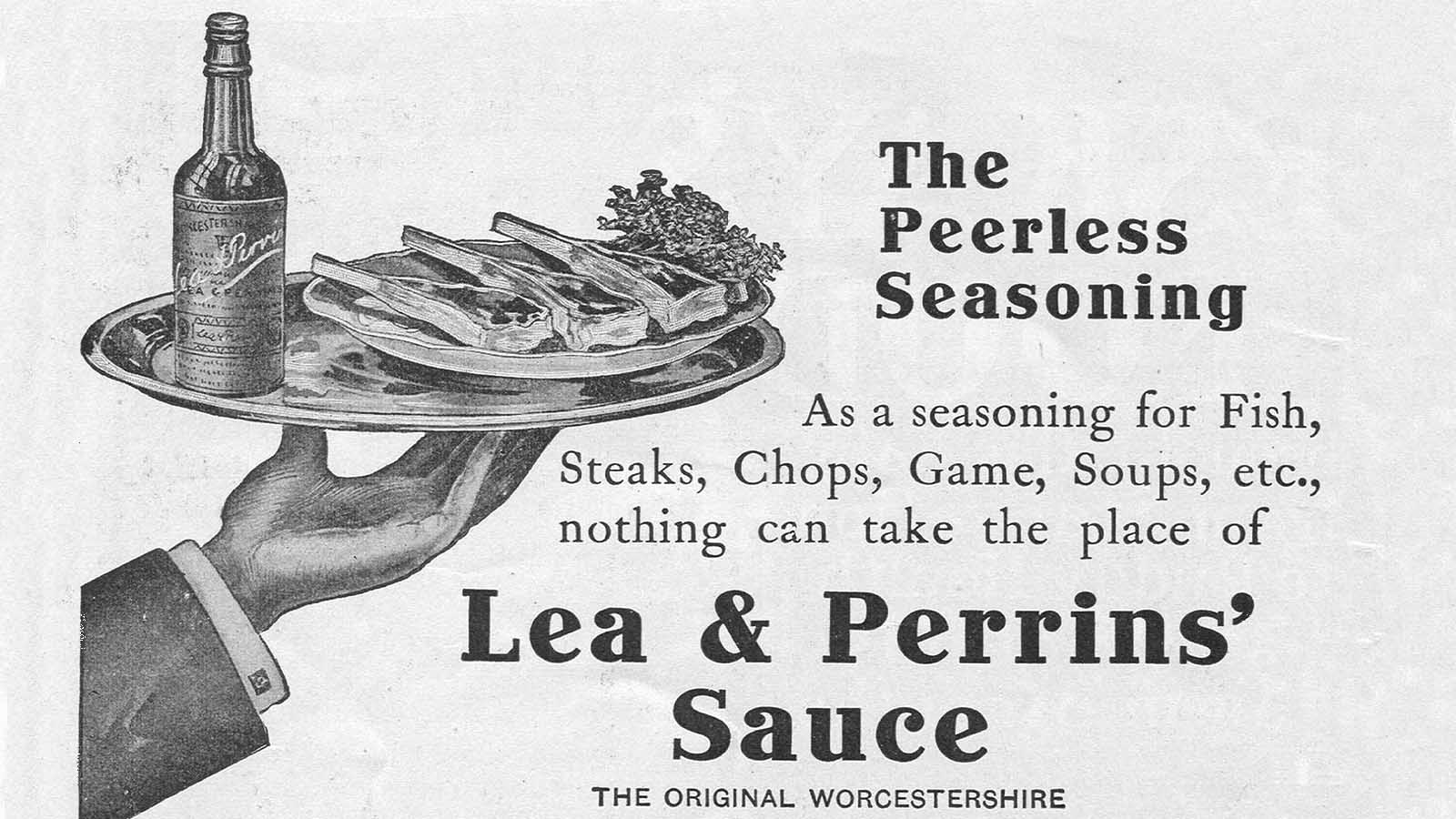
Does Worcestershire Sauce Go Bad? Unveiling the Truth

– The main ingredients of Worcestershire sauce do not require refrigeration.
– The shelf life of Worcestershire sauce is 1.5 to 3 years.
– An opened bottle of Worcestershire sauce can last for about a year in the pantry and up to 3 years in the fridge.
– Worcestershire sauce does not really go bad but its quality degrades slowly over time.
– The taste may not be great if a bottle is opened after 10 years, but it could still be good.
– Once opened, the sauce starts to lose its quality slowly, and dishes flavored with it may not be as good as before.
– The general consensus is that an opened bottle of Worcestershire sauce stays best for about 2-3 years.
– If stored properly, Worcestershire sauce can last much longer.
– Sediment at the bottom of the bottle is normal and can be dissolved by shaking.
– If the sauce develops an unpleasant smell, signs of mold, or a buildup of gas, it should be discarded.

Continue Reading

How long do bagels last and the best storage tips for freshness!

How long do bagels last and how to store them:

– Bagels can go stale in a day if left out, but can stay fresh for about five days if stored in a sealed plastic bag.
– Freezing bagels can extend their lifespan for several months without much loss in flavor and texture.
– Placing bagels in a paper bag at room temperature can keep them fresh overnight, but they won’t last much longer than a day.
– For longer storage, place bagels in a plastic bag and expel as much air as possible. Store them at room temperature if eaten within a few days, otherwise freeze them.
– Defrost bagels by slicing them before freezing and toasting them in a toaster oven. Bagels should not be refrozen once defrosted.
– Bagels can last for 2-3 days at room temperature in an airtight container.
– Store-bought bagels can last for 3-5 days at room temperature, 5-7 days in the fridge, and 3 months in the freezer.
– Freshly made bagels at home last for 2 days at room temperature, 4-5 days in the fridge, and 3 months in the freezer.
– Bagels that are frozen from the store can last for 3 months or longer without a decline in quality.
– Storing bagels in the fridge may cause them to dry out more quickly. Bagels can be stored in the fridge in an airtight container for 5-7 days.
– Storing bagels in the fridge extends their shelf-life but may affect texture and flavor.
– Keeping bagels in the original paper bag or in an airtight container at room temperature is the best way to keep them fresh overnight.
– Bagels and bread should be stored in a cold, dry place with no direct sunlight or heat.
– Bagels can be frozen for up to 3 months by slicing them in half, wrapping each half in cling film or aluminum foil, and placing them in a labeled ziplock bag.
– The “expiry date” of bagels is debatable. Bagels do not technically expire due to their low moisture content and lack of fat.
– Bagels are best when eaten within a few days of baking.
– Bagels will begin to harden after a few days and the quality decreases quickly.
– Most bagels grow stale after 3 to 4 days of storage, and most people discard them at this point.
– Bagels can be revived by toasting them in a toaster oven or using a microwave-to-bagel trick.
– Bagels without preservatives may get moldy within a week or two.
– Mold growth, black spots, and an off smell indicate that bagels have gone bad and should not be consumed.
– Storing bagels in the fridge will make them last for up to a week.

Continue Reading

Unique Food That Starts with U: Uncovering Unknown Delicacies

– Ugli Fruit
– Umbrella Fruit (Ambrella)
– Udon Noodles
– Uthappam
– Ume
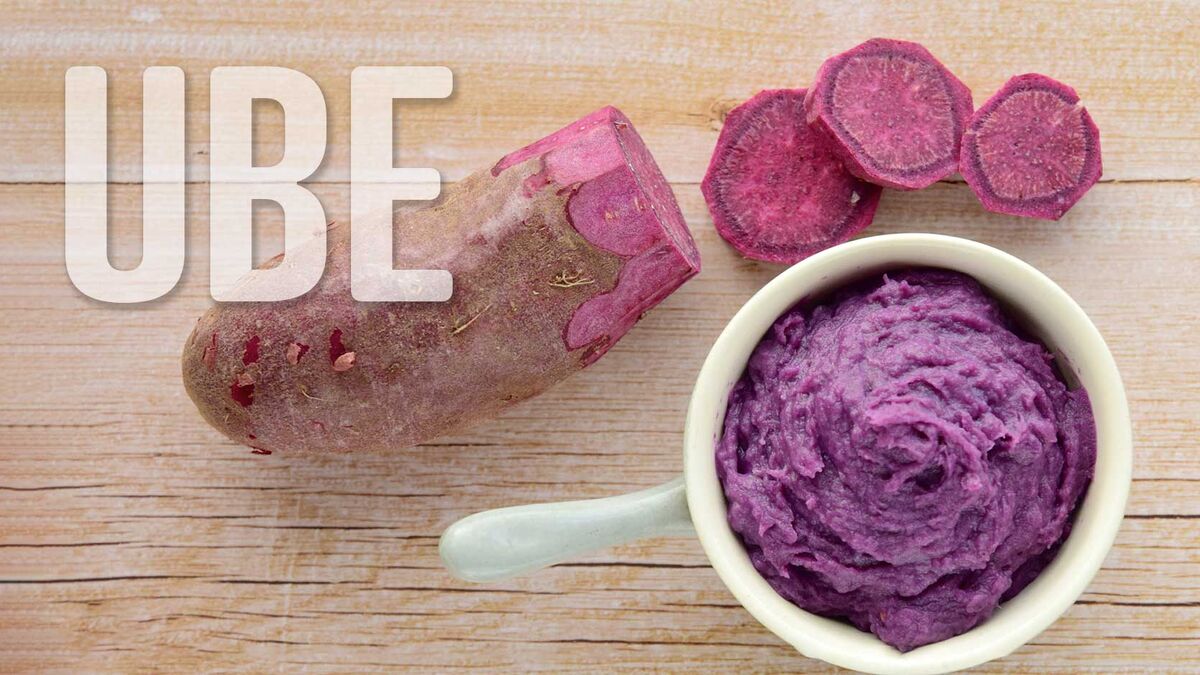
– Ube
– Ugni Fruit (Chilean guava)
– Ugali
– Utah Scones
– Upma
– Uszka (small dumplings filled with mushrooms)
– Umbricelli pasta
– Umeboshi
– Unagi (freshwater eel)
– Urgelia Cheese
– Urad Dal (split black lentils)
– Unani Medicine
– Uva Ursi (bearberry)
– Urfa Biber (dark, burgundy-colored pepper)
– Urda Cheese
– Ume Wine
– Ubatzda (cheese and beer dip)
– Unsweetened Chocolate
– Ulava Charu (horse gram lentil soup)
– Umble Pie
– Umbleberry

Continue Reading

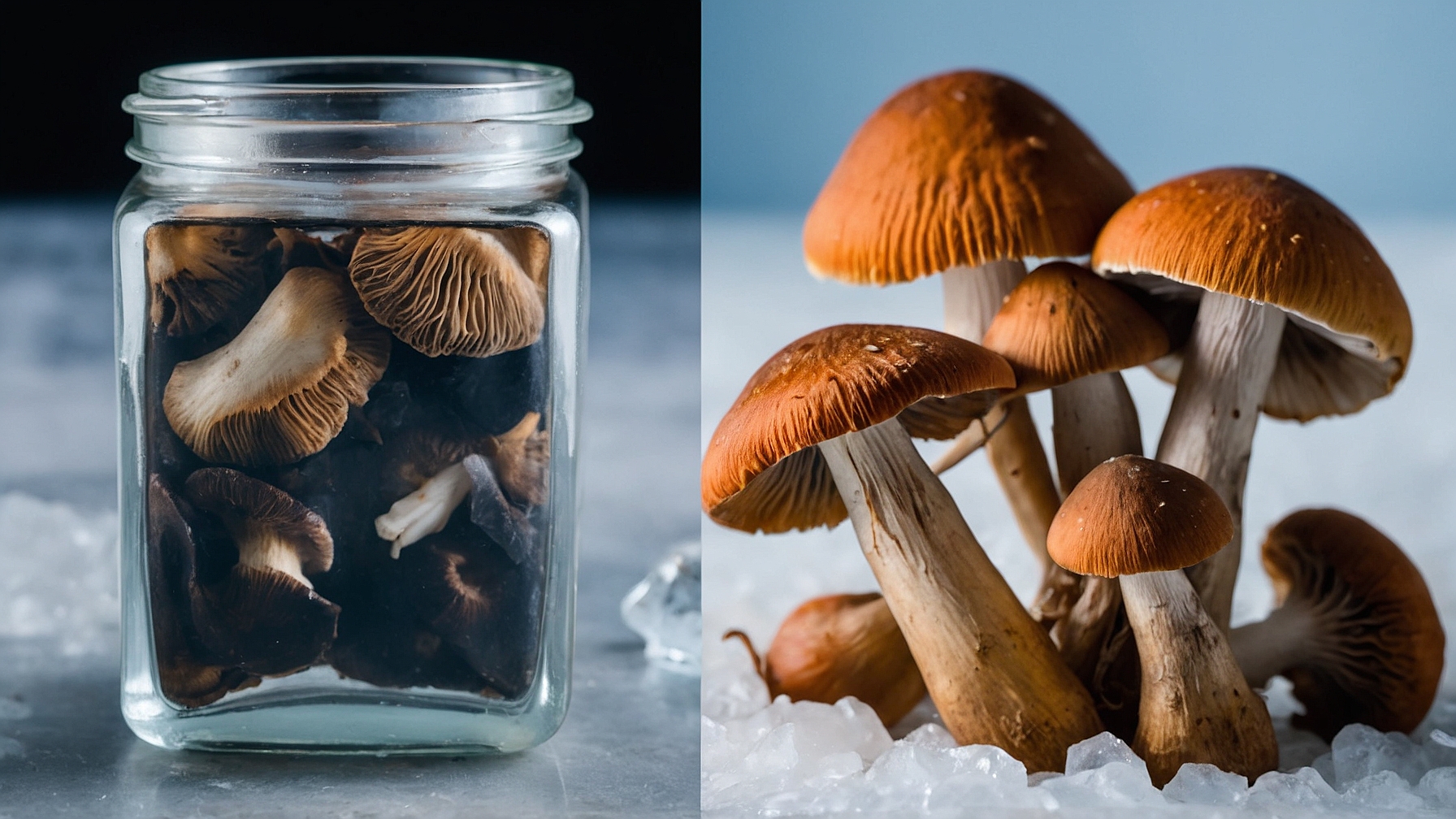
Freeze Mushrooms: Unlocking Preservation Techniques for Optimal Flavor

List of Pertinent Information for Keyword ‘freeze mushrooms’:

1. Choose fresh mushrooms and avoid shriveled, moldy, or bad-smelling ones.
2. Wash and trim mushrooms before cooking.
3. Two recommended methods for cooking before freezing: sautéing or steaming.
4. Allow cooked mushrooms to cool completely before freezing.
5. Spread cooked mushrooms out on a cookie sheet and flash-freeze.
6. Transfer flash-frozen mushrooms to freezer-safe containers or bags.
7. Squeeze out as much air as possible to prevent freezer burn.
8. Frozen mushrooms should be consumed within a year.
9. Consider using a FoodSaver for vacuum-packing.
10. Tips on how to use frozen mushrooms in recipes.
11. Freezing fresh mushrooms may cause them to absorb undesirable scents.
12. Alternative method of using dried mushrooms instead.
13. Purchasing or drying mushrooms as a convenient option.
14. Rehydrating dried mushrooms takes up minimal space.
15. Basic method for freezing mushrooms.
16. Sautéing method for freezing mushrooms.
17. Steam-blanching method for freezing mushrooms.
18. Steps for steam-blanching mushrooms: scrub, slice, steam, plunge into iced water, drain, arrange on a tray, freeze, transfer to a labelled freezer bag, use within 3 months.
19. Steps for sautéing mushrooms: scrub, slice, cook in a frying pan with butter, allow to cool, freeze, transfer to a labelled bag, use within 3 months.
20. Frozen mushrooms can be added to dishes like stews, casseroles, pasta bakes, and stir-fries.

Continue Reading

How long does cooked quinoa last and proper storage methods

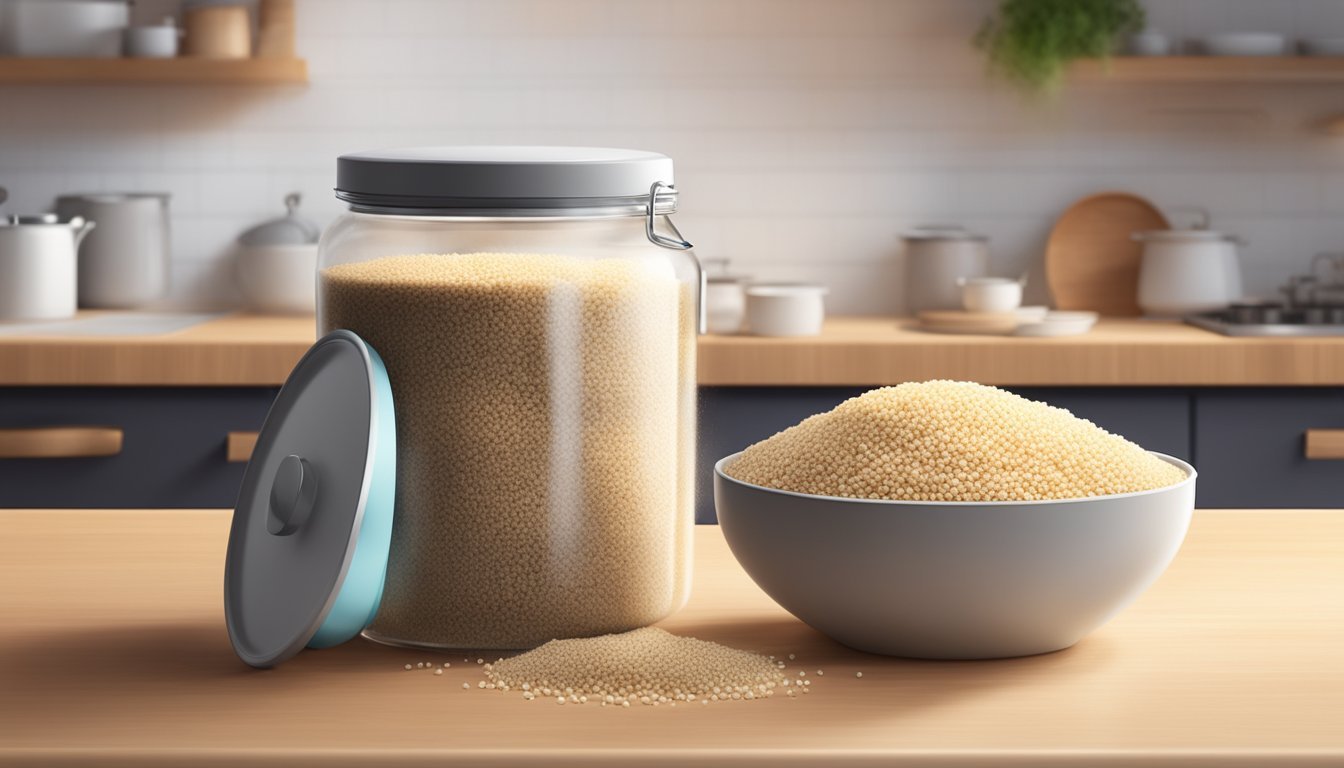
– Cooked quinoa will last for about 5 to 7 days in the fridge if stored properly in an airtight container.
– Frozen cooked quinoa will last around 10 months in an airtight, freezer-safe container or freezer bag.
– Uncooked (dry) quinoa can last between 2 and 5 years if stored properly in a sealed container in a cool, dry place.
– Signs of spoiled quinoa include a sour odor and flavor, runnier consistency, and mold growth.
– It is recommended to follow the 3-year shelf life rule for dry quinoa.
– Cooked quinoa should be transferred to an airtight container and placed in the fridge to minimize bacterial growth.
– It is important to store and handle food properly to avoid the risk of consuming spoiled food.

Continue Reading

Yaki soba vs udon: A delectable journey comparing noodles

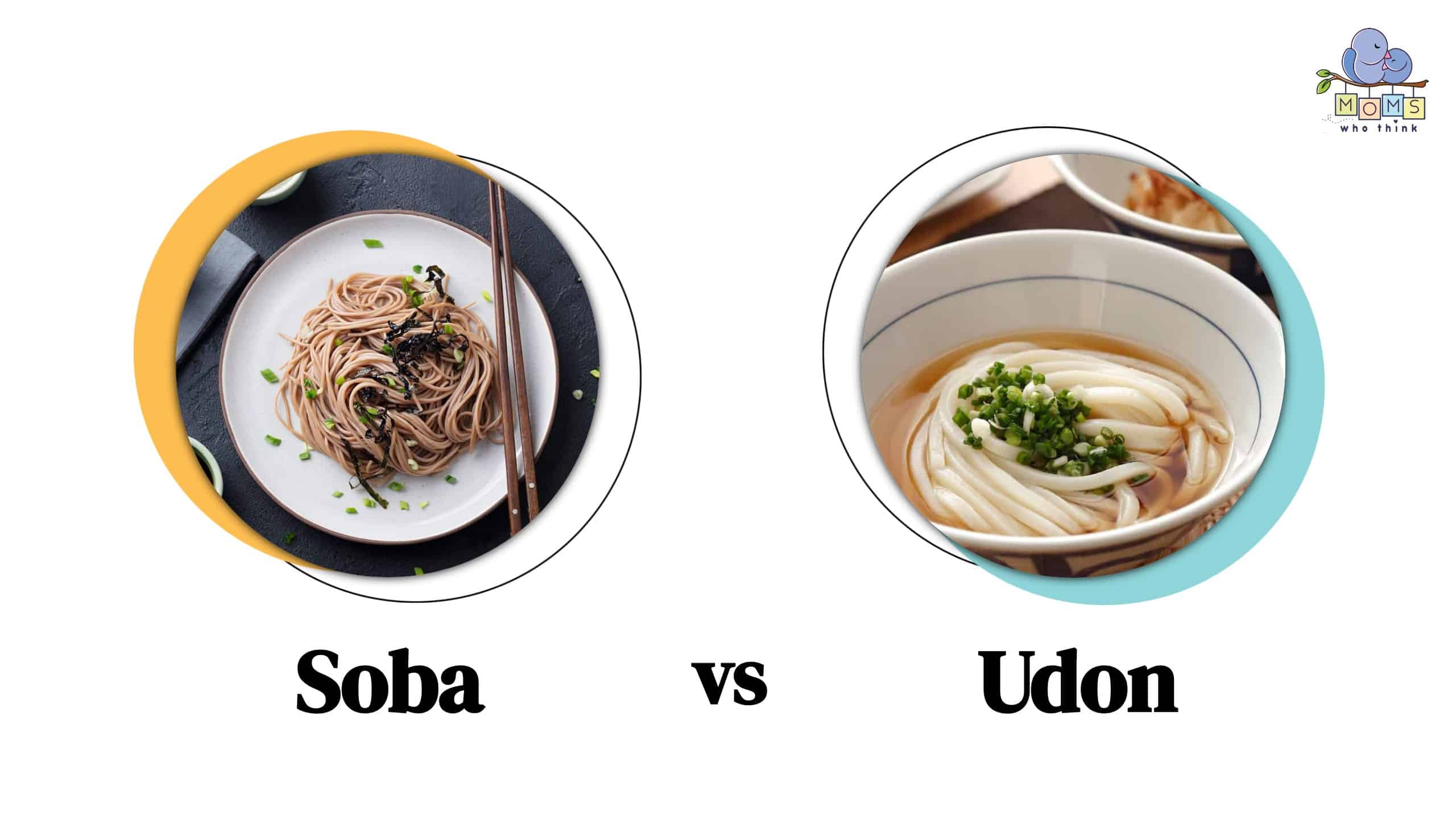
– Udon and Soba are two popular types of Japanese noodles.
– Udon uses wheat flour while Soba uses buckwheat flour.
– Udon noodles are thicker and wider, while Soba noodles are thinner and resemble spaghetti pasta.
– Udon noodles are milder in taste, while Soba noodles have a nutty flavor.
– Soba noodles are considered healthier as they are lower in carbohydrates and calories, and contain beneficial nutrients.
– There are gluten-free varieties of Soba available.
– Both Udon and Soba can be enjoyed cold or hot, and are versatile ingredients in various dishes.
– Yaki soba: Stir-fried buckwheat soba noodles with choice of veggies, meat, or seafood, served with Worcestershire sauce.
– Zaru soba: Chilled soba noodles served with dipping sauce made of dashi stock, soy sauce, and mirin.
– Kake soba: Hot soup dish made by pouring warm broth over boiled soba noodles, usually made with bonito flakes, kelp, and nioboshi.
– Tempura soba: Soba noodles served with classic broth and topped with tempura-battered bites.
– Kitsune soba: Buckwheat noodle soup with fried tofu.
– Tsukimi soba: New Year’s Eve dish with soba noodles, broth, and fried egg.
– Yamakake soba: Buckwheat noodles with grated yam, leek, and simple soba soup base.
– Oroshi soba: Chilled soup with daikon radish, nori, bonito flakes, ginger, green onion, and shiitake mushrooms.
– Udon: Dense and chewy wheat flour noodles, can be found fresh or dried and served hot or cold.
– Kake udon: Simple udon soup.
– Yaki Udon: Stir-fried udon noodles with choice of veggies, meat, or seafood.
– Kitsune Udon: Udon noodle soup with fried tofu.
– Tanuki Udon: Udon noodle soup with tempura flakes.
– Tempura Udon: Udon noodles served with tempura-battered bites.
– Stamina Udon: Udon noodle soup with various toppings and ingredients for added energy.
– Curry Udon: Udon noodles served in a curry-flavored broth.
– Zaru Udon: Chilled udon noodles served with dipping sauce.

Continue Reading

Discover the Best Marjoram Substitute for Flavorful Culinary Dishes

List of pertinent information about marjoram substitute:

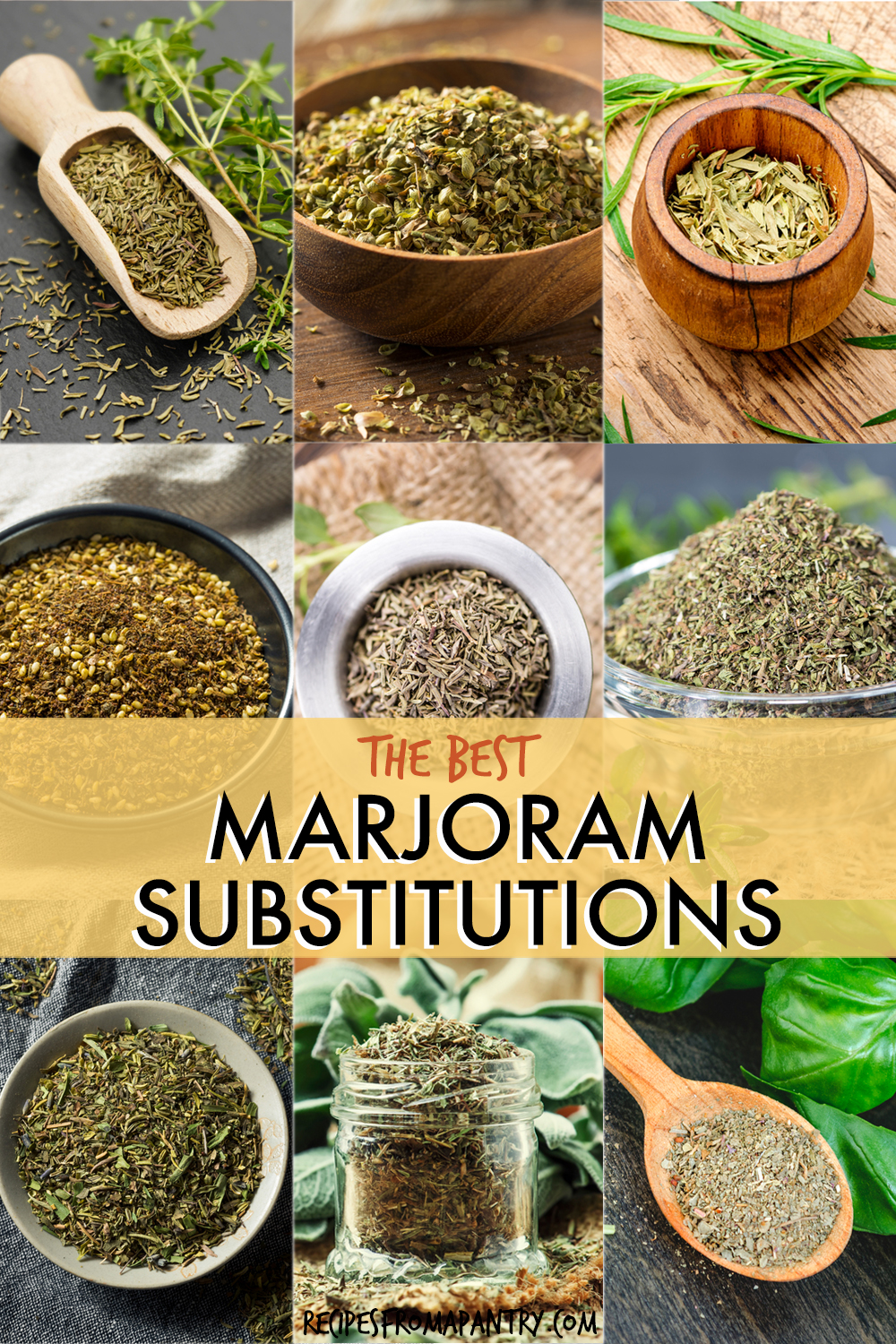
– Marjoram is closely related to oregano and has a delicate, citrusy, and piney taste.
– It can be found in blends like herbs de provence and za’atar.
– Common dishes that use marjoram include chicken cacciatore and goulash.
– Oregano is the closest substitute for marjoram.
– Greek oregano is recommended as a substitute, using about half the amount compared to marjoram.
– Marjoram and oregano are related but different species.
– Marjoram provides a sweet and earthy flavor to dishes.
– Marjoram has health benefits for digestion.
– Oregano is the recommended herb to use instead of marjoram, but only use half the amount as it has a stronger flavor.

Continue Reading

Ziti vs Penne: Unraveling the Pasta’s Origins, Differences

– Penne, ziti, and rigatoni are hollow, cylindrical pastas made using the extrusion process
– Penne has a large surface area and comes in smooth or ridged variations
– Ziti is similar to penne but does not have ends cut at an angle
– Rigatoni is wider and shorter than both penne and ziti and has ridges
– Penne is often used in penne alla vodka
– Ziti is commonly used in baked pasta dishes and pairs well with chunky sauces
– Rigatoni is often used in dishes like spaghetti and meatballs
– Ziti is shorter and thicker than penne with a smooth exterior
– Ziti originated in Naples and is traditionally served as the first course at weddings
– Ziti is typically paired with chunky sauces and meat dishes
– Ziti is commonly used in baked ziti, a pasta casserole dish with cheese and sauce
– Rigatoni is shorter and wider than ziti and penne with square-cut ends and ridges
– Rigatoni is popular in central and southern Italian cuisine and holds onto sauces well
– Rigatoni is delicious with meat sauces and thin tomato sauces
– Paesana offers a variety of pasta sauces and Italian condiments

Continue Reading

What Does Okra Taste Like? Discover Its Unique Flavors and Culinary Uses

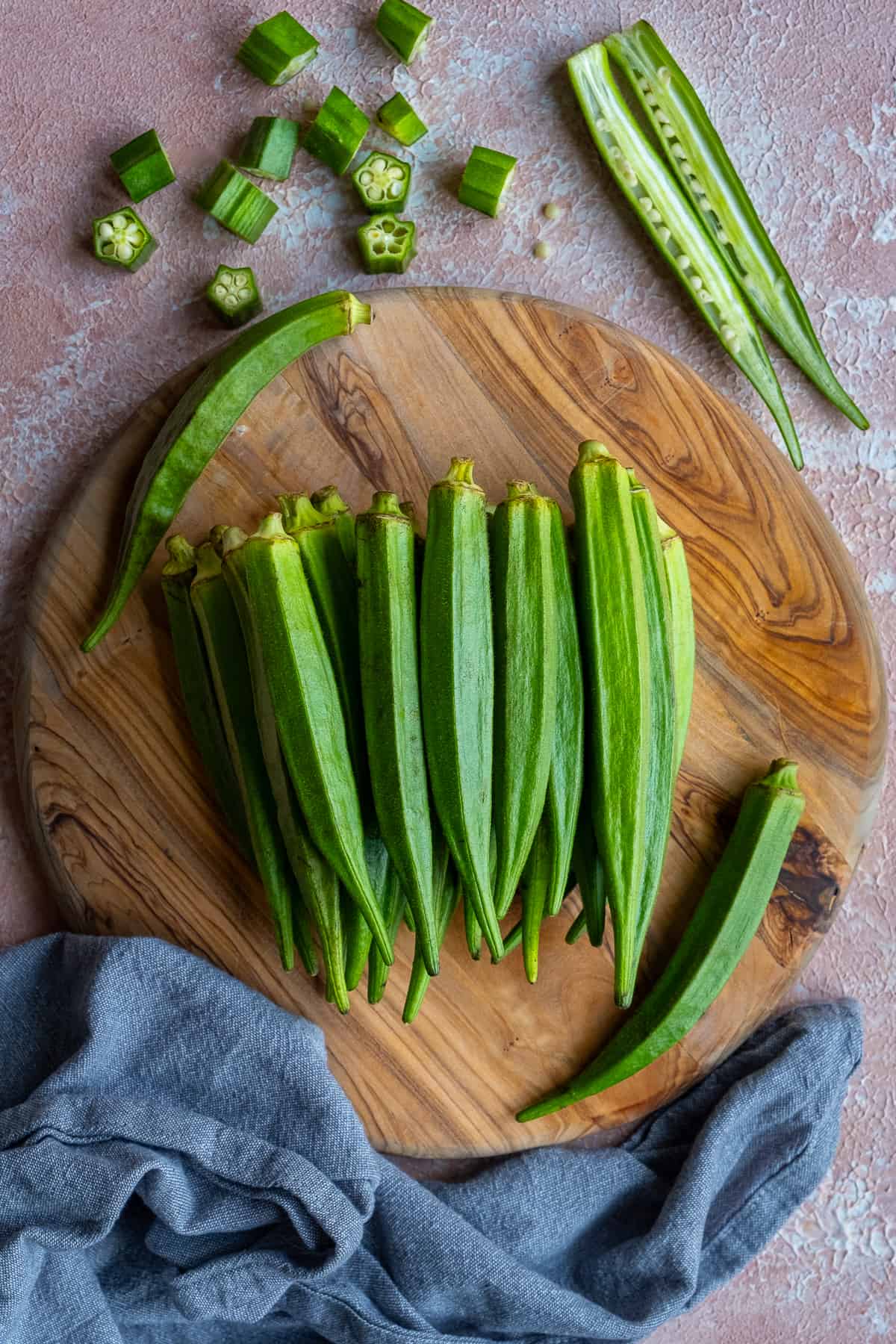
– Okra is a green vegetable that grows in pods and is popular in the south.
– It can be eaten cooked or raw.
– Okra has a slimy texture and some people find it unpleasant.
– It originated in West Africa and has been used as food and medicine for centuries.
– India produces the most okra.
– Okra is high in vitamin C and can help with weight loss, diabetes symptoms, heart disease, and sleep quality.
– It can also provide antioxidants for anti-inflammatory benefits.
– Okra tastes like a mix between green beans and asparagus with an earthy flavor.
– Okra is typically fried before being added to gumbo dishes for flavor.
– Picking raw or cooked okra does not affect its taste and texture but may affect its flavor.
– Okra can be cooked by boiling, frying, grilling, steaming, or roasting.
– Frozen okra takes longer to cook than fresh okra.
– To prepare okra, rinse off dirt, trim the stem, and slice each pod in half lengthwise.
– When choosing okra, make sure there are no hints of bruising or brown spots on the outer layer.
– It’s best to choose small, firm, and green okra pods.
– Store okra in the crisper of the fridge between 35°F and 40°F.

Continue Reading