What Does Okra Taste Like? Discover Its Unique Flavors and Culinary Uses

– Okra is a green vegetable that grows in pods and is popular in the south.
– It can be eaten cooked or raw.
– Okra has a slimy texture and some people find it unpleasant.
– It originated in West Africa and has been used as food and medicine for centuries.
– India produces the most okra.
– Okra is high in vitamin C and can help with weight loss, diabetes symptoms, heart disease, and sleep quality.
– It can also provide antioxidants for anti-inflammatory benefits.
– Okra tastes like a mix between green beans and asparagus with an earthy flavor.
– Okra is typically fried before being added to gumbo dishes for flavor.
– Picking raw or cooked okra does not affect its taste and texture but may affect its flavor.
– Okra can be cooked by boiling, frying, grilling, steaming, or roasting.
– Frozen okra takes longer to cook than fresh okra.
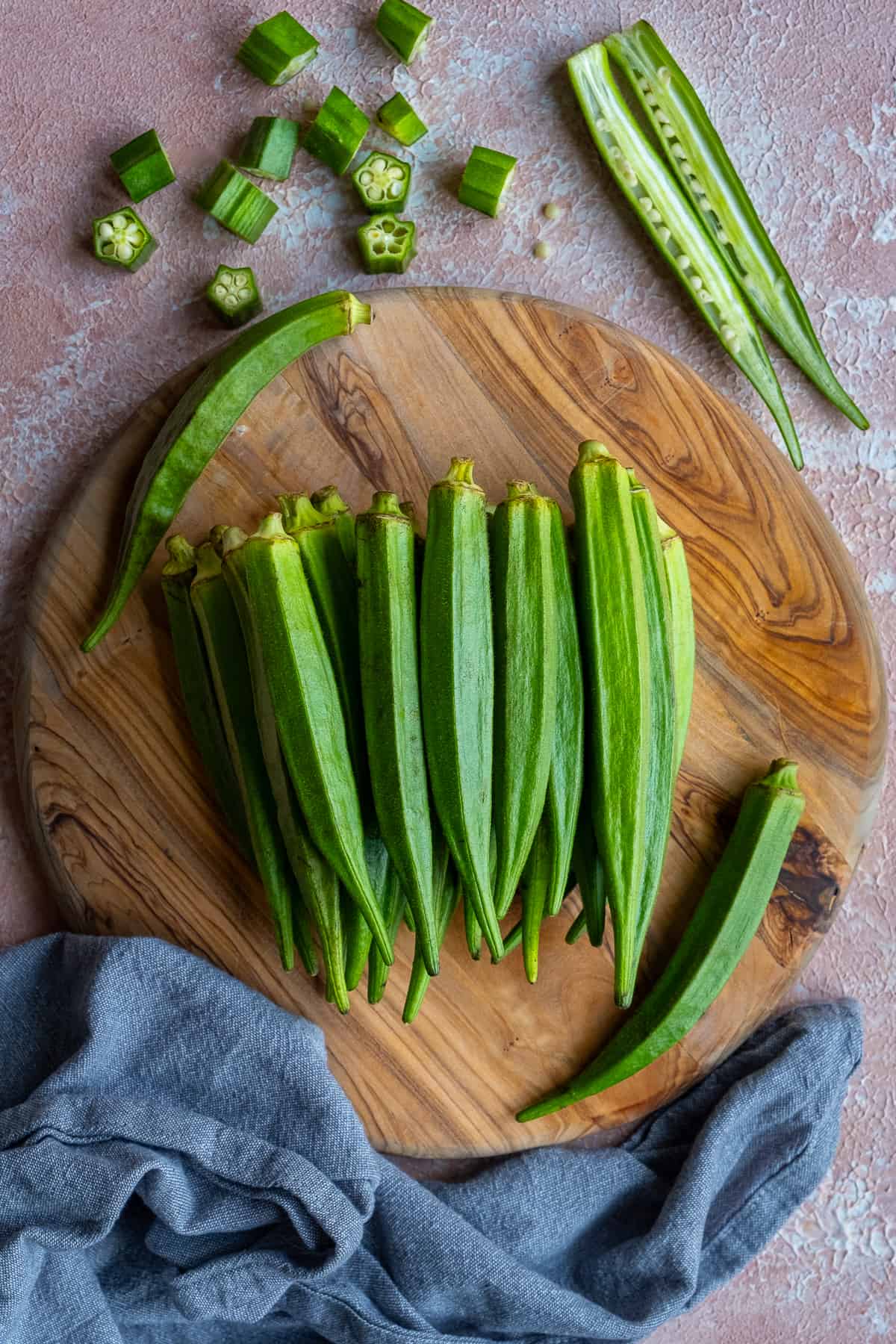
– To prepare okra, rinse off dirt, trim the stem, and slice each pod in half lengthwise.
– When choosing okra, make sure there are no hints of bruising or brown spots on the outer layer.
– It’s best to choose small, firm, and green okra pods.
– Store okra in the crisper of the fridge between 35°F and 40°F.
Continue Reading

What is Farina and How Does It Benefit Your Health?

– Farina is a finely ground grain made from hard wheat.
– When shopping, farina is sold as wheat farina.
– Farina is considered healthy and often enriched with minerals and nutrients.
– Farina contains gluten and is not suitable for those with gluten intolerances or celiac disease.
– Farina and Cream of Wheat are similar but not the same; Cream of Wheat is a pre-cooked type of farina with a smooth texture.
– Farina can be used in baking recipes, as a coating for proteins, or as a substitute for cornmeal.
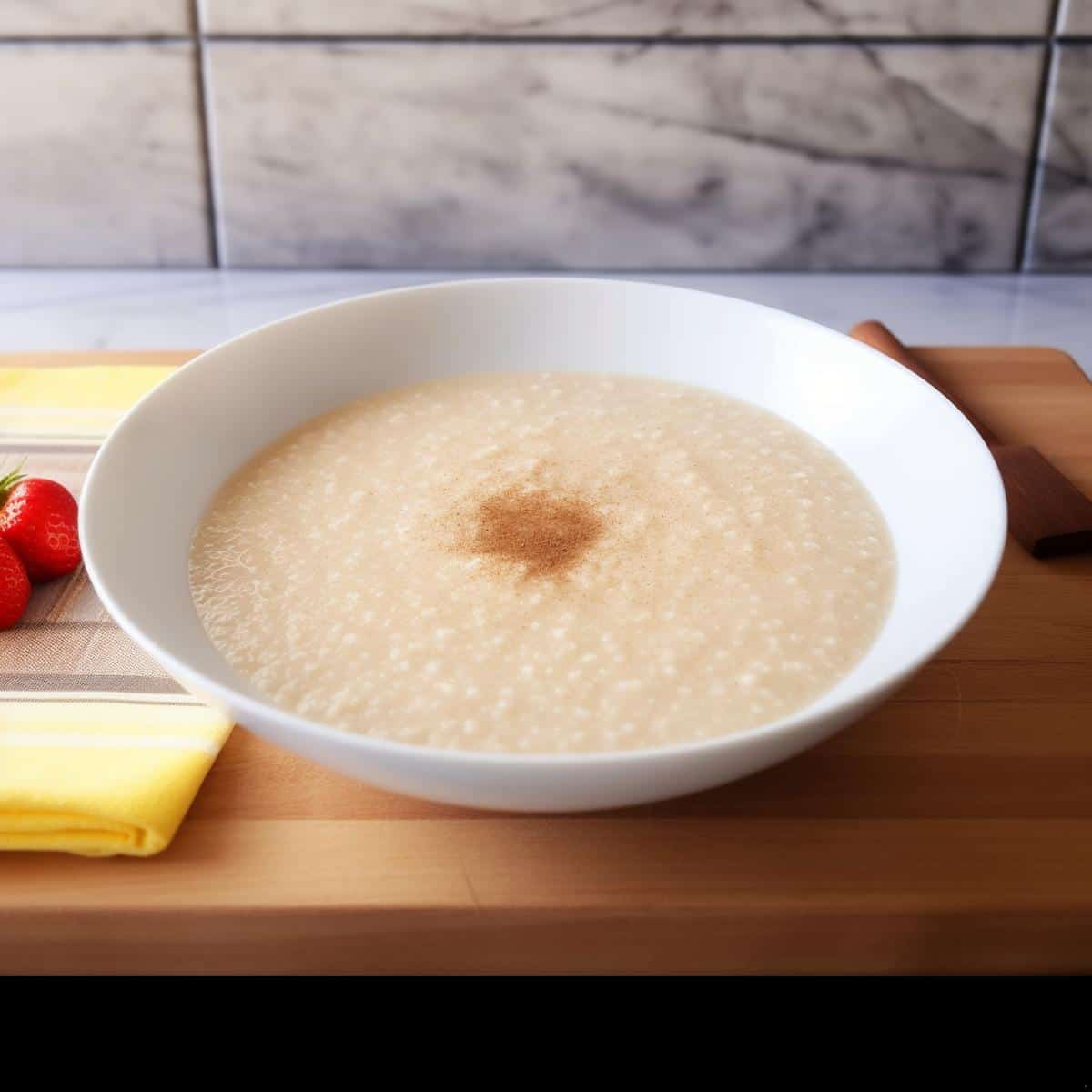
– Farina is commonly used to make hot breakfast cereal, similar to oatmeal.
– It is easy to prepare farina by boiling water and salt, whisking in farina, and stirring for three minutes.
– Different toppings can be added to farina, such as fruit, nuts, and sweeteners like honey or maple syrup.
– Farina is a versatile ingredient that can be used as a thickening agent for puddings and as a substitute for wheat flour in baked goods.
– It has a mild taste and can be topped with sugar, butter, fruit, honey, syrup, or jam.
– Farina is easily digestible and can be introduced into a baby’s diet.
– It is high in protein, with 1 cup of prepared cereal containing 120 calories and close to 4 grams of protein.
– Farina is often sold in enriched form, with added iron, calcium, and folate.
– It is commonly known as Cream of Wheat or Malt-o-Meal, and can be cooked in boiling water or milk for a creamier texture.
– Farina is made from wheat germ and the inner parts of wheat kernels, though it can also refer to rice or potato-based cereals.
– It cooks quickly and is a popular choice for hot cereal.
– Some mention that farina is known as Cream of Wheat, while others mention that it is a healthy breakfast option.

Continue Reading

Taro Vs Ube: A Colorful Comparison of Root Vegetables

Ube is a root vegetable known as “purple yam” that originates from the Philippines. It is rich in fiber, antioxidants, carbohydrates, potassium, and vitamin C. Ube may help prevent diabetes by stabilizing blood sugar. Ube has a purple color, becomes even darker when cooked, and has a creamy texture. The flavor of ube is sweet with nutty, vanilla undertones. Ube is commonly used in boba tea and to flavor ice cream in the United States. In Filipino cuisine, ube is boiled, mashed with condensed milk, and used in sweet treats such as jam or coconut ube pudding. Ube is also used to color bread, cakes, and other baked goods.

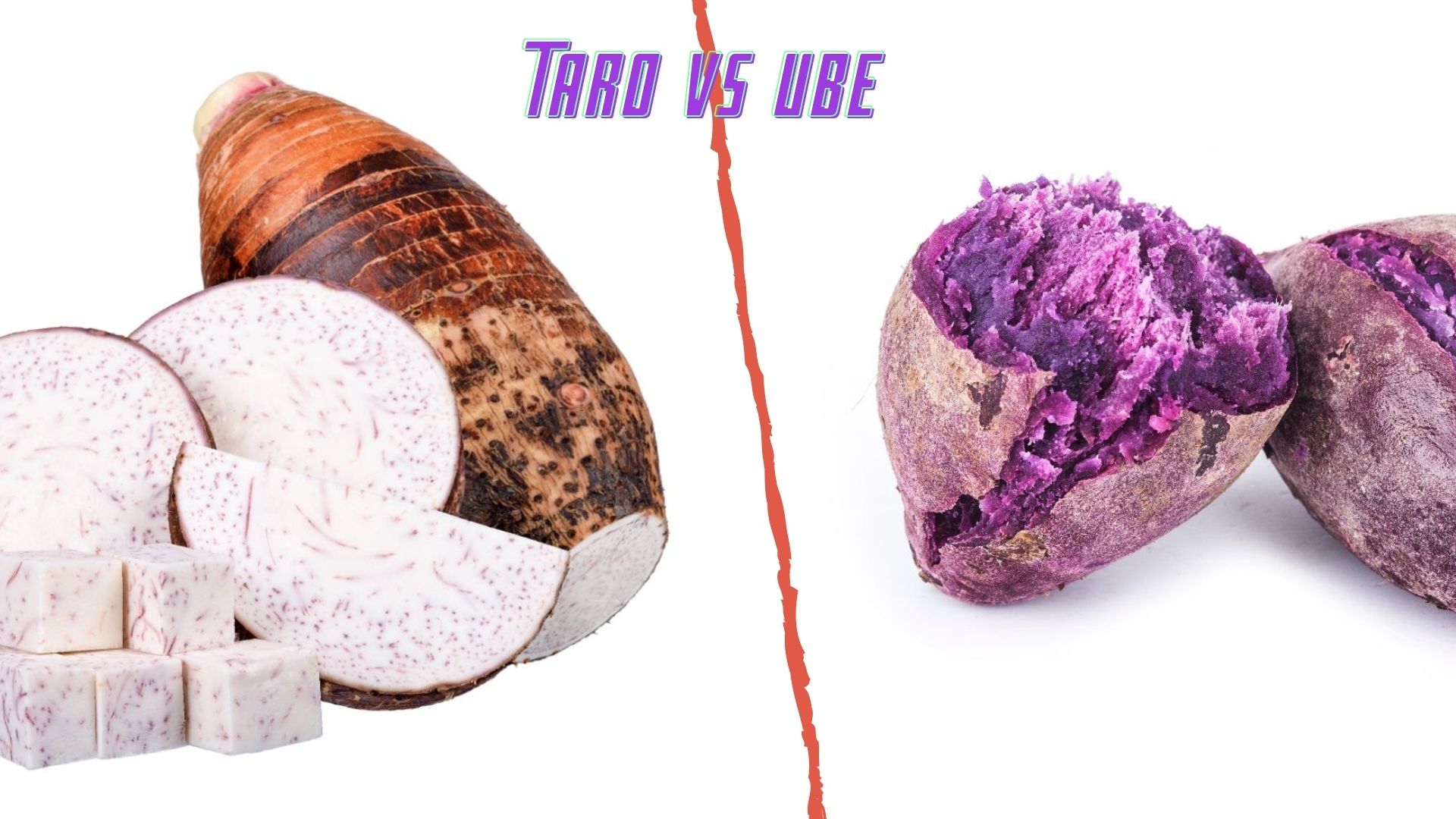
Taro is a tuber that originated in Southeast Asia and is also found in India, Hawaii, and Australia. Taro is used in cuisines across Africa, India, and the South Pacific Islands. The name taro comes from a Māori word meaning “bread,” and it is believed to be one of the earliest domesticated crops. Taro is a heart-healthy and fiber-rich food. Taro and ube are both starchy tubers commonly used in milk teas, desserts, and savory dishes. Ube is from the Philippines, while taro is grown in various tropical regions. Ube has dark purple flesh and taro has light-colored flesh with purple specks. Both have a subtly sweet taste with nutty and vanilla undertones, but ube is sweeter than taro. Ube is usually used in desserts, while taro is used in both desserts and savory dishes. It is important to note that both the flesh and leaves of the taro plant are toxic and should be cooked properly to avoid illness. Taro and ube are different plant species with distinct textures, flavors, and nutritional profiles. Ube is sweeter than taro. Both can be used in desserts and boba tea, especially when paired with coconut.

Continue Reading

Espresso Beans vs Coffee Beans: Unraveling the Roasting Process

– Espresso beans and coffee beans have the same origin and are used to brew coffee
– The main difference between espresso beans and coffee beans is in the way they are roasted
– Roasting brings out the aroma and flavor of beans
– Lightly roasted beans are dense and require a longer brewing time
– Medium-roasted beans have a stronger flavor and a bit of oil on the surface
– Dark roasted beans have an oily sheen and a bitter taste
– Espresso beans are specifically for brewing coffee with an espresso machine
– Espresso beans are dark roast coffee beans suitable for use in espresso machines
– Espresso beans have a more intense and concentrated flavor compared to other brewing methods
– The grind size of espresso beans is very fine, allowing for maximum flavor extraction
– Espresso shots have a robust and full body, strong aroma, and a mouthful feel
– Espresso beans have a higher concentration of natural oils
– Espresso beans have less acidity compared to other coffee beans
– Espresso beans have less caffeine due to longer roasting process
– One shot of espresso has similar caffeine content to one cup of drip coffee
– Espresso shots are used as a base in many fancy drinks
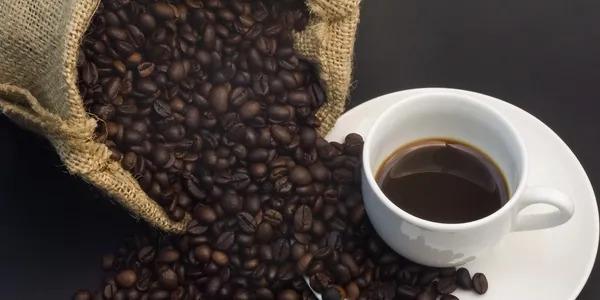
– Espresso beans are brown in color and have a shiny surface
– Using any other type of coffee bean may not extract the exact flavor and strong brew of espresso beans
– Ordinary coffee beans can be roasted to different levels (light, medium, dark roast)
– Coffee beans have a coarser grind and may not have as much oil
– Coffee beans are used for various brewing techniques and do not produce a crema
– Espresso beans have a higher concentration of bitterness compared to coffee beans
– Espresso beans require high pressure for concentrated coffee, while regular coffee beans do not
– The article suggests using a CBTL Single-Serve Brewing System and espresso capsules for convenience
– The Coffee Bean & Tea Leaf offers a variety of coffee beans in light, medium, and dark roasts

Continue Reading
How many 16s are in 52

52 And 16: A Mathematical Exploration

There is more to math than meets the eye. At first glance, the numbers 52 and 16 may seem like simple integers. But a closer look reveals a hidden world of patterns and relationships just waiting to be discovered. Join me on a mathematical exploration of these two intriguing numbers. You may be surprised at what we find!

Continue Reading

What Does Rambutan Taste Like? A Comprehensive Flavor Exploration!

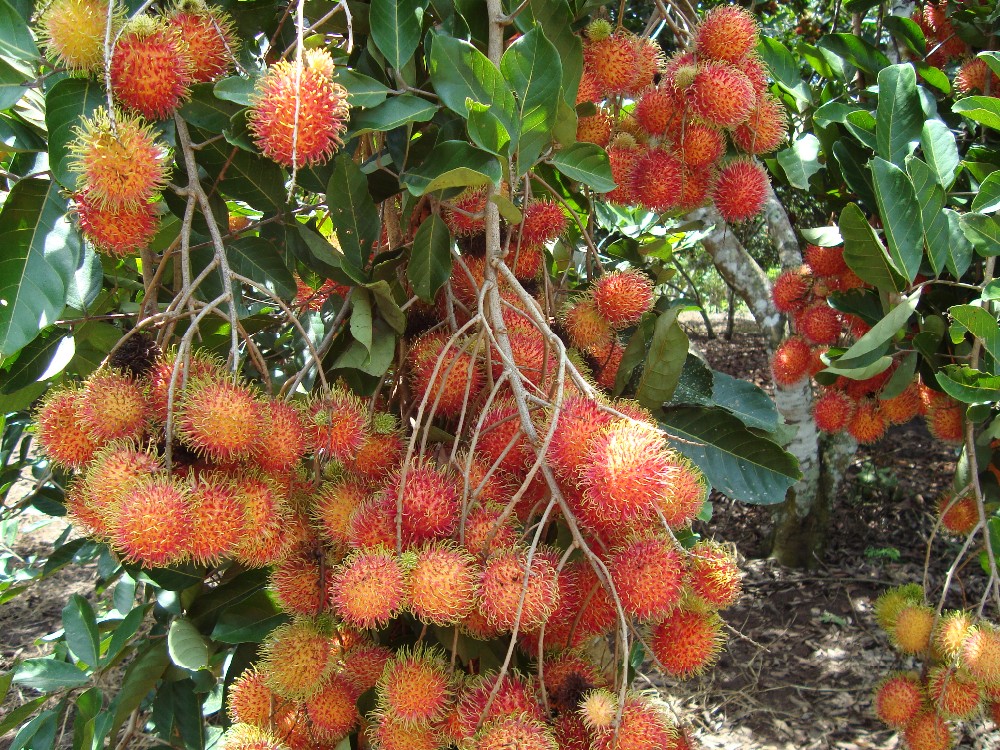
– Rambutan is a fruit with a ball of white flesh in the middle and a pit/seed.
– It is typically eaten fresh but can also be added to fruit salads, curries, and desserts.
– The taste of rambutan is subjective but is described as very sweet with a hint of sourness.
– It has a note of floral tropical taste and the texture is a mix between a grape and a pear, or maybe a cherry.
– The skin has a woody taste when it falls off the seed.
– Rambutan tastes similar to lychee as they are in the same family of fruits.
– The fruit is considered yummy and worth trying.
– The price of rambutan may vary depending on location, but 20 to 25 of them can be bought for around $3.00.

Continue Reading

The Battle of Flavor: Adobada vs Al Pastor

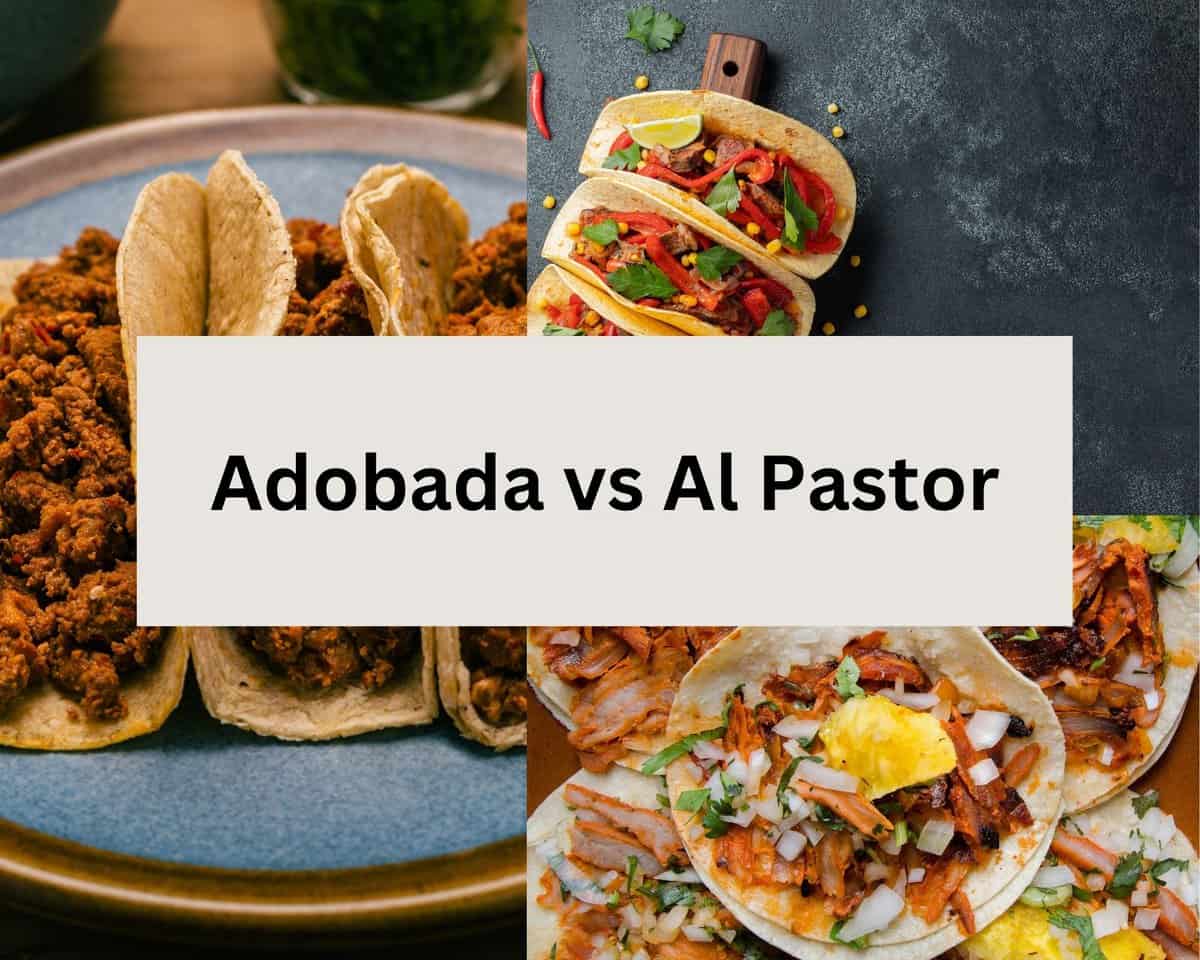
– Al pastor and carne adobada are both popular fillings for tacos
– Both refer to pork marinated in a mix of chiles, vinegar, and spices
– Al pastor is cooked on a vertical spit called a trompo
– Adobada is cooked on a grill or braised on the stove
– Al pastor meat is piled high on a trompo, rotates and chars, and is shaved off for tacos
– Pineapple is often added to al pastor tacos
– Oregano and achiote are the main spices used
– Other common spices for al pastor include cinnamon, cloves, allspice, and nutmeg
– Some areas in northern Mexico refer to al pastor as carne adobada
– Popular adobada recipes use pork shoulder
– Toasted chiles such as guajillo and ancho are blended with vinegar and oregano to make a paste for adobada
– Adobada can be served as tacos or with corn tortillas, and rice and beans can be served as accompaniments.

Continue Reading