How long is salami good for: health guidelines and storage tips

List of pertinent information about how long salami is good for:

1. Dry salami can last up to six weeks unrefrigerated if unopened.
2. Dry salami can last “indefinitely” in the refrigerator if unopened.
3. Sliced dry salami can last up to three weeks in the refrigerator.
4. Sliced dry salami can last up to two months in the freezer.
5. Cooked salami can last up to two weeks in the refrigerator if unopened.
6. Cooked salami can last up to seven days after opening in the refrigerator.
7. Frozen cooked salami can last up to two months.
8. Salami should be discarded if left out at room temperature for more than two hours.
9. Signs that salami has gone bad include changes in color, such as black, green, grey, or brown fuzzy spots.
10. The smell of spoiled salami can resemble sewage or rotten eggs.
11. Spoiled salami can have a change in texture, becoming extra hard and dry or wet and slimy.
12. Consuming spoiled salami can lead to food poisoning symptoms, including nausea, vomiting, diarrhea, fever, body pain, and chills.
13. Mild cases of food poisoning from spoiled salami may resolve on their own, but severe symptoms may require medical treatment, including confinement and IV drip if necessary.

Continue Reading

Rambutan Taste: Exploring the Unique Flavors & Origins

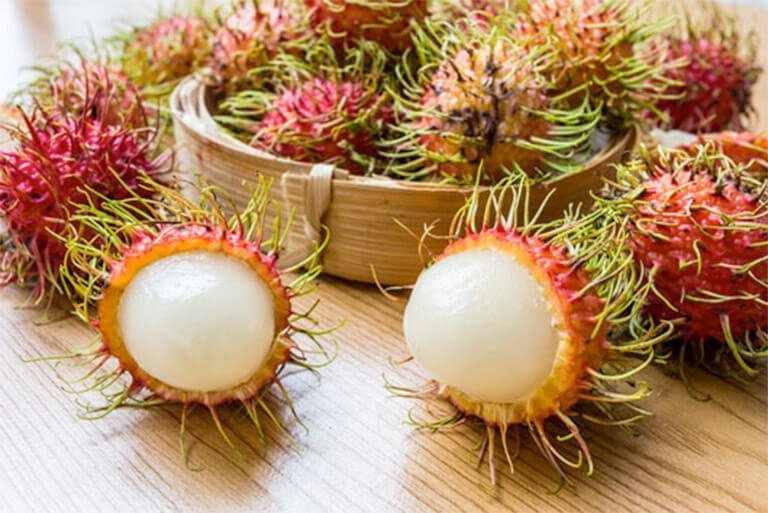
– Rambutan is a hairy exotic fruit native to Indonesia and other tropical Southeast Asian areas.
– The name rambutan comes from the Malay word rambut meaning hair.
– Rambutan is similar to lychee fruit and longan fruits.
– Rambutan has a sweet flavor and tastes similar to lychee fruit.
– The fleshy part of the rambutan is tender and juicy, resembling a grape.
– Rambutan is exotic and colorful, with shades of pink, green, and bright red skin.
– Rambutan is about the size of a golf ball and oval in shape.
– The best way to eat rambutan is to remove the hairy shell and eat the soft fleshy fruit around the seed.
– Rambutan’s translucent flesh contains iron and a high amount of vitamin C.
– Rambutan is packed full of nutrients and makes a great snack.
– Rambutan can be stored in or out of the fridge and should be peeled right before eating to maintain freshness.
– Ripe rambutan fruits can last about 4 to 5 days in the fridge and about 3 to 4 days at room temperature.
– The fruit is rich in nutrients and antioxidants.
– Rambutan promotes healthy digestion and is relatively low in calories.
– To eat a Rambutan, it can be cracked open with the teeth, fingers, or a knife.
– It has a pit or seed in the middle that should be spit out.
– It is described as resembling a large skinless grape and has a sweet taste with a hint of sourness.
– It also has a floral tropical taste.
– The texture is soft and similar to a mix between a grape and a pear or cherry.
– Rambutans are fairly cheap, with 20 to 25 of them costing around $3.00.

Continue Reading

Does Vanilla Extract Go Bad? How to Properly Store and Extend Shelf Life

– Vanilla extract lasts a long time and is unlikely to go bad.
– Both pure and artificial vanilla extracts can be stored in a cool and dark place, away from heat sources.
– It is not recommended to refrigerate or freeze the extract.
– Pure vanilla extract has an indefinite shelf life and may have a slightly more intense flavor after a few years.
– Imitation vanilla extract has a shorter shelf life and its quality will degrade over time.
– The best-by date on the label is a good indicator of its quality.
– Imitation vanilla extract can last for up to 6-12 months after the best-by date, but the taste will worsen over time.
– Vanilla extract should be kept sealed tightly to prevent it from going bad.
– If the extract smells off or has growth on the inside of the cap, it should be thrown away.
– Pure vanilla extract is made with vanilla beans and is brown in color.
– The primary flavor compound in pure extract is vanillin.
– Imitation vanilla extract only contains vanillin and is a synthetic substance made in a lab.
– Vanilla beans are expensive, leading to the creation of synthetic vanilla for a cheaper alternative.
– Most people opt for the less expensive imitation vanilla extract because it still works well in desserts.

Continue Reading

How to store baby carrots properly for freshness

– Different fruits and vegetables require different storage approaches to stay fresh.
– Lesser-known tricks can keep crisp, crunchy vegetables like carrots fresh in the refrigerator for weeks.
– Carrots should not be rinsed before storing to prevent mold growth.
– Floppy or soft carrots can be revived by hydrating them in water.
– Carrots should not be stored next to ethylene-producing fruits like apples, bananas, and pears.
– Freezing carrots is an option, either cooked or uncooked. Carrots should be scrubbed and peeled, and can be shredded or chopped before storing in a freezer bag. Blanching before freezing helps preserve color.
– Store-bought carrots can last several weeks with proper storage.
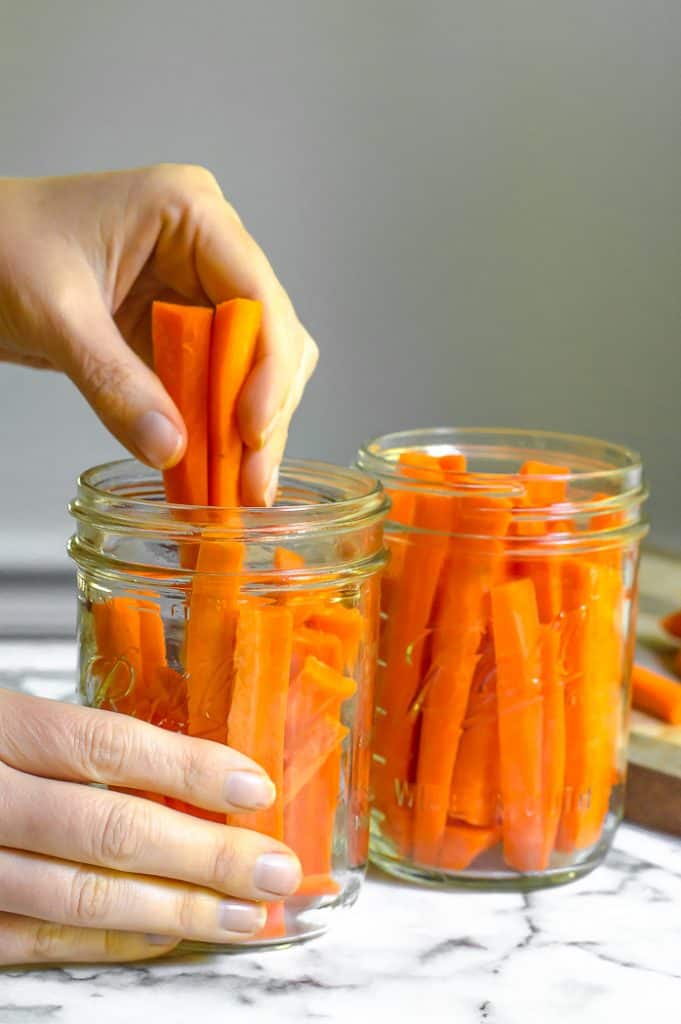
– The best way to store carrots is to keep them in an airtight container submerged in water.
– Carrots can be prepped by chopping off the ends and peeling if they will be eaten within a week or two.
– Water should be switched out every week to prioritize long-term freshness.
– Airtight glass jars are recommended for storing prepared carrots and celery.
– Carrots preserved using this method can stay fresh for up to three weeks.
– Using a root cellar is the most effective method for storing carrots.
– A root cellar is usually underground and keeps fruits, vegetables, nuts, and other goods in a cool, dark place.
– Unwashed carrots should be packed in a sealed container in a root cellar to keep them fresh for months.
– Home-grown carrots should have their green tops removed as soon as they are brought into the kitchen.
– Carrot greens can be used to make pesto or chopped into a gremolata.
– Bags of carrots are often left to rot in crisper drawers.
– Whole carrots can last for about three to four weeks in the fridge if stored properly.
– Remove carrot greens and avoid washing whole, unpeeled carrots until right before eating or cooking.
– Wrap unpeeled, unwashed carrots in a dry paper towel and store them in an airtight container or bag in the coolest part of the refrigerator.
– Peeled carrots dry out more easily, so store them by submerging them in cool water in a container in the refrigerator, changing the water every few days.
– Rinse peeled carrots before eating.
– Baby carrots are actually cut and peeled adult carrots, so they can be stored the same way as peeled carrots.
– Cooked carrots can last for about four days in an airtight container in the refrigerator.
– Blanching carrots before freezing helps preserve their flavor, vibrancy, and nutritional value.

Continue Reading

How to Cook Ramen in Microwave: Quick, Easy, Delicious

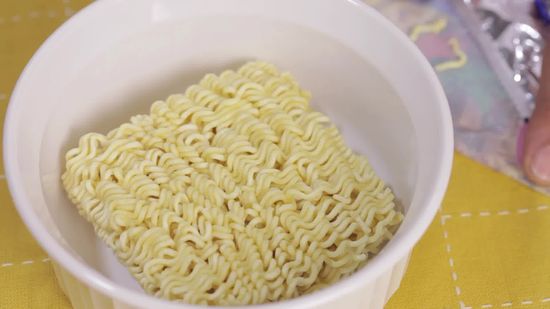
– The recommended method is to pour 2 cups of water into a microwaveable bowl, place the ramen packet into the water, cover the bowl, and microwave the noodles for 2 minutes.
– After 2 minutes, stir the noodles and cook for an additional 30 seconds to 1 minute according to desired doneness.
– If using only noodles and not making soup, drain most of the liquid and add desired seasonings.
– The article suggests various ways to flavor the ramen, including adding olive oil, butter, garlic powder, salt, pepper, Italian seasoning, soy sauce, sesame oil, ginger, onion powder, rice vinegar, chopped green onion, sesame seeds, hot sauce, hoisin sauce, Sriracha, spam, bean sprouts, or a soft-boiled egg.
– Leftover ramen can be stored in the refrigerator in an airtight container for 3 to 4 days.
– Ramen can be reheated in the microwave, or enjoyed cold.
– The article includes a recipe with a total preparation time of 4 minutes and provides nutritional information.
– Cooking ramen in the microwave is said to be quick and convenient.
– Ramen is a budget-friendly option that can be easily customized with protein and veggies.
– The article advises against using the seasoning packets that come with the ramen due to additives and high sodium content.
– The required ingredients for microwave ramen are instant ramen noodles and water.
– Chicken broth, beef broth, or vegetable broth can be used as an alternative to water.
– A microwaveable bowl is needed to cook the ramen.
– The recommended cooking time for the ramen in the microwave is 2 minutes on high power, with an additional 30 seconds or more if desired.
– The article suggests draining most of the cooking liquid if only using the noodles.

Continue Reading

The Best Chai Tea: Discover the Ancient Secrets

– One Stripe offers flavorful and balanced chai tea concentrates, including sweetened and unsweetened options.
– Vahdam Teas makes a Double Spice Masala Chai for those who prefer bold notes of black pepper and cardamom.
– Chaiwala’s Rose Chai blend is favored for its delicate floral flavor and easy-to-follow directions.
– An Austin-based chocolate shop sells a masala chai blend made with Assam black tea and spices.
– Monica Sunny’s chai blends pay tribute to different regions and cultures of India, with variations that include candied ginger, lemongrass, ginger, mint, and coconut.
– Diaspora Co. spent four years sourcing spices to create a perfect cup of chai tea. Their blend is aromatic and flavorful, and it is recommended to simmer the spice mix in hot water before adding tea for the best flavor.
– Anjali’s Cup also sells chai masala spice blends that can be added to tea, granola, oatmeal, or coffee. They offer two flavors, one with extra ginger and one with turmeric and saffron. Anjali Bhargava sources high-quality turmeric from Hawaii, and the other ingredients come from Burlap & Barrel.
– The preferred method of making chai with Anjali’s Cup’s spice blends is to simmer equal parts water and milk, add a teaspoon of spices and a tea bag, and let it steep for eight minutes. The ginger in the spice blend provides a spicy kick.
– The article discusses the author’s quest to find the best chai tea in the US market. The author hosts a blind taste test with friends to determine the best chai. The focus is on chai lattes, as that is the common way chai is consumed in the US. The article does not provide any specific statistics or figures.

Continue Reading