What Does Root Beer Taste Like? Exploring Its Flavor Profile and Origins

What does root beer taste like?

– Root beer is a soda known for its spicy vanilla flavor.
– Some first-time root beer drinkers may think it tastes like mouthwash because one of the main ingredients is wintergreen flavor, which is also found in mouthwashes.
– Root beer originated from “small beers” made with herbs, berries, and bark by American colonists.
– A root beer recipe similar to the one we know today became popular in the 1870s, containing herbs, roots, and berries with medicinal properties.
– Root beer was first commercially sold as an extract in the 1880s and later sold in bottles by various manufacturers.
– During Prohibition, root beer became popular as an alternative to real beer.
– In 1976, the FDA banned the use of sassafras, an ingredient in root beer, due to its carcinogenic properties.
– Wintergreen became the new main flavor in root beer.
– Root beer is a soda with an elusive flavor profile that varies between brands and regions.
– The origins of root beer can be traced back to indigenous populations in early America, who used different parts of the sassafras tree to create medicinal tonics and cuisines.
– The roots of the sassafras tree provided the distinct flavor that we associate with root beer today.
– When colonists arrived in America, they learned the recipes for various food and drinks from the natives, including root beer.
– The colonists quickly acquired a taste for root beer and it became a favorite among 18th-century farmers.
– The early root beer recipes included ingredients such as sassafras root, sarsaparilla, dandelion root, guaiacum chips, and dog grass.
– The process of making early root beer involved boiling water, creating a wort, and adding sweeteners like molasses, honey, or maple syrup along with yeast.
– In 1875, Charles Hires discovered and developed a taste for an herbal “root tea” while on his honeymoon.
– He took the recipe back to Philadelphia and created the first commercial root beer.
– The recipe contained 16 ingredients and was introduced at the Philadelphia Centennial Exhibition in 1876.
– Hires later re-formulated the dry blend into a liquid concentrate with nearly 30 different herbs, berries, and roots.
– Other root beer brands, such as Barq’s, A&W, and Dad’s Old Fashioned, launched in the late 19th and early 20th centuries.
– A&W currently dominates root beer sales worldwide.
– There is no clear winner in terms of flavor preferences among root beer brands, as they vary in taste.
– Root beer has a variety of flavor profiles, with the most common being a wintergreen profile with secondary vanilla, anise, and herbal, earthy notes.
– Traditionally, root beer was made by blending the sassafras tree root with other herbs and spices to enhance the wintergreen quality or provide earthier, herbal flavors.
– Vanilla was later added to create a creamier, smoother profile and balance the bitterness.
– Over time, root beer has evolved and included various ingredients like allspice, burdock root, sarsaparilla root, yellow dock root, ginger root, juniper berries, wild cherry bark, birch bark, anise, lemon, and more.
– Modern root beer manufacturers use a combination of these ingredients along with flavorings, sweeteners, carbonation, and caffeine.
– There is no single way to make a great root beer product, allowing for creativity and innovation in the beverage industry.
Continue Reading

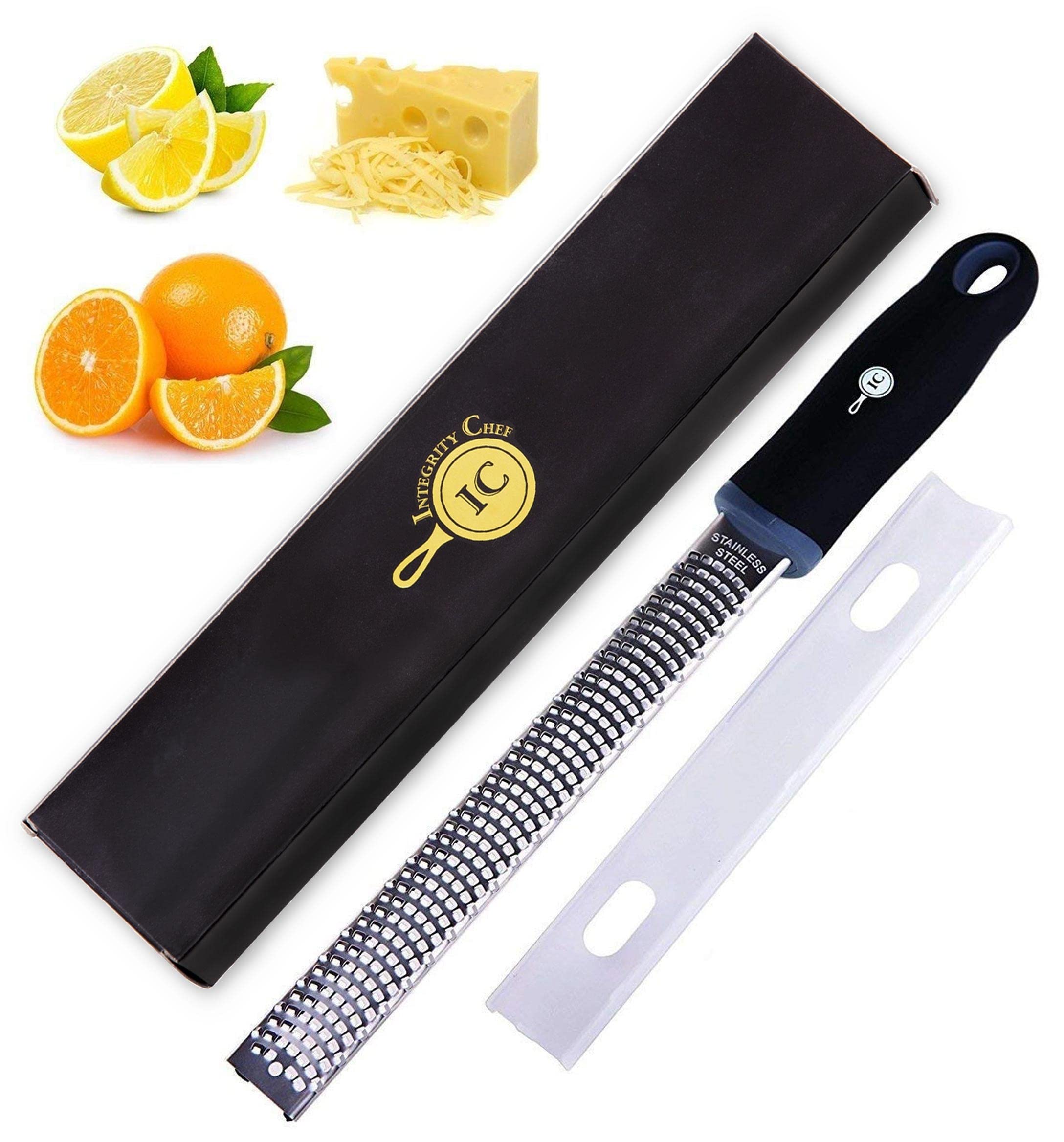
Lemon Zester: Unleashing Citrus Flavor with Professional Techniques

– Microplane
– Citrus zester
– Vegetable peeler
– Box grater
– Knife
– Lemon zest
– Baked goods
– Yogurt
– Salad dressings
– Pasta
– Pan sauces
– Aiolis
– Washing the lemon
– Medium-sized lemon
– 1 tablespoon
– Finer zest
– Longer ribbons
– Smallest holes
– Sharp tool
– Bitter white pith
– 24 hours
– Refrigerated
– Zip-top plastic bag
– Airtight container
– Plastic wrap
– Outermost peel
– Technique
– Recipes
– Avoid the pith
– Best flavor

Continue Reading

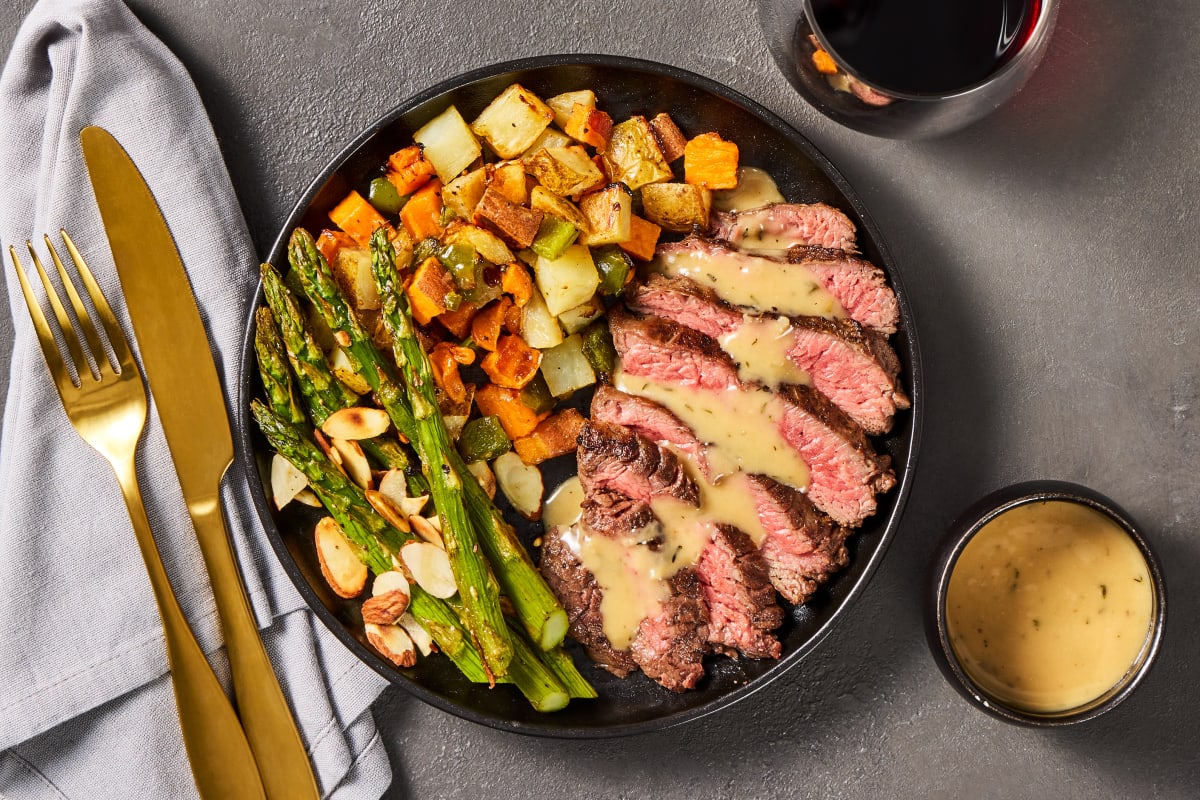
What is Bavette Steak? A Delectable and Savory Culinary Delight

– Bavette steak is a lesser-known name for flank steak.
– It is commonly used in dishes like stir-fries, fajitas, and salads.
– It is beefy and rich in flavor, but can be tougher than other cuts of meat.
– It is often cheaper due to its common usage.
– Only about 2 to 4 pounds of bavette steak can be found in each cow.
– It may be harder to find in smaller towns, but specialty butchers and online meat suppliers may have it.
– It should be cooked to a tender and juicy texture, and overcooking can ruin it.
– Bringing the steak to room temperature before cooking is recommended.
– Excess fat should be trimmed before cooking.
– Pan-frying or grilling are recommended cooking methods.
– Marinades and dry rubs can enhance flavor.
– The bavette steak should be cooked quickly at high temperatures to a medium-rare state.
– It takes approximately 2 to 3 minutes on each side to cook the bavette steak.
– The USDA recommends that beef reach a temperature of 145℉ (63°C) before consuming, but restaurants often serve it at 130℉ (37°C).
– It is important to let the steak rest for 5-10 minutes after cooking to recirculate the juices.
– Bavette steak and skirt steak are two different cuts of meat, although they have a similar appearance.
– Bavette steak comes from the bottom sirloin, while skirt steak comes from the underbelly.
– Bavette steak can be stored in the refrigerator for 3 to 5 days if wrapped in plastic or stored in an airtight container.
– It can be stored in the freezer for up to 6 months if properly packaged.
– Cooked bavette steak can be stored in the refrigerator for 3 to 4 days in an airtight container and in the freezer for up to 2 to 3 months.

Continue Reading

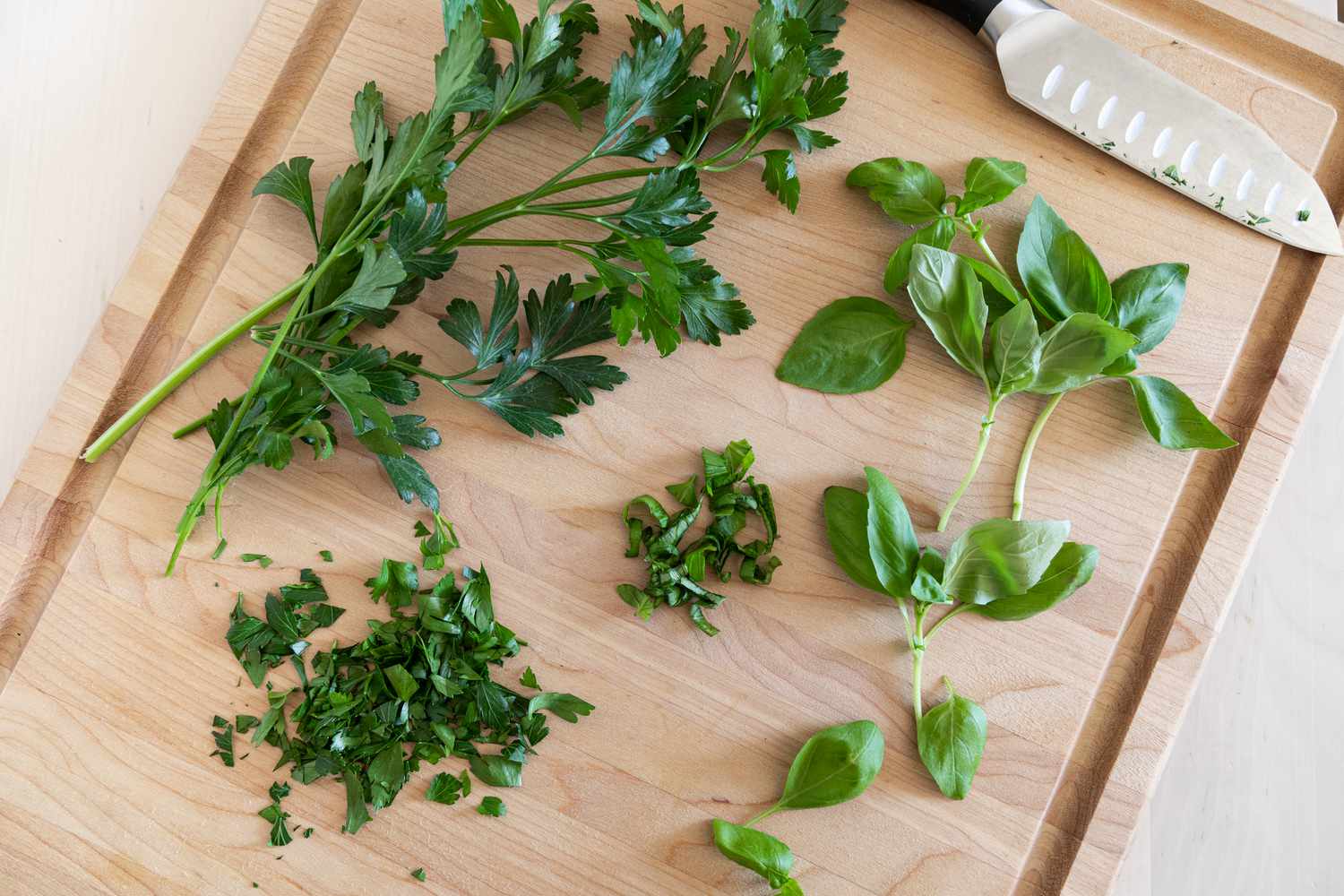
Coarsely Chopped: Unleashing the Flavors of Fresh Herbs in Your Cooking

– A coarsely chopped ingredient is typically cut into 1/2 to 3/4-inch chunks.
– Coarsely chopping is a technique commonly used in cooking.
– Ingredients such as nuts, chilies, onions, and vegetables often require coarsely chopping.
– There is no standard method for coarsely chopping, with some people adhering to the 1/2-inch or 3/4-inch rule and others following their own understanding.
– Coarsely chopping requires a good knife and it is best to choose one that you are comfortable with rather than trying to imitate others.
– The article discusses different techniques for using a knife to chop food.
– The recommended grip technique is the 3-finger grip, where the middle, ring, and pinky fingers hold the handle and the index and thumb hold the upper side of the blade.
– The article encourages experimentation with different techniques and reminds readers to enjoy cooking.
– The article provides instructions for chopping onions into cubes using the claw method.
– The article mentions adjusting the chopping method based on the recipe and visual clues in the dish.
– The article briefly mentions chopping herbs and the difference between coarsely chopping and julienne cut.
– The article suggests using a food processor for those who do not want to improve their chopping skills, but cautions about over-processing and turning the ingredients into a paste.
– Some meats, such as chicken, bacon, and beef, can be coarsely chopped instead of minced.

Continue Reading

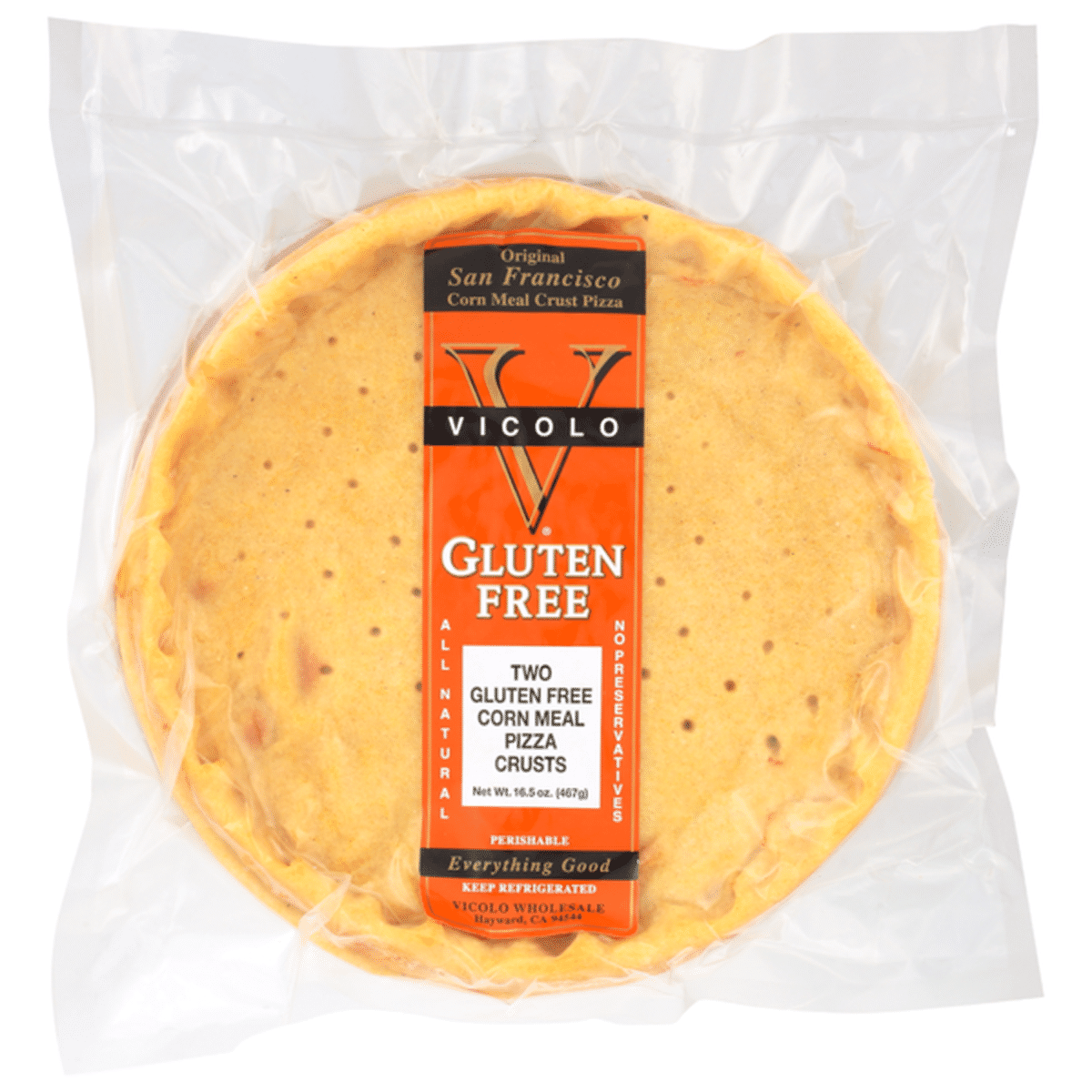
Cornmeal Pizza Crust: A Delicious GlutenFree Alternative

– The article provides a recipe for making a cornmeal pizza crust.
– Cornmeal in the pizza crust gives it the feel of eating a taco or enchilada on a fresh corn tortilla.
– The recipe allows for various Mexican-inspired toppings to be added to the pizza, such as shredded chicken, taco meat, fajita steak, pork carnitas, cheese, tomatoes, onions, green peppers, black or pinto beans, and black olives.
– The crust recipe requires cornmeal, sugar, active dry yeast, water, unsalted butter, all-purpose flour, paprika, and salt.
– The dough needs to be mixed, kneaded, and left to rest before rolling it into a 12-inch diameter circle.
– The article does not provide any specific statistics or figures.
– The crust is brushed with butter and baked at 450F for 5-7 minutes until lightly golden. The pizza is then topped and baked for an additional 10-15 minutes until the crust is golden and the cheese is melted.
– There is also a recipe for a Mexican Spiced Pizza Sauce that includes tomato paste, water, paprika, onion powder, chili powder, cumin, garlic powder, cayenne, and salt. The sauce should stand for at least 5 minutes before using. The article states that the sauce has a bit of a kick and suggests omitting the cayenne if a milder flavor is preferred.
– The author, Sarah, is one of the founders of Curious Cuisiniere and has a passion for cultural cuisines. She has experience in professional kitchens and enjoys creating easy-to-make recipes inspired by her travels.

Continue Reading