Can You Freeze Cooked Cabbage? Discover Safe Storage

– Cabbage can be frozen and preserved for months
– The flavor of the cabbage remains unchanged, but the texture becomes softer after thawing
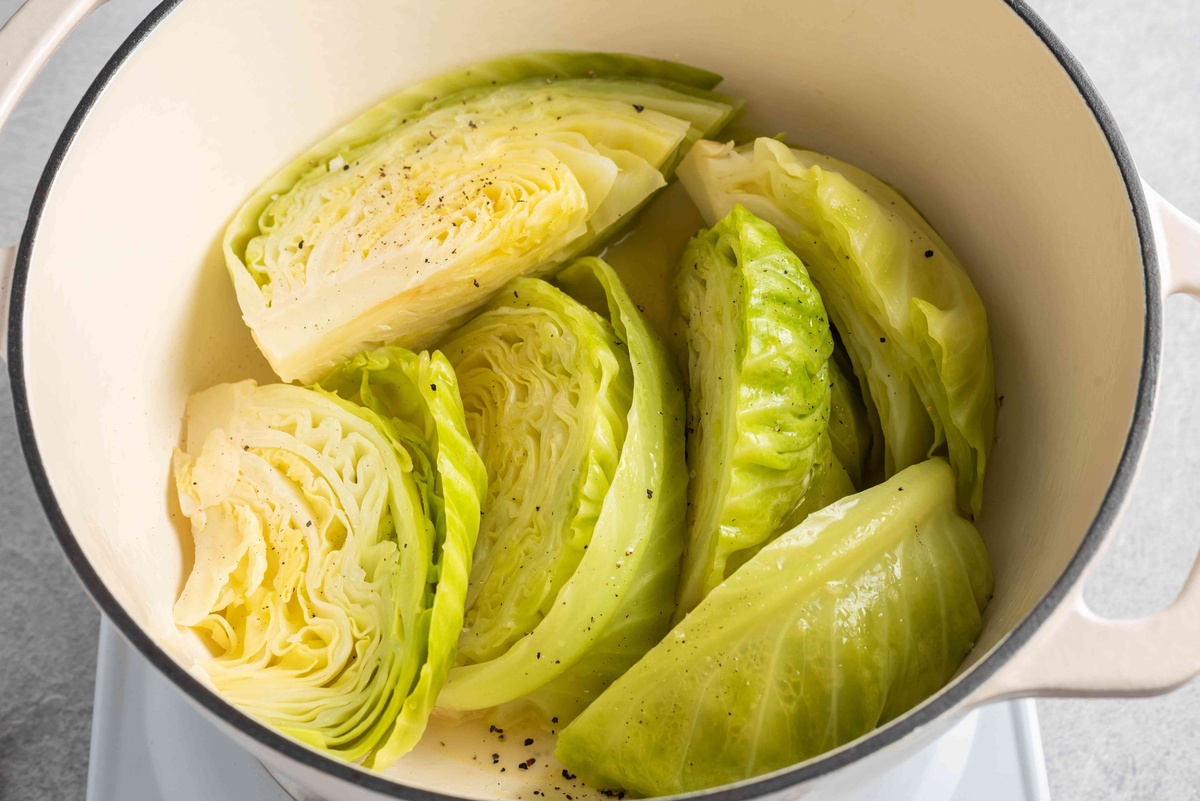
– Frozen cabbage should be used in cooked dishes such as sauteed cabbage, boiled cabbage, soups, and stews
– Cut cabbage lasts in the refrigerator for 3 to 5 days
– Cabbage can be blanched before freezing to retain color and texture
– Procedure to freeze cabbage: shred the cabbage, blanch it for 30 seconds to 1 minute, rinse under cold water, pat dry, flash freeze on a baking sheet for 1 hour, transfer to a container or bag, seal, and mark a “Use by” date 3 months in the future
– Frozen cabbage can be used directly from the freezer in cooked dishes, but not in salads or coleslaw.
– It is recommended to use frozen cabbage within 3 to 6 months, as the flavor may degrade over time.
– Cabbage is a nutritious and inexpensive vegetable that can be enjoyed raw or cooked. It is a source of vitamin C and fiber, low in calories and fat, and contains antioxidants and phytochemicals.
– Different types of cabbage are available in Canada throughout the year, including green cabbage for soups and stews, purple cabbage for pickled dishes and salads, and Napa cabbage for stir-frying.
– Local cabbage can be purchased at grocery stores or farmer’s markets to support local farmers. When buying cabbage, choose firm and heavy heads with fresh and crisp-looking leaves.
– Cabbage can be stored in the refrigerator for up to two weeks, and cooked cabbage should be refrigerated and used within 3-5 days.
– Fresh or cooked cabbage can also be frozen for 10-12 months.
– To cook cabbage, remove outer leaves and shred it before microwaving, pickling, baking, steaming, stir-frying, or boiling.

Continue Reading

Do grapes need to be refrigerated for freshness?

– Grapes should be stored in the fridge at about 30-32 degrees Fahrenheit with 90-95% humidity.
– Storing grapes next to smelly foods like onions or fish can cause them to absorb odors.
– Grapes should be stored unwashed and kept dry until ready to eat to prevent decay.
– Grapes need breathing room and should not be stored in airtight containers.
– Frozen grapes can be used in smoothies, cocktails, or as a healthy snack.
– Grapes stored in a well-ventilated container in the fridge can last up to three weeks.
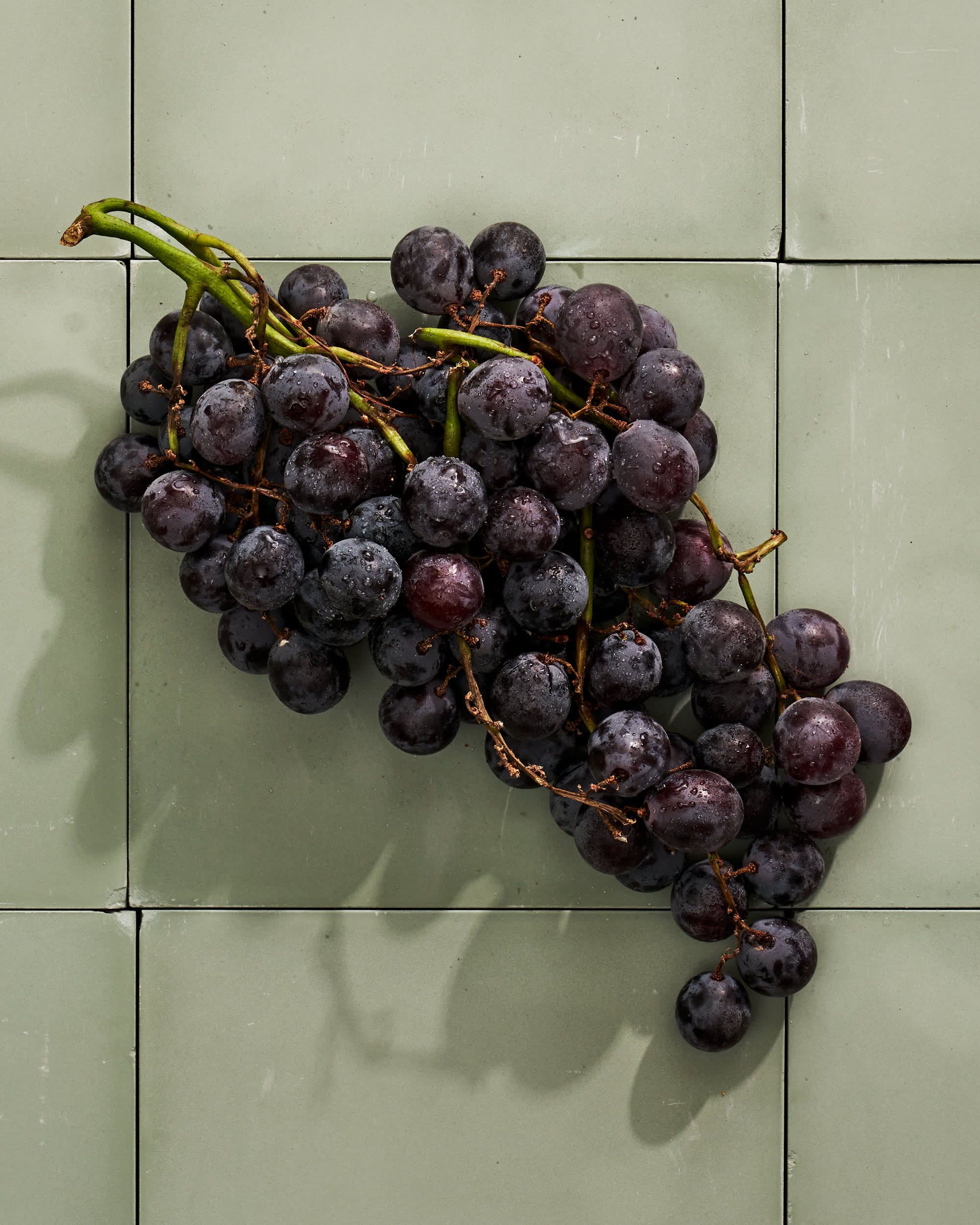
– Good grapes are plump, round, and free from shriveling, discoloration, or molding.
– Grapes with stems that are firm and attached securely are preferable.
– A thin white film on grapes called “bloom” is a natural waxy layer that protects them.

Continue Reading

Sockeye vs Atlantic Salmon: Unveiling Nutritional Differences, Taste, and Habitat

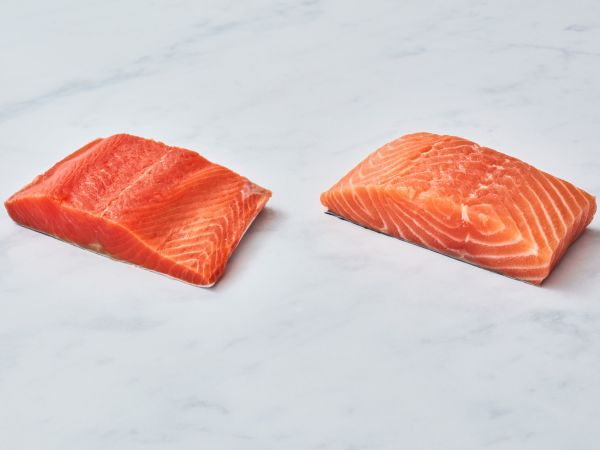
Sockeye and Atlantic salmon are two popular types of salmon with several differences between them. Sockeye salmon spawn in freshwater rivers and lakes, while Atlantic salmon spawn in freshwater rivers but spend most of their adult life in saltwater. Sockeye salmon has a higher fat content and a brighter red color due to the pigment astaxanthin. Both types of salmon are rich in protein and omega-3 fatty acids. Sockeye salmon is native to the North Pacific Ocean, while Atlantic salmon is native to the Atlantic Ocean. Sockeye salmon is considered leaner with a firmer texture and more pronounced flavor, while Atlantic salmon has a higher fat content, making it softer and more buttery. Sockeye salmon is not considered endangered, but Atlantic salmon is endangered in some areas due to overfishing, habitat loss, and pollution. Sockeye salmon are smaller in size compared to Atlantic salmon, with an average weight of 2 to 7 pounds for sockeye and up to 20 pounds or more for Atlantic salmon. Sockeye salmon have a bright red body with a green head, while Atlantic salmon are silver in color. The red color of sockeye salmon is due to the high concentration of carotenoids in their diet, which is important for marketability. Sockeye salmon are primarily found in the Pacific Ocean, from Alaska to Japan. They are also found in lakes and rivers throughout the Pacific Northwest. Atlantic salmon are found in the North Atlantic Ocean, from North America to Europe. They are also found in rivers and lakes along the Atlantic coast. Both species are anadromous, meaning they migrate from freshwater to saltwater to spawn. Sockeye salmon require freshwater and saltwater habitats, as well as specific spawning habitats in freshwater. Atlantic salmon require similar habitats but are more tolerant of brackish water. Both species have been introduced to other parts of the world, including the Great Lakes in North America and New Zealand. Both types of salmon are high in protein and omega-3 fatty acids, with around 22-25 grams of protein per 100 grams of fish. Sockeye salmon contains 1.3 grams of omega-3 fatty acids per 100 grams of fish, while Atlantic salmon contains 0.5 grams. Sockeye salmon has around 6 grams of fat per 100 grams of fish, while Atlantic salmon has around 13 grams. Sockeye salmon has around 130 calories per 100 grams of fish, compared to around 200 calories for Atlantic salmon. Both types of salmon are rich in essential minerals. Atlantic salmon has a higher amount of saturated fat compared to Sockeye salmon. Sockeye salmon has a robust, intense flavor, while Atlantic salmon has a milder taste. Sockeye salmon has a firmer texture and is less oily, while Atlantic salmon has a buttery texture. Wild-caught Sockeye salmon is preferred for its taste, color, and texture over farmed Atlantic salmon. Both types of salmon can be cooked using various methods, but Sockeye salmon is better for grilling or smoking, while Atlantic salmon is better for baking or broiling. There are concerns about the sustainability of salmon farming and its impact on the environment. Farmed salmon can have negative impacts on wild salmon populations and can lead to the spread of disease and contamination. Some salmon farms are working to reduce their reliance on wild fish for feeding. Sockeye salmon and Atlantic salmon have different feed sources and sustainability. Sockeye salmon spawn in freshwater rivers and lakes, maintaining ecosystem health, and their populations are managed for sustainability. Farmed salmon can be more affordable but may have environmental impacts. Both types of salmon offer health benefits such as protein, omega-3 fatty acids, and vitamin D. Sockeye salmon is considered tastier and higher in astaxanthin. One concern is the potential for contaminants in salmon, but levels are generally low. Another concern is the impact of salmon farming on wild fish populations and overfishing of krill. Personal preferences vary in taste and fat content. Sockeye salmon is generally considered healthier due to lower contaminant levels and higher omega-3 concentrations. Sockeye salmon is primarily wild-caught, but some farms raise them. Atlantic salmon is found in the Atlantic Ocean. Sockeye salmon is considered better than Atlantic salmon due to higher levels of omega-3 fatty acids, lower levels of contaminants, and more sustainable fishing practices. Sockeye salmon has a firmer texture and slightly stronger flavor. Both types of salmon contain around 200-250 calories per 100 grams. Sockeye salmon is considered healthier due to higher levels of omega-3s and lower levels of contaminants. Sockeye salmon has higher levels of EPA and DHA omega-3 fatty acids compared to Atlantic salmon. Atlantic salmon also contains omega-3s but in lower concentrations than sockeye salmon. Sockeye salmon and Atlantic salmon are two popular types of salmon. Sockeye salmon spawn in freshwater rivers and lakes, while Atlantic salmon spawn in freshwater rivers but spend most of their adult life in saltwater. The habitat and spawning behavior of the two types of salmon can affect their taste and texture. Both types of salmon are high in protein and omega-3 fatty acids. Sockeye salmon has a slightly higher fat content than Atlantic salmon. Sockeye salmon has a brighter red color due to the presence of a pigment called astaxanthin. Sockeye salmon is native to the North Pacific Ocean, particularly Alaska and British Columbia. Atlantic salmon is native to the Atlantic Ocean, particularly Norway, Scotland, and Canada. Sockeye salmon is leaner and has a firmer texture and more pronounced flavor. Atlantic salmon has a higher fat content, making it softer and more buttery in texture. Sockeye salmon is mostly found in freshwater lakes and rivers, while Atlantic salmon is mostly found in saltwater oceans. Sockeye salmon is not considered endangered, but some populations have experienced declines. Atlantic salmon is considered endangered in some areas due to overfishing, habitat loss, and pollution. Sockeye salmon are generally smaller in size compared to Atlantic salmon, with sockeye ranging from 2 to 7 pounds and Atlantic salmon growing up to 20 pounds or more. Sockeye salmon have a bright red body with a green head, while Atlantic salmon are silver in color. Sockeye salmon have a higher concentration of carotenoids in their diet, which gives them their vibrant red color. Atlantic salmon have a more muted color with silver scales. Sockeye salmon are primarily found in the Pacific Ocean, from Alaska to Japan, while Atlantic salmon are found in the North Atlantic Ocean, from North America to Europe. Sockeye salmon prefer freshwater and saltwater habitats with specific spawning habitats in freshwater, while Atlantic salmon are more tolerant of brackish water. Both species have been introduced to other parts of the world, including the Great Lakes in North America and New Zealand. Both sockeye and Atlantic salmon are high in protein and omega-3 fatty acids, with around 22-25 grams of protein per 100 grams of fish. Sockeye salmon has higher omega-3 fatty acid content (1.3 grams per 100 grams) compared to Atlantic salmon (0.5 grams per 100 grams). Sockeye salmon has lower fat content (6 grams per 100 grams) compared to Atlantic salmon (13 grams per 100 grams). Sockeye salmon has lower calorie content (130 calories per 100 grams) compared to Atlantic salmon (200 calories per 100 grams). Both types of salmon are rich in essential minerals such as sodium, potassium, iron, calcium, copper, and phosphorus. Atlantic salmon has higher amounts of saturated fat compared to Sockeye salmon. Sockeye salmon has a stronger flavor and firmer texture, while Atlantic salmon has a milder taste and buttery texture. Consumers perceive Atlantic salmon as having a better taste than other farmed salmon species. Wild-caught Sockeye salmon is preferred over farmed Atlantic salmon for its taste, color, and texture. Sockeye salmon is better for grilling or smoking, while Atlantic salmon is better for baking or broiling. Farmed salmon, including Atlantic salmon, is popular but raises concerns about sustainability and environmental impact. Salmon farming can negatively impact wild salmon populations and contaminate the environment. The use of antibiotics and pesticides in salmon farming can lead to the spread of disease. Farmed salmon are often fed with fishmeal made from wild-caught fish, leading to overfishing and depletion of wild fish populations. Sockeye salmon and Atlantic salmon are both types of fish that offer health benefits. Sockeye salmon is considered more sustainable as they mate and spawn in freshwater rivers and lakes. Farmed salmon, including Atlantic salmon, can be more affordable and readily available but may have potential environmental impacts. Both types of salmon are a good source of protein, omega-3 fatty acids, and vitamin D. Sockeye salmon is often considered tastier with a richer flavor and firmer texture. Sockeye salmon is higher in astaxanthin, a powerful antioxidant linked to various health benefits. Contaminants like mercury, PCBs, and dioxins can be a concern with salmon consumption,

Continue Reading

Condensed Milk Substitute: Discover Healthier Options for Desserts

– Commercial condensed milk has a high calorie content.
– Homemade sugar-free condensed milk can be a healthy substitute.
– Evaporated milk can be used as a quick substitute for sweetened condensed milk.
– By cooking evaporated milk with an equal amount of sugar, it can be turned into sweetened condensed milk.
– Heavy cream can be used as a substitute for sweetened condensed milk by reducing its volume and adding sugar.
– Powdered milk can be rehydrated with hot water and mixed with butter and sugar to make a substitute for sweetened condensed milk.
– Canned coconut milk is a vegan and dairy-free substitute for sweetened condensed milk.
– Coconut milk is recommended as a substitute for condensed milk in baking. It is advised to use full-fat coconut milk for a creamier consistency. Sweeten with sugar if desired.
– Coconut cream, made from blending coconut meat and water, is another non-dairy option. It can be used as a 1:1 substitute for condensed milk and can be sweetened with sugar.
– Cream of coconut, sweeter and pre-mixed with sugar, is different from coconut cream. It is vegan-friendly and can be used as a substitute for condensed milk in recipes like coconut cheesecake.
– Nut milk with cashews is a healthy and vegan substitute for sweetened condensed milk. It is made by blending cashews, maple syrup, sea salt, nut milk (preferably almond milk), and vanilla extract. Adjust the thickness by adding more milk.

Continue Reading

How long does it take a refrigerator to get cold? The science behind optimal cooling efficiency for food storage

– Full-size refrigerators take an average of 12 hours to cool to the FDA-recommended food-safe temperature of 40°F.
– Cooling time varies by refrigerator type and brand, ranging from 2 to 24 hours.
– Mini fridges have an average cooling time of 4 hours.
– Cooling time is the same whether it’s a new refrigerator or power has been regained after an outage.
– Cooling times vary significantly across brands, for example, Whirlpool refrigerators take 24 hours to cool down while Samsung models only take 2 hours.
– There is a chart with cooling times for different refrigerator types and brands.
– The best way to determine your refrigerator’s specific cooling time is to refer to the user manual or installation guide provided by the manufacturer or trusted retail sites.
– Factors that impact cooling time include the size of the refrigerator.
– A smaller refrigerator takes around 4 hours to cool, while larger fridges take around 24 hours.
– The starting temperature of the fridge can be affected if it is stored in a hot environment.
– Room temperature can impact the cooling period of the fridge.
– Older refrigerators and those in poor condition take longer to cool down.
– Dusty, dirty, and clogged coils can slow down cooling times.
– Parts such as the thermostat, blocked air vents, damaged door seal, condenser fan, and faulty compressor can affect cooling speed.
– A well-stocked fridge cools better as there is less room for warm air.
– Opening the fridge door during the cooling process slows down cooling.
– Tips for speeding up the cooling process include keeping the door closed, cleaning the coils every six months, ensuring good airflow, properly plugging in the fridge, and maintaining room temperature.
– Putting a bag of ice or an ice block in the fridge can aid the cooling process.

Continue Reading

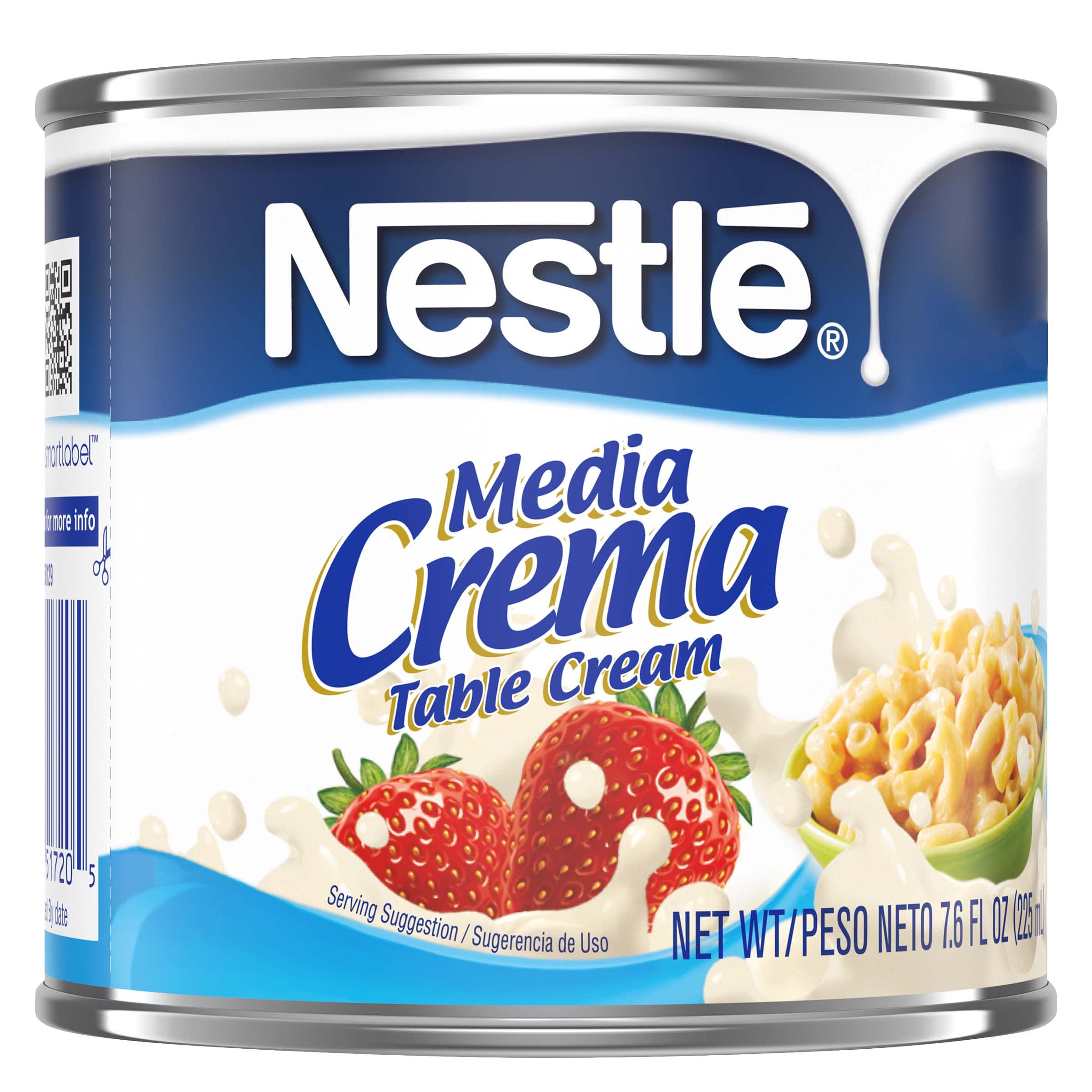
Media Crema in English: Exploring the Versatile Condensed Cream

Media crema is a common ingredient in Mexican cuisine and is used in dishes such as stews, soups, and sauces. It can be found in the international aisle of grocery stores and is characterized by its lower fat content compared to heavy cream and sour cream. Media crema can also be used as a garnish for enchiladas and tacos, as well as in desserts like flan and tres leches cake. If media crema is unavailable, sour cream can be used as a substitute due to its versatility and similar taste and texture.

Yogurt: Natural yogurt, with its tangy taste and creamy consistency, can be used as a substitute for media crema. It can be used as a garnish or an ingredient in recipes.

Creme fraiche: Although it has a higher fat content compared to media crema, creme fraiche can be used as a substitute. It has a similar creamy texture and can enhance the taste of dishes.

Half and half cream: Made with equal parts milk and light cream, half and half cream can be a sweeter substitute for media crema. It can be added to soups, stews, and sauces for a creamy element.

Evaporated milk: With its concentrated taste and velvet-like texture, evaporated milk can be a plausible replacement for media crema. However, it has a higher fat content, so it may not be suitable for low-fat diets. Adding cornstarch can help thicken sauces if evaporated milk makes them thinner.

Mascarpone: This Italian cream cheese has a thick, creamy texture and a rich, buttery flavor. It can be used as a substitute for media crema and can even be whipped for a light and airy consistency.

Each substitute offers its own unique qualities and can add a creamy element to dishes. Experimenting with these substitutes can help find the best option for each recipe.

Continue Reading

Ox vs Cow: The Differences, Roles, and Traits

1. Oxen and cows both belong to the Bos genus.
2. Oxen are castrated mature males, while cows are mature females that have been bred.
3. Oxen are larger, heavier, and more muscular than cows.
4. Oxen are used solely for work purposes and are often trained for four years.
5. Cows are used to birth calves, raised for milk, and slaughtered for meat.
6. Most species of oxen have horns, while some species of cows also have horns.
7. Oxen have muscular, rounded shoulders and a large head with a prominent brow ridge.
8. Cows possess udders and have a wider midsection with more angular shoulders.
9. Oxen are usually four years or older, while cows are two years or older as long as they have had a calf.
10. Oxen are shod for working in difficult situations, while cows are not shod.
11. The greatest differences between oxen and cows are their sex, purpose, and age.
12. Female oxen can exist if the owner needs a work animal but does not have a male available, but cows are always female by definition.
13. Heifers become cows after giving birth and are sexually mature at 12-15 months.
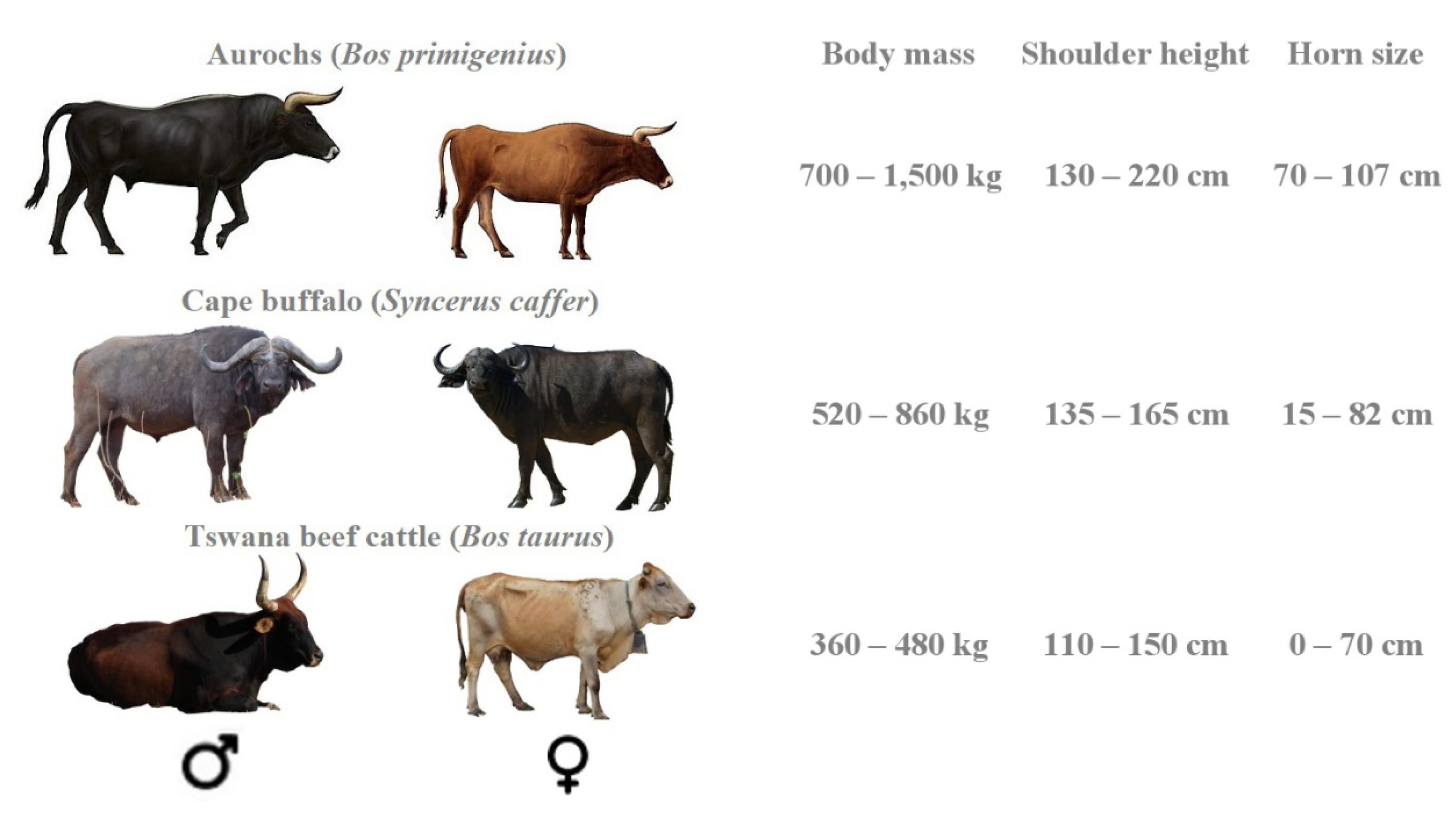
14. Oxen can weigh up to 2,200 lbs and stand almost 5ft at the shoulders, while cows can weigh up to 1,760 lbs.
15. Oxen are bred and trained to work on farms and in other areas, while cows are used for breeding, milk production, or meat consumption.
16. Oxen have been used as work animals for thousands of years.
17. Oxen are typically trained for about four years before beginning work.
18. Oxen need to be shod for working, while cows do not require shoes.
19. Oxen are cloven-hoofed, so humans use a careful process to bind and shoe them.
20. Oxen are smarter than cows because they are trained to use their intelligence.

Continue Reading

Mint Substitute: Discover budgetfriendly options for aromatic recipes

Here is the revised list of mint substitutes, removing any duplication and making sure it is pertinent to the keyword “mint substitute”:

1. Flat Leaf Parsley: Subdued flavor compared to mint, adds freshness and visual greenery.
2. Coriander (Cilantro): Packs a big flavor punch, gives an Asian or Mexican vibe.
3. Basil: Aromatic freshness works well as an alternative to mint.
4. Dried Mint: Significantly more intense in flavor than fresh mint, use sparingly.
5. Peppermint Tea Leaves: Also more intense in flavor than fresh mint, use sparingly.

Continue Reading