Unlocking the Nutritional Value of U Foods: Exploring Upland Rice, Ube, and More!

– Udon: thick, chewy Japanese noodle made from wheat flour
– Umbrella fruit: sour fruit with flavors of mango and pineapple, often eaten with chili powder, shrimp paste, salt, and sugar
– U-NO bars: sweet treat with a smooth, rich chocolate truffle-like center with crushed almonds, covered in milk chocolate
– Ukrainian rolls (pampushki): garlic rolls traditionally served with Ukrainian dishes like borsch
– Unagi: freshwater eel, a pricey delicacy in Japan, usually skewered and grilled with soy-based sauce
– Umble pie: a pie filled with chopped or minced organs of a beast, often made with deer meat
– Ugli fruit: citrus fruit, cross between an orange and a grapefruit, known for its sweet, citrusy taste and high vitamin C content
– Ube: purple yam from the Philippines, commonly used in Filipino desserts
– Upside-Down Cake: dessert involving caramelized fruit over a sponge cake
– Umbricelli pasta: thicker version of spaghetti with a chewy texture, commonly served with various sauces
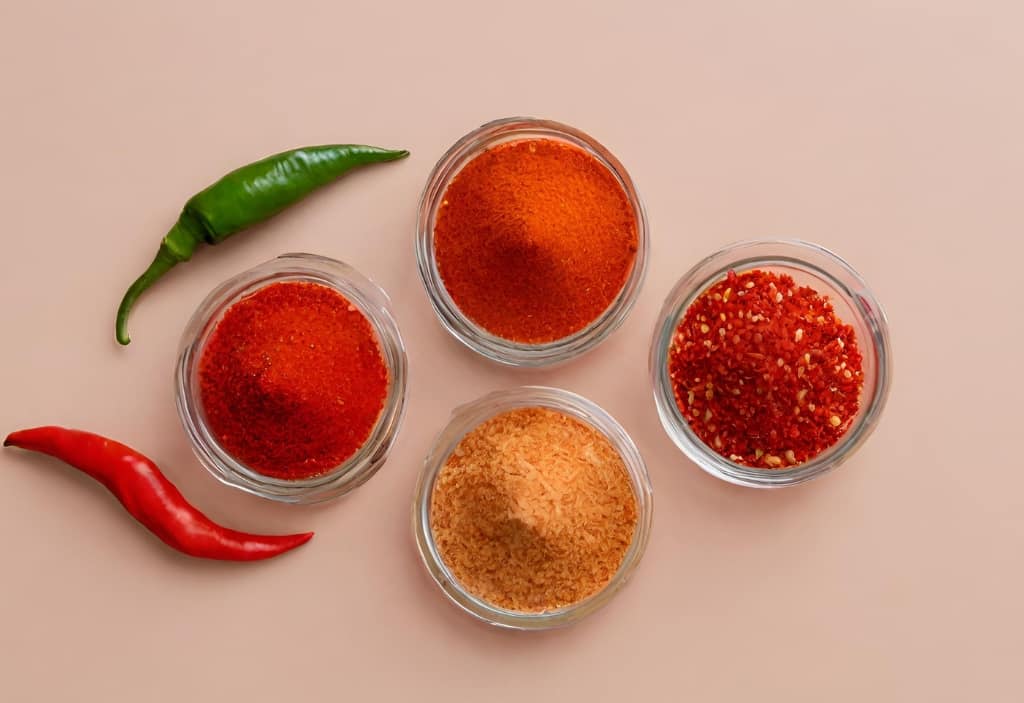
– Urfa pepper flakes: dark flakes of the Urfa chili pepper from Turkey, sweet and smoky flavor with mild heat
– Umami Burger: burger with umami flavors, often achieved through mushrooms or soy sauce and known as the “fifth taste”
– Ugali: thick porridge made with maize or corn, often served as a side dish with meat and vegetables
– Urgelia cheese: semi-firm cheese from Spain with a creamy taste
– Upma: South Indian breakfast dish made from rava or cream of wheat, often served with vegetables
– Utah scones: deep-fried bread inspired by Native American pastries, eaten with powdered sugar and honey
– Umeboshi: traditional Japanese preserved plum with a sour and salty taste, often served as a side dish
– Uszka: small dumplings filled with mushrooms and/or minced meat, traditionally served in Borscht on Christmas Eve in Poland
– Urad dal: small black lentil used in Indian cuisines, high in minerals and protein
Continue Reading

Ground cloves substitute: Discover natural alternatives for flavorful cooking

List of Pertinent Information and Substitutes for Ground Cloves:

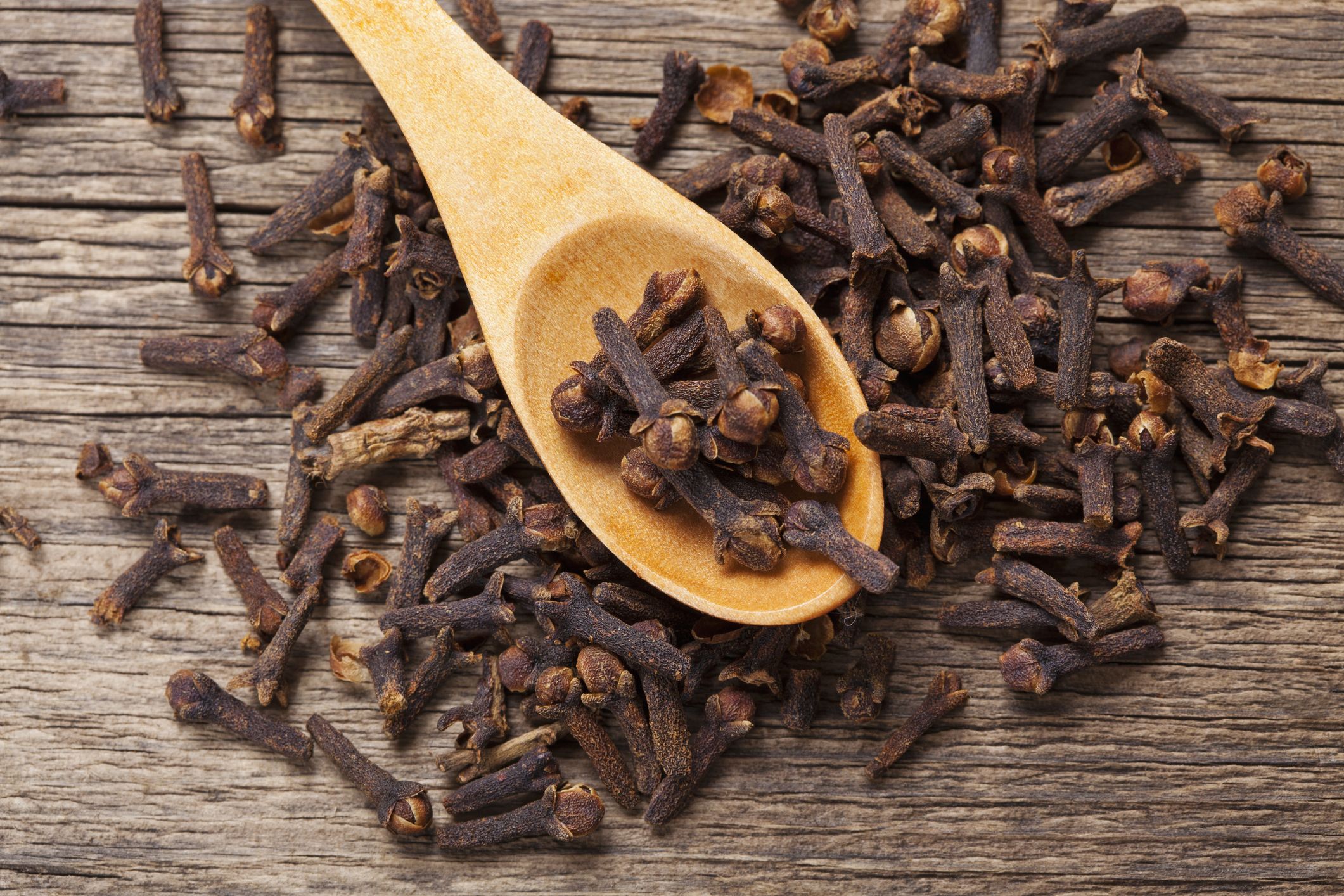
1. Whole cloves can be used as a substitute for ground cloves in recipes, but they may change the texture of the dish. The ratio for substituting ground cloves with whole cloves is 1:1, or 1:2 if freshly ground.

2. Allspice is the closest spice in flavor to cloves and is often used alongside cloves in recipes. Ground allspice can be used as a 1:1 substitute for ground cloves.

3. Nutmeg is another excellent substitute for ground cloves and has a warm, sweet, nutty flavor. Ground nutmeg can be used as a 1:1 substitute for cloves.

4. Cardamom, especially green cardamom, closely resembles ground cloves and can be used in sweet and savory recipes. Ground cardamom is the preferred form for substitution, but no specific ratio is provided.

5. Other substitutes for ground cloves include cinnamon, pumpkin pie spice, apple pie spice, mace, peppercorns, star anise, and fennel. Each substitute has its own flavor profile and can be used as a 1:1 replacement for ground cloves in different dishes.

6. Fennel can be used as a substitute for ground cloves in a 1:1 ratio, as it has a similar flavor profile with hints of licorice.

7. Five-spice powder, a blend of spices including cloves, cinnamon, peppercorns, star anise, and fennel, can also be used as a 1:1 substitute for ground cloves.

8. Cumin can be used as an alternative to ground cloves, although it has a slightly different flavor profile. Use it in a 1:1 ratio for substitution.

9. Various spice combinations, such as nutmeg + allspice, cinnamon + nutmeg, and nutmeg + cardamom, can be used as substitutes for ground cloves in different recipes.

10. Ground cloves can be used as a substitute for ground ginger in a 1:1 ratio as a last resort.

11. Cloves are not only used for flavoring dishes but also offer health benefits such as regulating blood sugar, killing bacteria, and reducing the risk of certain diseases. They can be used in teas and baking recipes as well.

Note: Information about the benefits of consuming ground cloves was mentioned, but specific figures and statistics were not provided in the given text.

Continue Reading

Can You Freeze Cupcakes? Tips for Proper Storage

– Cupcakes can be stored at room temperature or in the refrigerator.
– Unfrosted cupcakes are easier to freeze but frosted cupcakes can also be frozen.
– Cooling cupcakes completely before freezing prevents freezer burn.
– Frosted cupcakes can last at room temperature for 2-3 days.
– To freeze frosted cupcakes, set them on a baking sheet, uncovered container, or muffin tin for 2-3 hours to set the structure and freeze the frosting.
– Wrap each cupcake in plastic wrap before placing them in resealable freezer bags or airtight containers.
– Homemade frosted cupcakes can last up to three months in the freezer.
– Certain frostings, such as mascarpone-based or pastry cream-based, do not freeze well.
– Unfrosted cupcakes can be stored at room temperature for up to 3 days in an airtight container.
– Unfrosted cupcakes can also be stored in the refrigerator for 3 days in a container without tightly wrapping them in plastic wrap.
– Each cupcake should be tightly wrapped in plastic wrap or press and seal before storing.
– Store-bought cupcakes can be stored at room temperature in their original plastic container.
– Refrigeration is recommended if store-bought cupcakes have been refrigerated at the store.
– Store-bought cupcakes can last 3-5 days at room temperature and up to 5 days in the refrigerator.
– American Buttercream frosting can be stored for up to three days at room temperature or five days in the fridge.
– Cream Cheese Frosting can be stored for up to three days in the fridge.
– Mascarpone Frosting can only be stored for 1-2 days in the fridge.
– Whipped Cream Frosting and Chocolate Ganache are not recommended for storage.
– Cupcakes without dairy fillings or dairy-based frosting can be left at room temperature overnight.
– Cupcakes with cream cheese, mascarpone, or whipped cream-based frosting and fillings should be refrigerated.
– Refrigeration is suggested for fresh cupcakes in hot and humid climates.
– Thawing frozen cupcakes takes 1-2 hours.
– Bringing cupcakes back to room temperature before serving is recommended for the best taste.
– Storing unfrosted cupcakes and decorating them later is easier.
– Cupcakes can be frozen for up to three months before frosting.
– Refrigerating cupcakes for 2-3 hours before outdoor events prevents melting.
– Frozen cupcakes may taste slightly different than fresh ones due to various factors.
– Thawed and frosted cupcakes will still be fluffy and moist.
– Cupcakes can be made 3 days in advance and will still taste fresh if properly stored.
– Cupcakes should ideally be frosted within 2 days of baking, but if refrigerated, they can last another day.
– Freezing cupcakes helps keep them moist if wrapped and stored properly.
– Store-bought frosted cupcakes can stay fresh in the bakery box for 3-4 days.
– Cupcakes with perishable toppings should be stored in the refrigerator, and toppings should be added just before serving.
– Cupcakes with crispy toppings should be stored at room temperature.

Continue Reading

Mastering Healthy Cooking Techniques: Air Fryer with Racks

1. Instant Omni Plus Air Fryer Toaster Oven
2. CHEFMAN Multifunctional Digital Air Fryer
3. COSORI Air Fryer Toaster Oven Combo
4. West Bend Air Fryer Oven
5. French fries
6. Crispy chicken wings
7. Mozzarella sticks
8. Chefman
9. Cusinart
10. Ninja Foodi
11. Philips
12. Toaster-oven style air fryers
13. Convection oven style air fryers
14. Traditional pot style air fryers
15. Pre-programmed air fryer models
16. Oil-free frying
17. Oil-less frying
18. Quick frying
19. Multiple dish preparation with air fryer shelves
20. Instant Vortex Plus 6-Quart Air Fryer Oven
21. Interior lighting in air fryers
22. Odor-Erase technology in air fryers
23. Double-layer glass door in air fryers
24. Dishwasher-safe air fryer accessories
25. Auto-off and over-heat protection in air fryers
26. Same size as a regular convection oven
27. 17 preset options in the Chefman air fryer
28. 30 times faster cooking than a traditional oven
29. Three air flow racks in the Chefman air fryer
30. Drip tray in the Chefman air fryer
31. Stainless steel accessories in the Chefman air fryer
32. Less than 98% oil usage in the Chefman air fryer
33. Transparent window with internal lighting in the Chefman air fryer
34. Capacitive one-touch screen in the COSORI air fryer
35. 14-in-1 functionality in the COSORI air fryer
36. 8 preset options in the COSORI air fryer
37. Vesync app for monitoring cooking progress
38. Amazon Alexa integration for monitoring cooking progress
39. Google Assistant integration for monitoring cooking progress
40. Instant Vortex Plus 6-Quart Air Fryer Oven as the best air fryer with shelves

Continue Reading

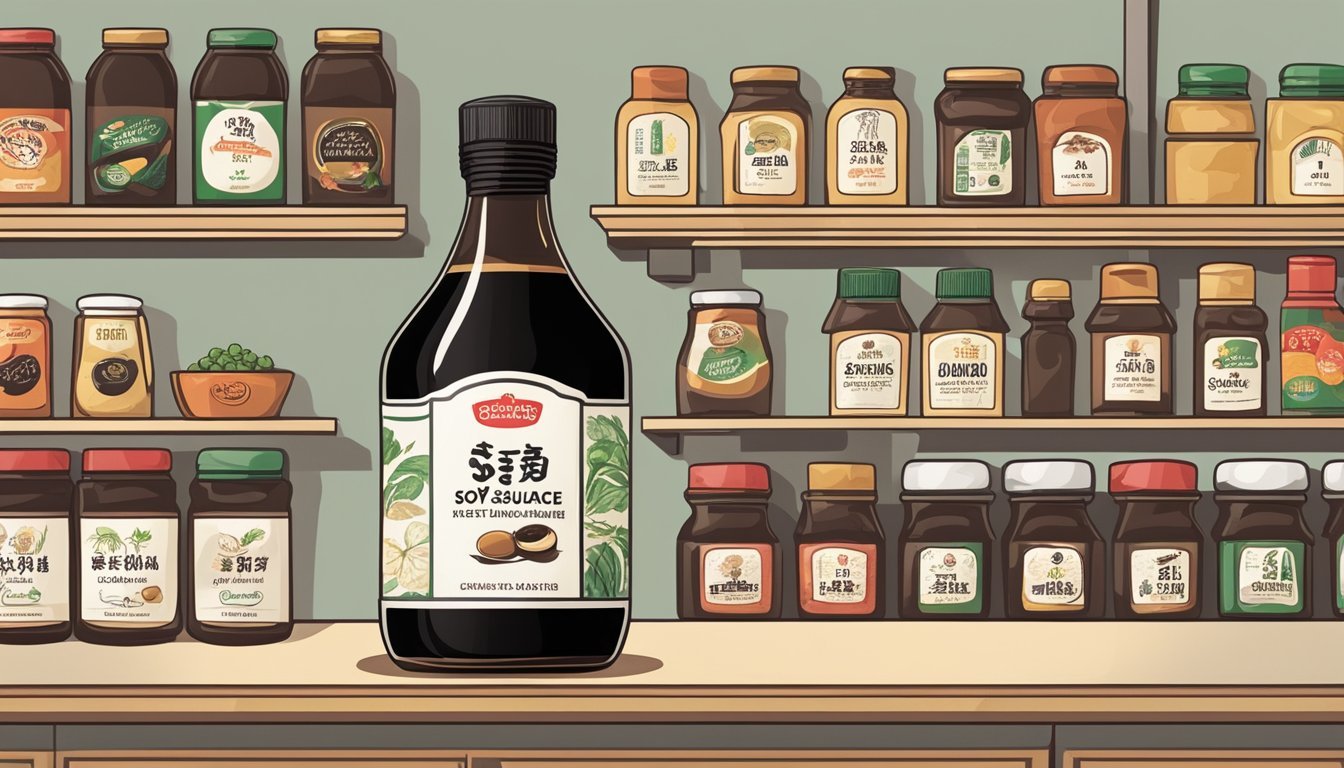
How Long Does Soy Sauce Last? Shelflife, Storage Tips, and Safety

– Properly stored soy sauce does not generally go bad and can be consumed even after several years.
– The high sodium content in soy sauce makes it safe to consume even after several years.
– Regular soy sauce can last indefinitely when unopened.
– An opened bottle of soy sauce can retain its quality for up to six months in the kitchen and up to two to three years when refrigerated.
– Shoyu and tamari, Japanese-style soy sauces, can last up to two years when unopened and stored in a cool and dry place.
– Once opened, the peak flavor of shoyu and tamari lasts for about three months.
– Changes in color and flavor over time in soy sauce are not harmful but indicate oxidation.
– Mold development is a sign to discard soy sauce.
– Soy sauce has a best-before date, and if stored properly, it can be used even after that date.
– Floating particles or a foul odor indicate that soy sauce is spoiled.
– Soy sauce can be stored in the refrigerator to retain its flavor longer.
– Adding water or other ingredients to soy sauce can cause it to spoil.
– It is advised to store soy sauce in a cool and dry area, away from heat sources.
– After opening, soy sauce should be stored at room temperature in the original bottle with a tight screw lid.

Continue Reading

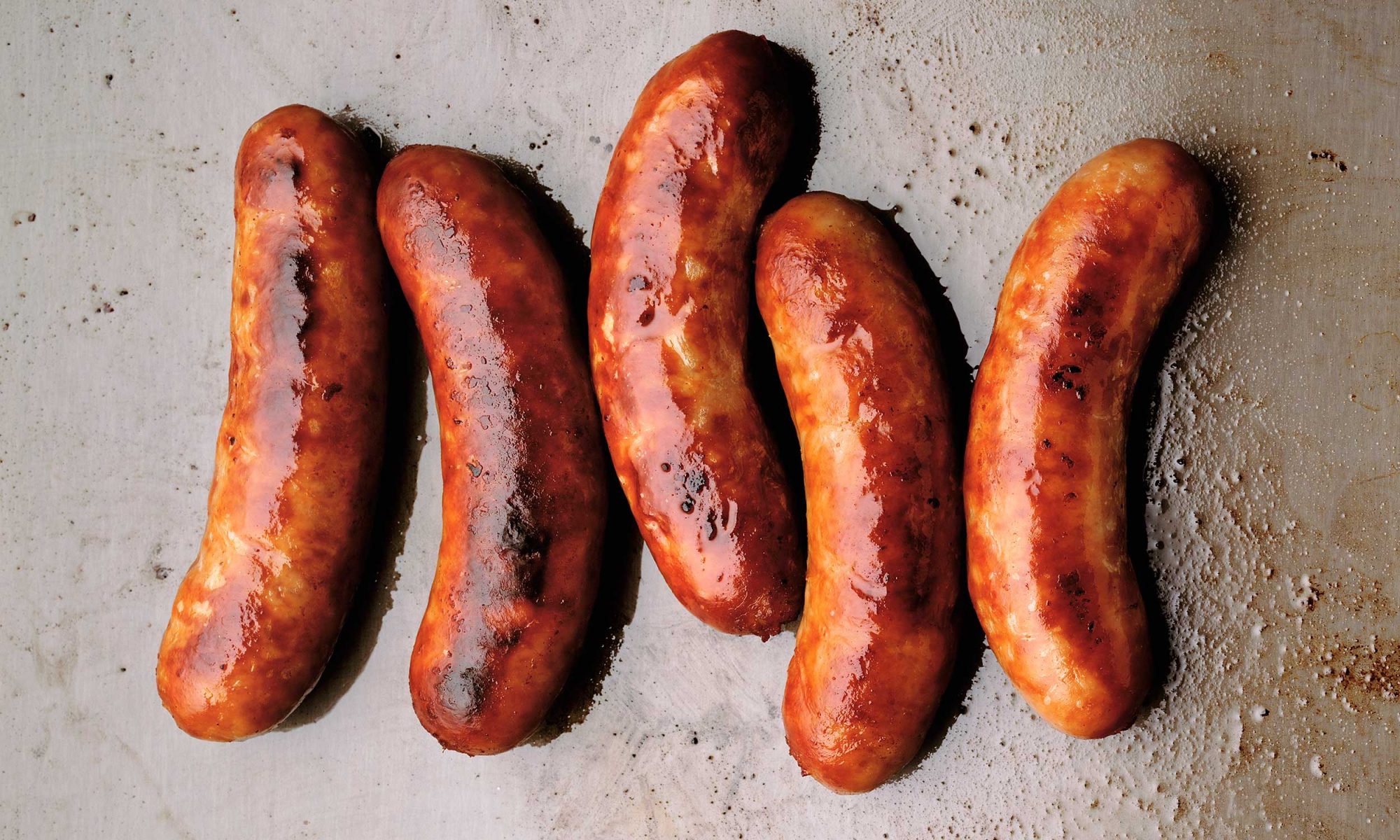
How Long is Cooked Sausage Good for in the Fridge? Expert Tips to Keeping it Fresh!

– Cooked sausage can last in the fridge for a couple of days.
– It is recommended to consume cooked sausage within 3-4 days for maximum freshness and safety.
– Pre-cooked sausages like hot dogs can last up to 7 days in the fridge if stored properly at 40 degrees F or below.
– Pre-cooked sausages can last up to 2 months in the freezer if stored properly.
– Hard and dry-cured sausages like pepperoni can last up to 3 weeks in the refrigerator after opening.
– If perishable food has been left out for more than 2 hours, it should be thrown out to avoid harmful bacteria.
– Raw sausages or cooked sausages can be refrozen as long as they were thawed in the refrigerator and never reached above 40 degrees Fahrenheit or were entirely cooked before freezing.
– The best way to store pre-cooked sausage is in shallow airtight containers or heavy-duty freezer bags, following FDA and USDA guidelines for temperature (fridge at 40˚F or freezer).
– Freezing pre-cooked sausage is a safe way to extend the storage period.
– Pre-cooked sausages can be safely thawed in the microwave or oven.
– Pre-cooked sausages can be heated in various ways such as steaming, pan-frying, grilling, or air frying.
– It is safe to eat cold pre-cooked sausage, but it may be more appetizing when warm or hot.
– Overcooking smoked sausages can cause them to dry out and lose flavor.
– Symptoms of food poisoning from spoiled sausage include vomiting, diarrhea, upset stomach, and sometimes fevers.
– Tips include using different types of sausages to add protein to meals, using an air fryer for quick and easy sausage dishes, steaming for a seared and crunchy casing, cooking frozen pre-cooked sausage straight away, and preventing casings from splitting by poking holes or cutting slivers before cooking.

Continue Reading

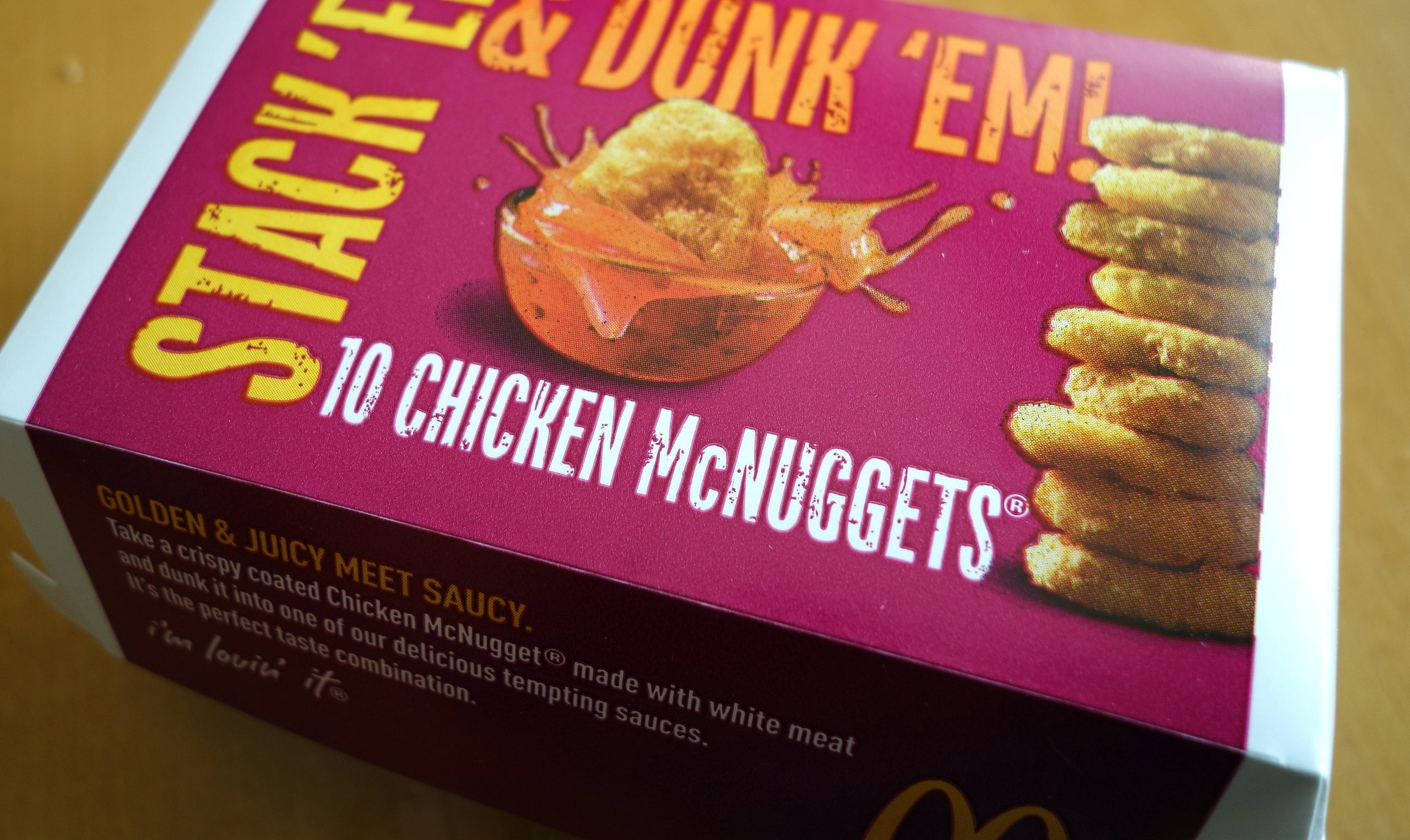
McDonald’s Cheese Dunk: A Deliciously Cheesy Culinary Adventure

– McDonald’s Cheese Dunk
– new product
– savory cheese dip
– Cheeseburger
– Double Cheeseburger
– limited time
– a la carte
– meal
– pairs well
– fries
– nuggets
– chicken
– dine-in
– take-out
– drive-thru
– McDelivery
– 15% discount
– McDonald’s App
– new menu item
– Philippines
– elevate classic favorites
– large portions of cheese
– all McDonald’s stores in the Philippines
– delivery
– March 10th
– supplies last
– additional price
– PHP 45.00

Continue Reading

Discover the Health Benefits of Low Sodium Hot Sauce: An Exciting, Flavorful, and HeartFriendly Condiment for Conscious Eaters

List of Pertinent Information for the Keyword ‘low sodium hot sauce’:

– Many hot sauce brands contain high levels of sodium, up to 410mg per teaspoon.
– The American Heart Association recommends limiting sodium intake to 2,300 milligrams or less per day to avoid high blood pressure and heart disease.
– Choosing low sodium hot sauce can help you stay within recommended sodium limits without sacrificing flavor or heat.
– When choosing a low sodium hot sauce, aim for less than 140mg of sodium per serving.
– Be mindful of portion sizes, as many hot sauces have small serving sizes.
– Some hot sauces may contain unnecessary ingredients like artificial colors and preservatives, including sodium benzoate.
– There are concerns about the potential harmful effects of sodium benzoate, but the small amount found in food is not a major cause for concern.
– The article lists Lola’s Trinidad Scorpion Fine Hot Sauce as the lowest sodium option, with less than 140mg of sodium per serving.
– Low Sodium Hot Sauce: Estimated to have a very low carbon footprint and a very low water footprint. Contains red jalapeno puree, lime juice, vinegar, garlic, and Trinidad scorpion pepper mash. Each 1-tsp serving provides 10mg of sodium. No added sugar. Certified gluten-free.
– Nitro Records Gringo Bandito Hot Sauce: Estimated to have a very low carbon footprint and a very low water footprint. Contains white vinegar, water, habanero peppers, jalapeno peppers, red Japanese chili peppers, salt, spices, and xanthan gum. Each 1-tsp serving provides 25mg of sodium. No added sugar.
– Melinda’s Habanero Honey Mustard Pepper Sauce And Condiment: Estimated to have a very low carbon footprint and a very low water footprint. Contains habanero pepper mash, water, habanero pepper, honey, white vinegar, white onion, mustard flour, sugar, turmeric powder, salt, and xanthan gum. Each 1-tsp serving provides 35mg of sodium.
– Tabasco Pepper Sauce: Estimated to have a very low carbon footprint and a very low water footprint. May contain allergens such as milk, tree nuts, and peanuts. Made with distilled vinegar, red pepper, and salt. Each 1-tsp serving provides 35mg of sodium. No artificial flavors or additives.
– Siete Family Foods Jalapeno Hot Sauce: Estimated to have a very low carbon footprint and a very low water footprint. Contains water, jalapeno pepper, avocado oil, apple cider vinegar, pumpkin seeds, garlic, sea salt, tomatillo, flax seeds, quillaja extract, chia seeds, and turmeric. Each 1-tsp serving provides 45mg of sodium. Mild/medium heat. No sugar added.
– Yai’s Thai Chili Garlic Hot Sauce: Estimated to have a very low carbon footprint and a very low water footprint. Made with water, Thai chilis, garlic, lime juice, vinegar, shallots, sunflower oil, and sea salt. Each 1-tsp serving contains 40mg of sodium. Extra hot. No sugar added. Gluten-free.
– Sriracha Hot Chili Sauce: Estimated to have a very low carbon footprint and a very low water footprint. Made with chili, sugar, salt, garlic, distilled vinegar, potassium sorbate, sodium bisulfite as preservatives, and xanthan gum. Each 1-tsp serving provides 80mg of sodium. Medium heat. Contains added sugar and preservatives.
– Mezzetta Sauce Hot California Habanero: Estimated to have a very low carbon footprint and a very low water footprint. Made with water, California chili peppers, habanero peppers, tomato paste, distilled vinegar, sea salt, garlic, onion, spices, and xanthan gum. Each 1-tsp serving provides 80mg of sodium. No added sugar.

Note: The information was edited to remove duplication and include only pertinent information related to the keyword ‘low sodium hot sauce’.

Continue Reading

What is Draft Beer: A Guide to Brew Perfection

– Draught beer, also spelled draft, is beer served from a cask or keg rather than from a bottle or can.
– The term “draught” is used in the United Kingdom, Ireland, Australia, and New Zealand, while “draft” is more commonly used in North America.
– Draught beer served from a pressurised keg is also known as keg beer.
– Canned and bottled “draught” beers are a marketing tactic and not true draught beer.
– Draught beer generally tastes better than bottled beer due to factors like the brewing process, storage, and dispensing.
– Unpasteurised and unfiltered brews are considered more flavorful.
– Storing beer in cask or steel kegs prevents sunlight and oxygen from affecting the freshness.
– Variables like transportation, temperature, and tap line maintenance can impact the quality of draught beer.
– Commercially-sized beer kegs range from 20L to 50L, suitable for large crowds or events.
– Mini-kegs are smaller, coming in a 5L size, containing about 10 pints.
– Keg beer can last 45-60 days if non-pasteurised, and 90-120 days if pasteurised.
– Once opened, draught beer remains fresh for 8-12 hours.
– The price of a keg of beer varies based on its size.

Continue Reading