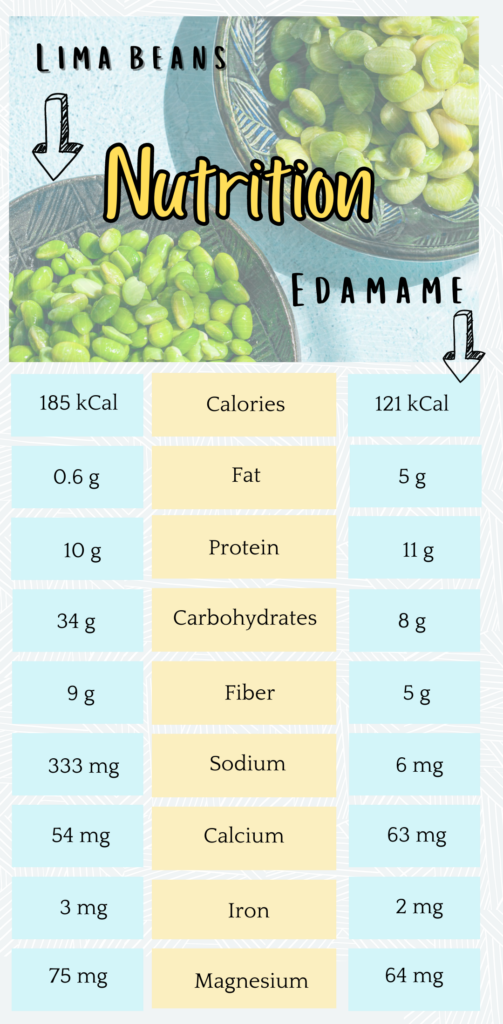
Edamame vs Soybeans: Nutritional Differences, Health Benefits, Cooking

– Edamame beans are soybeans that are harvested when they are still young and tender.
– Edamame beans are typically eaten as a fresh steamed vegetable.
– Soybeans are left to mature and harden.
– Edamame beans are served fresh, often steamed.
– Soybeans are used to make various soy products such as tofu, soy milk, and soy sauce.
– Both edamame and soybeans are a good source of protein.
– Edamame provides 18.2 grams of protein per 100 grams.
– Mature raw soybeans contain 36.5 grams of protein.
– Edamame beans are low in calories.
– Edamame beans have 172 calories per 1/2 cup serving.
– Roasted soy nuts and whole raw soybeans contain 449 calories.
– Edamame beans have a low count of carbohydrates.
– Edamame beans have 8.4 grams of carbs per 100 grams.
– Dry roasted soy nuts and whole raw soybeans contain about 30 grams of carbs.
– Both edamame and soybeans are low in saturated fat and do not contain cholesterol.
– Raw mature soybeans contain 19.9 grams of total fat.
– Edamame beans contain 9 grams of total fat.
– Edamame beans contain 1,981 milligrams of monounsaturated fat and 5,064 milligrams of polyunsaturated fat per 100 grams.
– Raw soybeans contain 4,404 milligrams of monounsaturated fat and 11,255 milligrams of polyunsaturated fat per 100 grams.
– Raw soybeans have higher amounts of essential minerals compared to edamame beans.
– Soybeans have higher percentages of calcium, iron, potassium, magnesium, zinc, copper, manganese, phosphorus, and selenium compared to edamame beans.
– Edamame beans contain less thiamin, riboflavin, vitamin B5, vitamin B6, and folate compared to soybeans.
– Edamame and soybeans are high in fiber.
– A 1/2 cup of raw soybeans contains 37% of the daily value of fiber.
– Edamame beans contribute 24% of the daily value of fiber in the same-sized serving.
– The fiber content in soybean products and edamame may help lower cholesterol.
– Soybeans and edamame contain compounds such as antioxidants, isoflavones, lecithins, and saponins that have protective effects on the heart.
– Increased consumption of soybeans and edamame is recommended for a cardioprotective diet.
– Soybeans and edamame are rich in minerals important for bone health.
– Soy isoflavones have shown potential positive effects on bone health by reducing bone resorption and stimulating bone formation.

Continue Reading

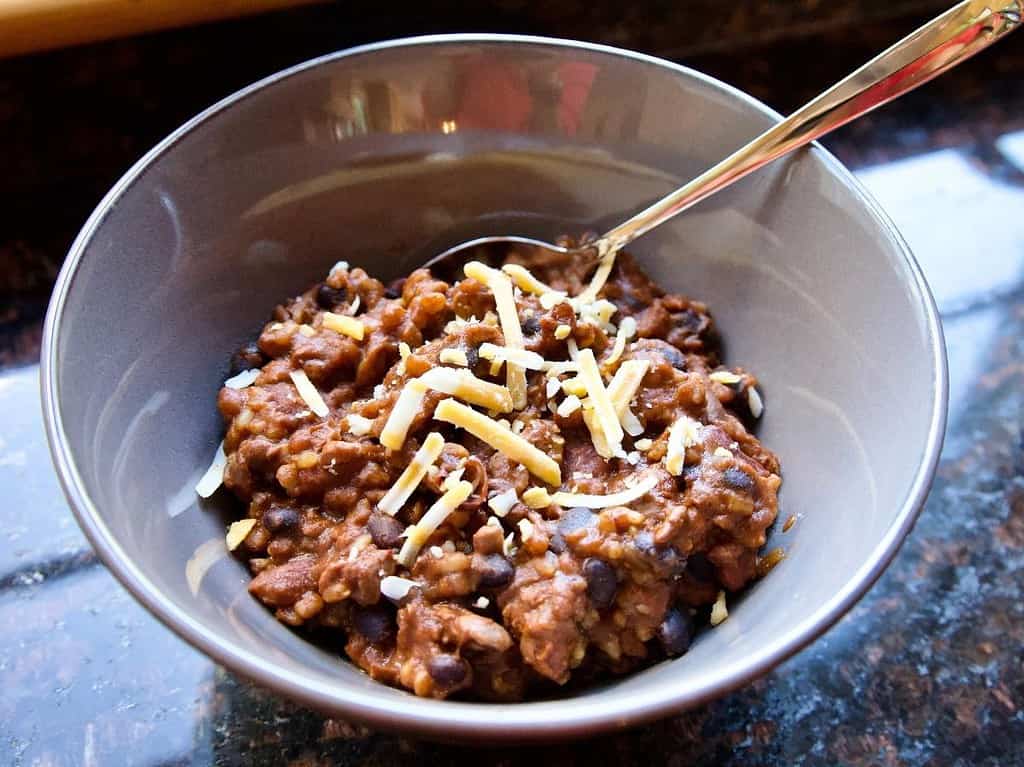
The Best Beans for Chili: A Guide to Choosing the Perfect Legumes for Hearty and Flavorful Recipes

Based on the given text, the pertinent list of best beans for chili would include:

1. Kidney beans
2. Black beans
3. Pinto beans
4. Great Northern beans (for white chili)
5. Cannellini beans (for white chili)

Please note that the text does not provide specific information about the “best” beans for chili, but it does mention these types of beans as commonly used in chili recipes.

Continue Reading

How Long Can Almond Milk Sit Out Safely?

– Almond milk is different from cow’s milk and doesn’t go bad in the same way.
– Homemade or refrigerated almond milk should not sit out for more than two hours.
– Unopened shelf-stable almond milk can sit out until the expiration date (generally 6-12 months).
– Homemade almond milk can be kept fresh for about 7 days in the refrigerator.
– Store-bought refrigerated almond milk is made the same way as homemade but with added ingredients to prolong shelf life.
– Almond milk manufacturers use pasteurization to kill bacteria, allowing the milk to stay fresh for weeks.
– After opening refrigerated almond milk, it should last about seven days.
– Almond milk should not sit out at room temperature for more than two hours.
– Unopened shelf-stable almond milk can sit out longer than opened almond milk.
– Shelf-stable almond milk can last several months or up to a year without refrigeration.
– Opened almond milk (regardless of type) can last about 7 days after opening.
– If refrigerated or opened shelf-stable almond milk is left out for more than two hours, it is recommended to throw it away to avoid potential food poisoning symptoms.
– Leaving almond milk out, even for a short time, can lead to the growth of mold and bacteria, increasing the risk of food poisoning.

Continue Reading

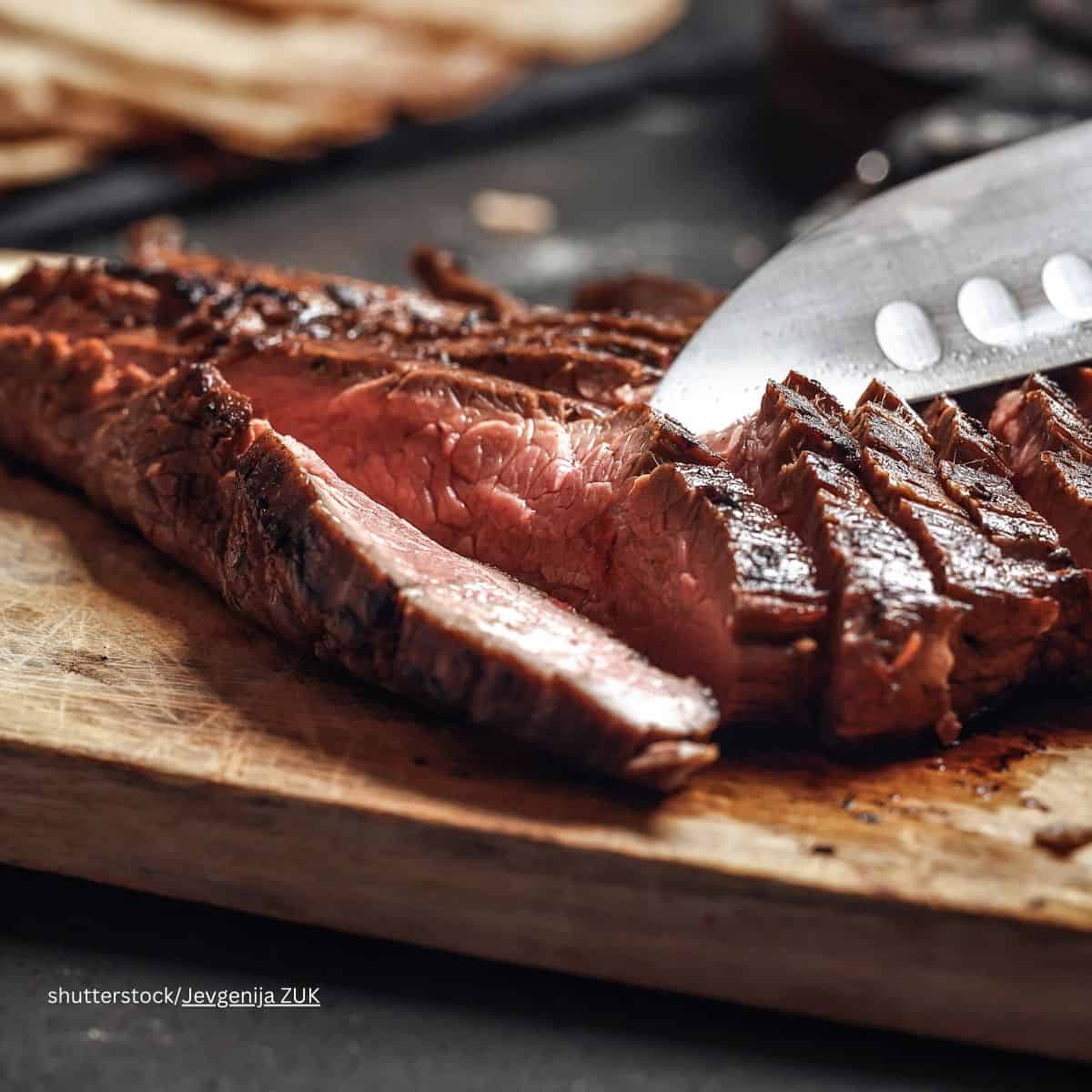
Flank Steak Alternative: Delicious and Versatile Protein Options

– Flank steak comes from the abdominal muscles of the cow and has a pronounced grain.
– It is popular because it is flavorful, relatively lean, and cooks quickly.
– Flank steak doesn’t contain much fat and benefits from a marinade to infuse flavor and tenderize the meat.
– Flank steak is commonly used in dishes like fajitas, stir-fries, and salads.
– To prevent toughness, it is important to cut flank steak against the grain.
– Using a meat thermometer is recommended to determine the internal temperature when cooking flank steak.

Continue Reading

Does Arnold Palmer have caffeine? The truth behind the iconic drink

– Arizona Arnold Palmer Half and Half contains 15 mg of caffeine in a 16.9 fl oz bottle.
– The Zero version of Arnold Palmer Half & Half has the same caffeine content as the original.
– All Iced Teas made from brewed tea will have caffeine.
– Caffeine content may vary depending on the size and brand of the drink.
– An average 8 oz cup of brewed coffee contains around 95mg of caffeine.
– The ingredients in the drink include black teas, filtered water, cane sugar, lemon juice, pear juice, citric acid, ascorbic acid (vitamin C), natural flavors, gum acacia, and ester gum.
– The drink contains 44 grams of sugar and 180 calories per 16.9 fl oz bottle.
– The Arizona Arnold Palmer Half and Half drink comes in a variety of packages.
– The Arizona Arnold Palmer Half and Half is made by Arizona Iced Tea and consists of half lemonade and half water.
– The caffeine content of the Arizona Arnold Palmer Half and Half can vary depending on the brand and type of iced tea used.
– The available flavors of the Arizona Arnold Palmer Half and Half drink include Raspberry, Strawberry, Lemon, Green Tea, and Mango.
– The drink can be bought in 16 fl oz cans and 23 fl oz bottles.
– There is also a lower calorie version called Half and Half Light, which contains artificial sweeteners and approximately half the calories of the original version.
– Arnold Palmer Half and Half is a low-calorie beverage made with a blend of iced tea and lemonade.
– The nutritional content of a 16 fl oz can includes 100 calories, 0 grams of fat, 0 grams of saturated fat, 0 grams of trans fat, 0 milligrams of cholesterol, 10 milligrams of sodium, 26 grams of carbohydrates, 0 grams of fiber, 26 grams of sugar, and 0 grams of protein.
– The drink is sweetened with high fructose corn syrup or other sweeteners.
– The serving size depends on the container size and brand, with a 16 fl oz can being one serving and a 23 fl oz bottle being one serving.
– Consuming more than the recommended serving size can contribute to weight gain and other health issues.
– The combination of iced tea and lemonade in Arnold Palmer Half and Half creates a flavorful and refreshing drink.
– The price of Arnold Palmer Half and Half can vary depending on the size and brand, but generally, it is affordable and can be found at convenience stores, gas stations, supermarkets, and cafes.
– Arnold Palmer Half and Half is a popular and widely available beverage.
– It is convenient to find and consume, available in various sizes and sold at many retailers.

Continue Reading

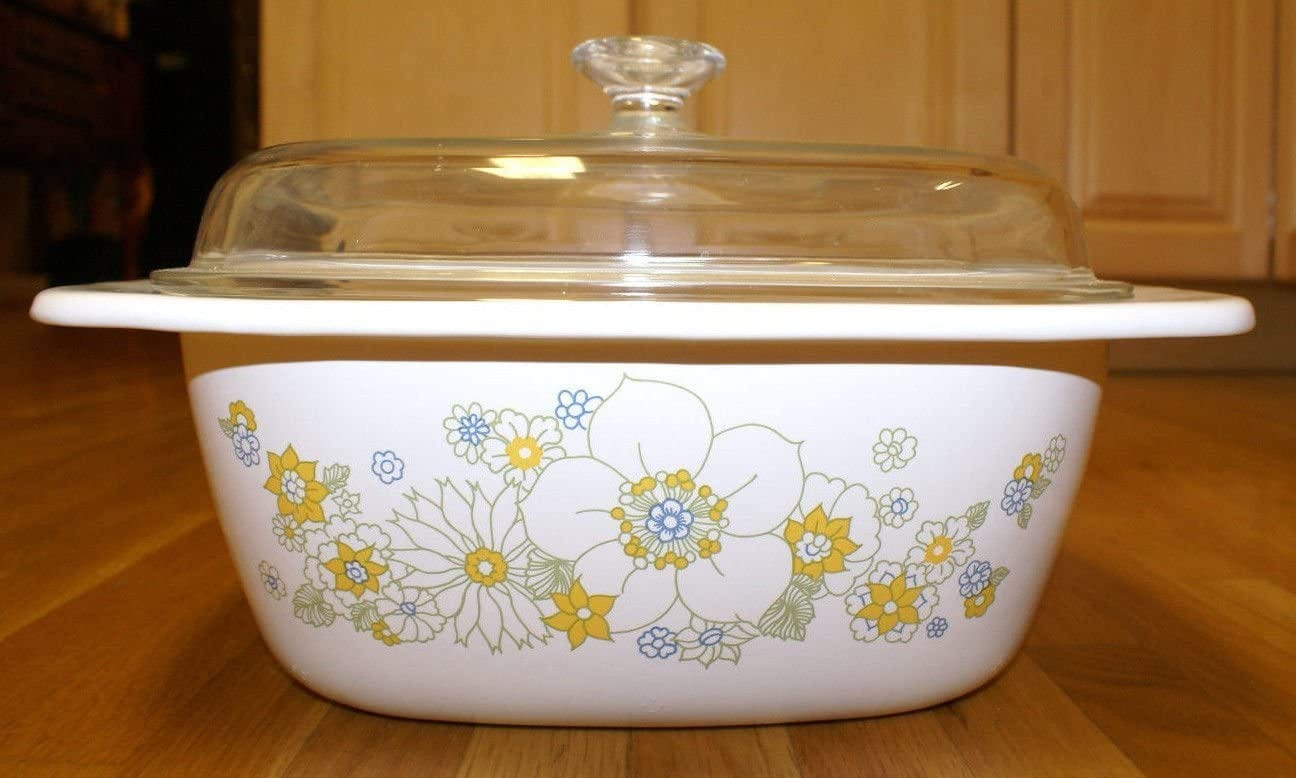
Is Corningware Oven Safe? A Comprehensive Guide

List of Pertinent Information for Keyword: ‘is corningware oven safe’

– Most CorningWare cookware is oven-safe and can be used in various types of ovens, including convection, conventional, toaster, and microwave ovens.
– CorningWare cookware can also be used on the range top, in a broiler, freezer, and dishwasher.
– The maximum heat tolerance of CorningWare cookware ranges between 400 to 450 degrees Fahrenheit.
– Glass-ceramic ware is the best type for oven use, but stoneware and other ovenware can also be used.
– Vintage CorningWare products may not be oven-safe, so it’s important to check the product label and manufacturer’s recommendation.
– Different CorningWare products have different heat tolerances, with some only able to withstand heat up to 425 degrees Fahrenheit, which is considered unsafe for broiler use.
– CorningWare glass lids can tolerate temperatures inside the oven of up to 450 degrees Fahrenheit.
– It is recommended to preheat the oven below 350 degrees Fahrenheit before putting bakeware with a glass lid inside to prevent thermal shock.
– When using a glass lid inside the oven above its maximum heat tolerance, it may break.
– Use aluminum foil instead of a glass lid when placing a dish with a glass lid inside the freezer.
– CorningWare cookware is versatile and can be used in the oven, freezer, microwave, stovetop, and dishwasher.
– It can be used on gas, electric, and ceramic stovetops and retains heat well, allowing for lower heat usage.
– Caution should be exercised when using CorningWare in the microwave as it may become hot.
– Wooden, plastic, or nylon utensils should be used to avoid scratching the cooking surface.
– Nylon or plastic cleaning pads and non-abrasive cleaners like CorningWare Cleaner and Conditioner are recommended for cleaning.
– Avoid using CorningWare for deep frying, making popcorn, caramelizing sugar, or making candy.
– Do not heat an empty CorningWare dish in the microwave and avoid using cracked, chipped, or broken cookware and glass lids for cooking.
– Use a countertop or trivet mat when placing hot CorningWare on the table or countertop.
– CorningWare products, including the best-selling 10-piece set of French White Ceramic Bakeware, are available for purchase on Amazon.

Continue Reading

Can You Refreeze Bacon? The Dos and Don’ts

– According to USDA guidelines, bacon can be refrozen only if it was thawed safely in the refrigerator within seven days before refreezing.
– To freeze raw bacon (unopened), tightly wrap the package with aluminum foil or plastic wrap and use within four months.
– To freeze raw bacon (opened), place it in a zip-top bag, remove the air, and use within four months.
– To freeze cooked bacon, line a rimmed baking sheet with waxed paper, arrange the strips in a single layer, freeze overnight, then transfer to a zip-top bag. Use within six months for best quality.
– Thaw bacon overnight in the refrigerator or in cold, flowing water for 30 minutes. Bacon thawed in water should be cooked immediately.
– Bacon cannot be refrozen after it has been thawed using the methods mentioned.
– Bacon can be defrosted using a microwave’s defrost function, but it should only be heated for a few minutes at a time and cooked immediately after.
– Bacon can be cooked from frozen, either as individual slices or as a block.
– When cooking bacon from frozen, it is recommended to lightly pat it with a paper towel to remove frost.
– In the microwave, bacon can be cooked on high for two minutes with paper towels to avoid grease splatters.
– On the stove, a frozen bacon block can be placed in a skillet over low heat until it thaws and individual strips can be removed.
– On the stove, frozen bacon strips can be cooked in a skillet over medium heat.
– In the oven, frozen bacon can be cooked at 400 degrees F for 17-20 minutes on a baking pan or rack lined with aluminum foil.
– Cooking bacon from frozen may result in more grease pops as the ice crystals melt.
– The article states that thawed bacon can be safely refrozen as long as it was stored in the refrigerator.
– Bacon should not be left on the counter to defrost.
– All types of bacon, including pork, turkey, and Canadian bacon, can be refrozen if thawed safely.
– Bacon should not be refrozen if it was thawed in the microwave or on the counter.
– Uncooked bacon should be refrozen within 3-5 days of defrosting.
– Unopened packages of thawed bacon can be refrozen directly, while partially used packages should be tightly wrapped in plastic wrap before placing in a ziplock bag.
– Cooked bacon should be wrapped tightly in plastic wrap and placed in a ziplock bag to refreeze.
– Cooked bacon can also be crumbled and stored in an airtight container before refreezing.
– When freezing bacon, it can be refrozen, but the duration it remains safe to eat is shorter than when initially frozen. An unopened package of raw bacon that has been refrozen can last up to 30 days in the freezer. However, if the bacon is raw from an open package, it should only be frozen for another 10-14 days. Cooked bacon can be refrozen for up to 2 weeks.
– It is important to label the bacon with the date frozen and a “USE BY” date. Proper placement in the freezer is also important to ensure it is used quickly.
– Thawing bacon should be done in the refrigerator, which typically takes 12-24 hours. Once thawed, an unopened package of refrozen bacon should be cooked within 4 days, while a partial package should be used within 2 days.
– It is not recommended to refreeze bacon twice.
– Reheating cooked and frozen bacon can be done in the microwave, oven, or toaster oven.
– Finally, there are various bacon recipes that can be made using the thawed bacon.

Continue Reading