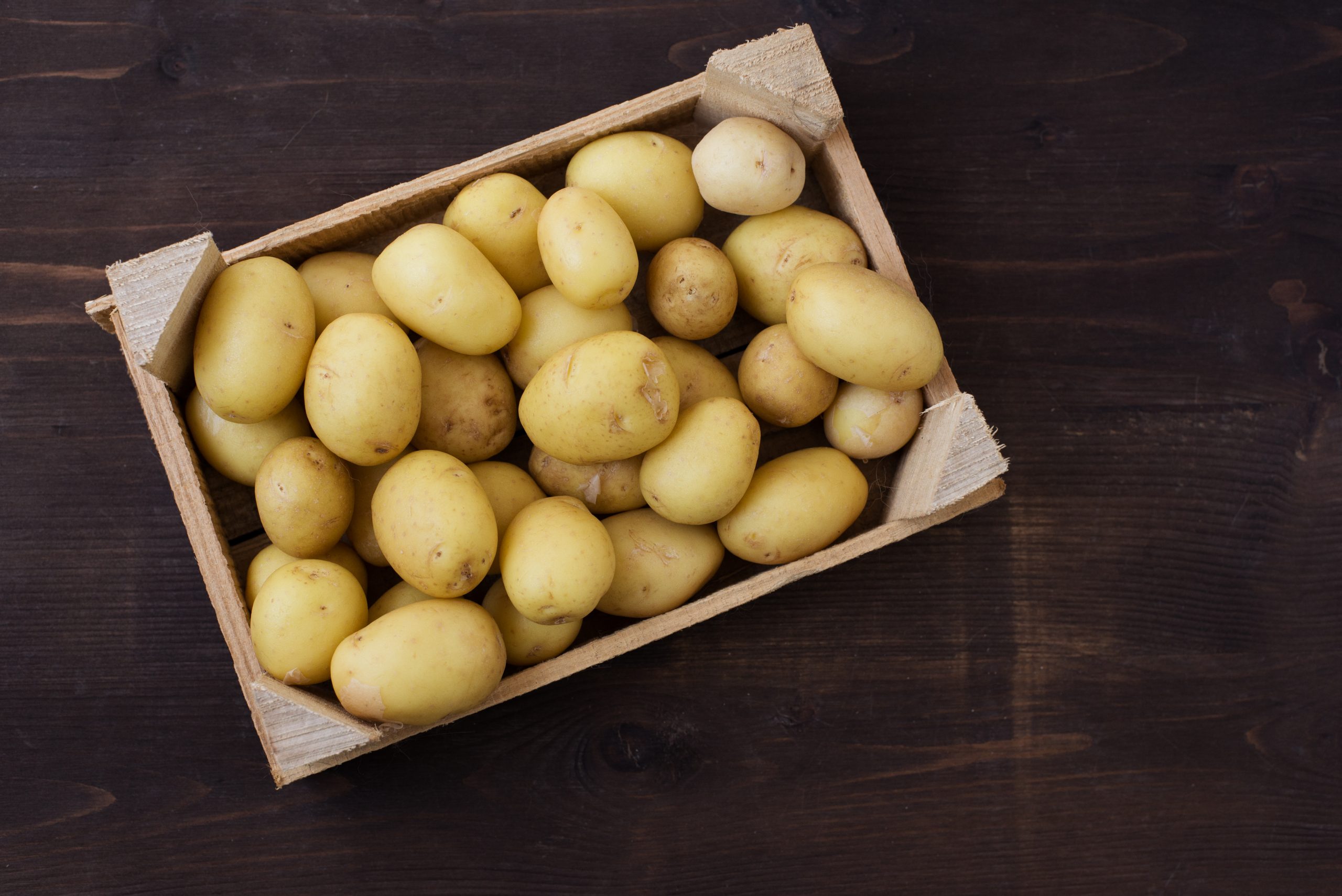
– Potatoes are the most consumed vegetable in America, according to the Department of Agriculture.
– Potatoes offer key dietary nutrients such as vitamin C, potassium, and dietary fiber.
– Consuming a small portion of raw potato is safe, but consuming too much can cause gastrointestinal distress like vomiting, bloating, and diarrhea due to indigestible resistant starch, lectins, and solanine.
– Raw potatoes are high in resistant starch, which can support gut health, blood sugar control, and weight management.
– Fermentation of resistant starch in the gut can cause bloating and gassiness.
– Lectins, found in raw potatoes and other foods, may inhibit the absorption of essential nutrients. However, cooking, sprouting, and fermenting destroy lectins.
– Glycoalkaloids, including solanine and chaconine, are bitter-tasting compounds found in potatoes and can be toxic in high amounts.
– Proper storage and exposure to sunlight can increase the concentration of glycoalkaloids in potatoes.
– The concentration of solanine varies based on potato variety and growing conditions.
– Eating raw potatoes can lead to mild symptoms such as vomiting, diarrhea, and abdominal pain due to the presence of solanine.
– Excess consumption of solanine has been linked to rare deaths.
– Cooking does not reduce the amount of solanine in potatoes, but peeling green or sprouted potatoes can help decrease solanine content.
– Raw potatoes have higher vitamin C content compared to cooked potatoes.
– Cooking increases potassium, magnesium, and vitamin B6 levels while destroying lectins.
– The risk of exposure to a toxic level of solanine from consuming raw potatoes is low.
– Cooking improves the taste and texture of potatoes while breaking down resistant starch and lectins.
– Raw potatoes can cause gas and bloating when consumed in large amounts as the gut works harder to digest them.
– Eating a small portion of raw potato occasionally is considered safe, as it contains resistant starch beneficial for gut health.
– Cooked potatoes provide equal nutrients and health benefits without the risk of negative side effects.
Continue Reading