– Cooking frozen lasagna can take between 60 and 90 minutes.
– Preheating the oven is necessary for cooking frozen lasagna.
– Most frozen lasagna brands provide cooking time instructions on the package.
– Homemade frozen lasagna without instructions can be cooked following the instructions provided.
– The cooking time for a small lasagna (4-6 servings) is around 1-1 1/2 hours, while a large lasagna (8-12 servings) takes around 2 hours.
– Thawing the lasagna before cooking reduces cooking time and improves taste.
– The recommended temperature for cooking frozen lasagna is 375 degrees F.
– Increasing the temperature does not reduce cooking time effectively.
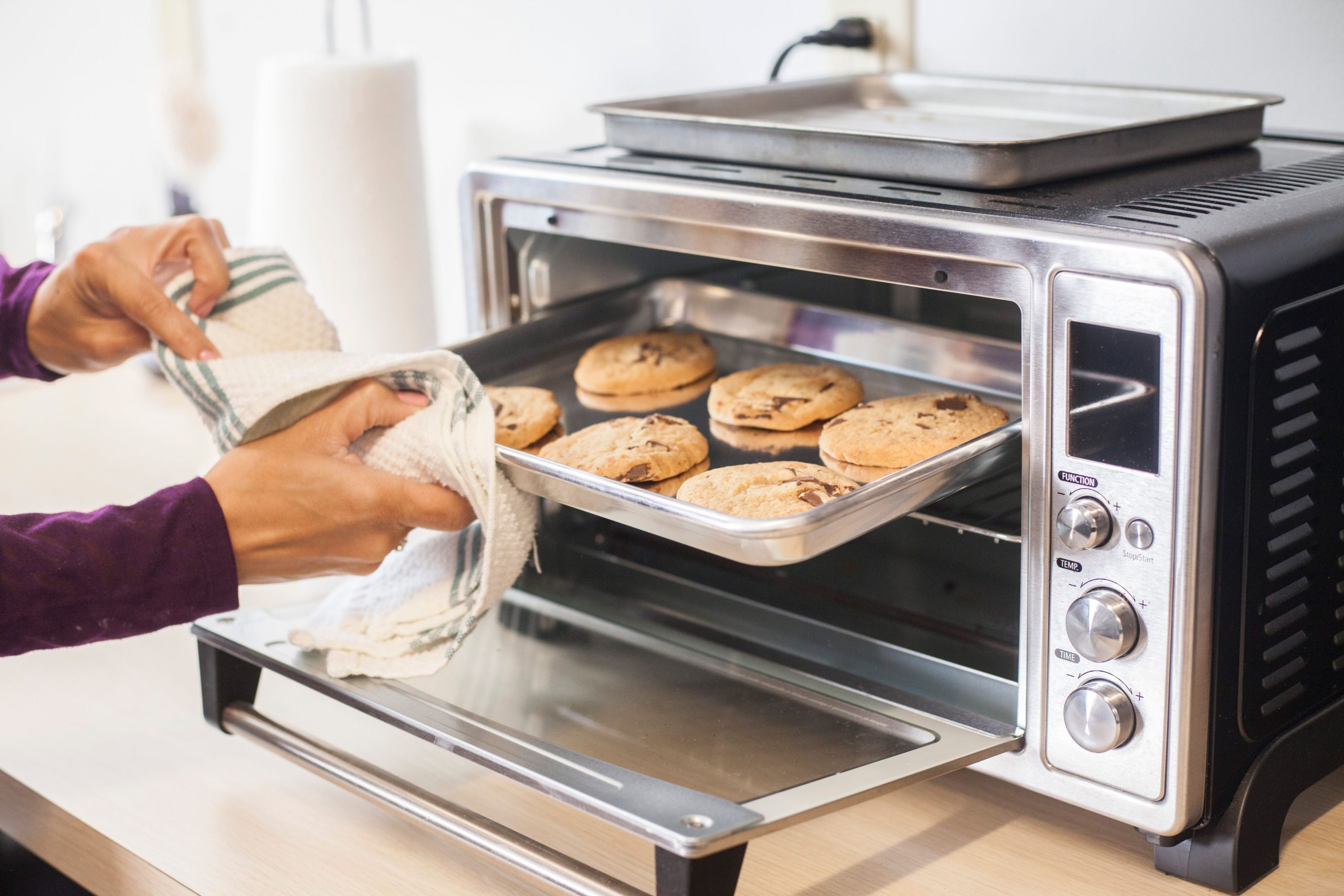
– Foil should be used to cover the lasagna before placing it in the oven.
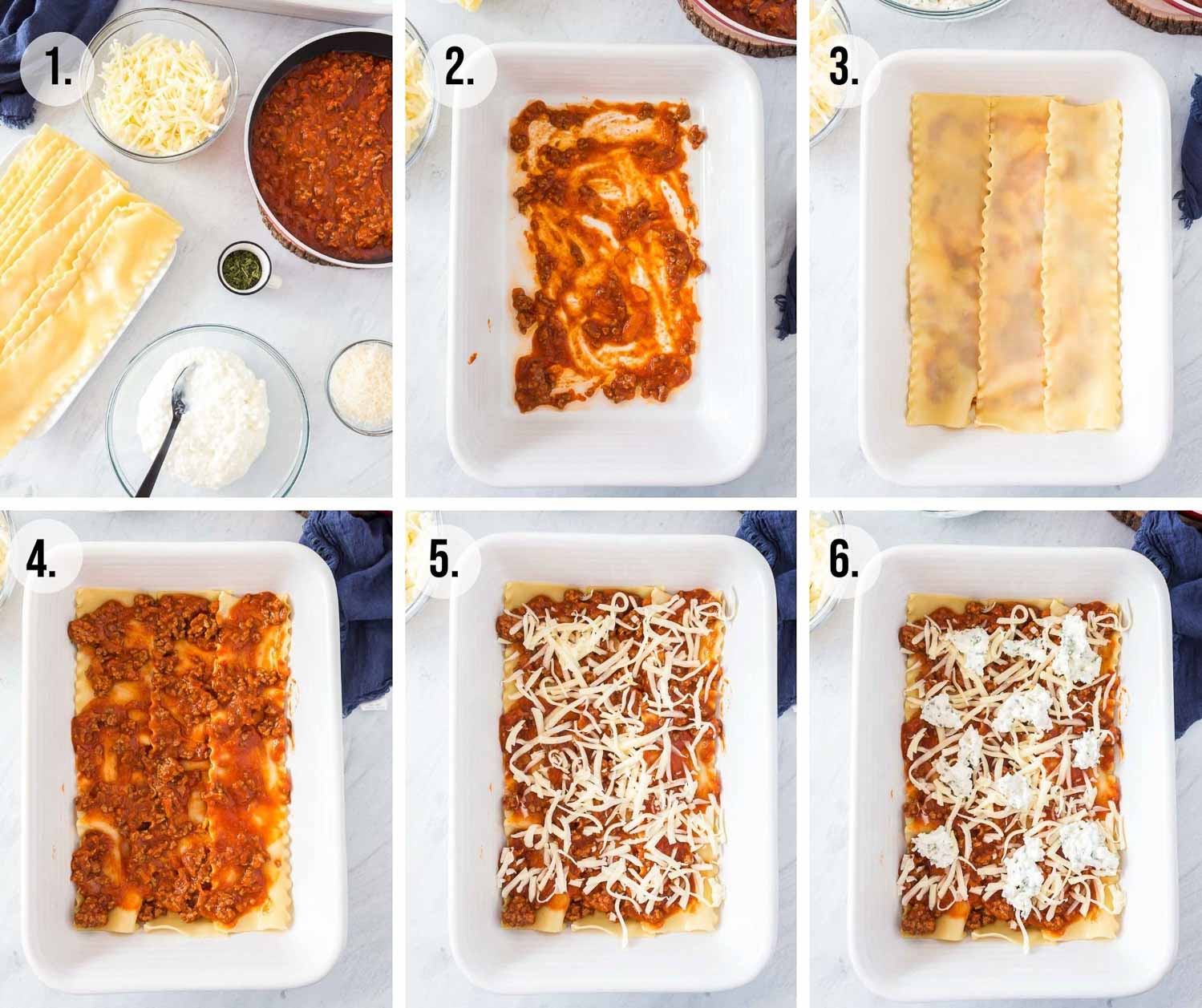
– To assemble the lasagna, coat the bottom of a 13- x 9-inch pan with marinara sauce.
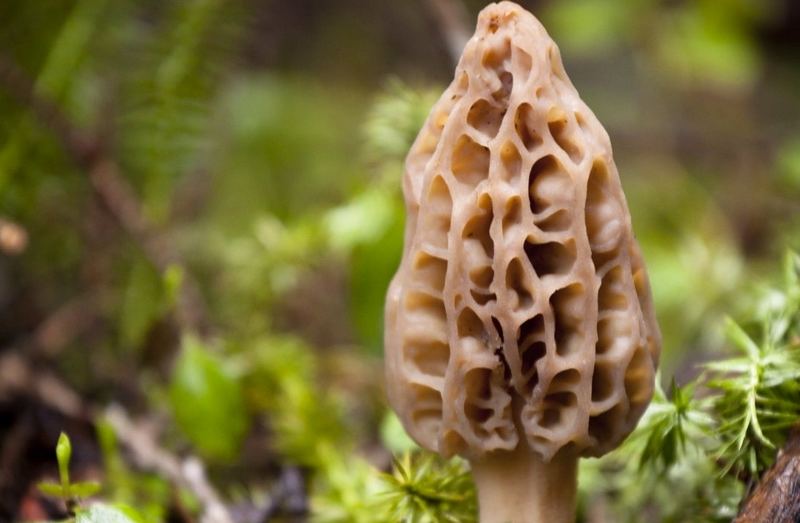
– Layer lasagna sheets, ricotta mixture, cooked sausage, chopped mushrooms, mozzarella, Parmesan, and marinara sauce three times.
– Top with lasagna sheets, remaining marinara sauce, and remaining cheese.
– Recommended bakeware for freezing lasagna includes inexpensive stainless steel pans with plastic lids or disposable foil pans.
– To freeze lasagna, coat the bottom of heavy-duty foil with nonstick cooking spray, place it coated side down over the baking dish, and wrap the pan in another sheet or two of heavy-duty foil.
– Write the contents and date on the foil with a permanent marker.
– Homemade frozen lasagna can be kept in the freezer for three to four months.
– Thaw frozen lasagna in the refrigerator overnight before cooking.
– There are three methods mentioned for cooking frozen lasagna: Defrost and Cook, Cook from Frozen, and Pack for Travel.
– The ingredients for homemade frozen lasagna include olive oil, Italian sausage, salt, black pepper, minced garlic, part-skim ricotta cheese, egg, chopped fresh basil, cremini mushrooms, marinara sauce, no-boil lasagna sheets, mozzarella cheese, and Parmesan cheese.
– The cooking time for the homemade recipe is 1 hour 5 minutes.
– To cook a thawed lasagna, preheat the oven to 375 degrees F, bake covered for 50 minutes, then remove foil and bake for an additional 10-15 minutes.
– To cook a frozen lasagna, bake covered with foil for 1 hour and 10 minutes, then remove foil and continue baking for 20-30 minutes until cooked through.
– Adjust layering accordingly if using a 9-ounce box of no-boil lasagna.
– The recommended amount of mozzarella is 16 ounces.
– It is important to defrost the lasagna completely overnight in the refrigerator before baking.
– The lasagna should not be allowed to defrost on the kitchen counter and should be kept refrigerated.
– If taking the lasagna on the go, it should be kept frozen until ready to depart and placed between ice packs in a cooler.
– The nutritional information per serving includes kcal, carbohydrates, protein, fat, saturated fat, cholesterol, sodium, potassium, fiber, sugar, vitamin A, vitamin C, calcium, and iron. (The specific values are not provided).
Continue Reading