What to Serve with Beef Stew: A Savory Exploration

List of side dishes to serve with beef stew:

1. Crunchy bread (French baguette)
2. Texas Roadhouse dinner rolls
3. Cheese (Red Lobster’s Cheddar Bay Biscuits)
4. Cornbread (regular or Mexican)
5. Rice (white or brown)
6. Simple side salad
7. Caesar salad
8. Mashed potatoes
9. Cauliflower mash
10. Polenta
11. Roast potatoes
12. Couscous
13. Tomato salad
14. Grilled vegetables
15. Buttered cabbage

Continue Reading

Masago vs Tobiko: Exploring the Differences, Nutrition & Origins

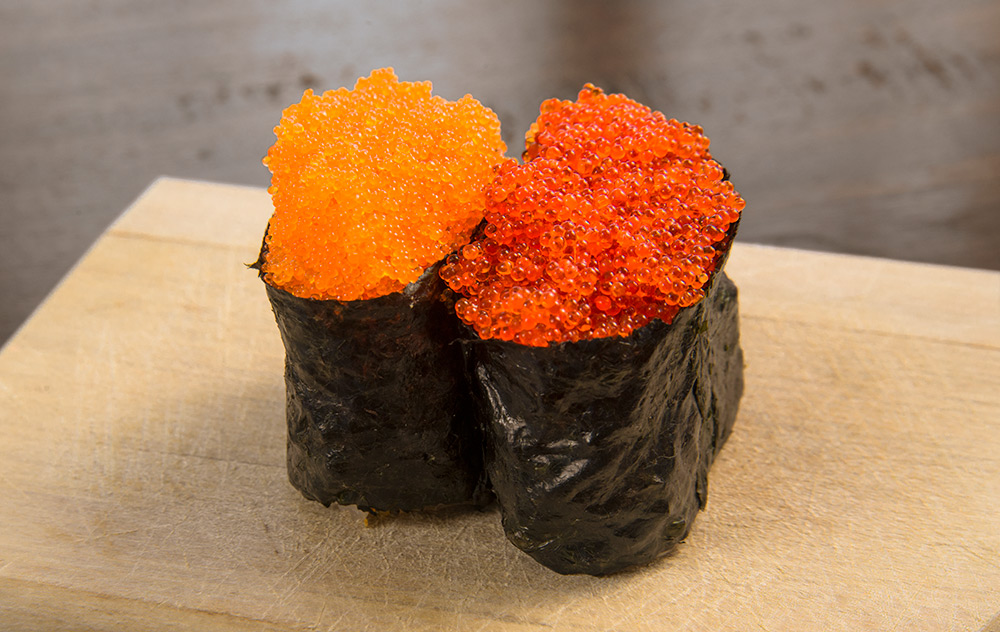
Masago vs Tobiko: Key Facts

– Masago is typically colored using food dye rather than squid ink.
– There are different varieties of masago including red masago and wasabi masago.
– Masago tastes similar to tobiko, but slightly milder, with a subtly sweet, salty, and citrusy flavor.
– Masago is typically cured in soy sauce, MSG, high fructose corn syrup, and food coloring agents.
– Masago and caviar are both fish roes, but they come from different species of fish.
– Masago is less expensive than caviar, costing around $5 per ounce.
– Masago can be used as a garnish for sushi rolls, sashimi, seafood and rice dishes, and can also be made into a creamy masago sauce.
– Masago and tobiko can be bought at Asian grocery stores, seafood markets, and online.
– The natural color of tobiko is golden, while masago is a duller yellow.
– Tobiko is flying fish roe, while masago is the eggs of smelt fish.
– Tobiko is larger in size compared to masago.
– Masago freezes well and is available year-round in the frozen section.
– Both tobiko and masago can be found online and in Asian grocery stores.
– Fish eggs are safe to consume in moderation during pregnancy if they are pasteurized and properly refrigerated.
– Fish roe is nutritious and high in protein, omega-3 fatty acids, phosphorus, selenium, folate, choline, antioxidants, and vitamins A, B12, and D.

Continue Reading

What Does Salmon Taste Like and How to Cook It?

What does salmon taste like?

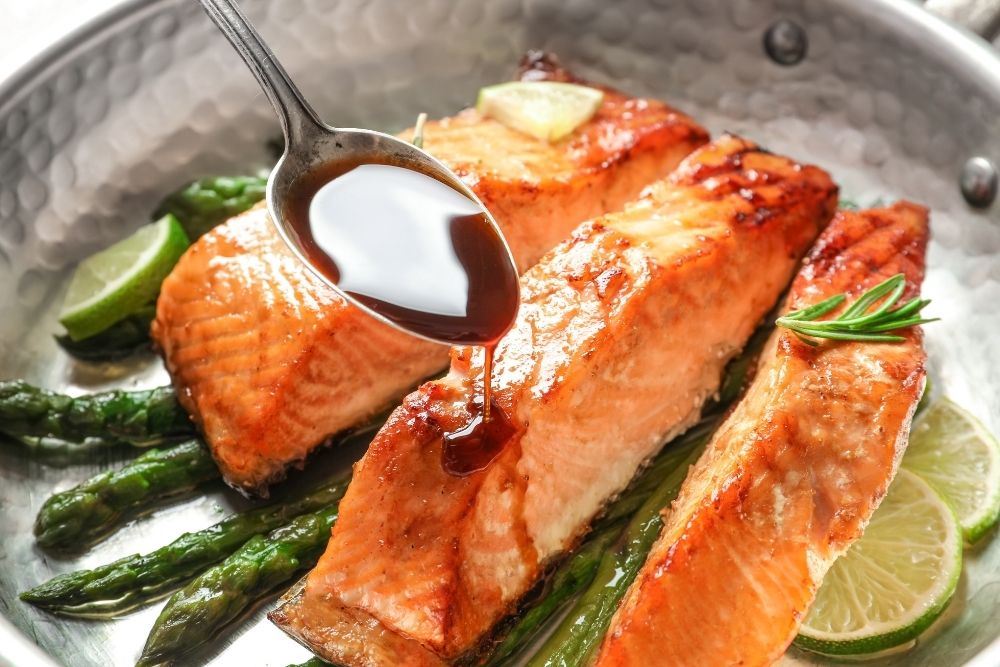
Salmon is a large, mild-flavored fish with pinkish-orange flesh. It has an oily taste due to its high content of good saturated fats. Fresh salmon has a milder and more refreshing flavor compared to other fish. Canned salmon usually has an oily and bland taste. The white meat variety of salmon has a milder flavor. Soaking salmon in milk before cooking can make it milder and sweeter. Squeezing fresh lemon juice over cooked salmon can alter its taste. Different sauces and creams can enhance the taste of salmon. Poached, baked, or grilled salmon tastes buttery and citrusy. Raw salmon has a buttery and smooth flavor. Raw salmon is red and has a softer texture compared to cooked salmon.

Smoked salmon has a subtly fishy, salty, and smoky taste, with variations depending on the smoking method, temperature, and duration. Hot-smoked salmon has a smoky flavor similar to baked salmon, while cold-smoked salmon has a milder, smoother texture.

Signs of bad salmon include discoloration, mold, ammonia-like smell, overly fishy taste, muddy taste, and sticky or slimy texture.

Salmon skin is edible and delicious, especially when grilled or broiled because it becomes crispy. Roasted, steamed, or poached salmon skin tends to be rubbery. Cooking salmon with its skin helps to keep the meat tender and moist.

Fresh salmon should not have a strong fishy smell or taste. Overcooking is the only way to ruin the flavor of salmon. The taste of salmon can vary depending on the species, seasonings, and cooking method.

Continue Reading