
How Many Cups Are In 1 000 Ml?
If you’ve ever wondered how many cups are in 1 000 ml, you’re not alone. This seemingly simple question has baffled people for years. But we’re here to set the record straight.
Continue Reading
If you’ve ever wondered how many cups are in 1 000 ml, you’re not alone. This seemingly simple question has baffled people for years. But we’re here to set the record straight.
Continue Reading
Everyone loves eggplant parmesan thanks to being a very delicious meal. To reheat eggplant parmesan could be quite some tasks. What we have done is to test some reheating methods that can be used and we have been able to come up with the ones that will work best. You should read and pay attention […]
Continue Reading
If you’re a wine lover, you know that the right pairing can make or break your experience. But with so many options out there, how do you choose? Lisa, a certified sommelier, has the perfect guide to help you pick the perfect pairing for any occasion.
Continue Reading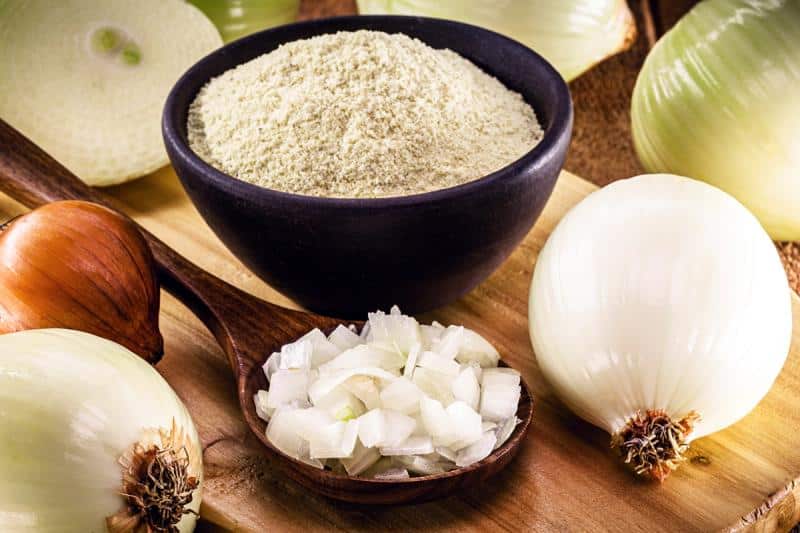
– Onion powder is made from dehydrated onions that are ground into a powder.
– Onion powder can be made from white, yellow, or red onions, and can include the bulb, stems, roots, or skins.
– Onion powder is different from onion salt, and they cannot be used interchangeably.
– Onion powder can be found in seasoned salt or spice mixes, and it can be bought in supermarkets or made at home.
– To make homemade onion powder, you need a food dehydrator (or oven), blender (or food processor), clean jars, and onions.
– The process involves cutting and peeling the onions, slicing them thinly, dehydrating them at high temperature, and grinding them into a powder.
– Onion powder is made from ground dehydrated fresh onion and still retains the aroma of fresh onions.
– It can be used to enhance the onion flavor in savory dishes such as soups, stews, pizzas, pasta, sauces, and dippings.
– Onion powder can also be used to season or dry rub meats, providing a fuller onion flavor.
– In terms of texture, fresh onions are bulky and coarse, while onion powder is smooth and powdered.
– When added to dishes, fresh onions maintain their texture, while onion powder blends well and does not affect the smoothness of sauces or dippings.
– Onion powder is a cost-effective solution for those on a budget.
– Fresh onions have a higher water content (89%) compared to onion powder and can add moisture to dishes.
– Onion powder, being dried and fine, can quickly burn if used in fried dishes.
– Fresh onions have a coarse and fibrous texture after cooking, while onion powder blends completely into dishes.
– The pungent flavor of raw onions can cause tears, while onion powder has a more concentrated flavor and a touch of sweetness.
– Both fresh onions and onion powder are versatile in various recipes, but fresh onions can be eaten raw or used to make pickles, while onion powder is better for dry rubs and increasing oniony flavor.
– The shelf life of fresh onions is shorter due to their high water content, while onion powder has a longer shelf life due to the dehydration process removing all water content and reducing bacteria growth.
– Onion powder can be safe for up to 4 years when stored in sealed jars away from heat and sunlight.
– The controlling level of flavor is easier with fresh onions as you can choose the specific type, whereas store-bought onion powder may not specify the type of onions used.
– Homemade onion powder allows for more control over flavor.
– In terms of nutrition, 100 grams of onion powder has higher levels of nutrients compared to fresh onions, including calories, carbohydrates, potassium, and sodium.
– Both fresh onions and onion powder have health benefits such as improving blood sugar, enhancing bone health, boosting the digestive system, reducing the risk of cancer, and improving heart health.
– Onion powder is easier to digest for some people and can help fight bacteria, such as Helicobacter pylori, which may cause stomach cancer.
– Onion powder is a suitable substitute for fresh onions in cooking when only the flavor of onions is required.
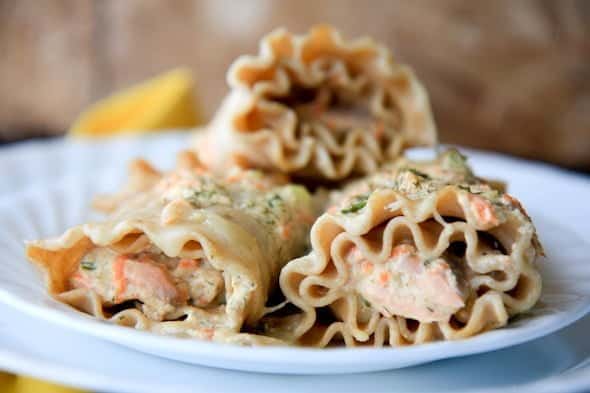
List of ingredients for ‘salmon lasagna rolls’:
– 4 sheets of cooked lasagna
– 8 oz of salmon
– 4 cups of spinach
– 16 oz of strained ricotta cheese
– 1.5 cups of asiago or fontina cheese
– 1/2 tsp of cumin
– A pinch of red pepper flakes
– 1/4 cup of butter
– 1 cup of heavy cream
– 1.5 cups of parmesan cheese
– 1 tbsp of canola oil
– Salt
– Pepper
– Parsley

If you’re looking for a delicious and healthy snack, look no further than Sunnyside Farms Natural Pepper Jack Slices. Made with all-natural ingredients, these slices are perfect for satisfying your hunger without ruining your diet.
Continue Reading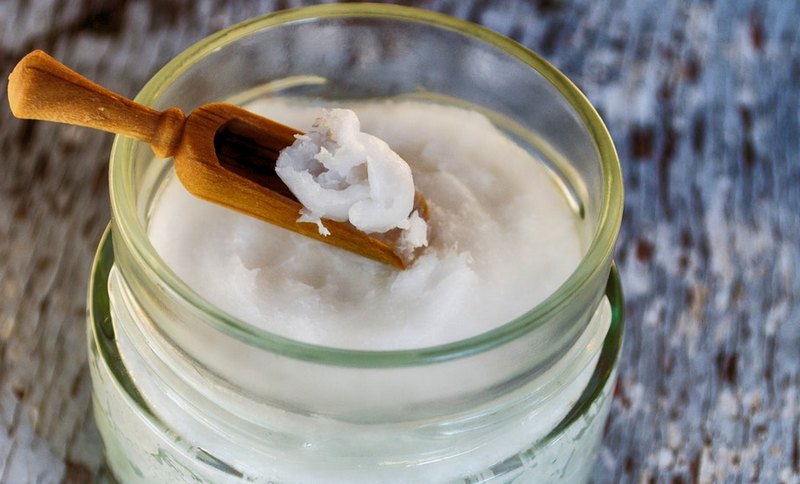
You can use coconut cream for different things, it can be used for making goodies and desserts as well as a lot of cultural dishes. Coconut milk and coconut cream are different, it is just like how dairy milk and dairy cream are different. One of those versatile items you can have at home is […]
Continue Reading
If you’re looking to convert 52 ounces to pounds, there’s a simple formula you can follow. With a little bit of math, you can easily make the conversion and have the answer you need in no time.
Continue Reading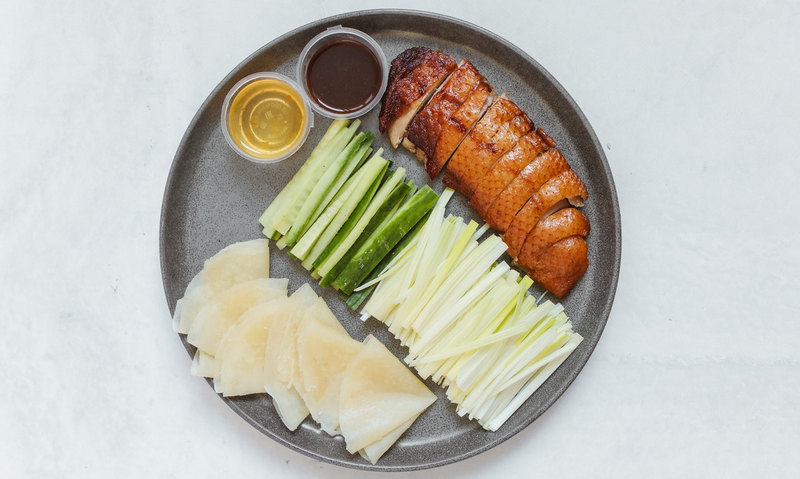
Roasted Peking duck in one of the popular Chinese cuisines and prepared in most special occasions. It is roasted duck glazed with sweet sauce and served with mixed vegetables, potatoes, and other preferred side dish. Cooking roasted Peking duck typically involves sewing its parts together and allow it to inflate. When the duck’s skin inflates […]
Continue Reading
Title: Philadelphia Cheesecake Bars: Nutritional Information and Variability
1. Each serving of Philadelphia Cheesecake Bars yields approximately 16 servings.
2. Nutrition information provided is an estimation based on the ingredients and cooking instructions given in each recipe.
3. The actual nutrition details may vary depending on factors such as methods of preparation, origin, and freshness of the ingredients used.
4. The bars were discontinued in 2004-2005 due to manufacturing challenges.
5. A petition was launched in 2017 to bring back the bars and received over 37,000 votes.
6. The author attempts to recreate the Philadelphia Cheesecake Bars and mentions challenges in replicating the snack bars.
7. The recipe for the Philadelphia Cheesecake Bars includes ingredients such as graham crackers, flour, eggs, sugar, butter, Philadelphia cream cheese, sour cream, condensed milk, lemon juice, vanilla extract, confectionary sugar, white chocolate, and heavy cream.
8. The recipe calls for a 9 x 3-inch springform pan and a hand mixer.
9. The graham cracker crust is made with graham crackers and unsalted butter.
10. The cheesecake filling includes Philadelphia Cheese, condensed milk, crystal sugar, lemon juice, vanilla extract, confectionary sugar, and cold heavy cream.
11. Optional white chocolate ganache can be made with white chocolate and heavy cream.
12. Instructions include crushing the graham crackers, mixing them with melted butter for the crust, and whisking the Philadelphia cream cheese with other filling ingredients.
13. The bars need to be cooled in the fridge for at least 8 hours for a clean cut.
14. To achieve a clean cut, it is recommended to cool the bars completely, use a sharp straightedge knife, and lightly damp it before each cut.
15. Optional decorations include white chocolate ganache or cream cheese topping.
16. Nutritional information: A serving size is 120g and contains 656 calories, 55g carbohydrates, 10g protein, and 46g fat.
17. There are variations of these snack bars with different flavors, and readers can come up with their own versions.