
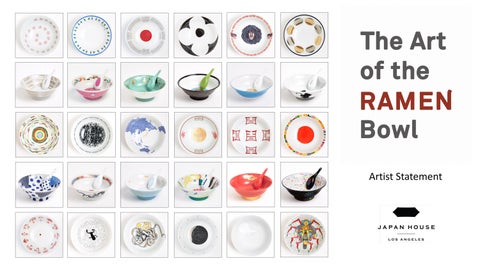
A good ramen bowl should be wide enough for noodles and toppings, deep enough for broth, and comfortable to carry when hot. For most home servings, choose a 34 to 48 ounce bowl with a broad opening, stable base, and heat-safe ceramic, porcelain, stoneware, or clearly labeled food-safe material.
Quick Ramen Bowl Guide
| Feature | Best choice for most homes | Why it matters |
|---|---|---|
| Capacity | 34 to 48 ounces | Leaves room for broth, noodles, toppings, and stirring |
| Shape | Wide top with a deep center | Makes toppings visible while keeping soup contained |
| Material | Ceramic, porcelain, or stoneware | Holds heat well and feels sturdy at the table |
| Weight | Heavy enough to stay stable | Prevents tipping when the bowl is full |
| Care | Dishwasher-safe if possible | Ramen broth and sauces can leave oily residue |
What Makes a Bowl Good for Ramen?
Ramen needs more space than a cereal bowl because the serving includes broth, noodles, toppings, and a utensil. A wide opening helps you arrange egg, pork, vegetables, scallions, or seaweed without crowding. A deeper center keeps the broth hot and makes it easier to lift noodles with chopsticks or a spoon.
Best Ramen Bowl Materials
Ceramic, porcelain, and stoneware are the safest default choices for home ramen because they look good, hold heat, and usually feel balanced. Melamine can be lightweight and useful for casual serving, but follow the manufacturer’s heat and dishwasher instructions. Do not microwave a bowl unless it is clearly labeled microwave-safe.
What Size Ramen Bowl Do You Need?
A 34 to 40 ounce bowl works for a regular serving. A 42 to 48 ounce bowl is better if you like extra broth, large toppings, or restaurant-style presentation. Smaller bowls can work for instant ramen, but they often feel crowded once you add vegetables, meat, eggs, or extra noodles.
Shape and Design Details
- Wide rim: easier for toppings and better visual presentation.
- Deep center: keeps broth from spilling when you move the bowl.
- Stable foot: helps the bowl sit securely on the table.
- Smooth glaze: easier to clean after oily broth or spicy sauce.
- Matching spoon rest or lid: useful, but not required.
What to Avoid
Avoid bowls that are too shallow, too narrow, or too small for broth. Be careful with decorative bowls that do not list food-safe, dishwasher-safe, or microwave-safe details. If a bowl has metallic trim, do not put it in the microwave. If it chips, cracks, or crazes badly, replace it before serving hot soup.
Using Ramen Bowls for Other Noodles
Ramen bowls also work for udon, soba, pho-style noodle soup, rice bowls, and saucy noodle dishes. If you are planning other noodle meals, see Food Readme’s guides to rice noodles, chow fun, and cheesy ramen noodles.
FAQ
What size bowl is best for ramen?
Most home ramen servings fit best in a 34 to 48 ounce bowl. Choose the larger end if you add extra broth, toppings, or noodles.
Are ramen bowls different from soup bowls?
Yes. Ramen bowls are usually wider and deeper than standard soup bowls so they can hold broth, noodles, toppings, and utensils comfortably.
Can ramen bowls go in the microwave?
Only microwave a ramen bowl if the manufacturer labels it microwave-safe. Avoid microwaving bowls with metallic trim or unclear material information.
Is ceramic or melamine better for ramen?
Ceramic holds heat better and feels more traditional. Melamine is lighter, but it may have more heat and microwave limits, so follow the product instructions.
Do ramen bowls need lids?
No. Lids are convenient for keeping soup warm or carrying leftovers, but a good wide, deep, stable bowl is more important than a lid.