
How to Tell If Pork Is Cooked
The safest way to tell if pork is cooked is to use a thermometer. Whole pork cuts need 145°F plus a 3 minute rest; ground pork needs 160°F.
Continue Reading
The safest way to tell if pork is cooked is to use a thermometer. Whole pork cuts need 145°F plus a 3 minute rest; ground pork needs 160°F.
Continue Reading
Store raw chicken at 40 degrees F or below in the refrigerator, or keep it frozen at 0 degrees F. If it spends too long above 40 degrees F, discard it.
Continue Reading
Cold smoked salmon can be raw like, while hot smoked salmon is cooked and flaky. Treat refrigerated smoked salmon as a ready to eat perishable food.
Continue Reading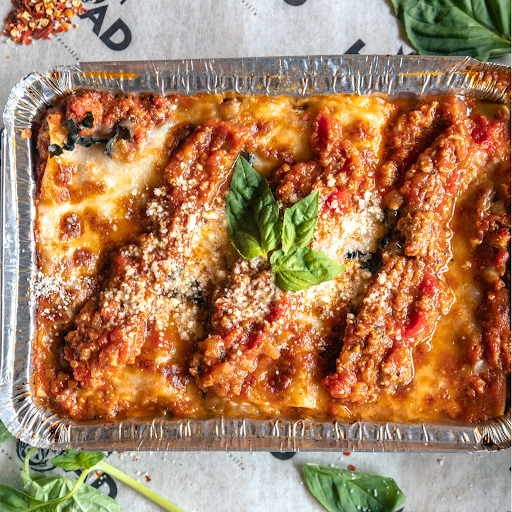
For the safest result, check lasagna in the center and aim for 165 degrees F, especially for reheated, frozen, or meat filled lasagna. Bubbling edges help, but a thermometer is the reliable test.
Continue Reading
Salsa can go bad after opening, especially fresh or homemade salsa. Keep it refrigerated, use clean utensils, follow the label, and discard it if you see mold, gas, off odors, or unsafe storage.
Continue Reading
Reheat rotisserie chicken until the thickest or coolest part reaches 165 degrees F. Use a food thermometer, and only reheat leftovers that were stored safely.
Continue Reading
Do not drink raw egg whites from shell eggs. If a recipe or drink calls for uncooked egg whites, use a product labeled pasteurized and keep it refrigerated.
Continue Reading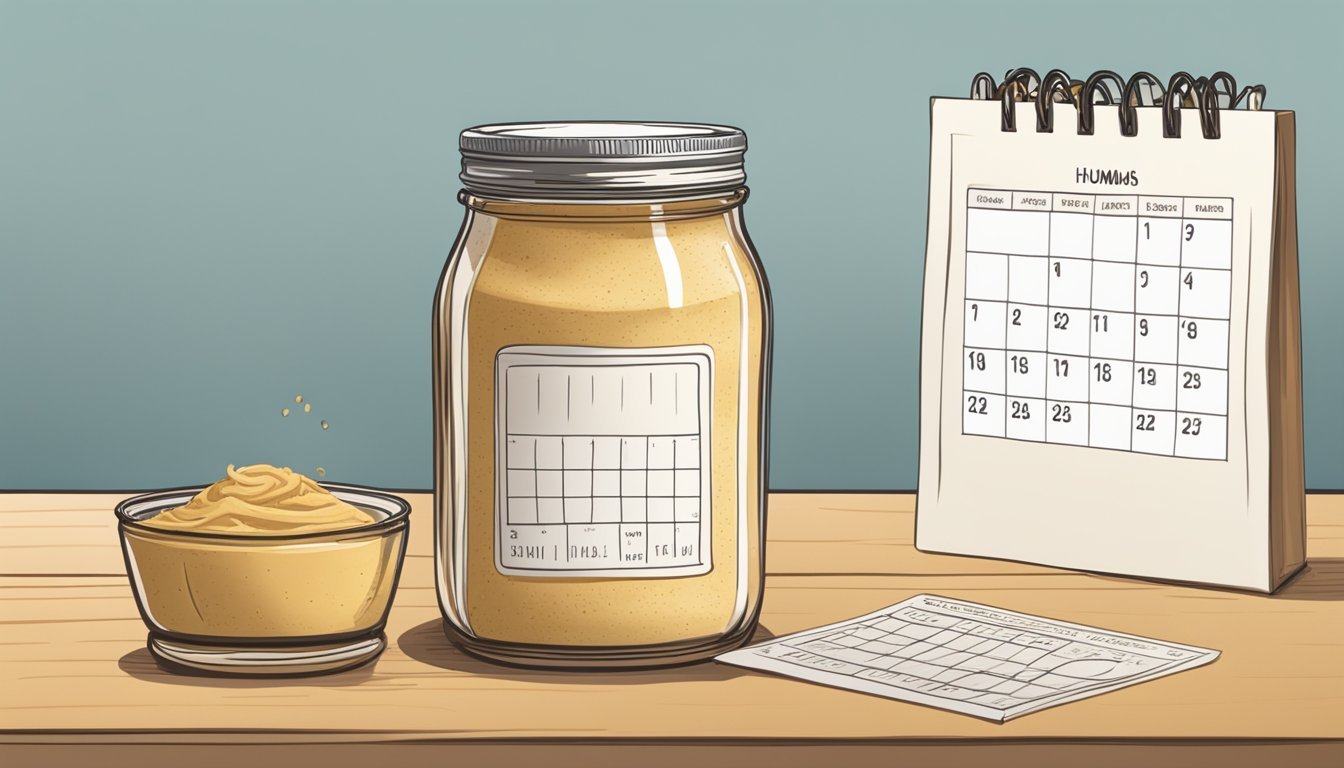
Hummus needs to be refrigerated due to food safety concerns Ingredients in hummus, such as chickpeas, tahini, and olive oil, can spoil quickly at room temperature Hummus can last for a week or two…
Continue Reading
Reheating Thai food depends on the dish. Use a skillet for noodles and fried rice, the stovetop for curry and soup, and keep fresh salads cold.
Continue Reading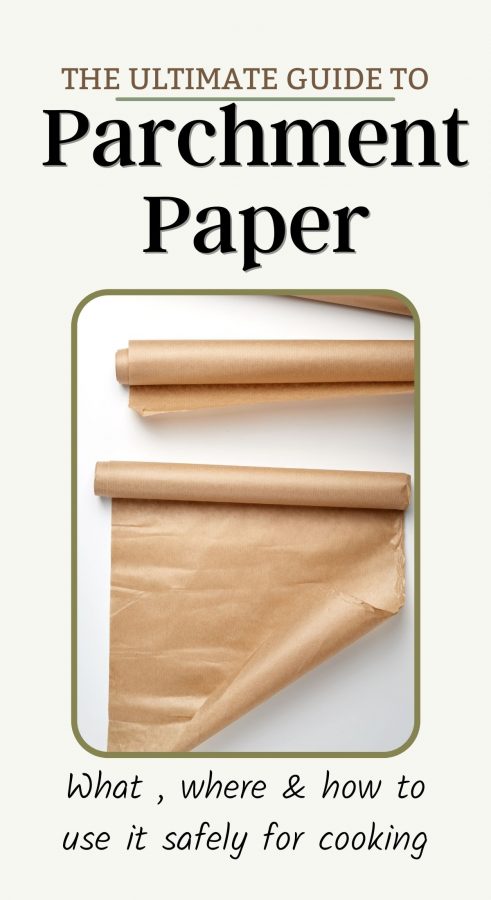
Yes, parchment paper can be used in the microwave. It is important to use paper labeled as microwave safe. Avoid cooking fatty foods from scratch on parchment paper to prevent risk. Parchment paper can…
Continue Reading