Can You Put Glass in the Freezer Safely? The Answer May Surprise You!

– Glass containers are a good choice for freezing food
– Glass containers are odor and stain resistant
– Glass containers can go in the microwave, oven, and dishwasher
– Glass containers are not porous like plastic
– Glass containers should be durable and labeled as freezer safe
– Cooling food before freezing can prevent thermal shock and bacterial growth
– Glass containers with silicone-lined lids provide an airtight seal and prevent freezer burn
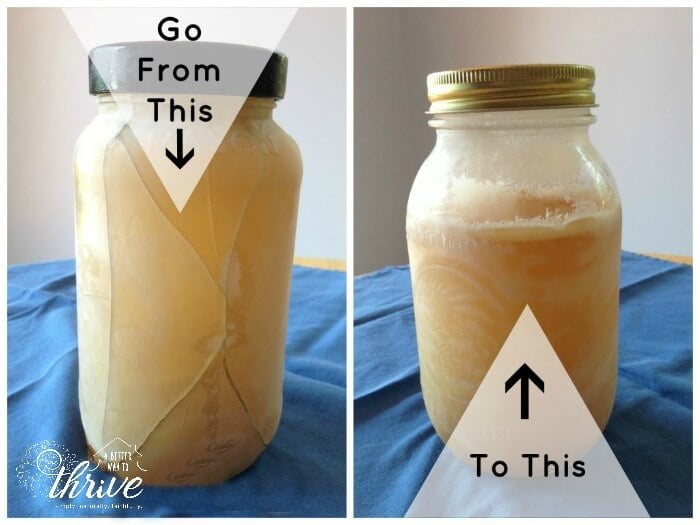
– Wide-mouth, straight-sided mason jars can be used for freezing
– Leave space at the top of mason jars to allow for expansion
– Avoid using glass containers with cracks or damage
– Thaw food at room temperature or in the refrigerator before putting it in the oven
– Glass containers should be slowly warmed when taken out of the freezer
– Thermal shock can cause glass to crack or shatter
– Check for cracks or damage in glass containers before freezing
– Leaving a gap at the top of mason jars is important for preventing freezer burn
– Pyrex containers with rubber lids are suitable for freezer use
– Drinking glasses can be put in the freezer for a short period of time
– Leave space between containers to prevent them from bumping into each other

Continue Reading

How Long Does Lasagna Last in the Fridge? Top Storage Tips to Maximize Freshness

How long does lasagna last in the fridge?

– Leftover lasagna can last 3 to 5 days in the fridge.
– The article provides tips for reheating lasagna to prevent it from becoming dry.
– The article mentions that reheating a whole lasagna is possible by covering it in foil and using an oven.
– Thawing frozen lasagna in the refrigerator overnight is recommended.
– It can also be reheated without thawing by adding extra cooking time.
– To prevent the lasagna from drying out, the article suggests adding a splash of water and covering it with foil, plastic wrap, or a paper towel.
– The article also provides instructions for reheating lasagna in the microwave using a toothpick to prevent the cover from touching the lasagna.
– The article discusses how to reheat lasagna in an air fryer and provides safety tips for reheating and storing lasagna leftovers.
– It suggests preheating the air fryer to 375º and placing the lasagna in a loaf pan covered with aluminum foil.
– The lasagna should be heated through to an internal temperature of 165°F.
– It is mentioned that lasagna can be reheated multiple times as long as it reaches the proper temperature, although the quality will degrade with each reheat.
– Leftover lasagna can last up to 3 months in the freezer.

Continue Reading

How Long Are Scrambled Eggs Good for: Proper Storage Guidelines and Shelf Life

– Cooked scrambled eggs can be stored in the refrigerator for up to four days.
– Raw eggs should be cooked before refrigerating or consumed within two hours if left at room temperature.
– Reheat scrambled eggs until they reach an internal temperature of at least 74°C (165°F).
– Leftover scrambled eggs should be discarded after four days.
– Deterioration of egg quality can occur over time, potentially leading to bacterial contamination. Scrambled eggs should be consumed within four days for optimal taste and food safety. If left out at room temperature, they should be consumed within two hours to prevent bacterial growth and foodborne illnesses. To store scrambled eggs in the refrigerator, cool them completely before placing them in an airtight container or resealable plastic bag at 4°C (40°F). Reheat the eggs to an internal temperature of at least 74°C (165°F) before consuming. Spoiled scrambled eggs can be identified by discoloration, unpleasant odor, and slimy texture, and should be discarded to prevent foodborne illness. Cold scrambled eggs are safe to eat if stored properly, but reheating them to an internal temperature of 74°C (165°F) is recommended. Scrambled eggs can be reheated in the microwave, skillet, or oven. Raw eggs can be stored in the refrigerator for a few days in an airtight container. Pre-made scrambled eggs can be stored in the refrigerator for up to two days. Scrambled eggs can stay fresh in an airtight container for up to seven days. Meal prepping scrambled eggs is a convenient and safe way to have a nutritious breakfast or snack that can be eaten days later. Cooked scrambled eggs should be stored in an airtight container or resealable plastic bag in the refrigerator at 4°C (40°F). It is important to ensure that the scrambled eggs reach an internal temperature of at least 74°C (165°F) before consumption. Spoiled scrambled eggs can be identified by discoloration, an unpleasant odor, and a slimy texture. If any of these signs are present, the eggs should be discarded to avoid the risk of foodborne illness. Properly stored raw eggs can be refrigerated for a few days. Make-ahead scrambled eggs can be stored in the fridge for up to two days.

Continue Reading

How Long Do Tamales Last in the Fridge? Essential Storage Tips for Fresh Delights

– Leftover tamales can be safely stored in the freezer
– Raw tamales, if properly packaged, can also be stored in the freezer for about 6 months
– Tamales that have gone bad will have a different texture and a sour smell
– When thawing frozen tamales, it is recommended to do so in the refrigerator
– The recommended time for tamales to stay fresh in the freezer is 6 months
– Cooked tamales in the refrigerator last for 1 week
– Cooked and raw tamales frozen can last up to 6 months
– Raw tamales will remain fresh in the fridge for about 3 to 4 days
– Vegan and vegetarian tamales generally have a longer shelf life than meat-filled tamales
– It is important to prevent freezer burn when freezing tamales
– Tamales can be wrapped in plastic wrap and placed in a plastic bag or airtight container for freezing
– Frozen tamales can stay fresh in the freezer for about 6 months
– Tamales should be cooked within the next day or so for optimal freshness

Continue Reading

How Long is Cooked Sausage Good for in the Fridge? Expert Tips to Keeping it Fresh!

– Cooked sausage can last in the fridge for a couple of days.
– It is recommended to consume cooked sausage within 3-4 days for maximum freshness and safety.
– Pre-cooked sausages like hot dogs can last up to 7 days in the fridge if stored properly at 40 degrees F or below.
– Pre-cooked sausages can last up to 2 months in the freezer if stored properly.
– Hard and dry-cured sausages like pepperoni can last up to 3 weeks in the refrigerator after opening.
– If perishable food has been left out for more than 2 hours, it should be thrown out to avoid harmful bacteria.
– Raw sausages or cooked sausages can be refrozen as long as they were thawed in the refrigerator and never reached above 40 degrees Fahrenheit or were entirely cooked before freezing.
– The best way to store pre-cooked sausage is in shallow airtight containers or heavy-duty freezer bags, following FDA and USDA guidelines for temperature (fridge at 40˚F or freezer).
– Freezing pre-cooked sausage is a safe way to extend the storage period.
– Pre-cooked sausages can be safely thawed in the microwave or oven.
– Pre-cooked sausages can be heated in various ways such as steaming, pan-frying, grilling, or air frying.
– It is safe to eat cold pre-cooked sausage, but it may be more appetizing when warm or hot.
– Overcooking smoked sausages can cause them to dry out and lose flavor.
– Symptoms of food poisoning from spoiled sausage include vomiting, diarrhea, upset stomach, and sometimes fevers.
– Tips include using different types of sausages to add protein to meals, using an air fryer for quick and easy sausage dishes, steaming for a seared and crunchy casing, cooking frozen pre-cooked sausage straight away, and preventing casings from splitting by poking holes or cutting slivers before cooking.

Continue Reading

Are Ziploc Bags Microwave Safe? Uses, Tips, and Precautions

– Ziploc bags can be microwaved and are designed to be used in this way.
– Harmful chemicals are released when plastics are exposed to temperatures above 1500 degrees Fahrenheit, but home microwaves don’t reach these temperatures.
– Ziploc bags are made of polyethylene, which is a food-safe material that does not contain harmful chemicals.
– Some resealable bags made of PVC plastic are not safe for reheating and can release harmful dioxin into food.
– Ziploc bags are not always safe to microwave, but there are steps that can be taken to mitigate the risks. It is important to choose bags that are designated as microwave safe, as other bags can melt or release harmful chemicals. Carefully checking the label on the Ziploc packaging for safety tips is also recommended. The bags should only be filled to about half full to prevent them from expanding and causing a potential hazard. Placing the Ziploc in a microwave-safe dish is advisable to prevent tipping or leaking. It is important to unseal the bag slightly to allow steam to vent. Using a low power setting, such as fifty percent, is recommended to avoid dangers associated with high temperatures. Small quantities of food should only be microwaved for 30 seconds or less, with longer times done in 30-second intervals while checking and adjusting the bag. Reusing plastic bags, including Ziploc bags, in the microwave is not recommended as the plastic can degrade over time and release more chemicals. Alternatives to Ziploc bags, such as Tupperware, can be used instead.
– The article discusses different options for reheating food in the microwave, including resealable bags, plastic containers, paperware, and ceramic bowls and plates. It states that resealable bags made of plastic are usually thick and durable enough to be used in the microwave, but it is best to avoid heating them too much. Paperware is a better option as it can be heated without melting or releasing harmful chemicals, but it is not environmentally friendly. Ceramic bowls and plates are safe for microwave use as long as they are microwave-safe.
– The article also mentions that there are frequently asked questions about reheating food with resealable bags.

Continue Reading

How Long Does Chinese Food Last in the Fridge? Proven Tips for Safe Storage & Consumption

– Chinese food leftovers should last between three to four days in the fridge
– Shrimp has a short shelf life and may not last as long
– Vegetable-based dishes generally last longer than meat dishes
– Leftovers should be consumed based on the shortest shelf-life ingredient
– Chinese food left out at room temperature is not safe to eat and should be refrigerated immediately
– Placing leftovers in a clean, airtight container can maximize their shelf life
– According to PreparedCooks, Chinese leftovers should last between three to four days in the fridge

Continue Reading

How Long is Deli Cheese Good for? Essential Shelf Life Tips

– Sliced deli cheese can last 2 to 3 weeks if stored properly and immediately after purchase.
– Once opened, use cheese slices within 5 days to 1 week for best quality.
– Factors that can affect shelf life include storage temperature, packaging type, and firmness.
– Harder types of cheese last longer than softer ones.
– Sliced deli cheese should not be at room temperature for more than four hours to prevent bacterial growth.
– Refrigerated sliced deli cheese should be stored between 35 and 45 degrees Fahrenheit.
– Freezing sliced deli cheese can extend its storage life to around 6-8 months or longer.
– Freezing may affect the flavor and overall quality of the cheese.
– Discoloration, mold growth, and a strong, off-putting smell are signs that the deli cheese has gone bad.
– Proper storage methods, such as keeping the cheese in the refrigerator or freezer, can help prevent molding.
– Block cheese generally has a longer shelf life compared to sliced deli cheese.

Continue Reading

Can You Freeze Gravy? Here’s Everything You Need

– The article discusses whether leftover gravy can be frozen.
– Gravy is made from leftover juices of cooked meat, along with broth, cream/milk, butter, and spices.
– Gravy can be frozen in air-tight containers or freezer bags and will last for up to six months.
– If the gravy contains dairy, it is not recommended to freeze it as the texture will change and it will separate when thawed.
– Gravy can also be refrigerated for up to four days in an airtight container.
– It is important to cool down the gravy within two hours of cooking to prevent bacteria growth.
– If the gravy smells rotten or sour, it should be thrown out.
– Look for signs of mold or any fuzzy or abnormal appearance to determine if the gravy has gone bad.
– Premade gravy dry mix can be stored in a sealed container or plastic bag.
– Gravy is made from the leftover juices of cooked meats, typically turkey or beef, with additional broth, cream or milk, butter, and spices added for flavor.
– Traditional gravy recipes use all-purpose or wheat flours as thickeners, but cornstarch can be used as a gluten-free alternative.
– Dairy-based gravies should not be frozen as they will separate and have a gritty texture when thawed.
– Spoiled gravy can be identified by a rotten or sour smell, mold growth, or abnormal texture.
– Dry gravy mixes can be stored in sealed containers or plastic bags.

Continue Reading

Does Bacon Grease Go Bad? Tips for Preservation

– Bacon grease can be stored in the refrigerator at or below 40 degrees F for up to three months.
– Storing bacon grease in a cool, dark place such as the refrigerator or freezer will help it last longer.
– Bacon grease left uncovered at room temperature has a shelf life of only two hours.
– Exposure to heat and light can make bacon grease spoil quicker, so avoid storing it near the stove or in direct sunlight.
– If bacon grease has a sour or rancid odor, or if it has turned from white to yellow in color, it is no longer safe to consume.
– Freezing bacon grease can make it last for up to six months, as long as it is tightly sealed in an airtight container.
– Bacon grease should be stored in a sealed container to prevent contact with air, which can turn the fat rancid.
– Removing the particles from bacon grease by straining it can help it last longer.
– Bacon grease has a higher smoke point and can be used for cooking at higher temperatures without burning.
– It can be used for sautéing, frying, and baking as a substitute for butter.
– Proper storage can extend the lifespan of bacon grease.

Continue Reading