Can you freeze cooked chicken? Learn the right way

List of Pertinent Information about Freezing Cooked Chicken:

– Cooked chicken can be frozen for an extended period of time.
– Freezing cooked chicken is convenient and can save time and money by reducing food waste.
– Any kind of cooked chicken can be frozen, whether it is whole breasts or shredded for use in recipes.
– To store cooked chicken in the freezer, cool it for no longer than two hours and remove any skin, fat, and bones.
– The chicken should then be flash-frozen on a baking sheet lined with parchment paper before transferring to an airtight container or freezer bag.
– Cooked chicken can last in the freezer for up to six months.
– Storage time shortens to two to three months when used in soups and stews.
– Frozen cooked chicken may experience a decline in quality and be more susceptible to freezer burn.
– Thaw frozen cooked chicken in the refrigerator for up to four days, or use the microwave for faster thawing.
– Cold spots and uneven defrosting may occur when using the microwave.
– Reheat defrosted chicken on the stovetop or in the oven to an internal temperature of at least 165°F (73.9°C).
– Avoid reheating frozen cooked chicken in steam tables, slow cookers, or chafing dishes due to the danger zone temperature range.
– Do not refreeze previously frozen cooked chicken as bacteria can grow with each handling.
– Look for signs of spoilage, such as changes in color, visible signs of mold, sliminess, or foul smell, to determine if frozen cooked chicken is still safe to eat.
– Thawed cooked chicken can be added to soups, stews, casseroles, or reheated in various cooking appliances.
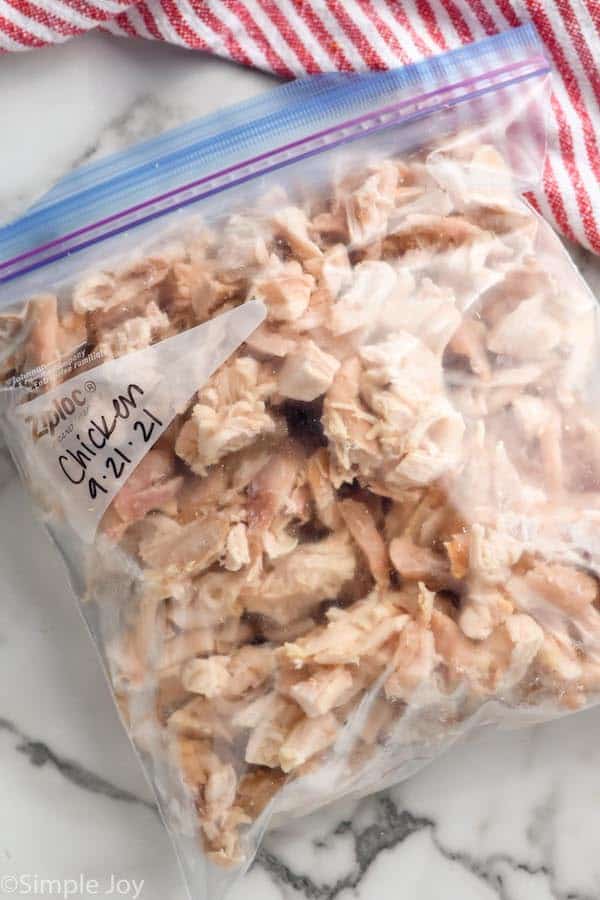
– Freeze cooked chicken in smaller portion sizes and without the skin and bones.
– Remove all bones and skin before freezing.
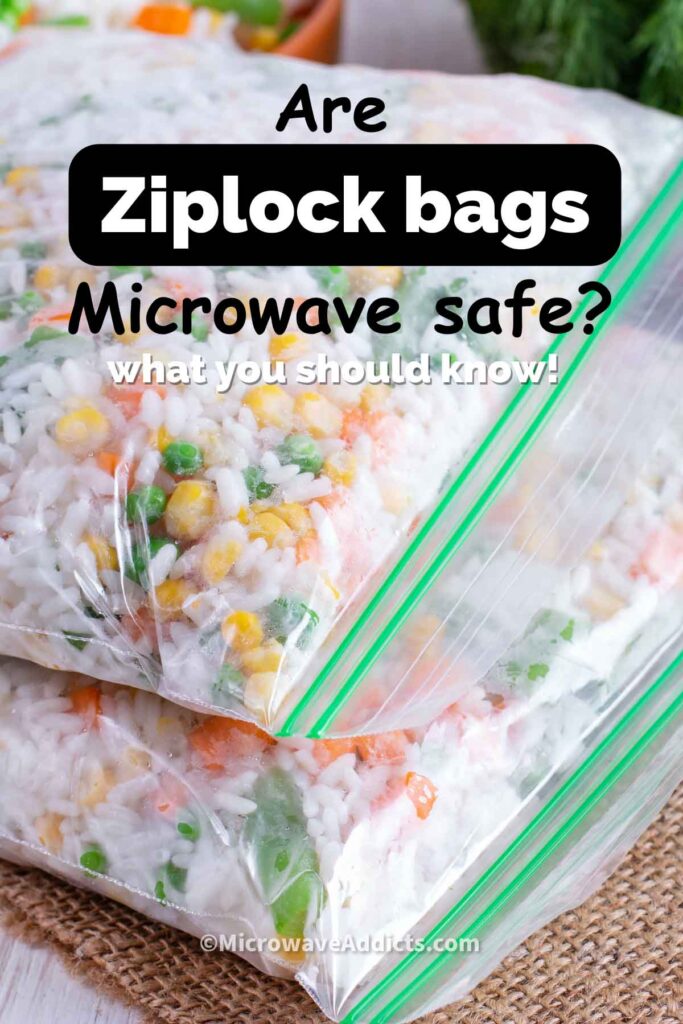
– Place cooked chicken in a labeled freezer-safe zip bag and remove excess air before sealing.
– Cooked chicken can be frozen for up to 4 months.
– Shredded chicken can also be frozen and defrosts quickly in about an hour.
– Frozen cooked chicken that has already been frozen and defrosted should not be refrozen for food safety reasons.
– Use cooked and refrigerated chicken within 3 to 4 days, according to USDA recommendations.
– Do not freeze already cooked chicken after the third day for food safety purposes.
– Thaw frozen cooked chicken and check for changes in color, texture, green/grayish color, or foul odor to determine if it is still good.
– Chicken should be at room temperature or cold before transferring it to a freezer-safe container or zip bag.
– Do not place hot chicken in the freezer as it can affect the temperature of surrounding foods and promote bacterial growth.
– Thaw previously cooked chicken using the refrigerator or a water bath. Refrigerator thawing takes about 24 hours, while a water bath takes 2 hours with water changed every 30 minutes.

Continue Reading

How Long Does Salad Last in the Fridge? Storage Tips and Shelf Life Explained

– Salad is normally good for 1-2 days after opening, but can last in the fridge for up to 5 days if stored properly.
– Greens in packages can be stored in the refrigerator for up to 5 to 6 days, but should be consumed within four days.
– Tuna salad can be refrigerated at 40°F for 3 to 5 days before deteriorating.
– Green salad like caesar salad can last in the fridge for a week without mayonnaise, and 1-2 days with yogurt.
– Fruit salad could stay fresh in the fridge for 3-5 days, but may turn brown if mixed with apples and avocados.
– Chicken salad should be refrigerated for three to five days and kept at 40 degrees or lower for best quality.
– Pasta salad in the fridge could last for 3 to 4 days, with oil-based dressings keeping their fresh quality longer than those with mayonnaise.
– Potato salad, whether store-bought or homemade, keeps in the fridge for 3 to 4 days.
– Egg salad can be eaten within four days if properly stored in a sealed container in the refrigerator.
– Spring blend green salad spoils faster than other types of greens and should be used in 7 to 10 days.
– Macaroni salad lasts three days in the fridge when refrigerated tightly and should not be left out for more than two hours.
– Quinoa lasts five days in the fridge when refrigerated.
– Salad without dressings can be stored in the fridge for up to 10 days.
– Salad with dressings will last 1 to 5 days, depending on the preservation method and the mayo used.
– Extra water can ruin salad, causing it to last only two days.
– Salad with dairy products and cheese can last at least five days in the fridge at a temperature of 41°F.
– Dressed salads with kale, lettuce, and spinach should not be frozen as it can cause wilted leaves.
– Separating salad dressings will help keep salads fresh in the fridge.
– Storing lettuce in resealable plastic and wrapping salad greens in a dry paper towel can help absorb excess moisture and prolong the shelf life.
– Spoiled salad will have a soggy and slimy texture, a rotten odor, and a harsh, rotten, sour flavor.
– Leftover salad stored in the fridge immediately after opening can last up to 2 days.
– Eating old salad left at a temperature higher than 90°F for two hours is unsafe and may cause food poisoning.
– It is recommended to store salad in an airtight container to avoid contamination.
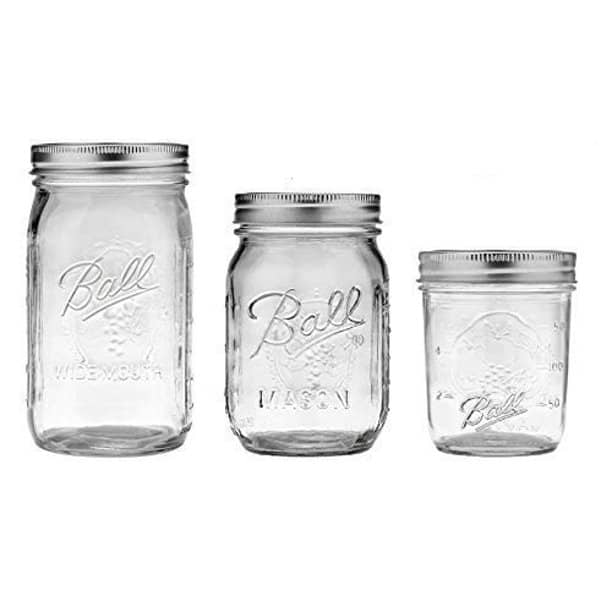
– To keep salad fresh for five days, it is suggested to separate the mayonnaise from the other ingredients and keep the meat and lettuce in a zip lock or mason jar.
– You can prepare a salad for the week by following the suggested storing method for each ingredient to ensure it lasts longer.
– Salad should be thrown away if the lettuce becomes slimy, watery, or darker than usual.
– Any salad recipe, with or without dressings, can last in the fridge for five days if properly stored and at the right temperature.
– Storing salad in the freezer is not advisable as it affects lettuce and mayonnaise.

Continue Reading

Does Worcestershire Sauce Go Bad? Unveiling the Truth

– The main ingredients of Worcestershire sauce do not require refrigeration.
– The shelf life of Worcestershire sauce is 1.5 to 3 years.
– An opened bottle of Worcestershire sauce can last for about a year in the pantry and up to 3 years in the fridge.
– Worcestershire sauce does not really go bad but its quality degrades slowly over time.
– The taste may not be great if a bottle is opened after 10 years, but it could still be good.
– Once opened, the sauce starts to lose its quality slowly, and dishes flavored with it may not be as good as before.
– The general consensus is that an opened bottle of Worcestershire sauce stays best for about 2-3 years.
– If stored properly, Worcestershire sauce can last much longer.
– Sediment at the bottom of the bottle is normal and can be dissolved by shaking.
– If the sauce develops an unpleasant smell, signs of mold, or a buildup of gas, it should be discarded.

Continue Reading

How long does cooked quinoa last and proper storage methods

– Cooked quinoa will last for about 5 to 7 days in the fridge if stored properly in an airtight container.
– Frozen cooked quinoa will last around 10 months in an airtight, freezer-safe container or freezer bag.
– Uncooked (dry) quinoa can last between 2 and 5 years if stored properly in a sealed container in a cool, dry place.
– Signs of spoiled quinoa include a sour odor and flavor, runnier consistency, and mold growth.
– It is recommended to follow the 3-year shelf life rule for dry quinoa.
– Cooked quinoa should be transferred to an airtight container and placed in the fridge to minimize bacterial growth.
– It is important to store and handle food properly to avoid the risk of consuming spoiled food.

Continue Reading

Can You Freeze Sour Cream? The Dos and Don’ts!

– Sour cream can be frozen.
– Freezing sour cream can affect its quality and texture.
– Some manufacturers advise against freezing sour cream.
– Sour cream can be stored in a plastic bag, glass container, or silicone ice cube tray.
– Frozen sour cream can become lumpy or grainy once thawed.
– Adding a teaspoon of cornstarch to thawed sour cream can help restore its texture.
– Sour cream can safely last in the refrigerator for one to three weeks.
– Sour cream that has a bad smell, mold, or a yellow or discolored color may be spoiled.
– Sour cream is a dairy product rich in vitamins and minerals.

Continue Reading

Does Vanilla Extract Go Bad? How to Properly Store and Extend Shelf Life

– Vanilla extract lasts a long time and is unlikely to go bad.
– Both pure and artificial vanilla extracts can be stored in a cool and dark place, away from heat sources.
– It is not recommended to refrigerate or freeze the extract.
– Pure vanilla extract has an indefinite shelf life and may have a slightly more intense flavor after a few years.
– Imitation vanilla extract has a shorter shelf life and its quality will degrade over time.
– The best-by date on the label is a good indicator of its quality.
– Imitation vanilla extract can last for up to 6-12 months after the best-by date, but the taste will worsen over time.
– Vanilla extract should be kept sealed tightly to prevent it from going bad.
– If the extract smells off or has growth on the inside of the cap, it should be thrown away.
– Pure vanilla extract is made with vanilla beans and is brown in color.
– The primary flavor compound in pure extract is vanillin.
– Imitation vanilla extract only contains vanillin and is a synthetic substance made in a lab.
– Vanilla beans are expensive, leading to the creation of synthetic vanilla for a cheaper alternative.
– Most people opt for the less expensive imitation vanilla extract because it still works well in desserts.

Continue Reading

How to store baby carrots properly for freshness

– Different fruits and vegetables require different storage approaches to stay fresh.
– Lesser-known tricks can keep crisp, crunchy vegetables like carrots fresh in the refrigerator for weeks.
– Carrots should not be rinsed before storing to prevent mold growth.
– Floppy or soft carrots can be revived by hydrating them in water.
– Carrots should not be stored next to ethylene-producing fruits like apples, bananas, and pears.
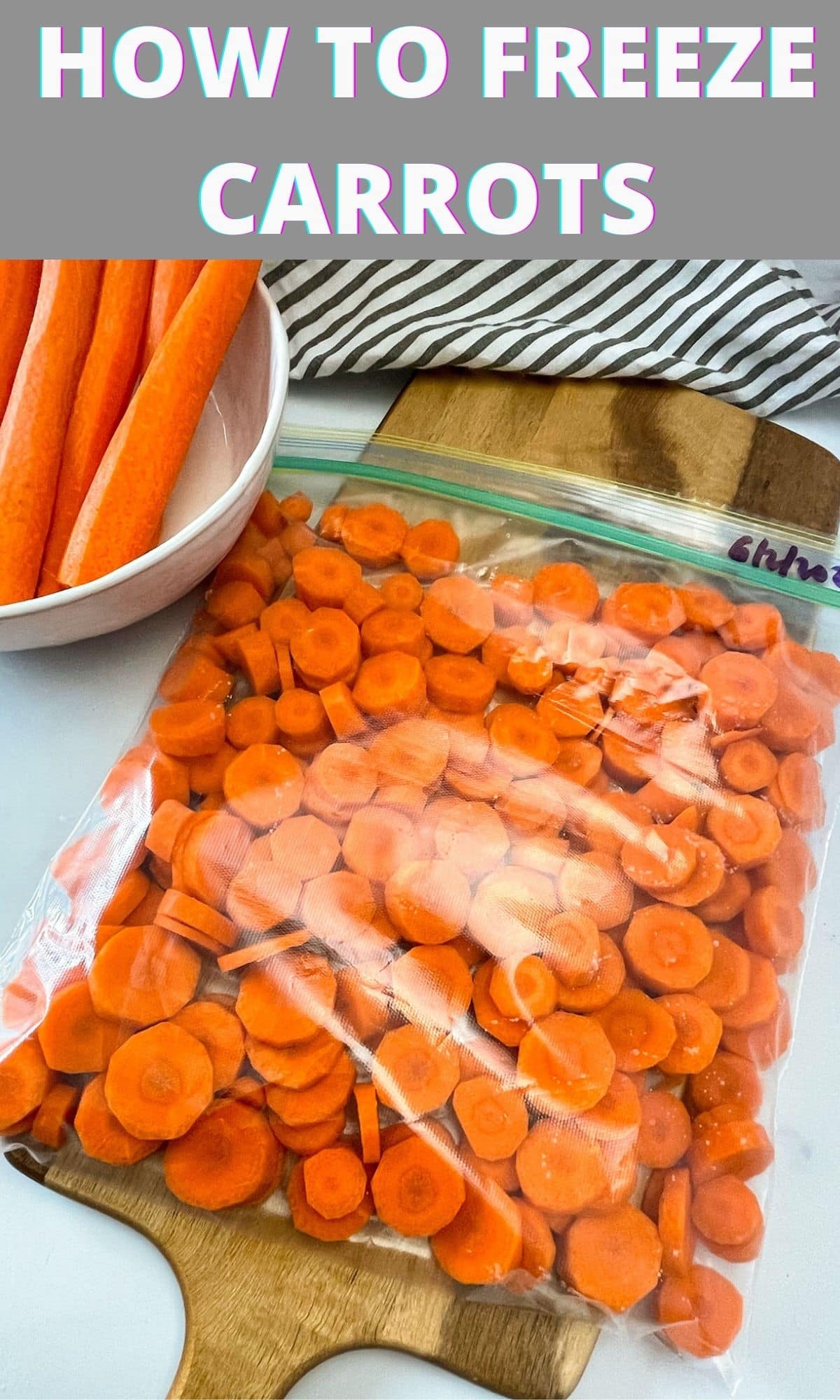
– Freezing carrots is an option, either cooked or uncooked. Carrots should be scrubbed and peeled, and can be shredded or chopped before storing in a freezer bag. Blanching before freezing helps preserve color.
– Store-bought carrots can last several weeks with proper storage.
– The best way to store carrots is to keep them in an airtight container submerged in water.
– Carrots can be prepped by chopping off the ends and peeling if they will be eaten within a week or two.
– Water should be switched out every week to prioritize long-term freshness.
– Airtight glass jars are recommended for storing prepared carrots and celery.
– Carrots preserved using this method can stay fresh for up to three weeks.
– Using a root cellar is the most effective method for storing carrots.
– A root cellar is usually underground and keeps fruits, vegetables, nuts, and other goods in a cool, dark place.
– Unwashed carrots should be packed in a sealed container in a root cellar to keep them fresh for months.
– Home-grown carrots should have their green tops removed as soon as they are brought into the kitchen.
– Carrot greens can be used to make pesto or chopped into a gremolata.
– Bags of carrots are often left to rot in crisper drawers.
– Whole carrots can last for about three to four weeks in the fridge if stored properly.
– Remove carrot greens and avoid washing whole, unpeeled carrots until right before eating or cooking.
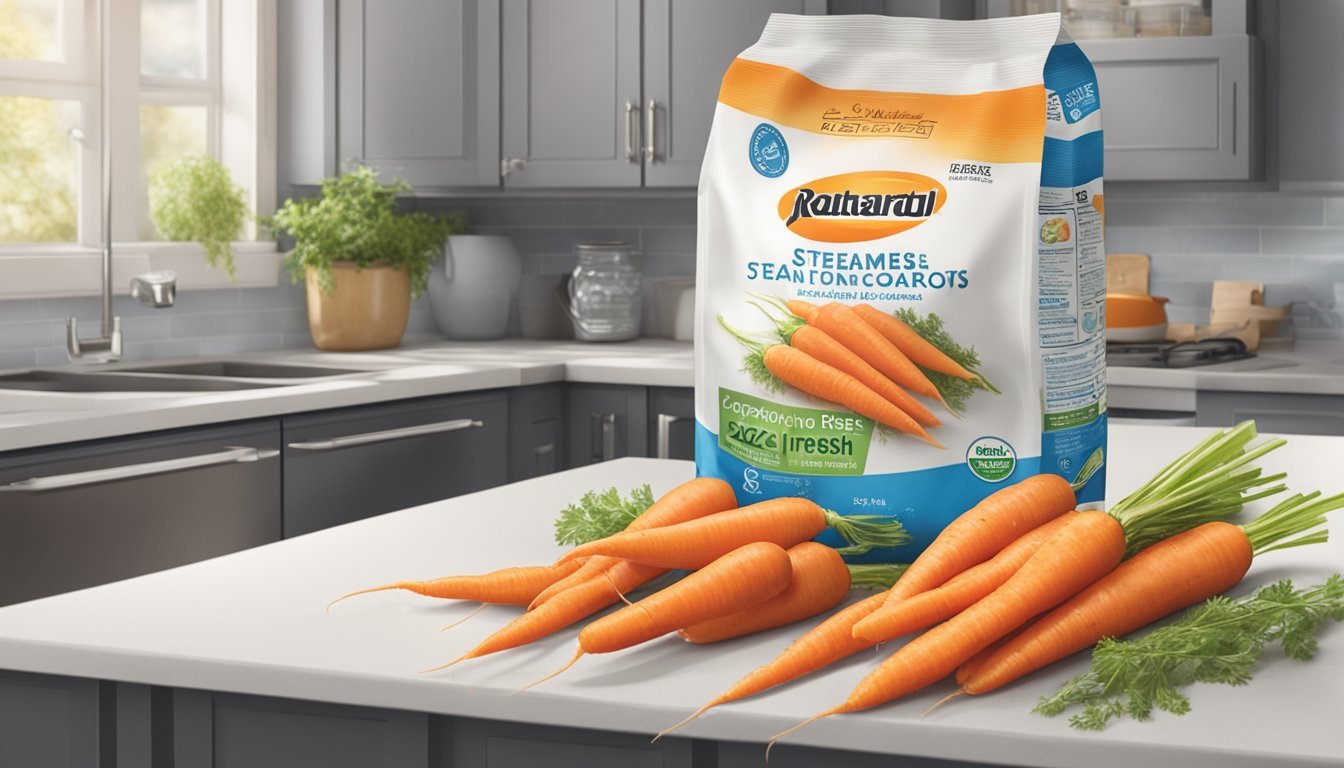
– Wrap unpeeled, unwashed carrots in a dry paper towel and store them in an airtight container or bag in the coolest part of the refrigerator.
– Peeled carrots dry out more easily, so store them by submerging them in cool water in a container in the refrigerator, changing the water every few days.
– Rinse peeled carrots before eating.
– Baby carrots are actually cut and peeled adult carrots, so they can be stored the same way as peeled carrots.
– Cooked carrots can last for about four days in an airtight container in the refrigerator.
– Blanching carrots before freezing helps preserve their flavor, vibrancy, and nutritional value.

Continue Reading

How Long Does Pulled Pork Last in the Fridge? Insider Tips for Food Safety & Storage

– Pulled pork leftovers should be used within four days of being cooked.
– Raw pork butt or shoulder should be kept in the fridge for up to five days before smoking.
– Leftover pulled pork should be stored in an airtight container to prevent spoiling.
– Pulled pork should be disposed of if it is molded or visually changed.
– Pulled pork should be disposed of if it smells sour or ammonia-like.
– Eating spoiled pulled pork can lead to food poisoning.
– Symptoms of food poisoning include fever, diarrhea, nausea, vomiting, and stomach pain.
– Leftover pulled pork can be saved for longer by freezing it.
– The best way to freeze pulled pork is by storing it in vacuum-sealed bags or double-bagged freezer bags with all the air squeezed out to reduce the risk of freezer burn.
– Portion out the pulled pork into meal-sized amounts or individual servings for easy thawing.
– Pulled pork can be kept in the freezer for a maximum of three months for best quality.
– Frozen pulled pork can be thawed in the refrigerator the day before it is needed, on the bottom shelf and on a plate or container to catch any liquid from thawing.

Continue Reading

Can You Freeze Cooked Turkey Safely and Deliciously?

List of pertinent information about freezing cooked turkey:
– Leftover turkey can be kept in the fridge for up to four days before freezing.
– Freezer-proof zipper top bags are suggested for freezing turkey to remove excess air and minimize air contact with the food.
– Turkey can be frozen for up to six months, but it is recommended to use it within three months to maintain flavor and avoid freezer burn.
– Freezer burn can be prevented by minimizing air contact with the food.
– The recommended method for defrosting frozen turkey is to place it in the refrigerator for at least one day, up to two days for larger quantities.
– Microwave defrost settings can also be used, but may vary depending on the microwave.
– Do not thaw turkey or any meat at room temperature to prevent bacterial growth.
– In certain recipes like soups and stews, frozen turkey can be added directly without defrosting.
– Reheating leftover turkey can be done in a baking pan with a small amount of broth in a 300°F oven or in the microwave using a microwave-safe container.
– To freeze leftover turkey, it is advised to slice or dice the meat, place it on a covered baking sheet in a single layer, chill it in the freezer for an hour until firm, and then transfer it to a labeled freezer-proof bag or container.
– Leftover turkey can be frozen on the bone if wrapped tightly.
– Label the container with the type of turkey, date, and amount.

Continue Reading

Does Jello Go Bad? The Science of Gelatin’s Lifespan

– Article addresses the question of whether jello goes bad
– Gives information on how to store both dry jello and prepared jello
– Advises to store dry jello in a cool and dry place, away from moisture
– Recommends refrigerating prepared jello and keeping it in an airtight container to avoid picking up odors
– States that freezing prepared jello is not recommended
– Dry jello powder has a best-by date and should be used within a month of that date
– Store-bought gelatin desserts have a use-by or best-before date and should be consumed within that time frame
– Jello desserts made from gelatin mix last about 2-3 days in good quality
– Dry jello will not spoil unless water gets into the package, which can cause mold or clumps to form
– If jello mix is past its expiration date, shows signs of discoloration or mold, it should be discarded
– If jello mix is within its expiration date and appears normal, it is still safe to use, although it may not set properly
– Prepared jello gradually becomes rubbery over time, but consumption is a personal preference
– Signs of spoiled jello include pockets of watery liquid, a bitter flavor, bright bacterial marks, or dark mold
– Jello should be stored in a cool, dry environment to prevent moisture and mold growth
– Refrigeration is recommended for packaged jello but not required
– Freezing jello is not recommended, except for jello pudding pops that can be kept frozen for 8-12 months
– Homemade jello should be stored in the refrigerator below 40°F in airtight containers.

Continue Reading