
Freezing Kale
Freezing kale is best for cooked or blended dishes. Blanch the leaves, cool them quickly, dry well, and freeze in portions for soups, smoothies, sautés, and casseroles.
Continue Reading
Freezing kale is best for cooked or blended dishes. Blanch the leaves, cool them quickly, dry well, and freeze in portions for soups, smoothies, sautés, and casseroles.
Continue Reading
Dry thyme by rinsing only if needed, patting it very dry, then air drying bundles, using a dehydrator, or using a low oven. Store crisp leaves in an airtight jar.
Continue Reading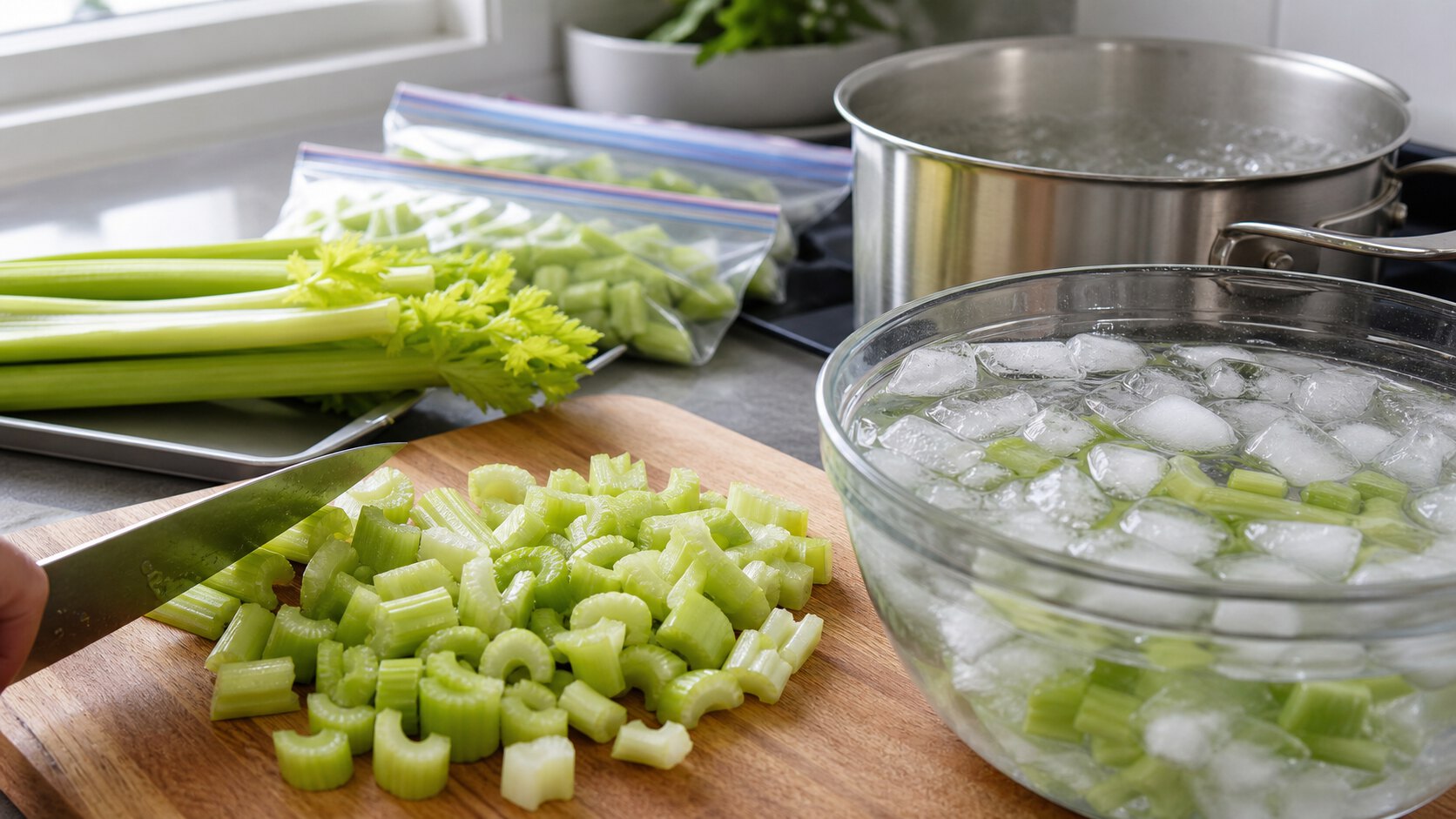
You can freeze celery, but it will not stay crisp. Blanched frozen celery is best for soups, stews, casseroles, stocks, and cooked dishes.
Continue Reading
Chia seeds usually start to gel in 10 to 20 minutes. For thicker pudding, soak them longer in the refrigerator and keep prepared chia cold.
Continue Reading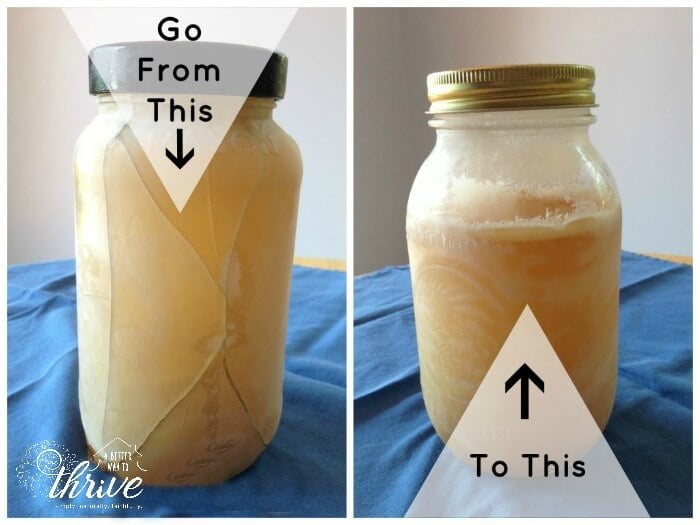
Glass containers are a good choice for freezing food Glass containers are odor and stain resistant Glass containers can go in the microwave, oven, and dishwasher Glass containers are not porous like plastic Glass…
Continue Reading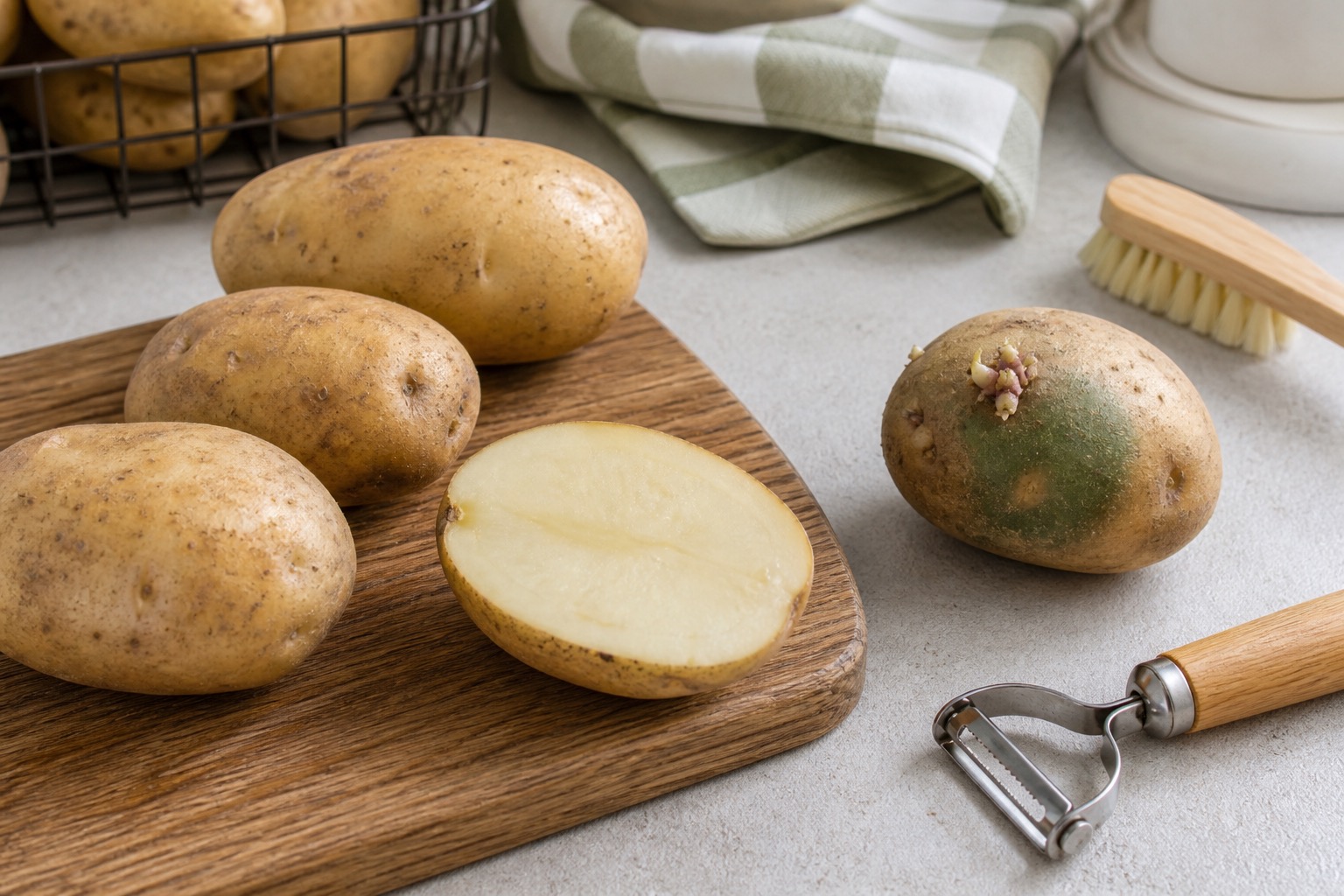
A small bite of raw potato is not usually the main concern, but raw potatoes are starchy and hard to digest. Avoid green, bitter, moldy, soft, or badly sprouted potatoes.
Continue Reading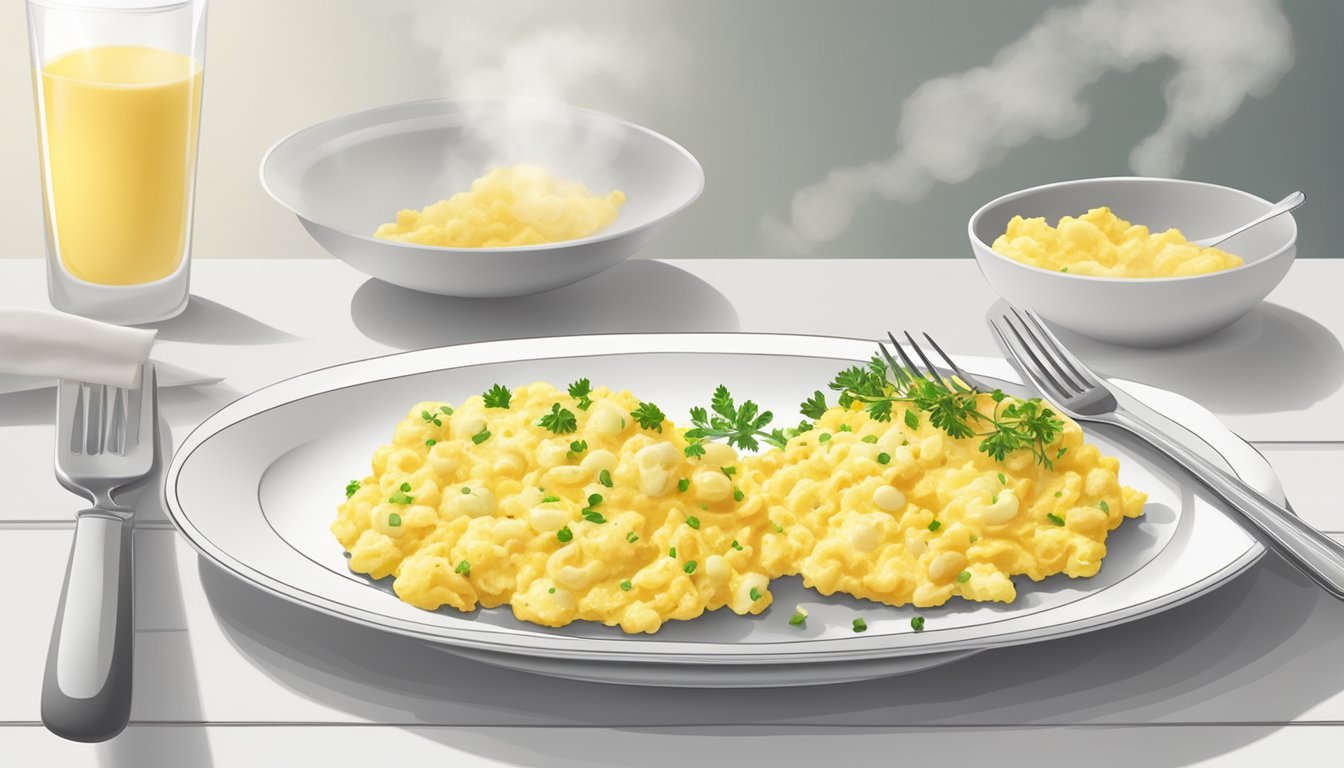
Cooked scrambled eggs can be stored in the refrigerator for up to four days. Raw eggs should be cooked before refrigerating or consumed within two hours if left at room temperature. Reheat scrambled eggs…
Continue Reading
Cooked tamales usually last 3 to 4 days in the refrigerator. Cool them promptly, store covered, and reheat leftovers to 165 degrees F.
Continue Reading
You can freeze Brie if necessary, but it may lose some creamy texture after thawing. Wrap it tightly, thaw it in the refrigerator, and use it in cooked or melted dishes.
Continue Reading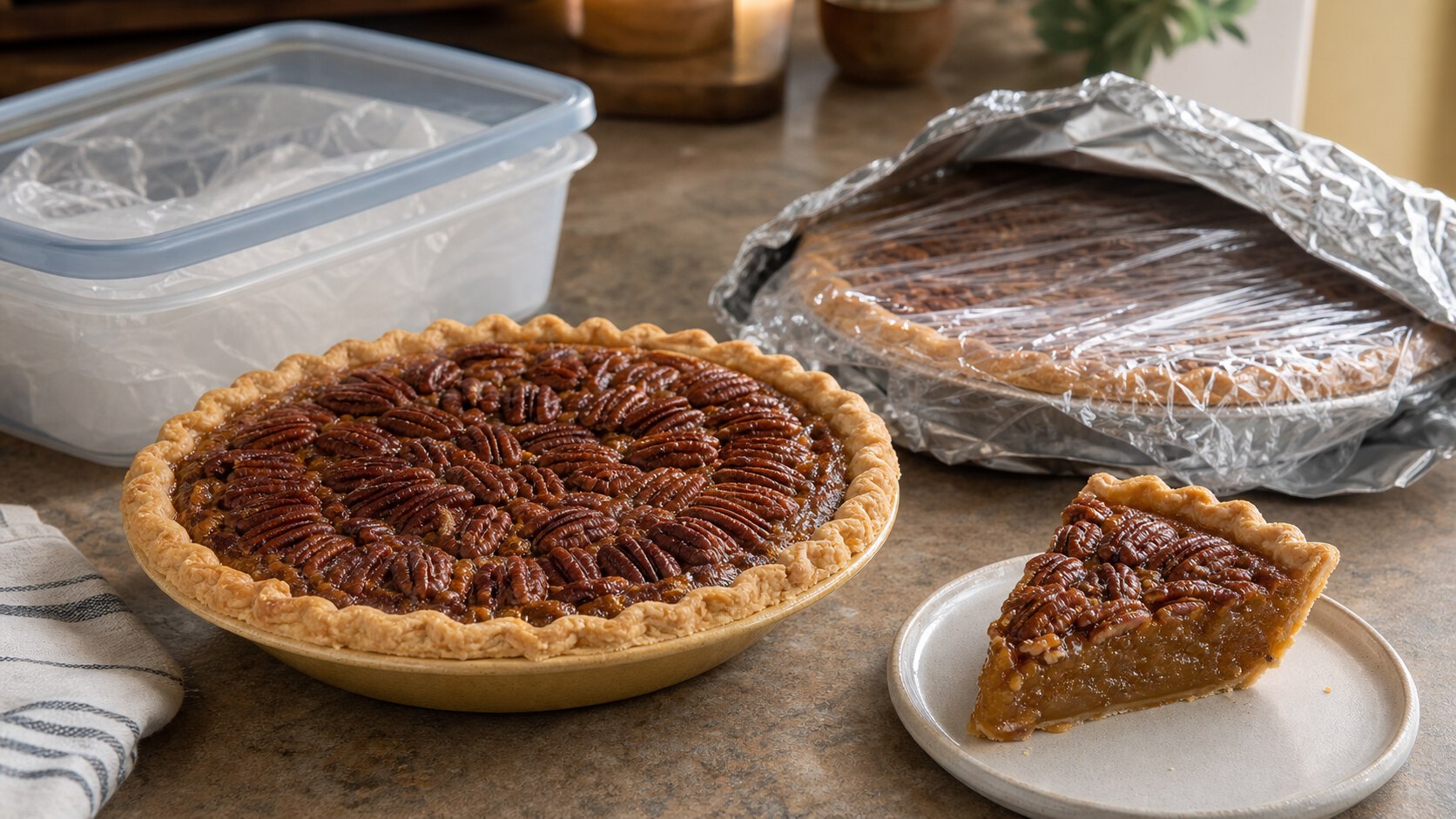
You can freeze baked pecan pie after it cools completely. Wrap it tightly, freeze it airtight, and thaw it in the refrigerator for safest handling.
Continue Reading