16 oz in cups: The key to perfect measurements

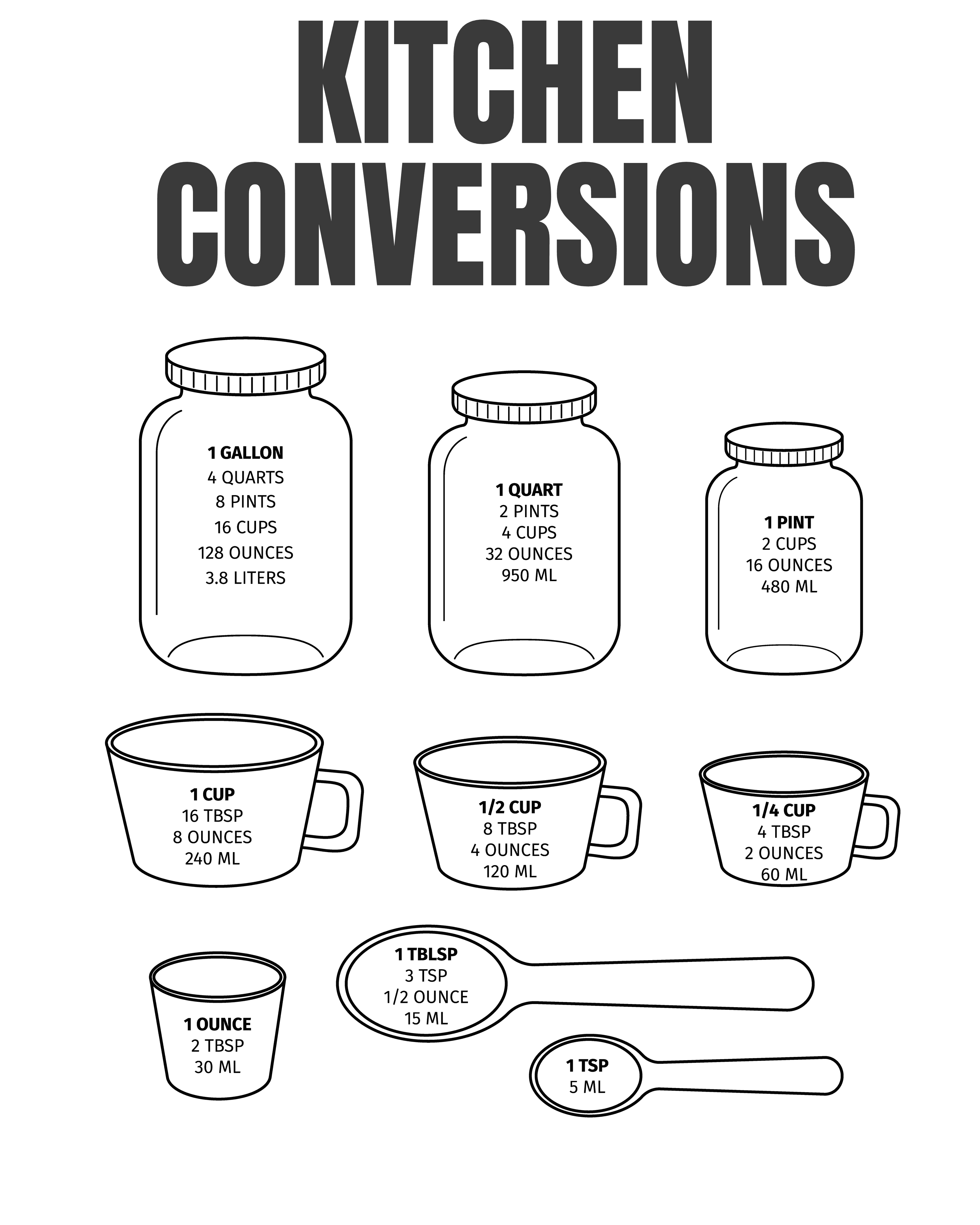
– The conversion factor from ounces (oz) to cups is 0.125 (1/8).
– To convert any value of oz to cups, multiply the oz value by the conversion factor.
– 16 oz is equal to 2 cups.
– Common conversions from 16.x oz to cups:
– 16.1 oz = 2.0125 cups
– 16.2 oz = 2.025 cups
– 16.3 oz = 2.0375 cups
– 16.4 oz = 2.05 cups
– 16.5 oz = 2.0625 cups
– 16.6 oz = 2.075 cups
– 16.7 oz = 2.0875 cups
– 16.8 oz = 2.1 cups
– 16.9 oz = 2.1125 cups
– A fluid ounce is an imperial and United States Customary measurement system volume unit. 1 US fluid ounce = 0.125 US cup. The symbol is “fl oz”.
– A cup is a volume unit. 1 US cup = 8 US fluid oz. The symbol is “c”.

Continue Reading

Can You Put Glass in the Freezer Safely? The Answer May Surprise You!

– Glass containers are a good choice for freezing food
– Glass containers are odor and stain resistant
– Glass containers can go in the microwave, oven, and dishwasher
– Glass containers are not porous like plastic
– Glass containers should be durable and labeled as freezer safe
– Cooling food before freezing can prevent thermal shock and bacterial growth
– Glass containers with silicone-lined lids provide an airtight seal and prevent freezer burn
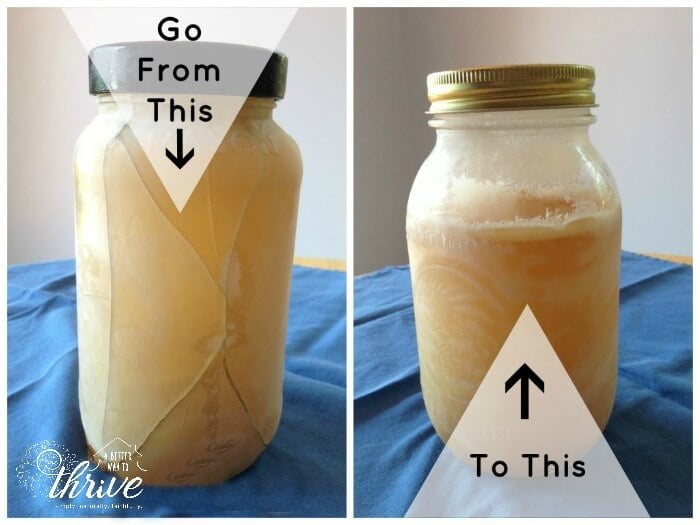
– Wide-mouth, straight-sided mason jars can be used for freezing
– Leave space at the top of mason jars to allow for expansion
– Avoid using glass containers with cracks or damage
– Thaw food at room temperature or in the refrigerator before putting it in the oven
– Glass containers should be slowly warmed when taken out of the freezer
– Thermal shock can cause glass to crack or shatter
– Check for cracks or damage in glass containers before freezing
– Leaving a gap at the top of mason jars is important for preventing freezer burn
– Pyrex containers with rubber lids are suitable for freezer use
– Drinking glasses can be put in the freezer for a short period of time
– Leave space between containers to prevent them from bumping into each other

Continue Reading

Maximizing Efficiency: Dividing Cups in Half Gallon Containers

– There are 8 cups in a half gallon
– There are 16 cups in 1 gallon
– There are 4 quarts in a gallon
– There are 2 quarts in a half gallon
– Each quart measures 4 cups
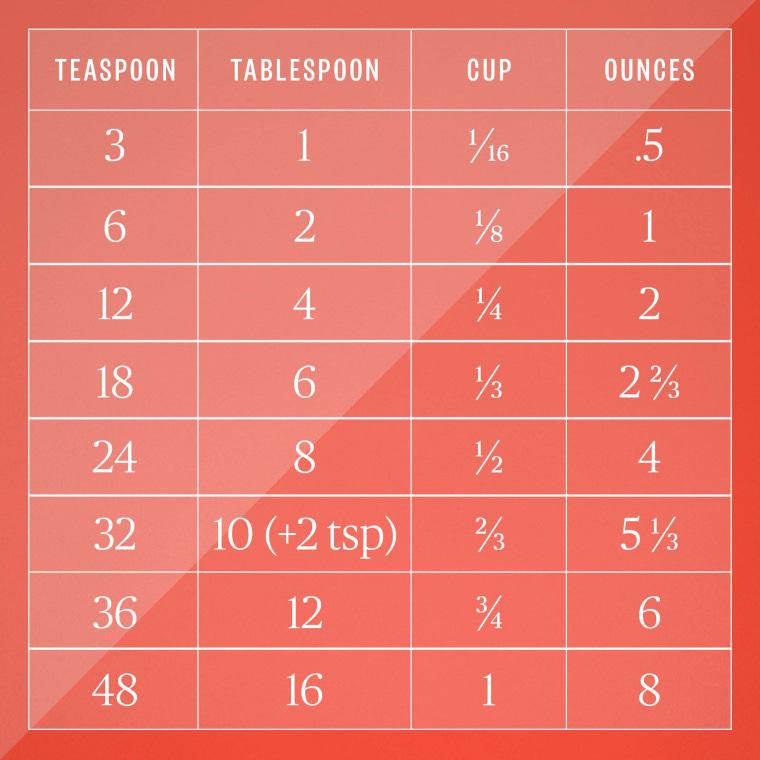
– 3 teaspoons equal 1/4 cup
– 4 tablespoons equal 1/4 cup
– 8 tablespoons equal 1/2 cup
– 16 tablespoons equal 1 cup
– 2 tablespoons equal 1 fluid ounce
– One gallon equals 16 cups.
– A half gallon equals 8 cups.
– To convert from gallons to cups, multiply the number of gallons by 16.
– To convert from cups to gallons, divide the number of cups by 16.
– Conversion table: 1/16 gallon = 1 cup, 1/8 gallon = 2 cups, 1/4 gallon = 4 cups, 1/3 gallon = 5 1/3 cups, 1/2 gallon = 8 cups, 2/3 gallon = 10 2/3 cups, 3/4 gallon = 12 cups, 1 gallon = 16 cups, 1 1/2 gallons = 24 cups, 2 gallons = 32 cups, 2 1/2 gallons = 40 cups, 3 gallons = 48 cups, 4 gallons = 64 cups, 5 gallons = 80 cups, 6 gallons = 96 cups.

Continue Reading

Is Corningware Oven Safe? A Comprehensive Guide

List of Pertinent Information for Keyword: ‘is corningware oven safe’

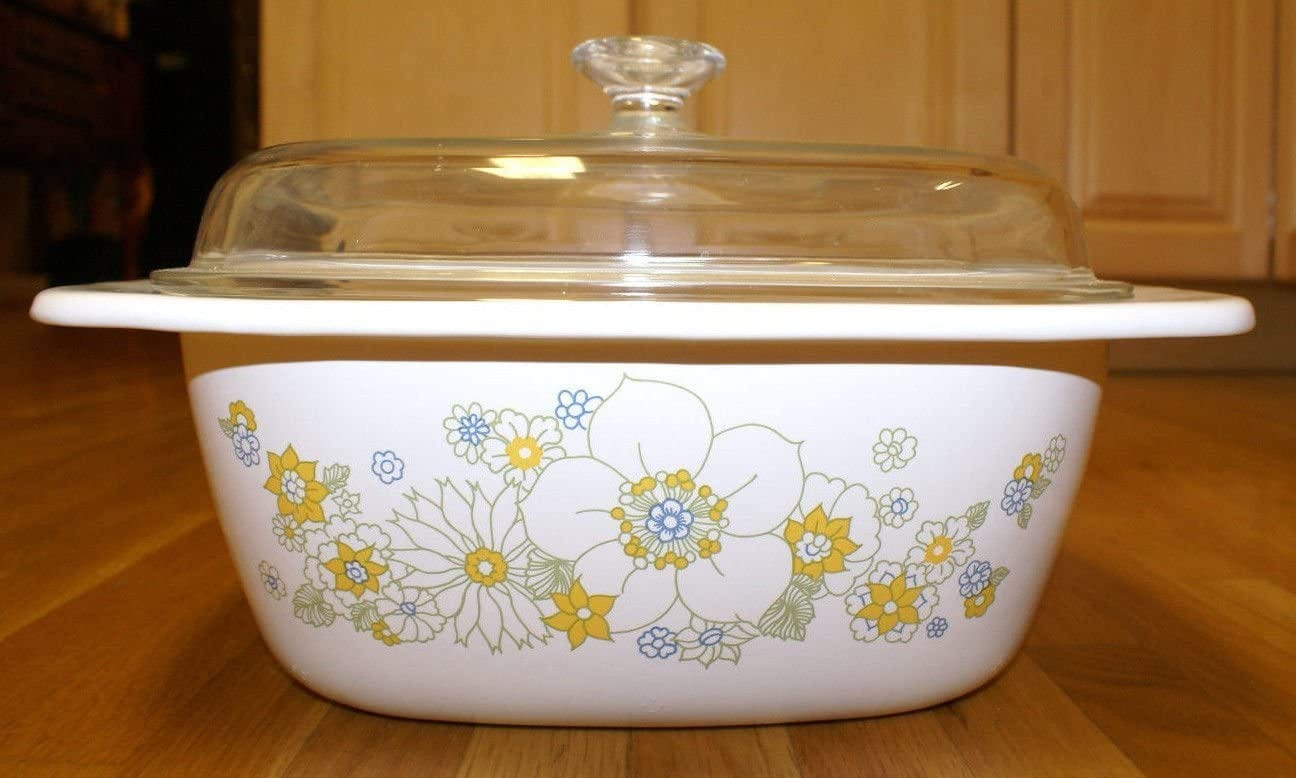
– Most CorningWare cookware is oven-safe and can be used in various types of ovens, including convection, conventional, toaster, and microwave ovens.
– CorningWare cookware can also be used on the range top, in a broiler, freezer, and dishwasher.
– The maximum heat tolerance of CorningWare cookware ranges between 400 to 450 degrees Fahrenheit.
– Glass-ceramic ware is the best type for oven use, but stoneware and other ovenware can also be used.
– Vintage CorningWare products may not be oven-safe, so it’s important to check the product label and manufacturer’s recommendation.
– Different CorningWare products have different heat tolerances, with some only able to withstand heat up to 425 degrees Fahrenheit, which is considered unsafe for broiler use.
– CorningWare glass lids can tolerate temperatures inside the oven of up to 450 degrees Fahrenheit.
– It is recommended to preheat the oven below 350 degrees Fahrenheit before putting bakeware with a glass lid inside to prevent thermal shock.
– When using a glass lid inside the oven above its maximum heat tolerance, it may break.
– Use aluminum foil instead of a glass lid when placing a dish with a glass lid inside the freezer.
– CorningWare cookware is versatile and can be used in the oven, freezer, microwave, stovetop, and dishwasher.
– It can be used on gas, electric, and ceramic stovetops and retains heat well, allowing for lower heat usage.
– Caution should be exercised when using CorningWare in the microwave as it may become hot.
– Wooden, plastic, or nylon utensils should be used to avoid scratching the cooking surface.
– Nylon or plastic cleaning pads and non-abrasive cleaners like CorningWare Cleaner and Conditioner are recommended for cleaning.
– Avoid using CorningWare for deep frying, making popcorn, caramelizing sugar, or making candy.
– Do not heat an empty CorningWare dish in the microwave and avoid using cracked, chipped, or broken cookware and glass lids for cooking.
– Use a countertop or trivet mat when placing hot CorningWare on the table or countertop.
– CorningWare products, including the best-selling 10-piece set of French White Ceramic Bakeware, are available for purchase on Amazon.

Continue Reading

Can You Put a Pizza Box in the Oven? Discovering the Safe and Surprising Truths

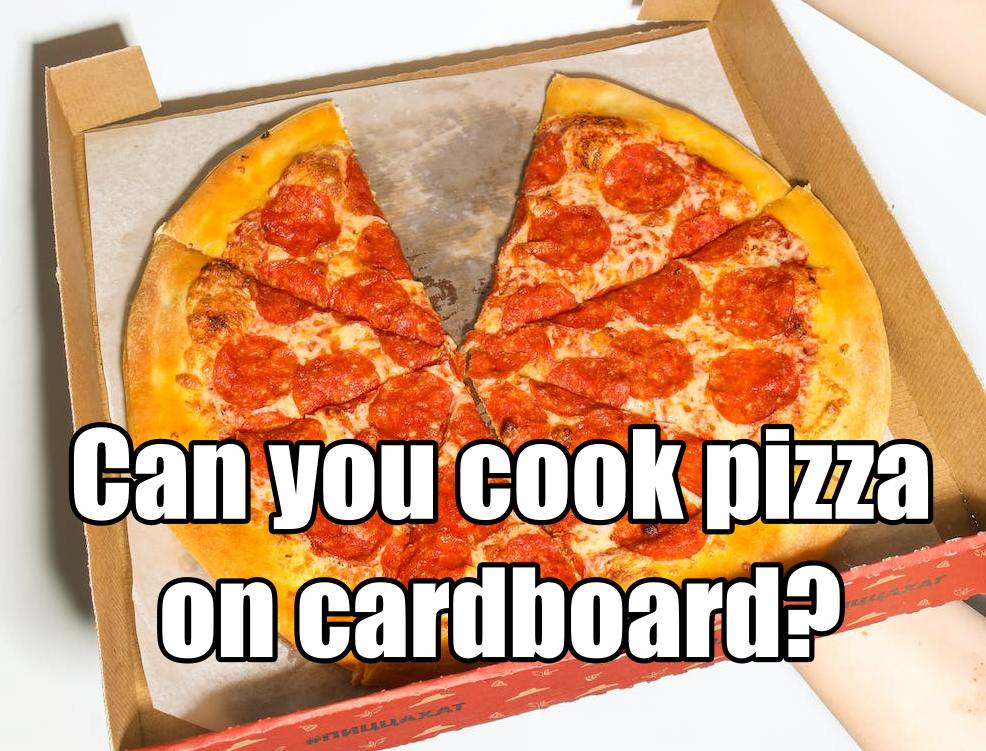
– Reheating pizza by putting the whole pizza box in the oven is not recommended.
– Most pizza boxes are made of cardboard, which can catch fire at high temperatures.
– Heating cardboard can release toxins into the food, posing health risks.
– Using pizza box varieties in the oven is not recommended due to flammability and potential release of harmful chemicals.
– The main risks of putting a pizza box in the oven are fire and chemical contamination.
– It is safer to use oven-safe baking dishes or pizza stones for reheating pizza.
– The cardboard material of the box can also impact the taste and consistency of the pizza.
– Alternatives to cardboard for reheating pizza include aluminum foil, parchment paper, and a pizza stone or steel baking sheet.
– It is recommended to explore alternative methods whenever possible.
– Pizza boxes are unlikely to catch fire until temperatures reach around 400°F.
– There may be chemicals in the pizza box that can impact the food.
– The recommended temperature for reheating is 375°F and for keeping warm is 170°F.
– Placing a pizza box in the oven increases the risk of fire, chemical contamination, and tainted food.
– It is possible to bake a Little Caesars box as long as the heating element is kept away from it.
– Only oven-safe pizza pans or dishes should be used in the oven.
– Reheating pizza in the oven can result in uneven cooking.
– The cardboard material of the pizza box can affect the taste and texture of the pizza.
– It is advised against putting the cardboard box directly in the oven, as it can release harmful substances and is not recommended.
– If choosing to use the cardboard box to keep the pizza warm, the oven should not be set above 200°F and the pizza should not be left in the oven for more than 30 minutes.
– Preheating the oven is recommended and exploring alternative methods is suggested.
– Reheating the pizza for 10 minutes on the warm setting is unlikely to cause any harm, but it is advised to prioritize safety and explore safer reheating options.
– Potential fire hazards, chemical leaks, and the material safety of the pizza box are all factors to consider.
– It is possible to bake a Little Caesars box in the oven as long as the heating element is kept away from it.
– In general, warming up pizza boxes in the oven is not advised, and it is recommended to use oven-safe alternatives.

Continue Reading

Dive into the World of Exquisite Damascus Chef Knife: Precision, Craftsmanship, and Beyond!

– Damascus chef knives are known for their superior toughness, sharpness, and edge retention.
– Damascus steel has a rich history and was used to make swords.
– Damascus knives are made by welding together different types of steel to create folded layers.
– Steels used to make today’s Damascus blades include VG10 and VG2, which have properties that strengthen the knife.
– Damascus steel knives are sturdy, flexible, and have long-lasting edge retention.
– Damascus steel knives should be cleaned under running water, dried immediately, and lightly oiled to prevent moisture damage.
– Damascus steel knives should not be stored in wet areas or in leather sheaths.
– Damascus chef knives are multi-purpose blades used for chopping, dicing, mincing, and slicing foods.
– Tojiro offers a Pro Flash 24cm chef knife that is razor-sharp and has a high Rockwell hardness rating.
– Damascus chef knives are high-quality knives with a beautiful finish.
– Tojiro makes a chef knife with 63 layers of Damascus steel and a VG-10 steel core.
– Miyabi 5000FCD makes a 24cm chef knife with a proper grip and razor-sharp edge.
– F Dick 1893 Series offers a 24cm chef knife with 33 layers of rust-free Damascus steel.
– Miyabi offers a range of Damascus steel chef knives called 5000MCD birchwood.
– Miyabi 5000MCD Birchwood 24cm Chef knife has a super-sharp blade with a 19-degree angle and a SG2 super steel core with 100 layers of steel.
– Tojiro Shippu chef knife is made of quality VG10 steel and 63 layers of Damascus steel.
– House of Knives supplies a wide range of Damascus chef knives at different price ranges.
– Premium Damascus steel knives are worth the cost as they are made of premium materials and have lovely patterns.
– The best Damascus chef knife is sturdy, tough, flexible, and durable.
– They come in different blade lengths to suit different needs.
– High-quality Damascus chef knives are well-balanced and light, allowing for efficient cutting.
– A Damascus chef knife should feel like an extension of your hand and have a comfortable handle with a proper grip.
– The handle material can vary, but what matters is proper balance, durability, and comfort.
– The best Damascus steel knife is extremely sharp and provides clean cuts while keeping food juices inside.
– Leading knife makers offer high-performance Damascus chef knives that are elegant and stylish.
– Damascus steel knives require proper care to prevent rusting.
– After use, the knife should be cleaned immediately under running water and dried.
– The blade should be stored in a dry place to prevent moisture buildup.
– Food-grade mineral oil should be used to oil the blade and prevent rusting.
– Abrasives and harsh chemicals should not be used on Damascus steel knives.
– The knife should be stored in a box or padded case, not a leather sheath.
– With proper cleaning, oiling, and storage, Damascus knives can last a long time.
– Damascus steel blades retain their sharp edge for a while, reducing the need for frequent sharpening.
– Damascus chef knives are sharp, easy to use, and durable.
– They come in various blade lengths and handle materials.
– The Damascus pattern gives the knives a beautiful look.

Continue Reading

Can You Microwave Pyrex? Unveiling the Truth about Glass Cookware

– Pyrex can be microwaved and is ideal for microwave cooking.
– Pyrex can also be used in the freezer but should be fully cooled before placing the plastic lid on top to avoid condensation.
– Pyrex is dishwasher safe and can be rinsed under a hot tap to remove any food debris.
– Pyrex bowls are safe to use in the microwave.
– Any glass that is oven safe is also microwave safe.
– Glass containers, including Pyrex, can also go from the fridge or freezer to the microwave.
– It is recommended to let the Pyrex sit out for an hour before microwaving if it is cold.
– Pyrex can be used for reheating vegetables, melting cheese, and serving dishes at the dinner table.

Continue Reading

Clear Pots and Pans: The Ultimate Guide to Maintenance

– Walmart offers a variety of pots and pans for home kitchens at low prices.
– Essential pieces for a kitchen are small or medium pots, saute pans or skillets, and a Dutch oven.
– Additional useful pieces include saucepans, deep saucier pans, fry pans, grill pans, double boilers, large stock pots, and woks.
– Cookware material options include stainless steel, nonstick, tri-ply, aluminum, ceramic, copper, hard-anodized, cast-iron, and carbon steel.
– Pots and pans are used for cooking at high temperatures.
– Stir-frying vegetables and meat require high temperatures.
– Roasting pans are ideal for cooking large pieces of meat like turkey in the oven.

Continue Reading