Applesauce Substitute: Discover Healthy and Delicious Alternatives

– Applesauce is a 1:1 replacement for butter, oil, or eggs in baking recipes.
– Pumpkin puree can be used as a substitute for applesauce in a 1:1 ratio.
– Other fruit purees such as pear, peach, prune, or apricot can also be used in a 1:1 ratio.
– Mashed sweet potatoes can be used as an alternative to applesauce in a 1:1 ratio.
– Greek yogurt can be used as a replacement for applesauce when replacing fat in a recipe, with a 1:1 ratio.
– Silken tofu can be used as a 1:1 substitute for applesauce when replacing butter in a recipe.
– The best applesauce substitute depends on the role applesauce plays in the recipe.
– Applesauce is made by cooking apples with water or apple cider and has a substantial apple flavor with a balance of sweetness and tartness.
– Applesauce is high in soluble fiber and polyphenols, which can help lower cholesterol levels.
– Applesauce can be stored in the pantry until opened and should be refrigerated once opened.
– Unsweetened applesauce is recommended for baking.
– Consider using less sugar in recipes when using applesauce as a replacement.
– Using applesauce as a substitute in baking recipes can save calories compared to using oils.
– Pumpkin puree has a similar texture to applesauce but takes longer to cook and is less sweet.
– Homemade applesauce and fruit purees require a food processor or high-powered blender.
– Mashed sweet potatoes have a similar level of sweetness and are high in fiber.
– Mashed sweet potatoes work best in dense baked goods like cake and muffins.
– Greek yogurt is high in nutrients, especially protein, which can lead to more satiating baked goods.
– Greek yogurt may result in a thicker and creamier texture in baked goods compared to applesauce.
Continue Reading

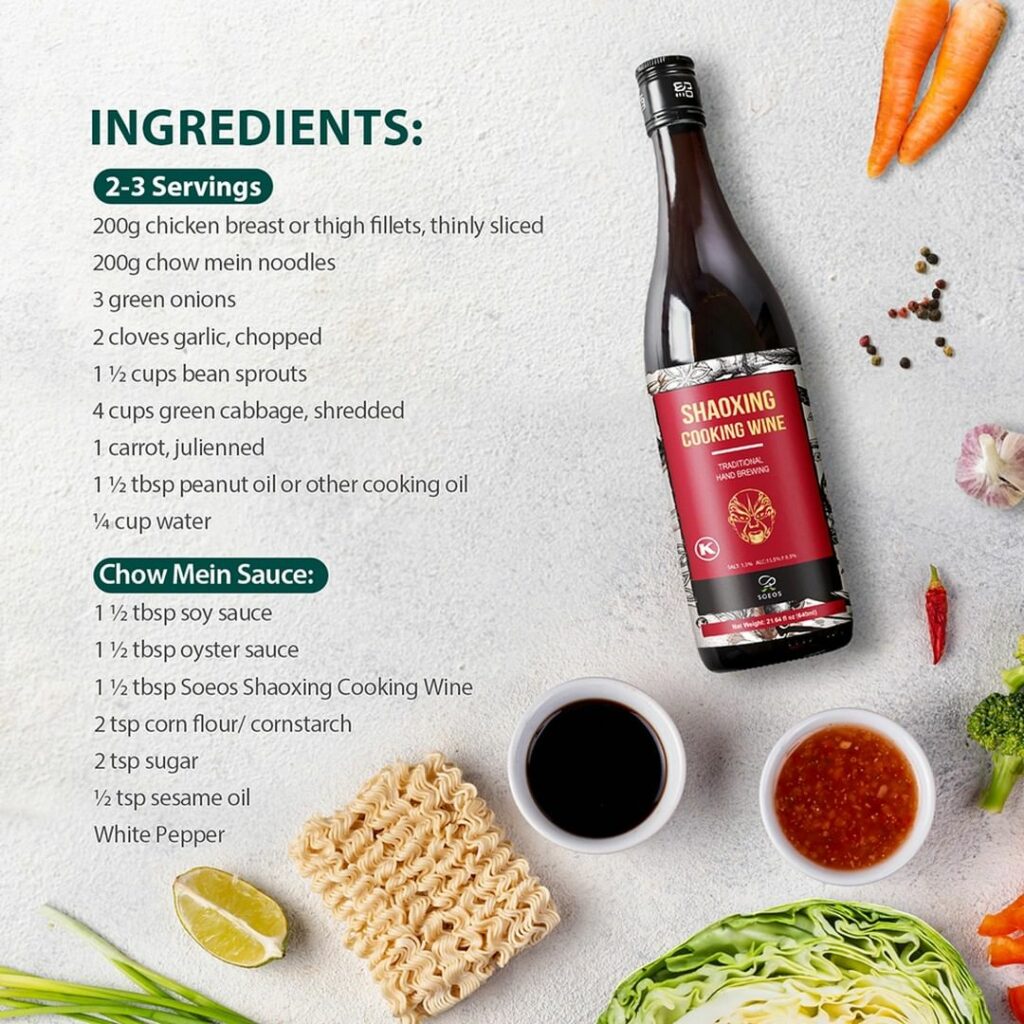
Exploring alternative flavors: The perfect substitute for Shaoxing wine

– Mi Jiu (another Chinese rice wine)
– Baijiu (specific types suitable as substitutes)
– Dry sherry
– Sake (Japanese rice wine)
– Soju (Korean distilled alcohol)
– Mirin (sweet Japanese rice wine)
– Dry white wine (Pinot Grigio, Sauvignon Blanc)
– Huangjiu (traditional Chinese rice wine)
– Stock mixed with rice vinegar
– Apple juice
– White grape juice
– Non-alcoholic white wine
– Non-alcoholic beer
– Gluten-free pale dry sherry
– Gluten-free dry white wine

Continue Reading

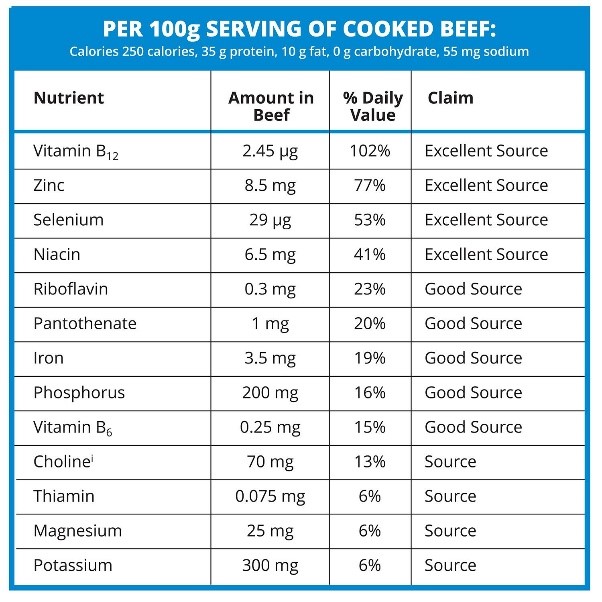
Milk Steak: A Nutritional Guide to Essential Minerals

Pertinent list of ingredients and instructions for milk steak:
– Ribeye, sirloin, or strip steak
– Fresh thyme
– Garlic cloves
– Salt
– Pepper
– Ground mustard
– Milk
– Heat milk with thyme in a skillet until it boils
– Season steaks with rub
– Let steaks sit at room temperature
– Cook steaks in boiling milk for 3 minutes per side for medium-rare
– Whisk milk constantly to avoid scalding
– Thicker steaks may require longer cooking time
– Serve milk steak with side dishes such as garlic mashed potatoes, air fryer baked potatoes, sous vide green beans, air fryer broccoli, or Instant Pot Brussels sprouts
– Store leftover steak in the fridge for 3-4 days and reheat in a skillet with broth or water.

Continue Reading

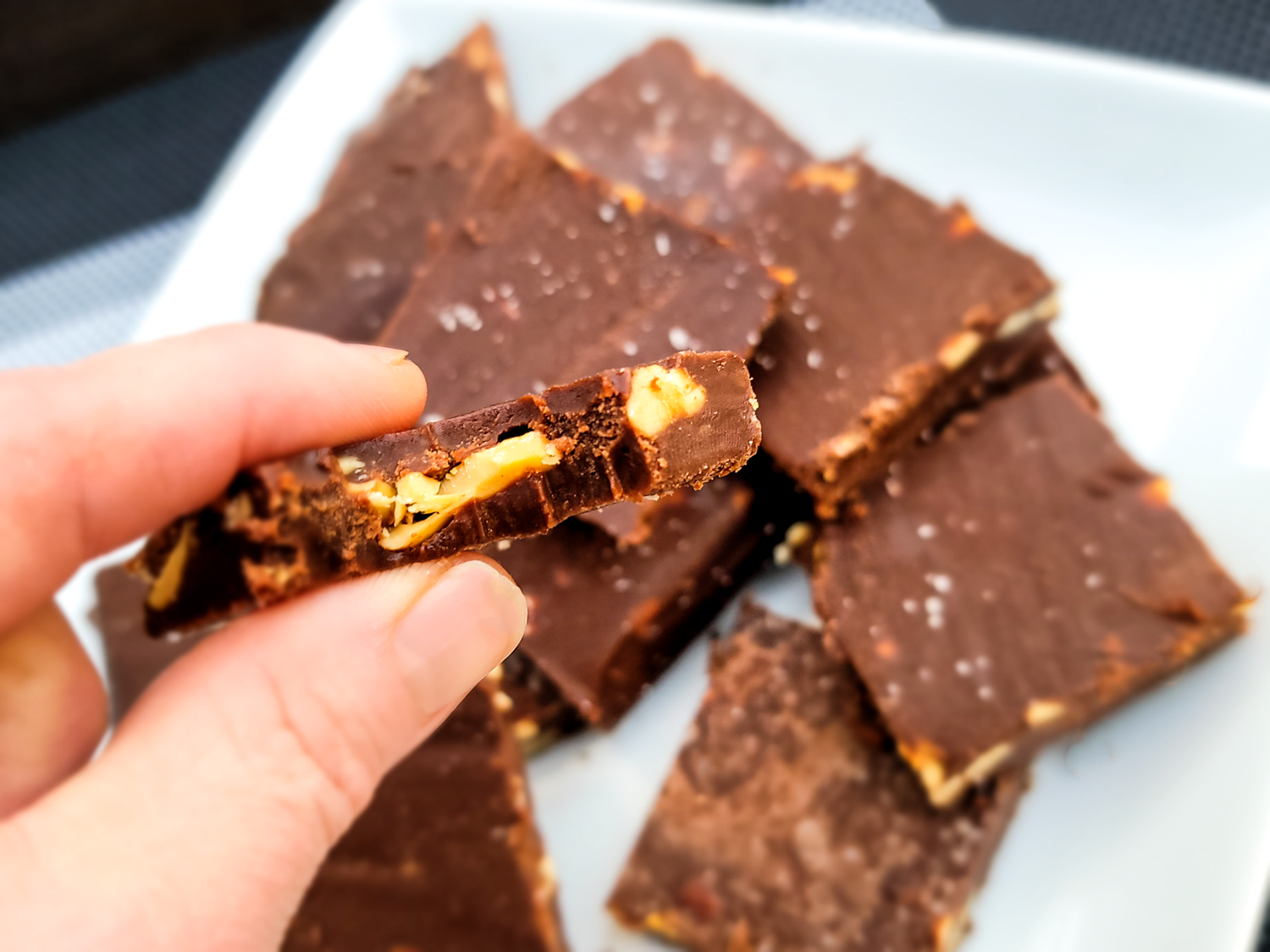
Deliciously Creamy Fudge Recipe without Condensed Milk: A GuiltFree Twist!

– Recipe for fudge without condensed milk
– Alternative fudge recipe for those without condensed milk
– Main ingredients for fudge recipe without condensed milk
– Dark chocolate or chocolate chips for fudge without condensed milk
– Butter for fudge without condensed milk
– Milk options for fudge without condensed milk (almond milk, regular milk)
– Powdered sugar for fudge without condensed milk
– Vanilla extract for fudge without condensed milk
– Suggestions for using semi-sweet or dark chocolate for less sweetness
– Instructions for melting chocolate, butter, and milk together
– Adding powdered sugar and vanilla extract to the mixture
– Transferring the mixture to a pan and refrigerating until firm
– Cutting the fudge into squares
– Three methods for making chocolate fudge without sweetened condensed milk
– Use of a 4×4-inch pan or sandwich-sized reusable plastic container

Continue Reading

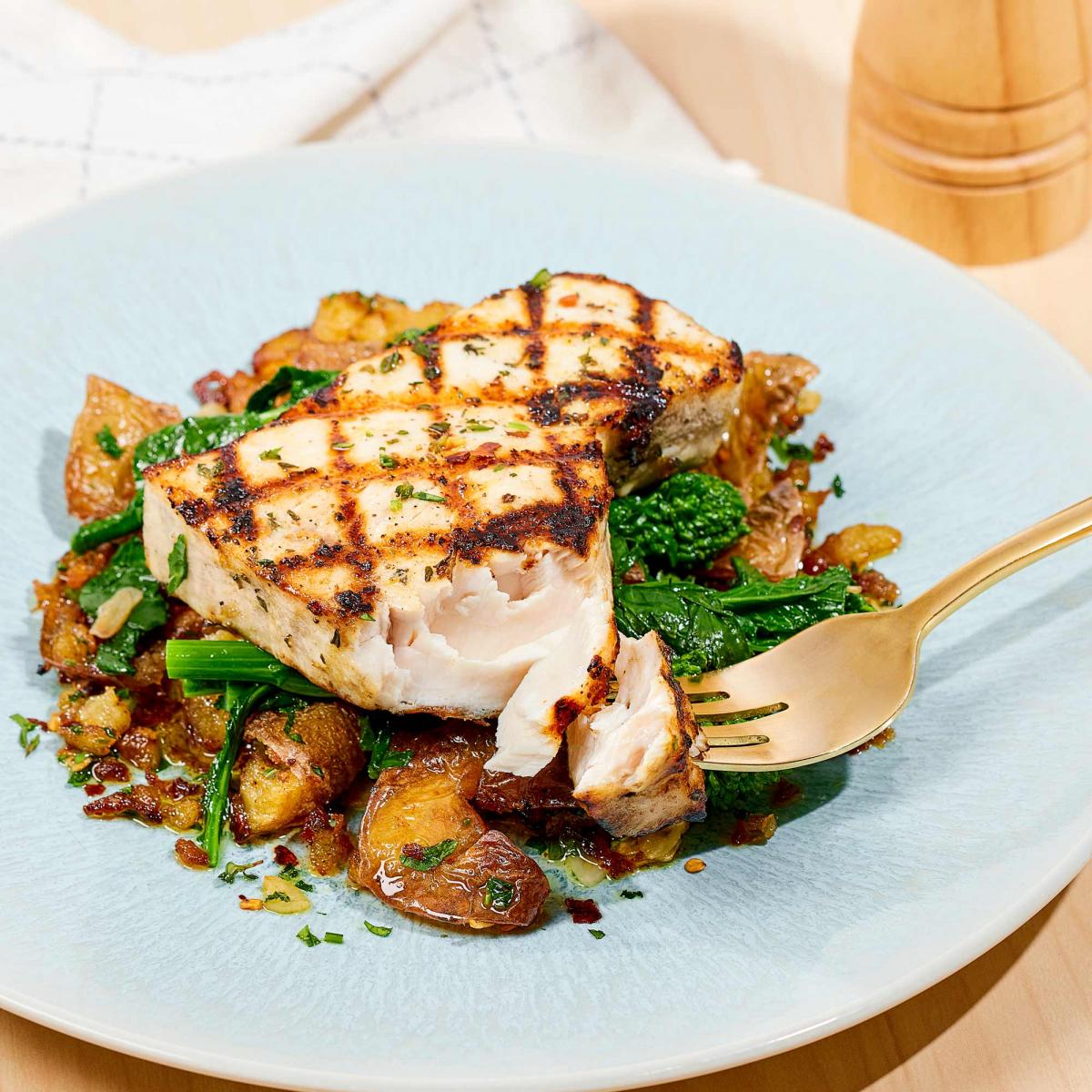
Swordfish Taste: Unlocking the Secrets of this Exquisite Delicacy

List of Pertinent Information about Swordfish Taste:
– Swordfish has a mild taste with a sweet undertone
– It is devoid of the strong fishy smell
– It has a dense and meaty texture, similar to a steak
– Swordfish is often compared to mako shark and salmon in terms of taste
– Good seasonings for swordfish include paprika, basil, soy sauce, white wine, garlic, olive oil, cumin, mustard, and cilantro
– Swordfish has a unique taste and is popular even among non-seafood enthusiasts
– It has a unique taste and is often sold frozen
– Swordfish is particularly good grilled, broiled, and sautéed
– Other meaty fish such as tuna, halibut, mahi-mahi, or salmon can be used as substitutes for swordfish.

Continue Reading

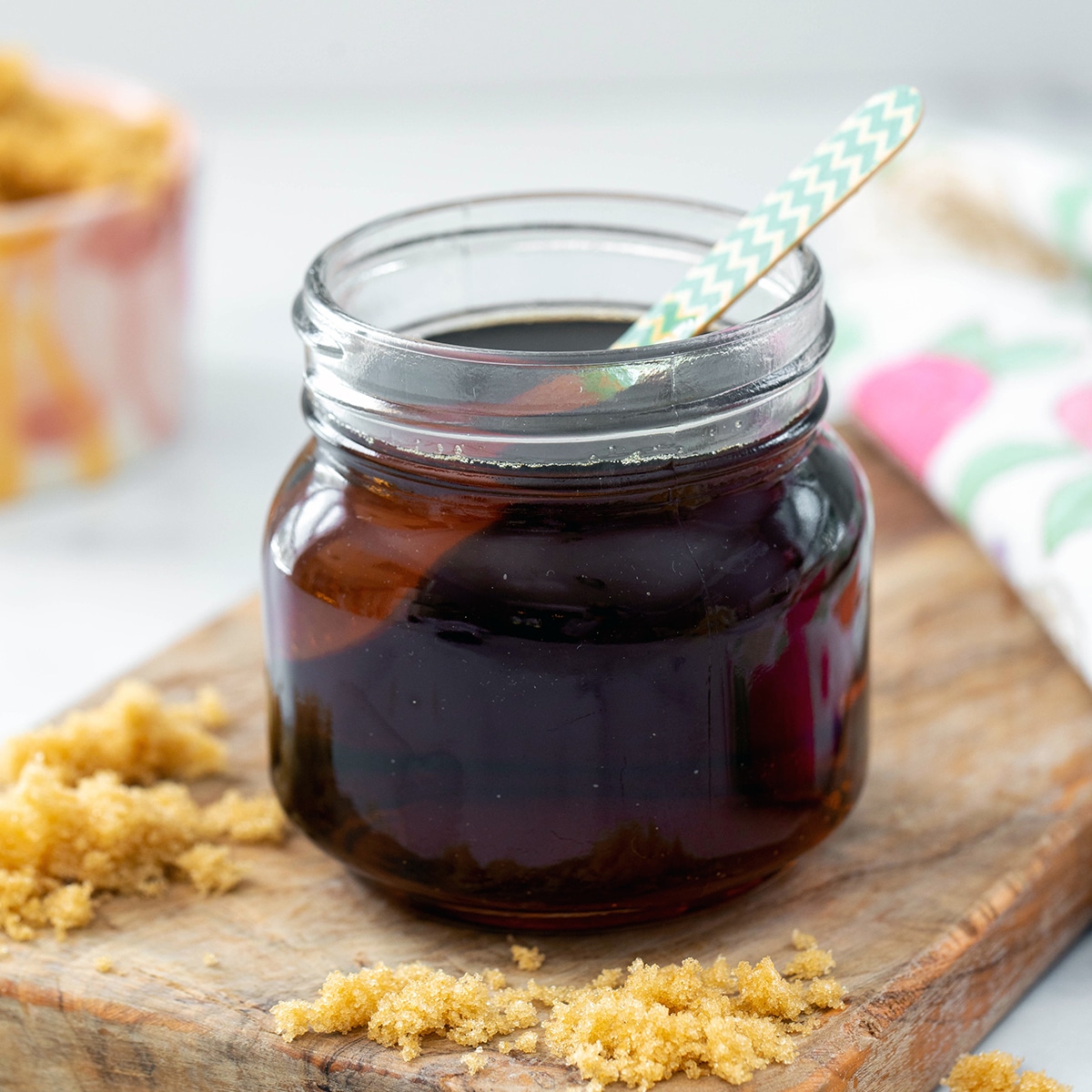
Brown Sugar Syrup Recipe: A Delicious Topping Guide

– Recipe for making brown sugar syrup
– Ingredients for brown sugar syrup recipe
– Method for making brown sugar syrup
– Uses for brown sugar syrup
– Storing brown sugar syrup
– Substituting brown sugar syrup for maple syrup
– Recipe for Starbucks-inspired brown sugar syrup
– Flavor profile of brown sugar syrup
– Variations to enhance the flavor of brown sugar syrup
– Instructions for making brown sugar syrup on stovetop or in microwave
– Shelf life of brown sugar syrup
– Tips for making brown sugar syrup
– Frequently asked questions about brown sugar syrup
– Starbucks brown sugar syrup ingredients and allergens
– Copycat recipes using brown sugar syrup
– Invitation to sign up for exclusive mini-series on gluten-free baking

Continue Reading

How Much is a Quarter Cup? Quick Measurement Conversion Guide

Here is the revised list of pertinent information related to the keyword “how much is a quarter cup,” with duplicate information removed:

– A quarter cup is equal to 4 tablespoons.
– To convert between tablespoons and cups:
– 1 cup = 16 tablespoons
– 1/4 cup = 4 tablespoons
– It is recommended to ensure that measuring cups and spoons are clean and dry, level off the cups and spoons with a knife or spatula, sift dry ingredients, and double-check measurements before adding ingredients.

Note: The information about measuring dry ingredients by weight using a digital kitchen scale and the differences between the Imperial and Metric systems were not directly related to the keyword and have been omitted.

Continue Reading

How to Make Rice Noodles: A StepbyStep Guide

List of Pertinent Information on How to Make Rice Noodles:

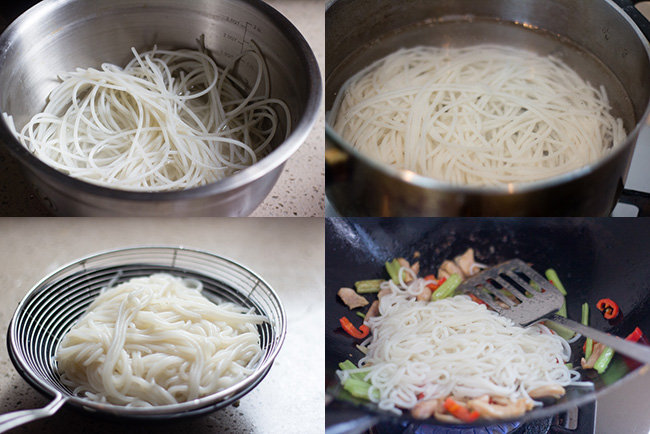
1. Buying pre-made fresh rice noodles from an Asian market is a time-saving option.
2. Homemade rice noodles can be used for stir-fried dishes or noodle soups.
3. Prevent rice noodles from sticking together by brushing each layer with oil.
4. Use two flat-bottomed pans for faster cooking.
5. Ensure the pan is level on top of boiling water for even thickness.
6. Stir the rice mixture well before adding it to the pan.
7. Mix rice flour, tapioca starch or cornstarch, salt, and water for the noodle mixture.
8. Add oil to the mixture and let it rest for 30 minutes.
9. Fill a wok or cooking vessel with water and bring it to a boil.
10. Coat a flat-bottomed pan with oil and place it on top of the boiling water.
11. Fill the pan with a 1/4 cup of the rice liquid.
12. Grease two cake tins with vegetable oil for the rice mixture.
13. The rice mixture should have a certain consistency, and water can be added if needed.
14. Pour a thin layer (no more than 2mm) of the rice flour mixture into one cake tin.
15. Place the tin over boiling water in a saucepan and cover it with a lid for 3-4 minutes until set.
16. Brush the top of the noodle sheet with oil.

Continue Reading

Can You Marinate Frozen Chicken? Tips and Tricks

– Marinating frozen chicken is possible, but it may not be as effective as marinating fresh or fully thawed chicken.
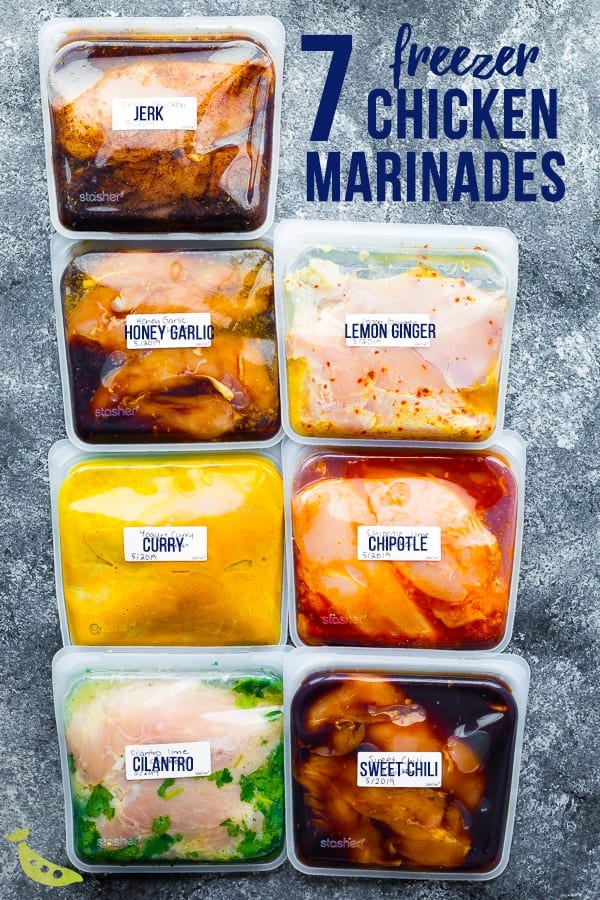
– Different parts of frozen chicken, such as wings, breasts, thighs, and tenders, can all be marinated.
– Marinating frozen chicken wings adds flavor, and popular ingredients include soy sauce, garlic, honey, and spices.
– For frozen chicken breasts, it is more effective to marinate them after they have thawed completely.
– Marinating frozen chicken thighs might take longer compared to fresh or thawed ones.
– Frozen chicken tenders can also be marinated, and the marinating time will depend on their thickness and desired flavor.
– The ability to marinate frozen chicken depends on the desired outcome and time available.
– It is generally recommended to marinate chicken after it has fully thawed for better flavor absorption.
– Marinating frozen chicken can make it difficult for the marinade to penetrate the skin and may result in weaker flavor.
– Marinating frozen chicken is safe to consume as long as it is prepared and cooked properly.
– Thawing the chicken before marinating is recommended to avoid diluting the flavor and potential health risks.
– There are different methods for defrosting frozen chicken, including using cold water, a microwave, or the fridge.
– It is important to ensure that there are no gaps or holes in the packaging when using the water defrosting method.
– Defrosting chicken in the fridge is the most widely used method but takes the longest time.
– The article recommends defrosting the chicken before applying the marinade for the best results in terms of taste and texture.

Continue Reading