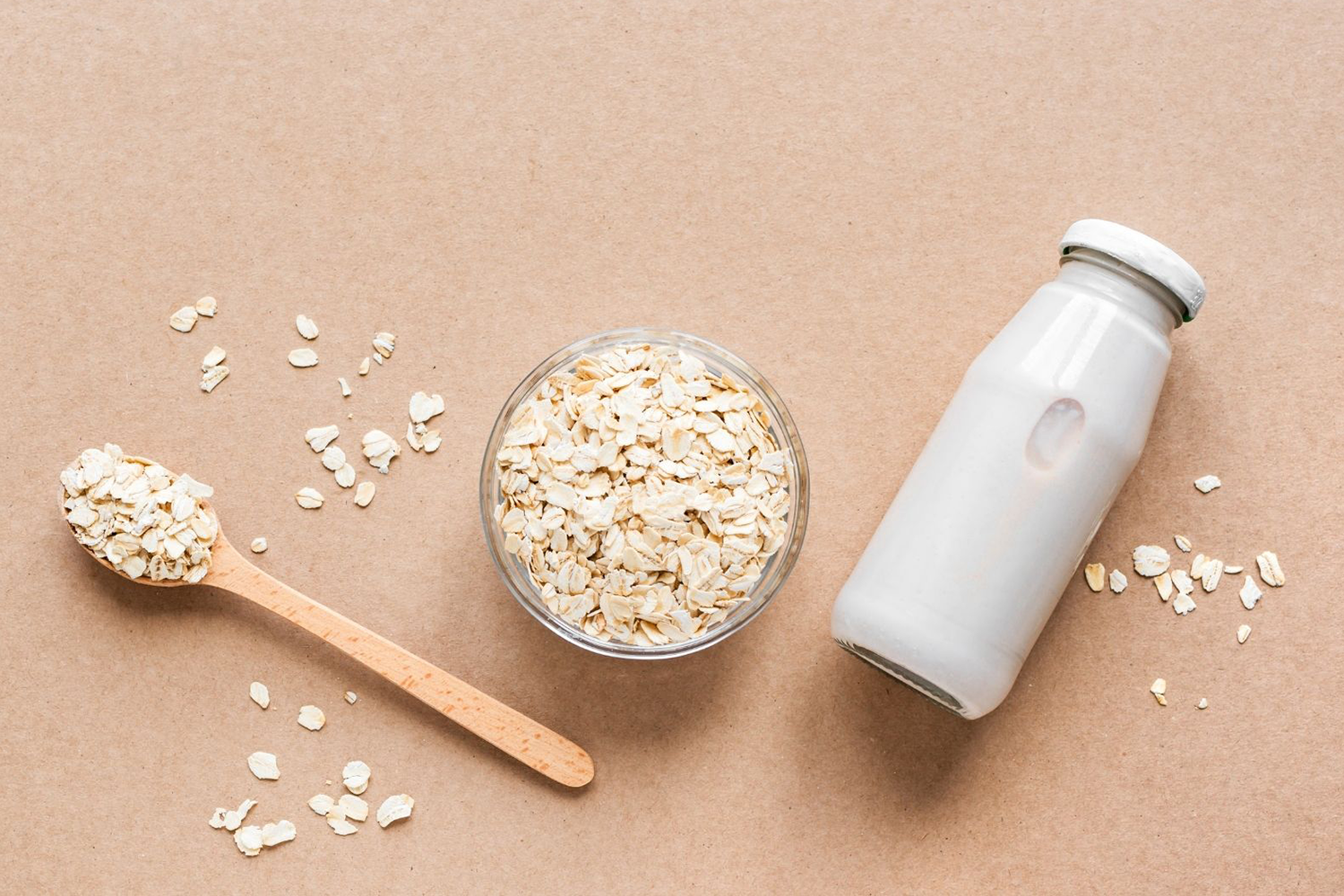
Does Oat Milk Go Bad? The Ultimate Guide

– Oat milk is lower in fat and cholesterol than cow’s milk and contains more fiber.
– Oat milk does go bad, but it tends to last longer than cow’s milk and other alternative milks.
– Signs of spoiled oat milk include a musty or sour smell, changes in appearance (lumpiness, sliminess, separation, congealment), and discoloration.
– Spoiled oat milk can potentially cause food poisoning if consumed.
– If oat milk is past its expiration date or suspected to be spoiled, it should be discarded.
– Store-bought oat milk typically lasts for 2-3 weeks in the refrigerator, up to 5-7 days past the printed expiration date, and up to 6 months in the freezer.
– Shelf-stable oat milk can last unopened for at least 6 months or longer.
– To keep oat milk fresh, store it in the coldest part of the refrigerator, ideally between 32 and 40 degrees.
– Homemade oat milk should be consumed within 5 days and store-bought oat milk within 2-3 weeks.
– Oat milk is popular among vegans, those sensitive to dairy, and those seeking a healthier alternative to cow’s milk.
– Oat milk is free from lactose, dairy, soy, and nuts, and some brands are gluten-free.
– If oat milk is past its expiration date but shows no signs of spoilage, it should be safe to consume.
– If oat milk shows signs of spoilage or has been left out at room temperature for over two hours, it may cause food poisoning.
– Spoiled oat milk should be discarded to avoid the risk of food poisoning.
– Unopened shelf-stable oat milk should be stored in a cool, dark place like a pantry. Once opened, it should be kept in the fridge and consumed within 1-2 weeks.

Continue Reading

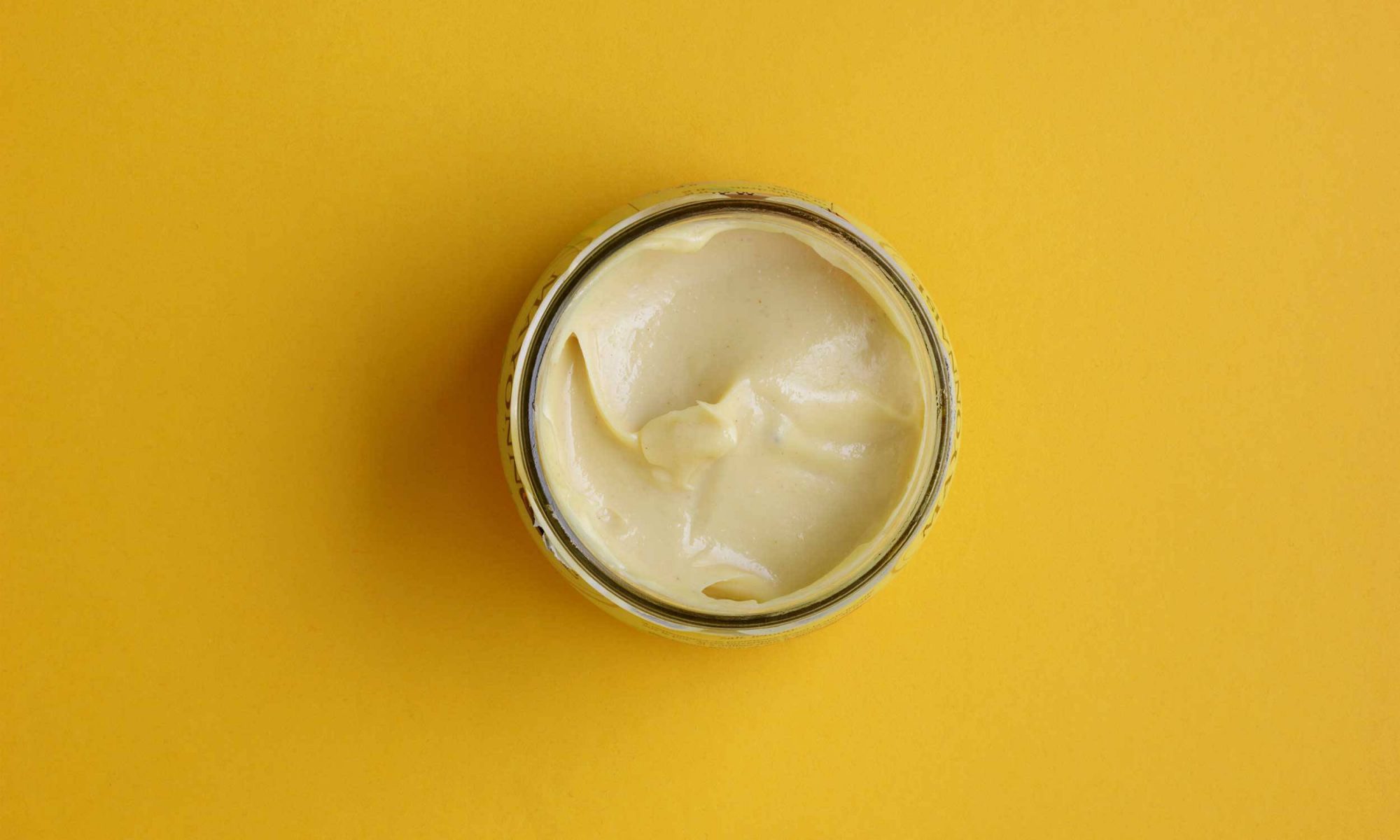
How Long Can Mayo Sit Out? Safety Guide

– Mayonnaise contains eggs and should be stored properly to avoid foodborne illness.
– Mayo should ideally be stored in the fridge or served immediately.
– Mayo should not be left out at room temperature for more than two hours.
– Mayo stored at 50°F or more should be discarded after 8 hours.
– Commercial mayonnaises are shelf-stable before opening but should be refrigerated after opening.
– Open mayo should be stored in the fridge and discarded after 2 months.
– Homemade mayonnaise should be stored in the fridge for up to 1 week if made with raw eggs.
– Homemade mayonnaise made with pasteurized eggs can be stored in the fridge for up to 4 days.
– Most home cooks successfully store homemade mayonnaise in the fridge for 1 month or more.
– Mayo should be tossed if it is perishable or if it has been stored improperly.
– Unopened store-bought mayo can be stored in the pantry until the sell-by date.
– Opened mayonnaise will last for approximately 2 months when refrigerated.
– If mayo shows signs of mold, has an off-smell, or unusual color, it should be discarded.
– Mayonnaise should be stored in the fridge or served immediately to reduce the risk of foodborne illness.
– Homemade mayonnaise should be stored in the fridge for up to 1 week max, or up to 4 days if made with pasteurized eggs.
– Mayonnaise that has been left out at room temperature for 2 or more hours should be discarded.

Continue Reading

Does buttermilk go bad? The definitive guide explained

– Buttermilk has a longer shelf life than fresh milk due to the abundance of lactic acid which inhibits the growth of harmful bacteria.
– The specific shelf life of buttermilk is not precise, but guidelines from agricultural programs recommend consuming it within three weeks from the date stamped on the package.
– In the test kitchen, they found that buttermilk won’t turn bad with mold growth until at least three weeks after opening.
– Buttermilk can be frozen and can be easily stored in an ice cube tray and transferred to a zipper-lock bag for future use.
– The dairy farm recommends consuming their buttermilk within five to seven days after opening.

Continue Reading

How Long is Chili Good in the Fridge? Best Storage Practices to Keep Your Chili Fresh

– Chili can last for three to four days when stored properly in the refrigerator.
– It is important to store chili within two hours after cooking or purchasing it from a restaurant.
– Proper storage includes transferring chili into an airtight container, storing it in the coldest part of the fridge, and labeling and dating it.
– Chili should be checked for signs of spoilage before reheating and eating, and it should be reheated to an internal temperature of 165°F before serving.
– After four days, it is recommended to discard any remaining chili.
– The primary factors that affect how long chili can last in the fridge are how it was cooked, how it’s stored, and the age of the ingredients used.
– If chili is not brought to a boil, it should be discarded after two days as harmful bacteria may have developed.
– Expired ingredients used to make chili should be discarded immediately as they may contain harmful bacteria.
– Chili can go bad if it is not stored correctly, cooked at a high temperature, or checked for expiration before use.
– Signs of spoiled chili include mold, color change, sour smell, and off smell.
– Eating expired chili could cause food poisoning, with symptoms including nausea, vomiting, abdominal cramps, and diarrhea.
– Chili can be frozen for longer storage by transferring it into an airtight freezer-safe container and reheating it to an internal temperature of 165°F prior to serving.
– Frozen chili can last up to six months in the freezer.
– Meat-based chili can be enjoyed up to four days after cooking, while chili without meat may stay fresh for up to five or six days.
– Chili should be cooled down before refrigeration.
– Canned chili can be eaten up to one week later.
– Leftover chili should be stored in shallow containers with a depth of no more than two to three inches.
– Chili is a type of stew or sauce that typically includes beans, tomatoes, and meat.
– The ingredients of chili are cooked together in a pot or slow cooker.
– Spices such as cumin, oregano, garlic powder, onion powder, and chili powder can be added to enhance flavor.
– Chili should be stored in an airtight container in the refrigerator within two hours after cooking or purchasing.
– It is important to store chili in the coldest part of the refrigerator, usually at the back near the bottom shelf.
– Chili should be labeled and dated before storing.
– Before reheating and eating chili, check for signs of spoilage such as discoloration, an off-putting smell, or a slimy texture.
– Reheat chili to an internal temperature of 165°F before serving.

Continue Reading

How to Tell If Asparagus is Bad: A Guide

To determine if asparagus is bad:

1. If the asparagus is soft, mushy, limp, or has turned dull-colored and limp, it is likely bad.
2. The tips may turn black and become completely mushy.
3. Look out for a foul smell and visible signs of mold on the asparagus.
4. Avoid bunches with slimy tops or limp, dull, or wrinkled stems.

To pick fresh asparagus:

1. Look for firm, bright green stems that stand straight.
2. The asparagus should have a smooth texture.
3. Similarly sized stalks are preferred.

To store asparagus:

1. Keep it upright in a mason jar with an inch of water, covering the tops loosely with a plastic bag.
2. Alternatively, wrap the stems with a damp paper towel and store them in a plastic bag or produce bag in the crisper drawer.
3. Properly stored asparagus can last for four to five days or three to four days, respectively.

Additional information on freezing and storing asparagus:

1. To prevent asparagus from becoming mushy, keep it damp and flip the bag over daily.
2. Raw asparagus can be frozen, blanching helps maintain its color and crisp texture.
3. Blanching is not necessary for freezing asparagus.
4. When freezing asparagus, it can be cut into 1-inch pieces or frozen whole.
5. Frozen asparagus can be stored in a freezer-safe bag for up to a year.
6. Cooked asparagus can be stored in an airtight container in the refrigerator for three to four days.
7. The texture of cooked asparagus will become less crisp each day and may become very soft by the last day.
8. Cooked asparagus can also be frozen to preserve its texture.
9. Frozen cooked asparagus should be stored in a freezer-safe bag and can be kept in the freezer for up to a year.

Continue Reading